




The Crown Archetype: From Royal Regalia to Personal Empowerment Jewelry
For millennia, the crown has stood as one of humanity's most potent and recognizable symbols. From the elaborate diadems of Egyptian pharaohs to the bejeweled tiaras of modern monarchs, crowns have represented the pinnacle of temporal power, divine authority, and social hierarchy. Yet, in recent decades, a fascinating cultural shift has occurred: the crown has been democratized. No longer confined to royalty, crown motifs now adorn the jewelry of everyday people as symbols of personal sovereignty, self-empowerment, and inner nobility. This journey from exclusive regalia to accessible personal talisman reveals deep truths about our evolving relationship with power, identity, and self-perception.
Historical Origins: Crowns as Divine Mandates
The earliest known crowns date back to ancient Mesopotamia and Egypt, where they served not merely as markers of rank but as physical manifestations of divine connection. The Egyptian "pschent" (double crown) unified the red crown of Lower Egypt and the white crown of Upper Egypt, symbolizing the pharaoh's role as unifier and intermediary between gods and people. The crown was believed to channel divine power—literally a conduit for celestial authority to flow into the earthly realm.
The Sacred Geometry of Crowns
Many traditional crowns incorporate sacred geometry: circles (wholeness, eternity), points reaching upward (aspiration, connection to the divine), and precious stones (different spiritual attributes). The medieval European crown, for instance, often featured alternating fleur-de-lis and crosses, blending political power with religious sanction. This design language wasn't arbitrary; it was a carefully constructed symbolic system meant to communicate specific theological and political messages to a largely illiterate populace.
In European tradition, coronation ceremonies explicitly framed crowning as a sacrament. The monarch was anointed with holy oil, then crowned, transforming them from an ordinary mortal into "God's anointed," responsible for the spiritual and physical welfare of the realm. The weight of the crown was both literal and metaphorical—representing the heavy burden of responsibility that accompanied privilege.
The Psychological Archetype: King/Queen Within
Carl Jung's concept of archetypes provides a powerful lens through which to understand the crown's enduring appeal. The Sovereign Archetype (King/Queen) represents the part of the psyche that governs the "inner kingdom"—the domain of one's thoughts, emotions, and actions. A healthy Sovereign archetype manifests as self-confidence, clarity of purpose, decisiveness, and the ability to set healthy boundaries. An underdeveloped or shadow Sovereign manifests as tyranny (over-controlling), abdication (avoiding responsibility), or weakness (being ruled by external forces).
Dr. Robert Moore, in his work "King, Warrior, Magician, Lover," describes the mature King energy as centered, confident, and life-giving—creating order and fertility within his realm. The crown, then, becomes a symbolic tool for activating and integrating this inner Sovereign. When someone wears crown jewelry today, they're often engaging in a form of symbolic enactment: visually and tactilely reminding themselves to step into their authority, to rule their inner domain with wisdom and compassion.
The Democratization of Royal Symbolism
The French Revolution (1789-1799) marked a pivotal turning point in the crown's cultural meaning. As literal crowns were destroyed and monarchs deposed, the idea of sovereignty began to shift from hereditary right to popular will. This paved the way for the crown's symbolic meaning to separate from literal monarchy and attach to broader concepts of achievement, authority, and personal excellence.
In the 20th century, several cultural forces accelerated this democratization:
- Hollywood & Celebrity Culture: Film stars were "crowned" as box office royalty, beauty queens received tiaras, and award shows used crown imagery for winners.
- Marketing & Branding: Products were marketed as the "king" or "queen" of their category (Burger King, Dairy Queen), making royal terminology part of everyday consumer language.
- Feminist Reclamation: The tiara, once a symbol of aristocratic femininity, was reclaimed by some feminists as a symbol of self-celebration and "owning one's worth."
- Spiritual & New Age Movements: Concepts like "inner child" expanded to include "inner king/queen," framing sovereignty as an internal, spiritual state accessible to all.
Modern Crown Jewelry: Design Philosophy & Market Perspective
Contemporary crown jewelry exists on a spectrum from literal miniature replicas to abstract suggestions of the form. Designers must balance recognizability with wearability, symbolism with fashion. Key design considerations include:
- Scale & Subtlety: Unlike ceremonial crowns, personal crown jewelry is typically small, designed to be noticed upon closer inspection rather than from afar. This reflects the intimate, personal nature of modern sovereignty.
- Gender Fluidity: While historical crowns were strictly gendered, modern interpretations are increasingly unisex, recognizing that the Sovereign archetype exists within all people regardless of gender.
- Material Symbolism: Designers intentionally select materials with complementary symbolic meanings—green stones for heart-centered leadership, clear crystals for clarity, gold for value and divinity, silver for intuition and reflection.
- Narrative Integration: Successful crown jewelry tells a story. It might incorporate elements like keys (access to personal power), shields (boundaries), or spirals (growth and evolution) alongside the crown motif.
From a market perspective, crown jewelry taps into multiple trends simultaneously: the rise of meaningful jewelry (pieces with personal or spiritual significance), self-care as empowerment, and archetypal fashion (clothing and accessories that help wearers embody specific psychological energies). The market extends beyond luxury consumers to include mindfulness practitioners, life coaches, therapy clients, and anyone engaged in personal development work.
Cultural & Spiritual Significance Today
In our post-monarchical, often anti-hierarchical age, why does crown symbolism retain such power? The answer lies in its psychological and spiritual universality. Across cultures, humans recognize the need for internal governance—the ability to regulate emotions, direct attention, make choices, and take responsibility for one's life. The crown perfectly symbolizes this capacity.
In various spiritual traditions, the crown has been reinterpreted:
- In Hinduism & Buddhism: The crown chakra (Sahasrara) at the top of the head represents connection to the divine, enlightenment, and transcendent consciousness. Crown imagery in meditation visualizations often represents awakening this energy center.
- In Christianity: "Crown of life" and "crown of righteousness" appear in the New Testament as metaphors for spiritual reward, shifting the symbol from earthly to heavenly authority.
- In African Diasporic Traditions: Crowns and headwraps (gele, turban) carry deep spiritual significance, representing dignity, spiritual protection, and connection to ancestors.
- In Contemporary Paganism: Ritual crowns are used in ceremonies to signify assuming a sacred role or embodying a deity's energy temporarily.

Emotional & Social Impact of Wearing Crown Symbols
The act of wearing crown jewelry creates a fascinating biofeedback loop between symbol, body, and mind. This phenomenon, sometimes called "enclothed cognition," describes how what we wear influences our psychological processes. Studies have shown that wearing clothing or accessories associated with certain traits can actually enhance those traits in the wearer.
When someone wears a crown pendant:
- Posture Often Improves: The physical reminder on the chest can prompt more upright, confident posture.
- Self-Talk Shifts: Wearers report more assertive, self-affirming internal dialogue.
- Boundary-Setting Becomes Easier: The symbol of sovereignty reinforces the right to set and maintain healthy personal boundaries.
- Decision-Making Clarifies: The "ruler of my domain" mindset encourages more deliberate, values-aligned choices.
Socially, crown jewelry can serve as a non-verbal communication tool. It subtly signals self-respect and personal authority to others, potentially influencing how they interact with the wearer. In professional settings, it can project quiet confidence without aggression. In personal relationships, it can remind both parties of mutual respect and personal sovereignty.
Technical Craftsmanship & Sustainability
Creating meaningful crown jewelry requires a fusion of traditional techniques and modern ethical considerations. Artisans working with crown motifs typically employ:
- Lost-Wax Casting: For intricate antique-style details that would be impossible with standard stamping.
- Pavé Setting: For the sparkling accents, requiring precision to secure multiple small stones securely.
- Antiquing & Patina Application: Chemical or mechanical processes to create the vintage appearance that suggests wisdom and history.
- Stone Selection & Setting: Choosing stones for both aesthetic and symbolic value, then setting them securely in ways that maximize light reflection.
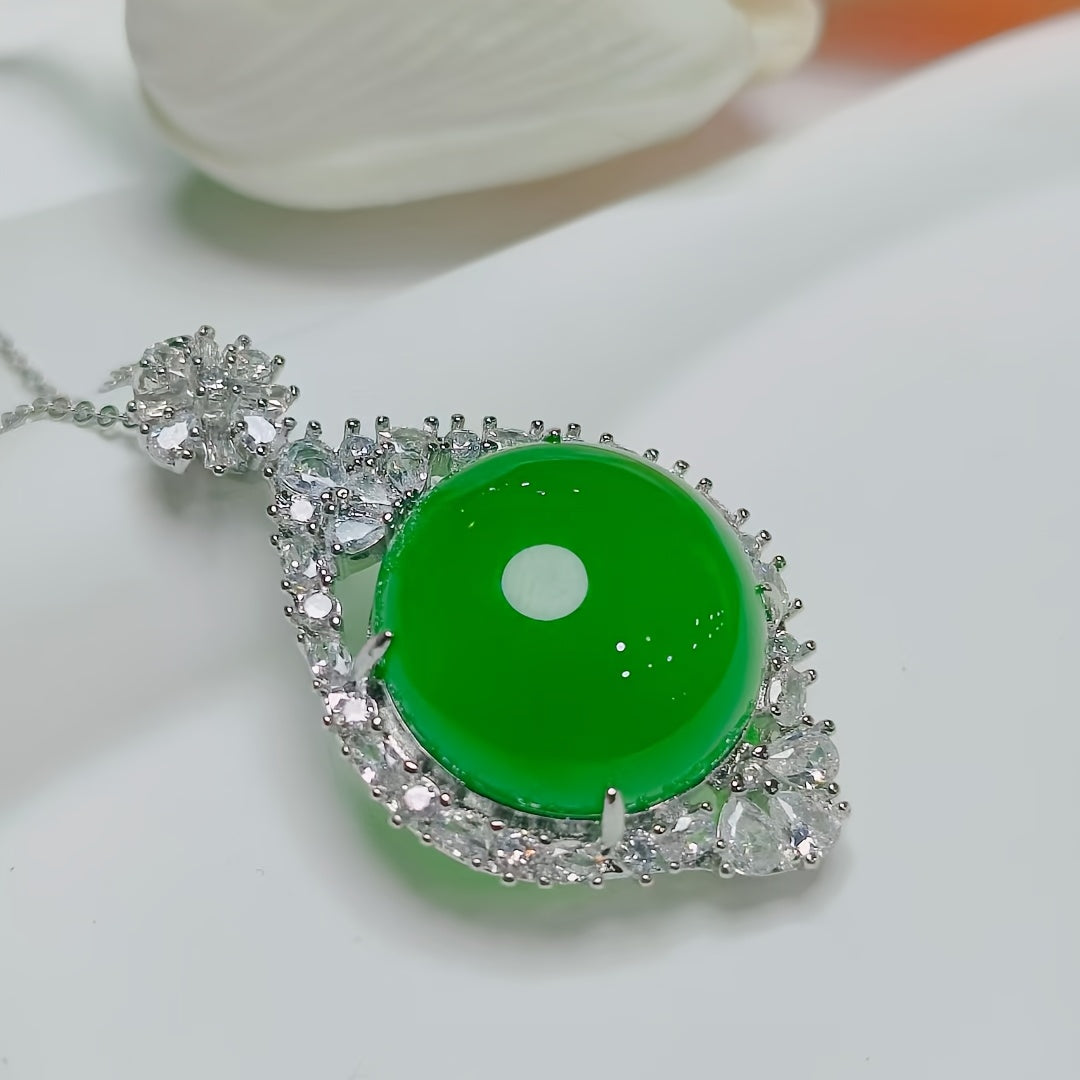
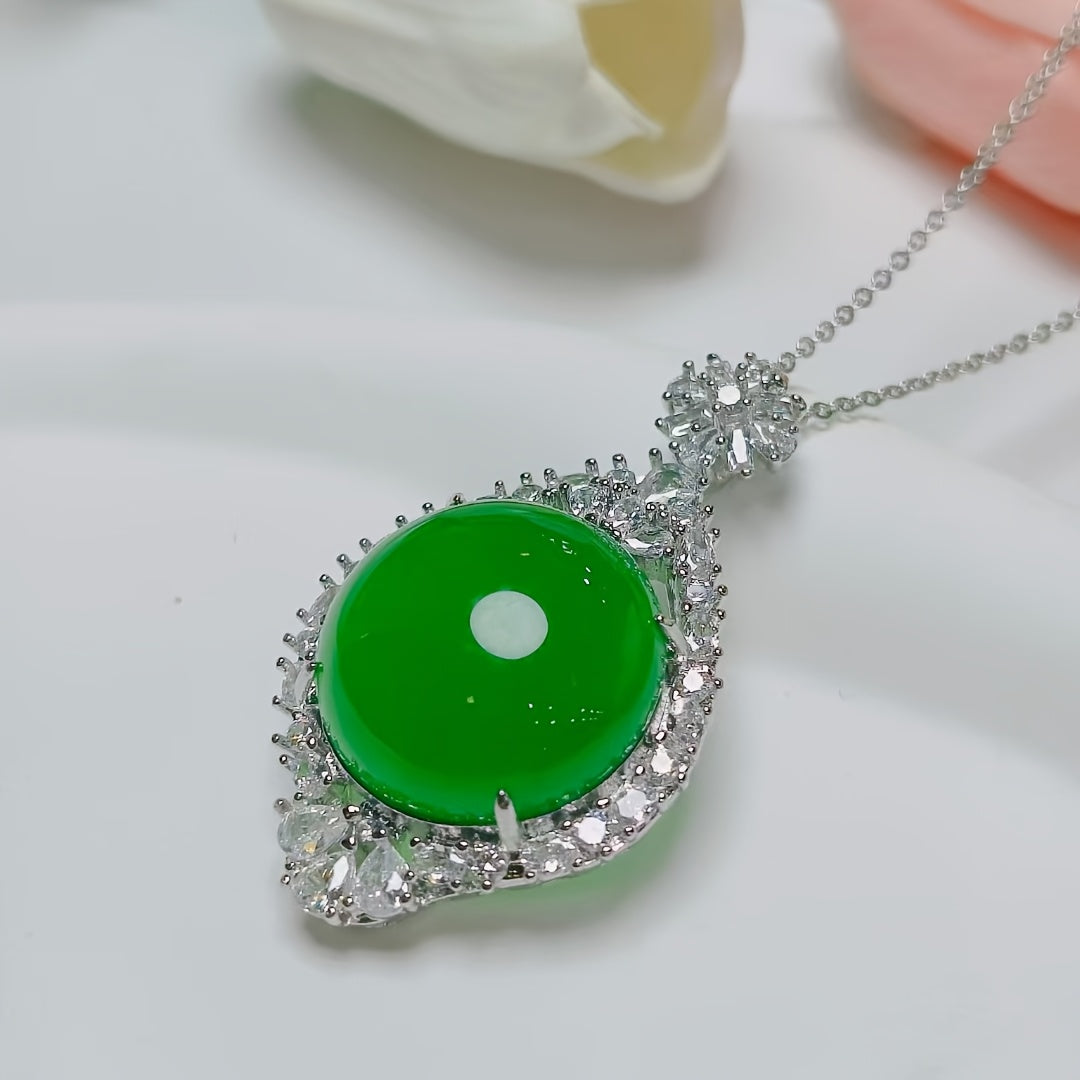
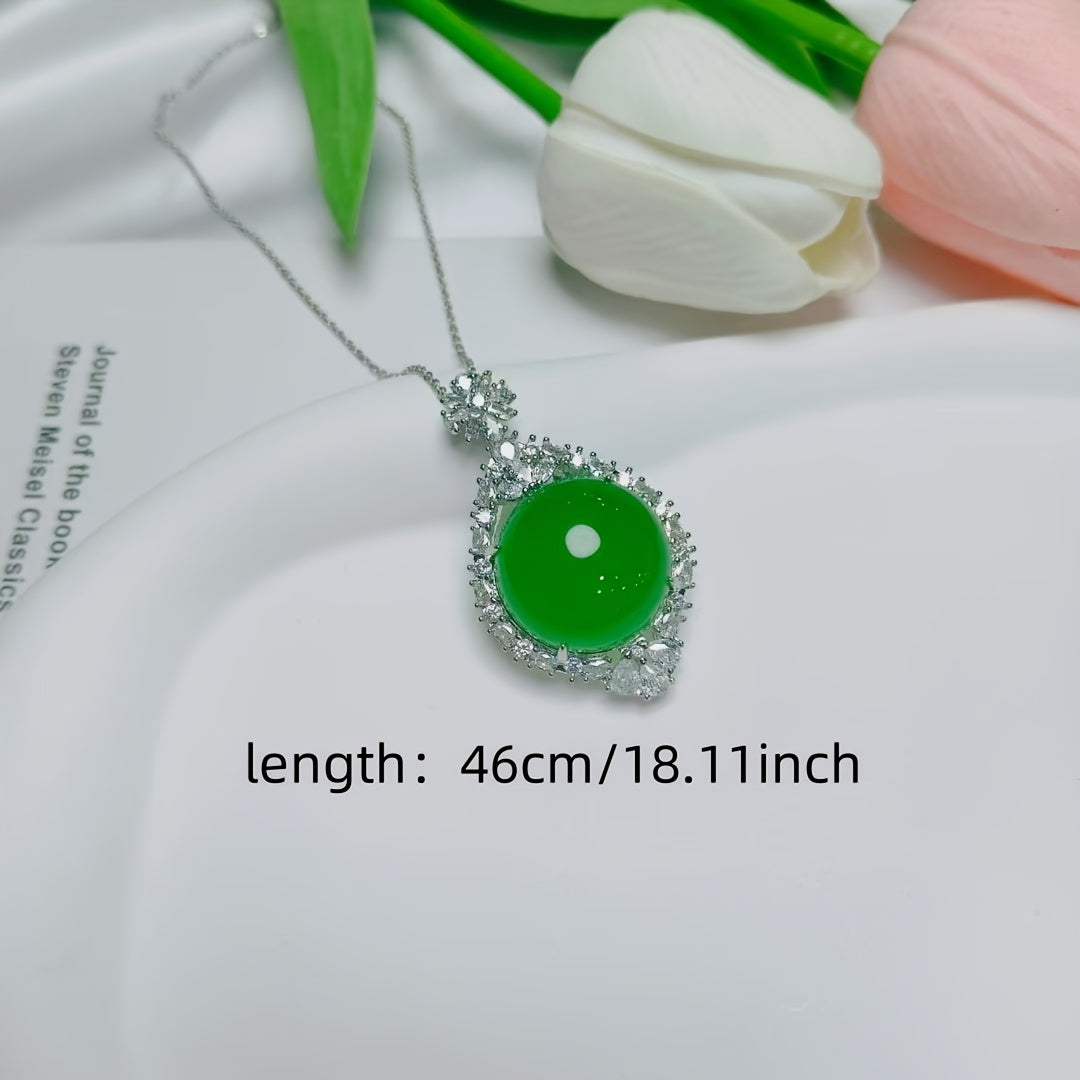
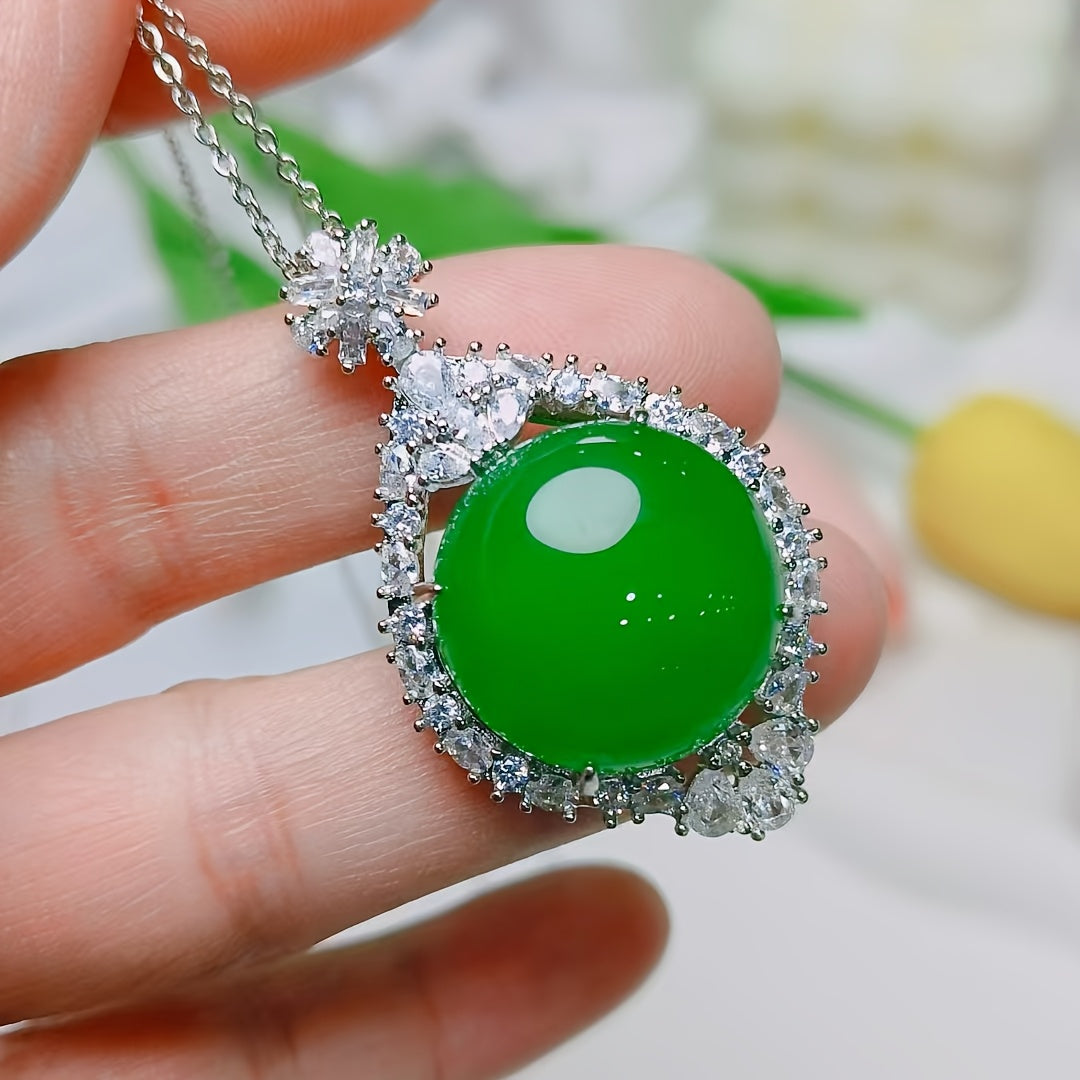
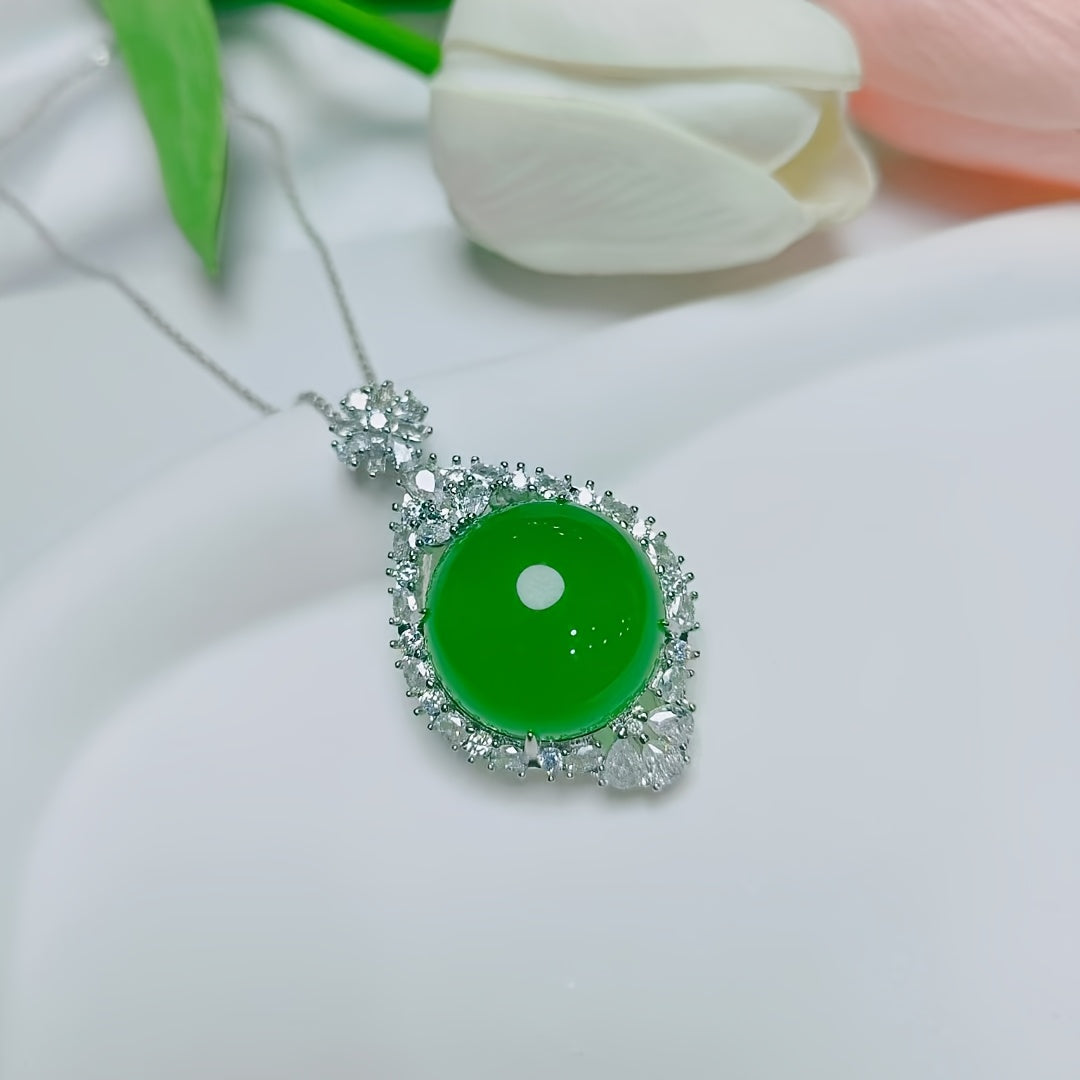
Increasingly, designers are considering sustainability. This includes using lab-created stones (like the faux green stone in our featured pendant) that offer the beauty of natural gems without environmental mining impacts, recycled metals, and ethical production practices. The symbolism of benevolent rulership extends to rulership over our environmental impact—true sovereignty includes stewardship.
Future Outlook: The Evolving Crown
As we move further into the 21st century, crown symbolism continues to evolve. Several emerging trends suggest fascinating directions:
- Digital Crowns: In virtual reality and gaming, players earn or purchase digital crown accessories, extending the symbolism into digital identity and achievement.
- Crowns in Wellness & Therapy: Some therapists literally use paper or simple metal crowns in sessions to help clients physically embody their "inner ruler" during boundary-setting or self-esteem work.
- Community Sovereignty: Crown motifs appearing in community art projects, representing collective empowerment and shared leadership models.
- Deconstructed Crowns: Avant-garde jewelry designers creating abstract, broken, or reassembled crown pieces that represent the complexity of modern identity—sovereignty that is earned, sometimes fractured, and continually rebuilt.
The most significant future shift may be toward crowns as tools for collective rather than individual empowerment. As concepts of leadership evolve from hierarchical to networked, from command-and-control to collaborative, the crown symbol may increasingly represent not "rule over" but "responsibility for"—the stewardship of teams, communities, projects, and ultimately, our shared world.
Conclusion: Reclaiming the Crown
The journey of the crown from the heads of gods and monarchs to the necks of everyday individuals is one of the most compelling narratives in symbolic history. It represents a profound democratization of power—not in the political sense of voting rights, but in the psychological sense of recognizing inherent personal authority. When we wear a crown symbol today, we participate in an ancient lineage of sovereignty while radically redefining what sovereignty means.
No longer about dominion over others, the modern crown represents self-mastery, compassionate leadership, and the courageous acceptance of responsibility for one's own life. It reminds us that we each have an inner kingdom—our thoughts, emotions, choices, and relationships—that requires wise, loving governance. The green stone at the heart of many contemporary crown designs beautifully captures this evolved understanding: true power grows from the heart, balances strength with compassion, and creates life rather than dominating it.
In a world that often makes us feel powerless, crown jewelry offers a small but potent act of reclamation. It is a wearable declaration: I am the rightful ruler of my life. I govern with wisdom. I lead with heart. I accept the weight of my choices with dignity. And I recognize the same sovereignty in you. This is the new crown mandate—not divine right, but human responsibility beautifully, elegantly, symbolically worn.
