





How true protection manifests not through aggression but through grounded presence, clear boundaries, and the courage to maintain integrity
In every culture, at every historical moment, humanity has recognized a particular kind of strength: not the strength that conquers, but the strength that protects. Not the power that takes, but the power that preserves. This is the domain of the Sovereign Guardian archetype—a psychological and spiritual pattern that manifests whenever individuals or communities face the essential question: How do we protect what matters without becoming what we defend against?
Modern psychology often pathologizes protective instincts, framing boundaries as defensiveness and self-protection as insecurity. Yet across spiritual traditions and mythological systems, the guardian represents something entirely different: the capacity to maintain integrity in the face of pressure, to preserve what is sacred without resorting to violence, to protect through presence rather than aggression.
The Guardian Across Traditions
From the Buddhist Dharma protectors (Dharmapalas) to the Christian archangels, from the Norse Einherjar to the Japanese Shinto kami guardians, the archetype manifests with consistent features: steadfastness, discernment, and the capacity to say "no" when necessary. What's particularly revealing is what these guardian figures don't do: they don't seek conflict, they don't initiate aggression, they don't expand their territory unnecessarily.
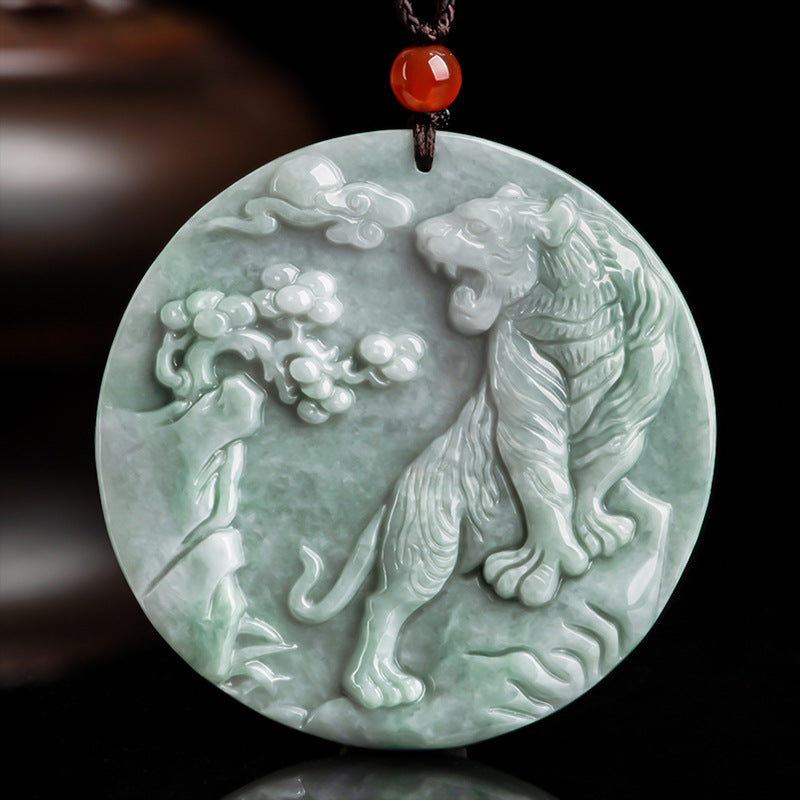
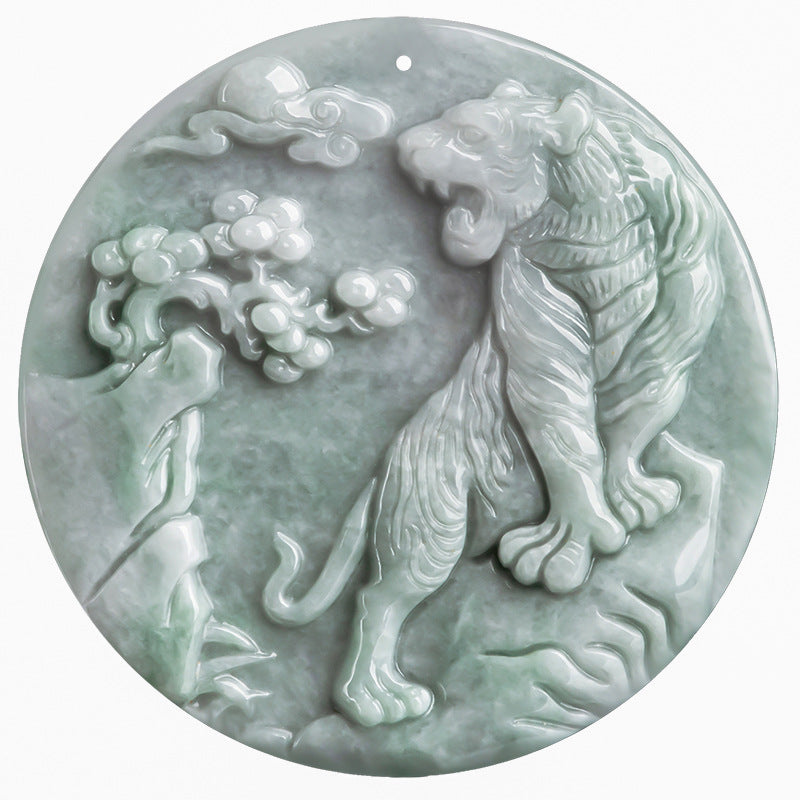
In Chinese tradition, the White Tiger of the West exemplifies this perfectly. As one of the Four Celestial Animals, it guards the autumn season and western direction—not through active patrol, but through its very presence. The mythology suggests that when the White Tiger is properly honored and positioned, protection flows naturally from the cosmic order itself. The guardian doesn't create protection; they align with protective principles already present in reality.

Psychological Dimensions of Guardian Energy
In Jungian psychology, the guardian relates to what Marie-Louise von Franz called "the protective function of the Self"—the psyche's innate capacity to establish boundaries, filter influences, and maintain coherence against fragmenting pressures. When this archetype is underdeveloped, individuals may experience:
- Difficulty saying no even when overwhelmed
- Tendency to absorb others' emotional states
- Chronic compromise of personal values for harmony
- Feeling invaded or depleted in social situations
- Difficulty distinguishing genuine threat from mere discomfort
Conversely, when the guardian archetype is integrated healthily, it manifests as:
- Clear, compassionate boundaries
- Discernment in relationships and commitments
- Capacity to protect personal energy without isolation
- Intuitive recognition of genuine threats
- Steadiness during others' emotional storms
The key psychological insight is this: guardian energy isn't about keeping others out; it's about maintaining Self integrity. The healthy guardian doesn't view the world as hostile territory to be defended against, but recognizes that certain influences genuinely threaten coherence, and others don't.

Modern Manifestations and Distortions
Contemporary culture presents particular challenges to healthy guardian energy. On one hand, we're encouraged to be endlessly open, adaptable, and accommodating—qualities that, while valuable, can undermine protective discernment when taken to extremes. On the other hand, we see reactive, fear-based "protection" that manifests as prejudice, isolationism, or aggression.
The modern distortion of the guardian archetype often appears as what psychologists call "hyper-vigilance"—a state of constant defensive alert that exhausts the nervous system and perceives threat where none exists. This isn't true guardian energy; it's trauma response masquerading as protection.
True guardian energy in modern life might manifest as:
- The capacity to disengage from digital overwhelm
- Setting boundaries around work hours and availability
- Protecting time for deep focus against constant interruption
- Discerning which social commitments align with values
- Maintaining personal standards despite social pressure to compromise
In each case, the protection isn't against external enemies, but against fragmentation of attention, dilution of purpose, or erosion of values.

Cultivating Guardian Consciousness
Developing healthy guardian energy requires specific practices that differ from general spiritual work. While many practices aim at opening, expanding, or connecting, guardian work focuses on discernment, containment, and selective protection.
Physical Grounding: Since guardian energy requires stability, practices that enhance physical presence are essential. This might include standing meditation, awareness of weight distribution, or working with grounding stones or materials that have literal weight and substance.
Boundary Visualization: Rather than imagining walls (which create isolation), practice visualizing semi-permeable membranes that allow what nourishes to enter while filtering out what depletes. The key is discerning difference rather than rejecting everything.
The "Protective Pause": Before automatically saying yes to requests or opportunities, institute a mandatory pause—even if just for three breaths. During this pause, check: Does this align with my current priorities? Do I have the resources to engage fully? Will this strengthen or dilute my focus?
Somatic Awareness: Guardian energy has physical correlates—a sense of solidity in the lower body, alert relaxation rather than tension, steady breathing. Developing sensitivity to these physical states helps recognize when guardian energy is present or absent.
Symbolic Anchors: Working with guardian symbols—like the tiger in certain traditions—can help internalize protective qualities. The symbol serves not as magical protection, but as a reminder of innate capacity that might otherwise be forgotten in accommodating social environments.

The Guardian in Relationship
Perhaps the most challenging aspect of guardian energy is its expression in relationships. Healthy guardianship in connection requires navigating the delicate balance between protection and openness, boundaries and intimacy.
Contrary to popular belief, clear boundaries often enhance rather than inhibit intimacy. When individuals know their limits will be respected, they can relax into connection more fully. The guardian in relationship says, in effect: "I will protect the integrity of this connection by being clear about what strengthens it and what undermines it."
This might manifest as:
- Communicating availability honestly rather than overcommitting
- Protecting quality time together from distraction
- Maintaining individual practices that support personal integrity
- Having difficult conversations when values are compromised
- Discerning when to engage and when to create space
The guardian understands that the strongest connections are those where both individuals maintain sovereignty. Codependency isn't deep connection; it's the absence of healthy boundaries.
Conclusion: Protection as Presence
In a world that often confuses protection with aggression, and boundaries with rejection, the Sovereign Guardian archetype offers a more nuanced understanding: True protection begins with presence—the capacity to be fully here, fully embodied, fully aware of what is actually happening rather than reacting to what we fear might happen.
The guardian doesn't create safety by eliminating all risk—an impossible task—but by developing discernment about which risks are worth taking and which genuinely threaten integrity. They don't build walls against life, but cultivate the inner stability to engage life fully without being overwhelmed by it.
Ultimately, guardian work is sovereignty work. It's the ongoing practice of knowing what is yours to protect, what isn't, and having the courage to maintain that distinction even when external pressures suggest otherwise. In this sense, every act of clear boundary-setting, every moment of protective discernment, every instance of saying "no" to preserve a more important "yes"—these are all expressions of the Sovereign Guardian, protecting not just what matters, but the capacity to know what matters in the first place.
