





The Guardian Archetype
I. The Modern Crisis of Masculine Strength
Contemporary masculinity finds itself in a peculiar contradiction. Men are told to be strong—yet traditional strength training produced men who are powerful but hollow. They have achieved, conquered, and dominated, yet they often report feeling profoundly alone.
The problem is not that men are strong. The problem is that their strength has been severed from its source: emotional clarity and authentic presence.
A man can be successful and empty. He can be impressive and invisible to himself. He can lead organizations while being unable to lead his own emotional life. This is the silent crisis that no amount of achievement resolves.
What Genuine Strength Actually Is
Throughout history, the most effective leaders—and the most resilient men—were not those who had eliminated emotion. They were those who had integrated it.
Consider the warrior traditions that survived longest: Japanese samurai, Stoic philosophers, Daoist sages. Each tradition understood something that modern masculine conditioning forgot: True power requires emotional precision, not emotional absence.
The samurai practiced not only sword work, but meditation and poetry. The Stoic leader cultivated emotional stability through philosophical understanding, not by becoming numb. The Daoist sage moved through the world with both strength and softness, understanding that rigidity breaks.
These were not soft men. They were men who understood that authentic strength requires:
- Clarity about what matters — This requires emotional honesty, not its suppression
- Stability under pressure — This comes from grounded presence, not from dissociation
- Resilience in difficulty — This emerges from the willingness to feel the difficulty fully, then move through it
- Authentic presence with others — This cannot emerge from defended isolation
II. The Guardian Archetype — Definition and History
The Guardian is the archetype of the man who protects not through force alone, but through presence, clarity, and emotional steadiness. The Guardian has appeared across cultures with remarkable consistency:
- In Taoism: The sage leader who guides through presence rather than command, who acts only when action is absolutely necessary, yet acts with complete clarity
- In Buddhism: The Bodhisattva who protects through compassion, understanding others' suffering deeply enough to respond with genuine help
- In Celtic tradition: The warrior-poet king who balanced sword skill with wisdom, strength with emotional depth
- In Indigenous cultures: The elder or leader chosen not for dominance, but for the ability to hold collective wisdom and guide with clear judgment
In every tradition, the Guardian's power came not from emotional suppression but from emotional mastery—the ability to feel fully while remaining undisturbed in judgment.
Why Modern Men Struggle With This Archetype
Contemporary masculine training explicitly rejects the Guardian model. Boys are taught early: emotions are weakness, vulnerability is failure, and true strength means having no needs and feeling no pain.
This creates a generation of men who are:
- Successful but isolated, powerful but lonely
- Able to solve external problems but unable to navigate internal complexity
- Defended against genuine connection, mistaking distance for strength
- Exhausted from the constant work of emotional suppression
The tragedy is not that these men are weak. The tragedy is that their strength has been misdirected, channeled into the wrong battles. They are fighting themselves instead of directing their power toward what actually matters.
The Guardian archetype offers an alternative: What if your strength could be integrated with your depth? What if emotional presence and masculine power were not opposites but partners?
III. The Practice of Integration
Becoming a Guardian is not about becoming someone new. It is about reclaiming a capacity that was trained out of you.
This requires three core shifts:
- Permission to Feel: Understand that emotion is information, not weakness. Anger tells you about violated boundaries. Sadness tells you about loss. Fear tells you about what matters. A Guardian learns to read this information with precision.
- Stability in Feeling: The goal is not to eliminate emotion but to remain clear-headed while experiencing it. This is emotional maturity. You can feel deeply and think clearly simultaneously. These are not opposites.
- Expression From Rootedness: When you are grounded in your own emotional reality, your actions become coherent. You are not reacting defensively. You are responding from clarity. Others feel the difference immediately.
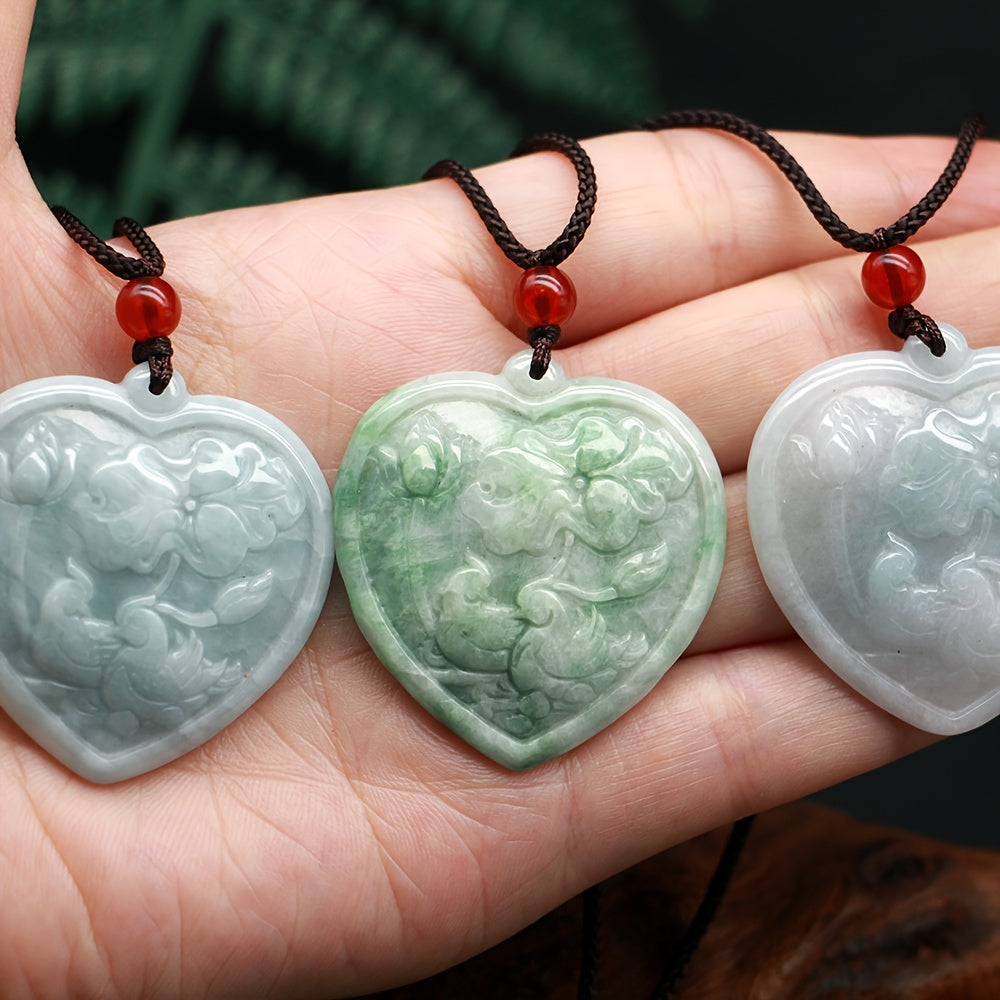
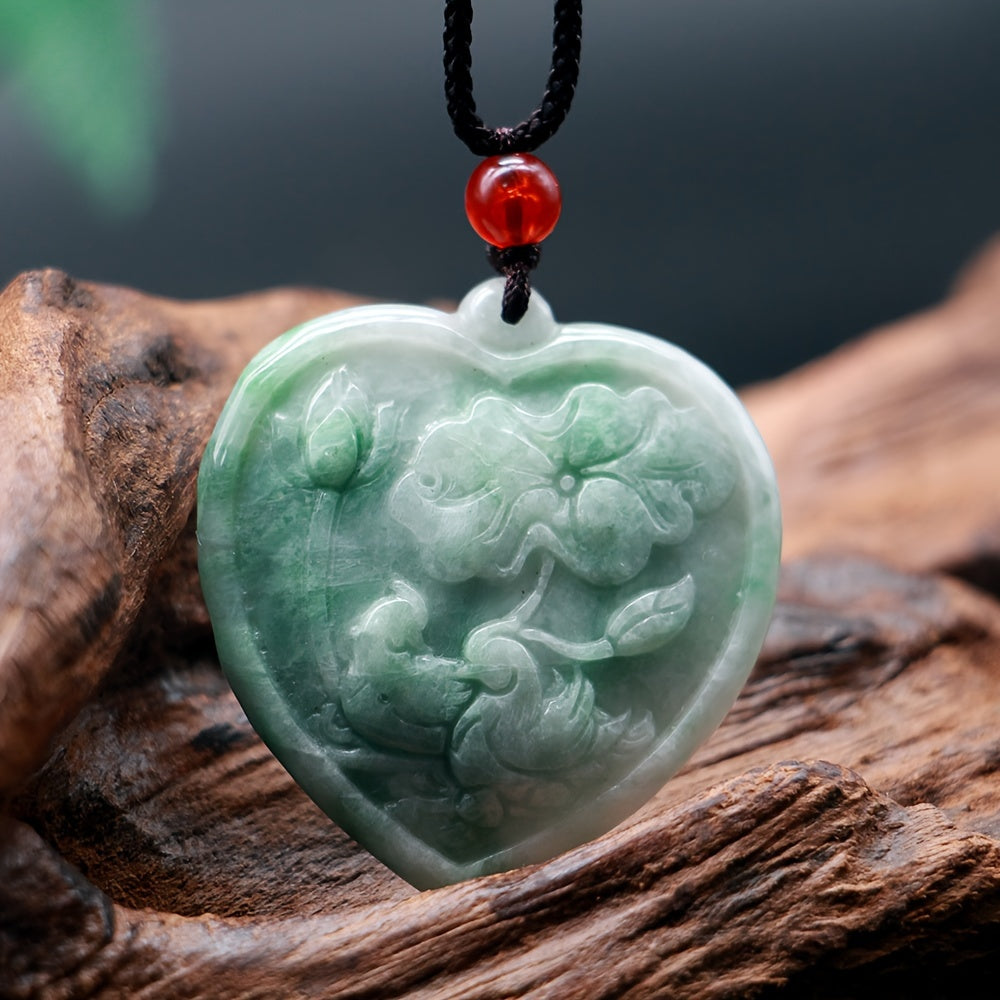
The jade heart pendant serves exactly this function. Worn daily, it becomes a physical reminder: Your heart is not your vulnerability. It is your power source.
