




The Heart Stone
I. The Archaeology of Heart Symbolism
The heart is not primarily a symbol of emotion. It is a symbol of source, center, and truth.
Across every major spiritual and philosophical tradition, the heart appears as the seat of authentic knowing—the place where what is true reveals itself beyond intellect.
Ancient Understandings
- Egyptian Spirituality: The heart was weighed against truth (Ma'at) in the afterlife. What you were could not be hidden; your heart revealed your actual nature. The heart was understood as the record of who you truly are.
- Sufi Mysticism: The heart (Qalb) was the organ of spiritual perception—more reliable than the mind, more direct than thought. "The heart has its reasons that reason knows nothing of" captures this precisely.
- Islamic Theology: Allah is described as "Qalb" in some texts—the Heart of all existence. The heart is not peripheral. It is central to all reality.
- Chinese Medicine: The heart houses "Shen" (spirit, consciousness, authentic self). Disease arises when Shen is not properly rooted in the heart.
- Jewish Mysticism: The heart is the seat of understanding—"Know thy heart." Authentic knowledge is not cerebral; it is a heart-knowing.
This consistency across cultures is not coincidental. It reflects a deep human recognition: The heart knows what the mind cannot calculate. It perceives truth that logic cannot reach.
II. Why the Heart as a Symbol of Weakness Is a Modern Distortion
Somewhere in recent history, the heart became feminized and the mind became king. The heart was relegated to sentiment, emotion, unreliability. The mind became the seat of truth, logic, and real power.
This division has devastated both. It has created:
- Minds cut off from wisdom — Brilliant people making destructive choices
- Hearts drowning in sentiment — Deep feeling without direction or clarity
- Power without purpose — Success that feels empty
- Authenticity without agency — Feeling real but being ineffective
The ancient traditions understood what modernity forgot: The heart and mind are not opposites. They are meant to work together. True power emerges from their integration, not their separation.
What the Heart Actually Represents
In the context of genuine spiritual tradition, the heart represents:
- Direct Knowing: Understanding that comes without being thought. You simply know what is true without needing proof.
- Coherence: Alignment between what you say and what you are. Integrity. The heart cannot sustain hypocrisy; it feels the fracture.
- Discernment: The ability to perceive what matters and what doesn't. Not through logic but through immediate apprehension of significance.
- Resilience: The capacity to remain open and present even when circumstances suggest closing down. This is true strength—not hardness, but the strength to stay vulnerable.
- Authenticity: Living from what is true about you rather than what you have been told is acceptable. The heart resists pretense at a cellular level.
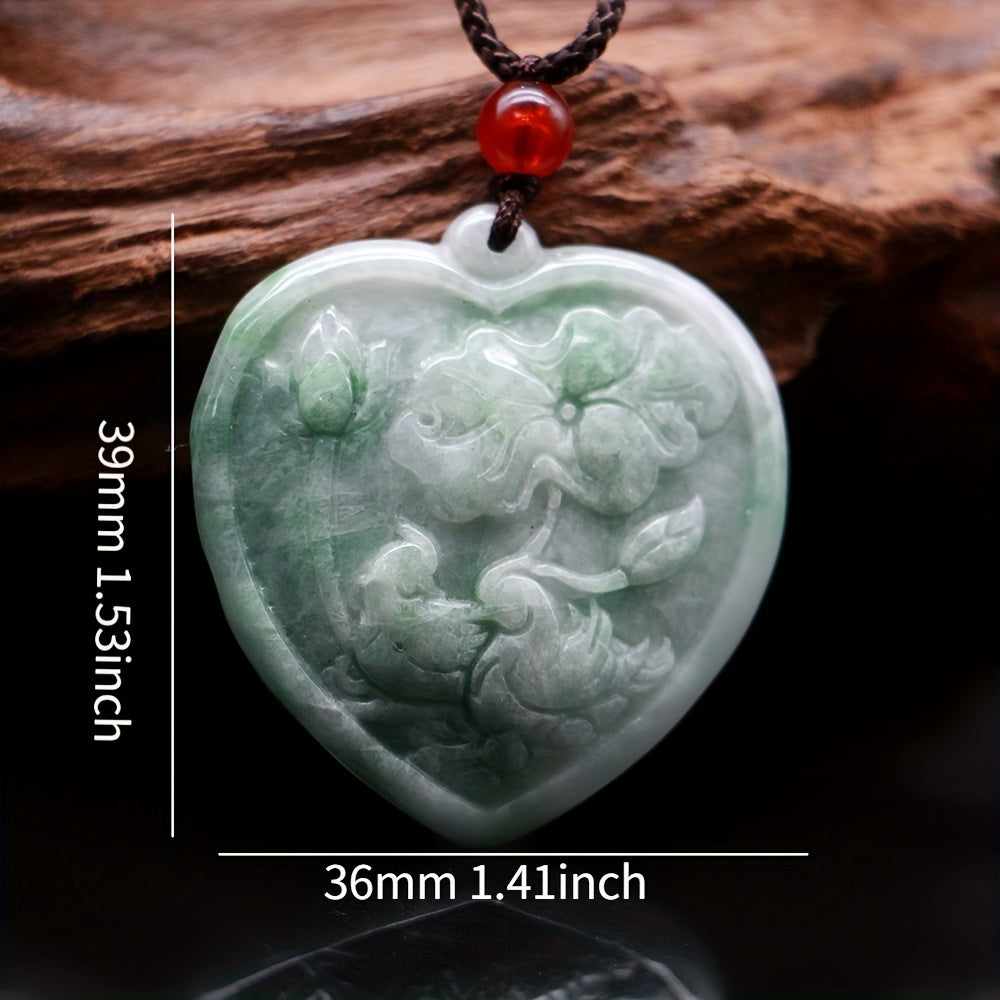
When you wear a heart symbol close to your actual heart, you are not engaging in sentiment. You are engaging in a radical act: you are claiming that what you actually know matters more than what you have been taught to think.
III. The Heart Symbol in Contemporary Life
In a world of information overload, competing narratives, and relentless external pressure, the heart symbol becomes profoundly relevant.
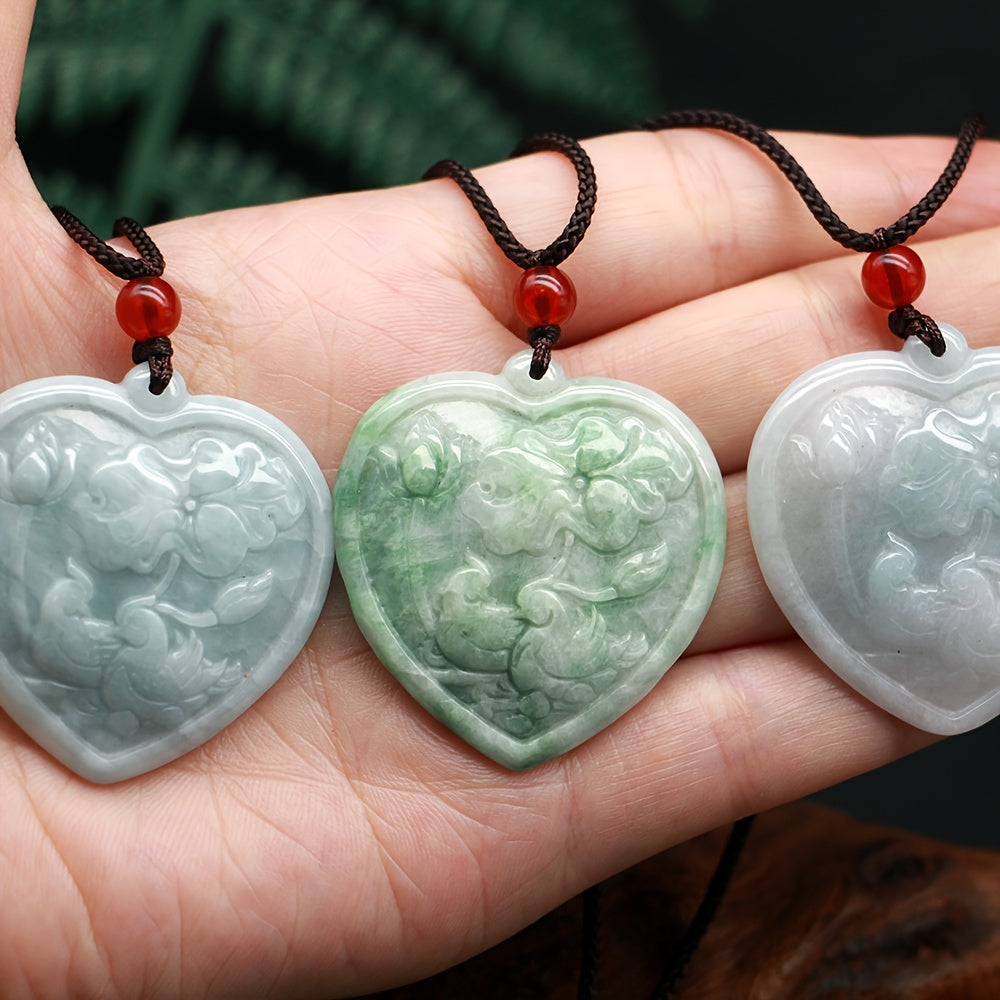
It is a physical reminder: You have an organ of knowing that exists beneath thought. You have the capacity to sense truth directly. You do not need to be confused by competing opinions or lost in excessive thinking.
The heart symbol invites you to ask: What do I actually know? Not what do I think, not what am I supposed to believe, but what do I authentically know to be true?
This knowing is not mystical. It is practical. It is the wisdom that guides genuine decision-making, authentic presence, and resilient action. It is the intelligence that survives when logic breaks down.
