

The Evolution of Masculine Jewelry: From Status Symbols to Meaningful Adornment
Throughout human history, men have adorned themselves with jewelry—not as mere decoration, but as powerful communicators of identity, status, spirituality, and belonging. From the lion tooth necklaces of Paleolithic hunters to the signet rings of Renaissance nobility, from military medals to contemporary spiritual pendants, masculine jewelry has undergone a fascinating evolution that mirrors changing conceptions of masculinity itself. Today, as men increasingly embrace jewelry that balances aesthetic sophistication with personal meaning, we stand at an intriguing crossroads in this long history. This article traces the journey of men's adornment from its ancient origins to its contemporary renaissance as meaningful personal expression.
Ancient Foundations: Adornment as Power and Protection
Contrary to modern assumptions that jewelry is predominantly feminine, archaeological evidence reveals that men were often the primary wearers of adornment in ancient societies. In Paleolithic cultures, men wore necklaces of animal teeth, claws, and bones—not as decoration, but as sympathetic magic. By wearing parts of powerful animals, hunters believed they absorbed the creature's strength, speed, or ferocity. These were the original power accessories, serving practical spiritual purposes in survival-based societies.
The Warrior's Adornment
From Celtic torcs to Maori hei-tiki, warrior cultures worldwide developed distinctive jewelry that served multiple functions: marking rank, offering spiritual protection in battle, intimidating enemies, and honoring gods of war. The Viking arm ring, for instance, was both currency (a portable form of silver) and a badge of loyalty to a chieftain. These pieces were substantial, often made from precious metals won in battle, and carried deep cultural and spiritual significance beyond mere ornamentation.
In ancient Egypt, men of status wore elaborate collars, armlets, and rings not only to display wealth but to access divine protection. Pharaohs were buried with jewelry intended to protect and empower them in the afterlife. Similarly, Roman men wore signet rings with family crests to seal documents and assert identity—an early form of both practical tool and status symbol. Across these early civilizations, common themes emerge: jewelry as spiritual armor, social signifier, and practical tool rather than purely aesthetic consideration.
Medieval to Renaissance: The Codification of Male Adornment
The Middle Ages saw jewelry become increasingly codified by social class, profession, and religious affiliation. For noblemen, jewelry signaled lineage, political allegiance, and wealth. The introduction of heraldry created a systematic language of symbols that appeared on rings, pendants, and belt buckles. Meanwhile, religious jewelry—crosses, reliquaries, pilgrim badges—marked spiritual devotion and sometimes offered indulgences or protection.
The Signet Ring
Evolving from Roman practice, medieval signet rings became essential tools for nobility. Each ring bore a unique family crest used to seal letters and authenticate documents—literally stamping one's identity and authority onto wax.
Religious Adornment
Cross pendants, reliquary lockets containing saintly remains, and pilgrim badges served as both declarations of faith and believed sources of divine protection during dangerous travels or battles.
Chivalric Jewelry
Knights wore tokens from their ladies, often incorporated into armor or worn as pendants. These represented the romantic ideals of courtly love that defined noble masculinity in the chivalric code.
The Renaissance brought a dramatic flourishing of male jewelry as art form. Portraits from this period show men lavishly adorned with rings on multiple fingers, elaborate neck chains, jeweled hats, and earrings. This was the era of the "Renaissance Man"—the ideal of cultured, sophisticated masculinity that embraced beauty, learning, and artistic expression. Jewelry became a canvas for miniature masterpieces, with gemstones cut in new ways and settings becoming increasingly elaborate. However, this golden age of male adornment would not last.
The Great Masculine Renunciation and Its Aftermath
The late 18th and 19th centuries witnessed what historians call "The Great Masculine Renunciation"—a dramatic shift in Western men's fashion away from ornamentation, color, and adornment toward somber, practical, uniform-like clothing. Influenced by Enlightenment ideals of rationality, Puritan values of simplicity, and the rise of industrial capitalism (which valued efficiency over aristocracy), men's jewelry was largely reduced to functional items: pocket watches, cufflinks, tie pins, and signet rings.
This renunciation created the modern dichotomy where jewelry became predominantly coded as feminine. What jewelry men did wear became utilitarian—the pocket watch told time, cufflinks fastened sleeves, tie pins secured neckwear. Even wedding rings for men didn't become common until the mid-20th century, and even then were often simple bands without stones. This created a cultural vacuum that would last nearly two centuries, establishing the modern perception that "real men" don't wear decorative jewelry.
20th Century: Subcultures and Counter-Currents
While mainstream culture promoted minimal male adornment, the 20th century saw powerful subcultures reclaiming jewelry as masculine expression. From the gold chains of 1970s disco and hip-hop culture to the leather and metal of punk and biker communities, marginalized groups used jewelry to assert alternative masculinities. These movements laid groundwork for today's more expansive view of male adornment:
- Hip-Hop Culture: Gold chains, medallions, and "bling" reclaimed ostentatious display as symbols of success and resistance in communities excluded from traditional avenues of wealth expression.
- Punk & Metal Subcultures: Studs, spikes, chains, and crosses created a visual language of rebellion, toughness, and non-conformity that deliberately contrasted with mainstream masculine norms.
- LGBTQ+ Communities: Coded jewelry (like the handkerchief code or certain rings) allowed for subtle communication of identity in hostile environments, while later, more overt adornment became political statement.
- Surfer & Skater Cultures: Leather cords, bead necklaces, and shell pendants reflected connection to nature, adventure, and relaxed masculinity.
These subcultures demonstrated that jewelry could communicate complex messages about identity, values, and community belonging—functions that mainstream masculinity had largely abandoned to women's fashion.
The 21st Century Renaissance: Meaningful Masculine Adornment
We are now witnessing a renaissance in masculine jewelry driven by several converging cultural shifts. The rigid gender binaries of previous generations are softening, allowing men greater freedom in self-expression. Simultaneously, there's growing interest in mindfulness, spirituality, and authenticity—all of which find expression in meaningful adornment. Today's masculine jewelry market reveals several key trends:
Minimalist Symbolism
Understated pieces with clean lines and subtle symbolism appeal to men who want meaning without ostentation. Small pendants, simple bands, and geometric designs offer personal significance without challenging professional norms.
Spiritual & Wellness Jewelry
Stones, crystals, and symbols with spiritual significance allow men to incorporate mindfulness and intention into daily life through wearable reminders of values, goals, or spiritual connections.
Narrative & Memory Jewelry
Pieces that tell personal stories—birthstones, coordinates of meaningful places, symbols of milestones—transform jewelry into wearable autobiography.
This contemporary approach represents a synthesis of historical functions: like ancient warriors, modern men may seek protective or empowering symbols; like Renaissance nobles, they appreciate craftsmanship and beauty; like 19th century gentlemen, they value subtlety and quality; like 20th century subcultures, they use adornment to express identity. The difference is today's broader acceptance that these needs aren't mutually exclusive with masculinity.
The Psychology of Modern Male Adornment
Psychological research offers insights into why meaningful jewelry resonates with contemporary men. Studies on enclothed cognition demonstrate that what we wear influences how we think, feel, and act. For men navigating complex modern identities—professional, personal, spiritual—jewelry can serve as:
- Anchors in Transition: Tangible reminders of values or intentions during life changes (career shifts, relationships, personal growth).
- Non-Verbal Communication: Subtle signals about personality, values, or interests to like-minded others.
- Behavioral Cues: Physical reminders to embody certain qualities (patience, courage, presence) when touched or noticed.
- Self-Affirmation Tools: Counteracting imposter syndrome or anxiety by representing skills, achievements, or support systems.
This psychological function is particularly potent for men who may have fewer socially sanctioned avenues for emotional expression or identity exploration. Jewelry becomes a private-public language: personally meaningful while often subtly coded to avoid challenging masculine norms too aggressively.
Market Analysis: The Growing Men's Jewelry Sector
The numbers confirm this cultural shift. The global men's jewelry market is projected to reach $31 billion by 2027, growing at nearly 6% annually—significantly faster than the overall jewelry market. This growth is driven by:
- Demographic Shifts: Younger generations (Millennials and Gen Z) show dramatically different attitudes toward gender and self-expression than previous generations.
- Celebrity Influence: Male celebrities openly wearing meaningful jewelry—from Harry Styles' pearls to Timothée Chalamet's necklaces—normalizes adornment for mainstream audiences.
- Digital Natives: Social media exposes men to diverse styles worldwide, breaking down regional fashion taboos.
- Wellness Industry Synergy: The $4.5 trillion wellness industry creates appetite for products that support mental and spiritual wellbeing, including meaningful jewelry.
Interestingly, the fastest-growing segments aren't traditional status jewelry (like luxury watches) but personalized and meaningful pieces—engraved items, birthstone jewelry, spiritual symbols, and custom designs. This suggests the market isn't just about men buying more jewelry, but buying different kinds of jewelry with different meanings.
Design Challenges and Innovations
Creating successful masculine jewelry in this new paradigm presents unique design challenges. Designers must balance:
Subtlety vs. Significance
How to incorporate meaningful symbols or stones without creating pieces that feel too ornate or "feminine" by traditional standards? Many designers use geometric abstraction, minimalist settings, and masculine color palettes.
Tradition vs. Innovation
How to honor historical masculine jewelry traditions (substantial weight, clean lines, functional aspects) while innovating for contemporary needs (spiritual meaning, personal narrative)?
Universal vs. Personal
How to create pieces with broad appeal that still feel personally significant? Many brands offer customization options or designs with layered meanings that individuals can interpret personally.
Successful contemporary masculine jewelry often employs what might be called "stealth significance"—designs that appear simple or abstract at first glance but reveal deeper meaning upon closer inspection or personal association. This allows wearers to choose how much they wish to disclose about a piece's significance, navigating social contexts where overt spirituality or emotion might still be stigmatized in masculine presentation.
Cultural and Social Implications
The resurgence of meaningful masculine jewelry carries implications beyond fashion. It represents:
- Expanded Masculinity: Validation that men can care about aesthetics, spirituality, and personal meaning without compromising masculine identity.
- Intergenerational Healing: Some men report that wearing meaningful jewelry helps reconnect with ancestral traditions or heal relationships with fathers for whom emotional expression was difficult.
- Redefining Value: Shifting from jewelry as display of wealth to jewelry as container of meaning challenges materialist values and promotes more holistic definitions of value.
- Community Building: Shared appreciation for certain symbols or styles creates subtle communities of like-minded men, similar to historical guild jewelry or military insignia.
Perhaps most importantly, this trend suggests a gradual reconciliation of the split between adornment and masculinity that characterized the "Great Renunciation." Men are reclaiming the right to beautiful, meaningful self-expression through objects worn on the body—a right enjoyed by their ancestors for millennia before industrialization and rigid gender roles narrowed the possibilities.
Conclusion: Full Circle with New Wisdom
The journey of masculine jewelry has come full circle with important new wisdom. Like our Paleolithic ancestors, modern men are again choosing adornment that provides spiritual connection and personal power. Like ancient warriors, they select symbols of protection and identity. Like Renaissance nobles, they appreciate craftsmanship and beauty. But today, these choices are made with greater consciousness, personal agency, and integration of previously separated aspects of self.
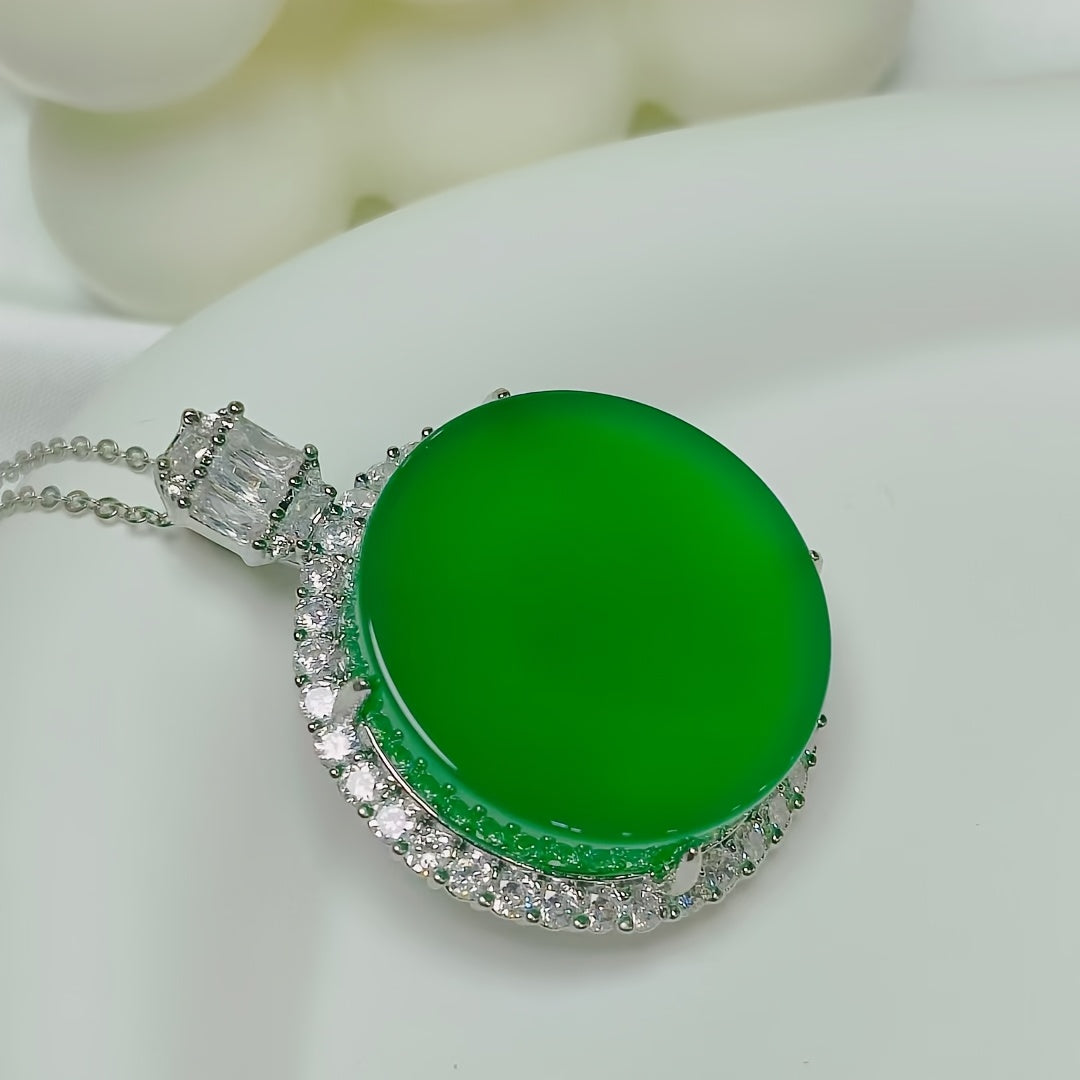
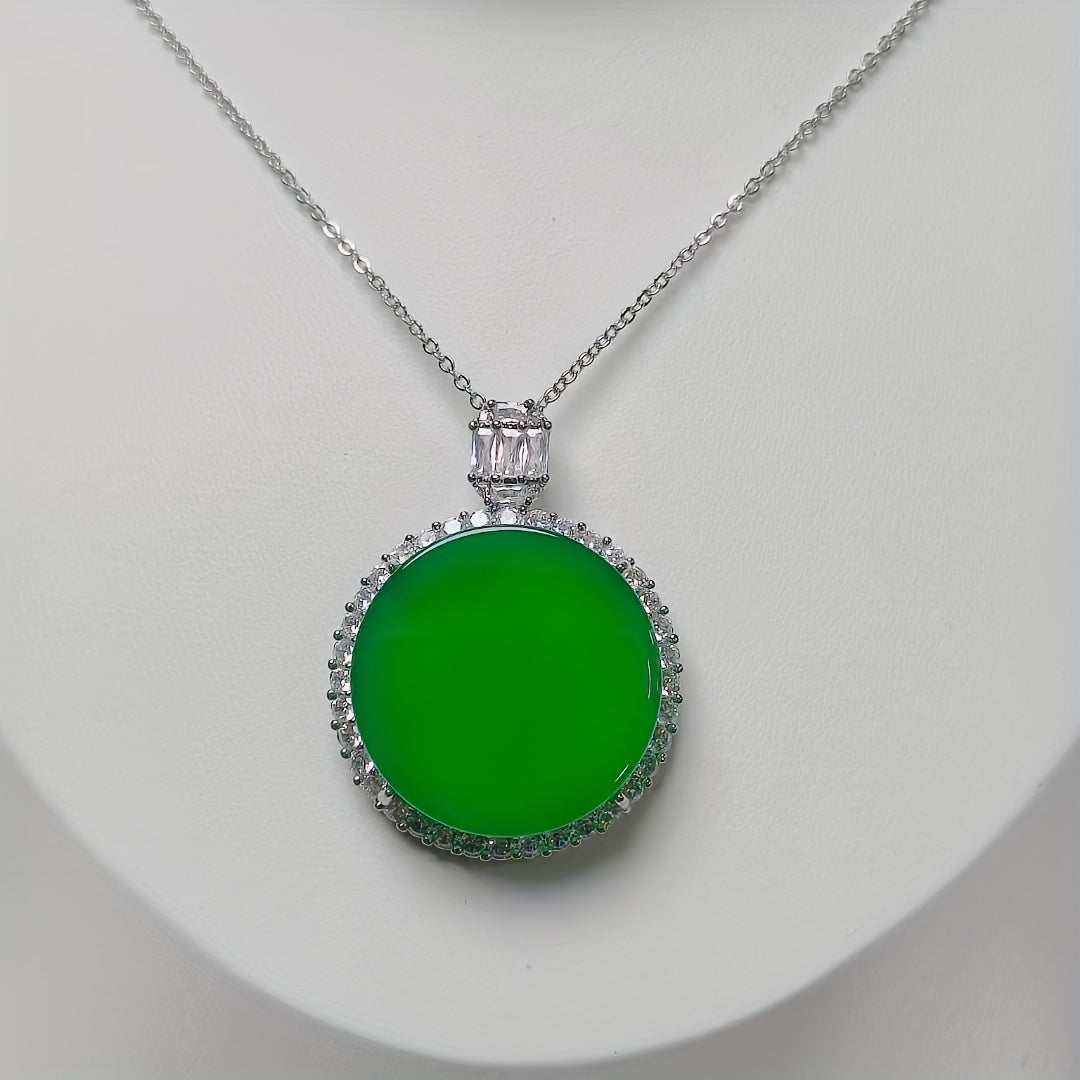
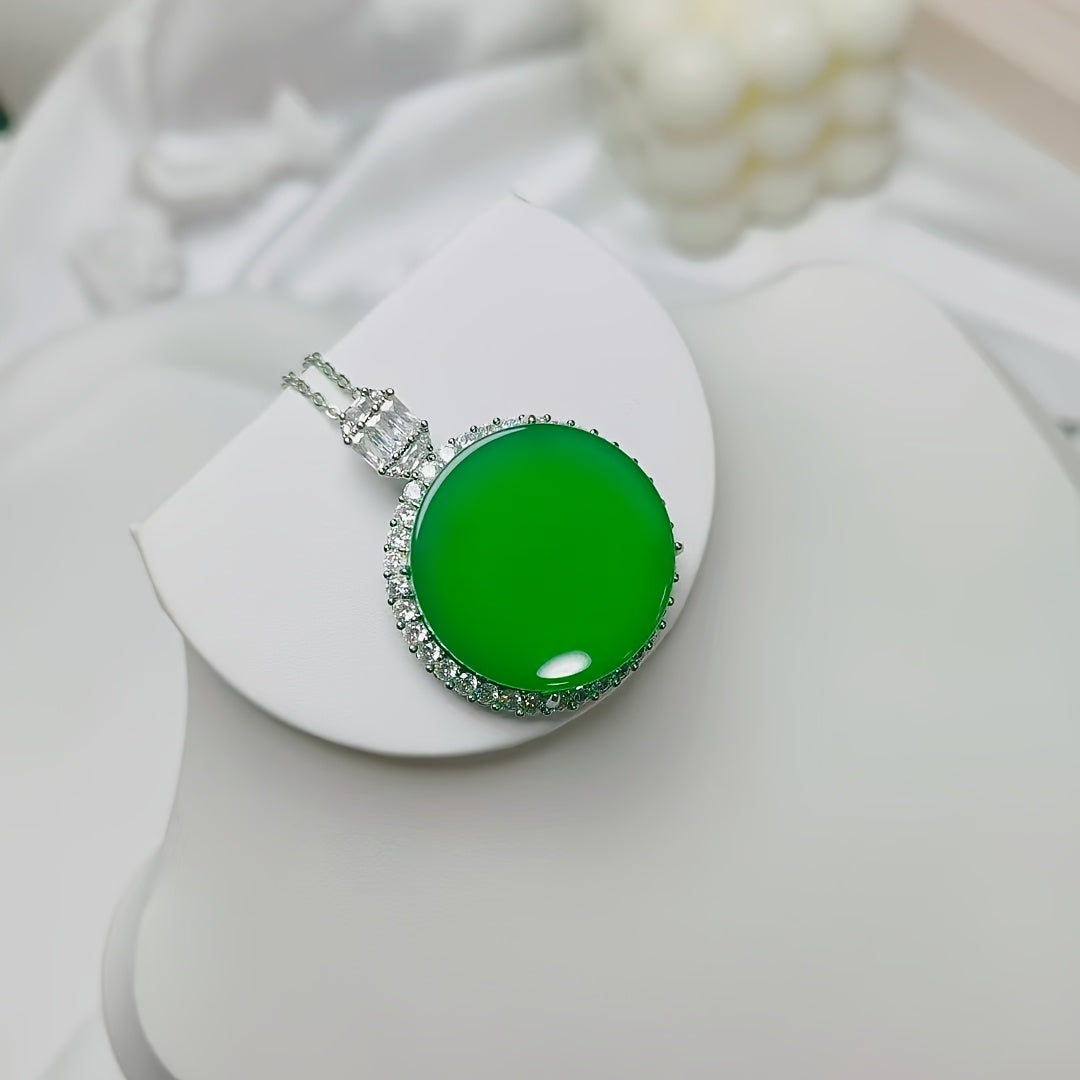
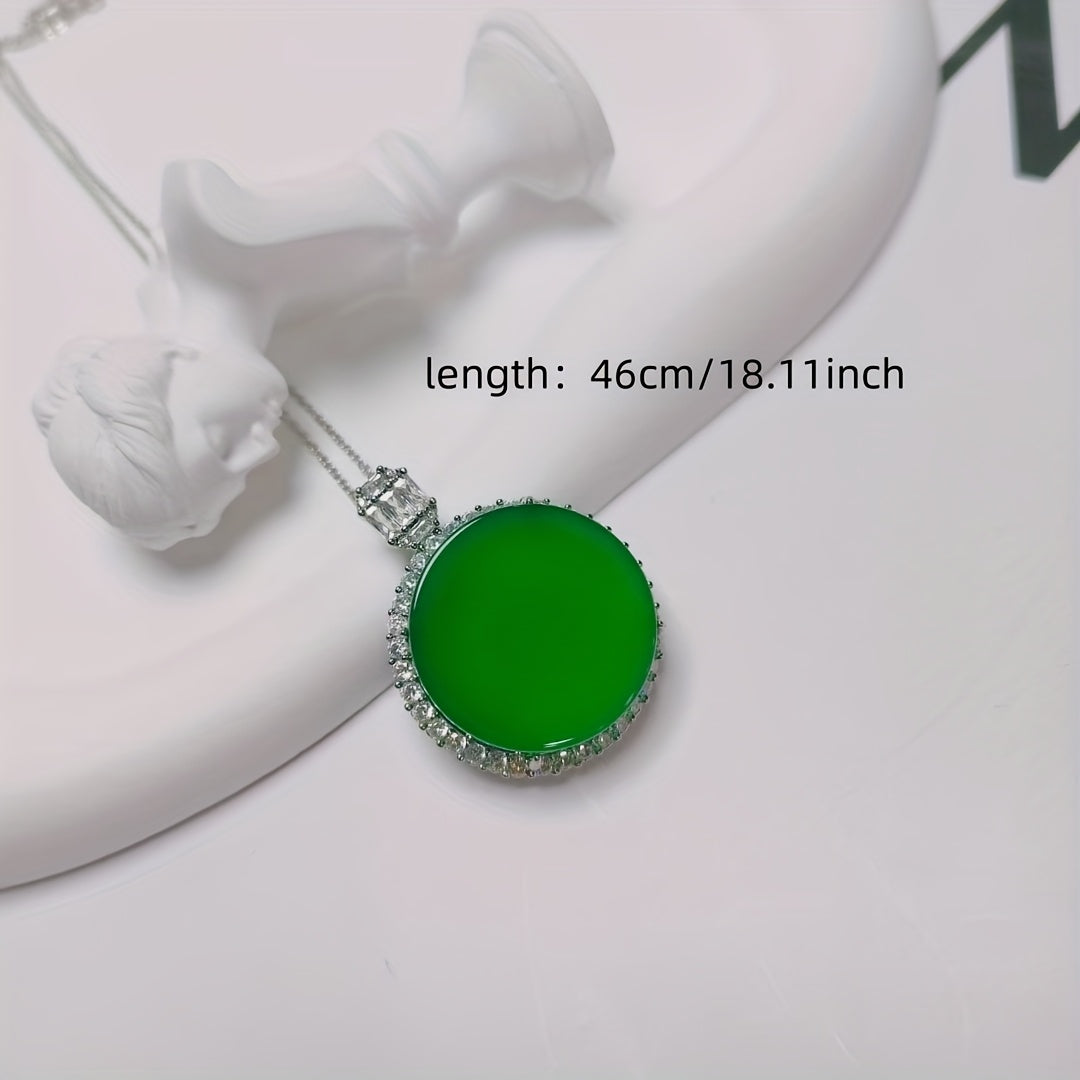
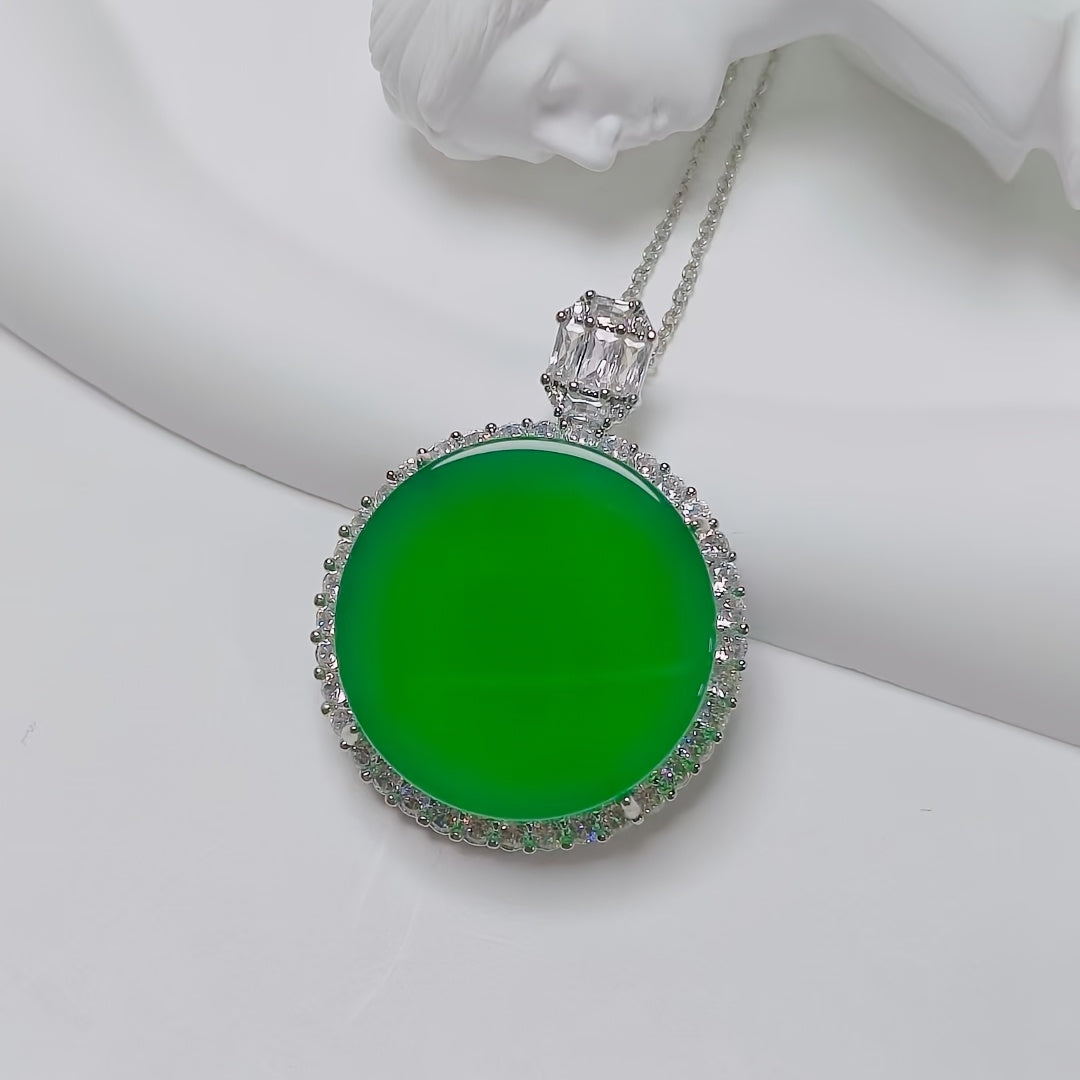
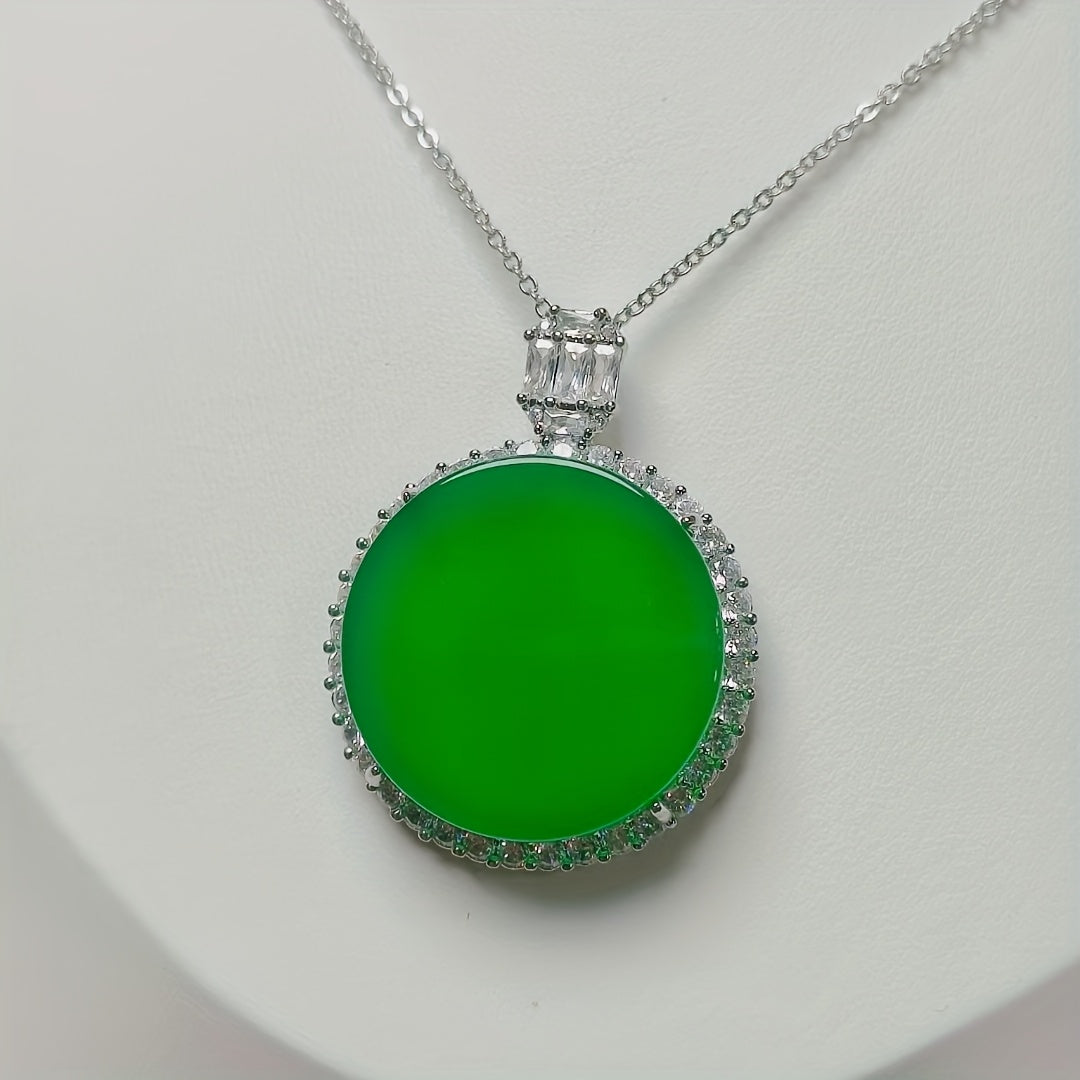
The modern man wearing a green agate pendant isn't simply decorating himself. He's participating in a ancient human practice of meaningful adornment while navigating contemporary complexities of identity, emotion, and spirituality. His jewelry might ground him during a stressful workday, remind him of personal growth, honor a relationship, or simply please his aesthetic sense—and crucially, these functions aren't seen as contradictory to masculinity but as expressions of its evolving complexity.
As we move forward, the most successful masculine jewelry will likely continue to bridge these realms: offering beauty with purpose, tradition with innovation, personal meaning with social connection. In doing so, it contributes to a broader cultural reimagining of masculinity itself—one that has room for strength and sensitivity, ambition and reflection, individuality and belonging, all expressed through the thoughtful choice of what we place upon our bodies as we move through the world.
The future of masculine jewelry isn't about men wearing more jewelry, but about jewelry meaning more to men—reclaiming an ancient human practice with contemporary consciousness, and in the process, perhaps helping to heal the artificial divides between adornment and identity, between beauty and strength, between the personal and the profound.