





Grounding Your Heart
I. From Theory to Body — Why Practice Matters
Understanding that your heart is a source of power is valuable. Living from that understanding is transformation.
The gap between knowing and living is where most spiritual understanding fails. We understand intellectually but continue to operate from old patterns because the nervous system has not been retrained.
Grounding your heart means training your body and nervous system to return to heart-centered presence, especially under pressure.
Why This Is Difficult for Men
For men raised with messaging that emotion is weakness, grounding the heart requires undoing decades of conditioning. The body has learned:
- When threatened, close the heart (tighten chest, restrict breath)
- When pressured, dissociate from feeling (leave the body)
- When vulnerable, defend (become rigid or aggressive)
- Authentic presence = exposure and weakness
Retraining the nervous system to remain open and grounded simultaneously feels counterintuitive. It feels unsafe initially. This is normal. Persistence is required.
The Three Anchors of Heart Grounding
Effective practice uses three coordinated anchors:
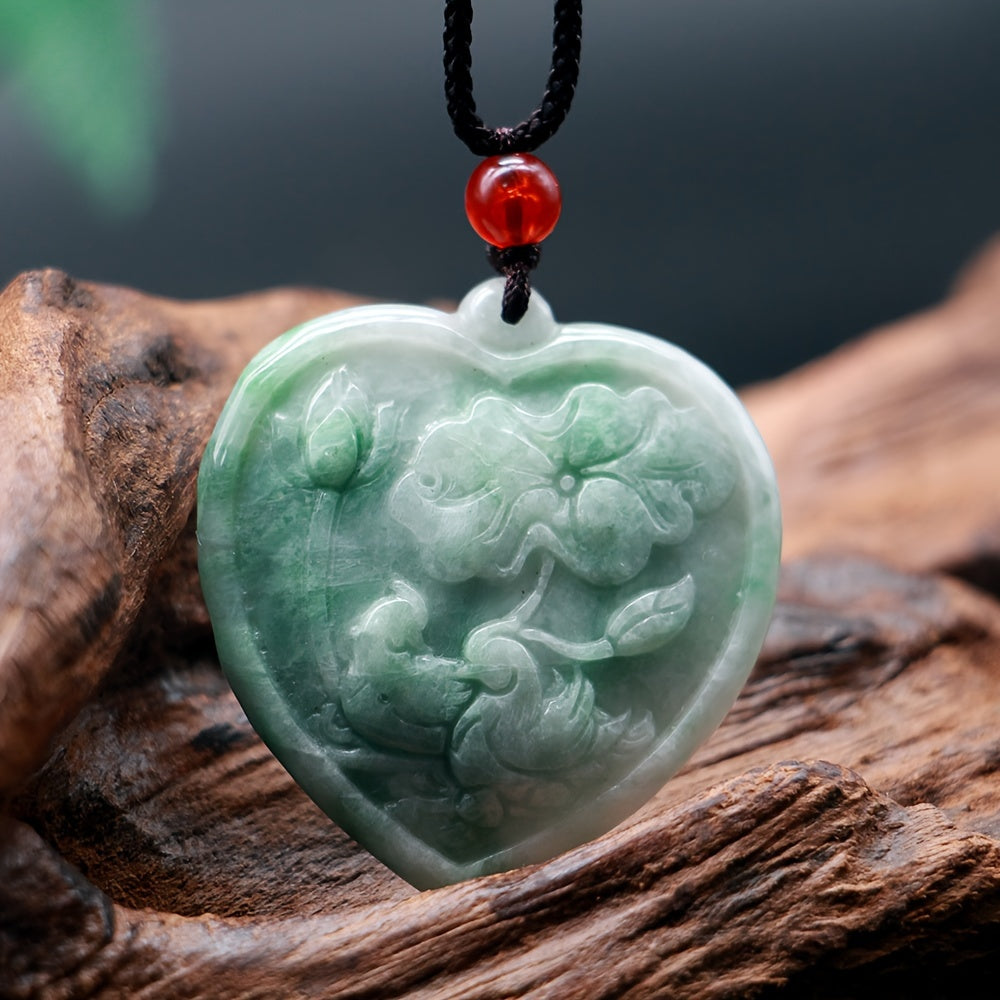
- Physical: A tangible object (like a jade heart) that your body learns to associate with safe presence
- Breath: A simple breathing pattern that signals to your nervous system: you are safe enough to remain open
- Intention: A clear statement of what you are choosing: I choose to remain present and open, even when uncomfortable
II. Daily Practice — Building the Habit
Heart grounding is not a special ritual. It is a simple practice woven into daily life. Consistency matters more than intensity.
Morning Grounding (2-3 minutes)
Upon waking, before engaging with demands:
- Sit upright or stand. Place hand over heart.
- Breathe slowly: 4 counts in, hold 4, exhale 6. Do this 5-10 times.
- Internal statement: "I meet this day with an open heart. I choose presence over defense."
- Put on the jade pendant (if wearing) with intention. Feel the coolness. Let it anchor you.
Midday Reset (30 seconds to 2 minutes)
When you notice stress, pressure, or closure arising:
- Pause. Touch your heart or the pendant if wearing it.
- Feel the moment of closure—acknowledge it without judgment.
- 3-5 slow breaths: in for 4, out for 6.
- Return to whatever you were doing, but from a grounded place.
Evening Reflection (3-5 minutes)
Before sleep, review the day:
- When did you close your heart? When did you defend instead of stay present?
- When did you remain grounded? When did presence feel possible?
- No judgment. Simple observation trains awareness.
- One intention for tomorrow: "I will notice the moment of closure and choose presence instead."
III. Advanced Practice — Grounding Under Pressure
Early practice is about building the habit in neutral moments. Advanced practice is using the tool when it is most difficult—precisely when you most need it.
When You Are Triggered
Difficult emotions arise: anger, fear, shame, grief. The old pattern is to close, defend, or numb. The new practice:
- Acknowledge the feeling. Don't bypass it. "Yes, I feel angry" is grounding. Resistance to the feeling is what closes the heart.
- Stay in your body. Difficult emotions create a tendency to dissociate. Keep your awareness in your physical form. Feel your feet on the ground, your back against support.
- Slow the breath. Long exhales activate the parasympathetic nervous system. This is not about calming down; it is about remaining present while feeling intensely.
- Touch the stone. The jade heart, if worn, becomes a signal: "You have chosen to stay open even in difficulty. This is what strength actually is."
In Difficult Conversations
When facing conflict or emotional vulnerability with others:
- Ground yourself first. You cannot remain present with another if you are contracted.
- Speak from your grounded heart, not from reaction.
- Listen from an open heart, not from defensiveness.
- The conversation becomes radically different. Truth can emerge when both people are present.
In Times of Major Transition
Change, loss, uncertainty all trigger the nervous system toward closure. Grounding practice becomes essential:
- Wear the pendant intentionally. Let it be a physical anchor in unstable times.
- Hold the stone more frequently. Your body needs additional signals: you will be okay even if things change.
- Return to breath. When the mind spirals into fear-based thinking, breath returns you to the present moment, which is always actually safe.
