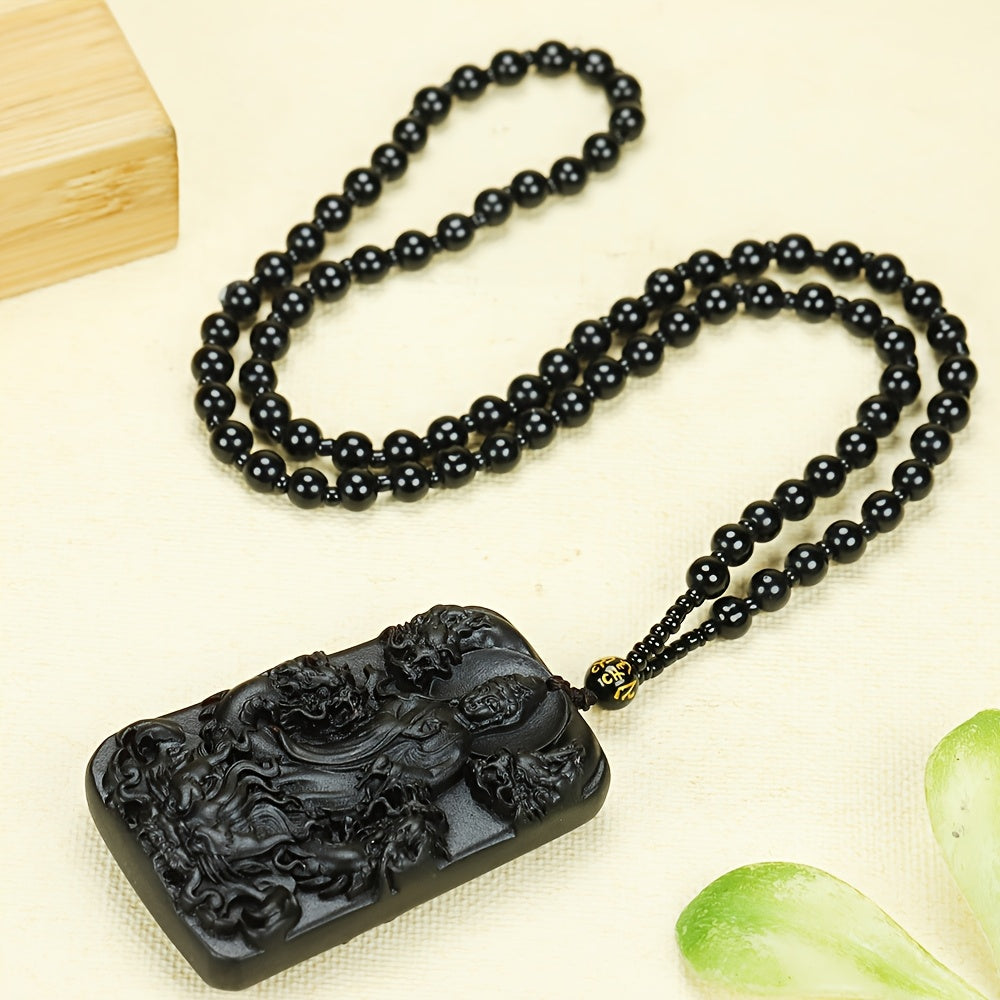


The Celestial Guardians: A Deep Dive into the Cultural and Symbolic Meaning of the Nine Dragons
Across the vast tapestry of world mythology, few symbols carry the weight, complexity, and enduring power of the dragon. In Western traditions, dragons often dwell as fearsome, treasure-hoarding beasts to be slain. But journey to the East, and the dragon transforms into a majestic, benevolent, and profoundly sacred entity. Among its most potent representations is the motif of the Nine Dragons (九龙 Jiǔ Lóng). This is not merely a decorative pattern; it is a dense cosmology, a political statement, a spiritual map, and a reservoir of cultural memory encoded in art. From the hallowed walls of the Forbidden City to the intimate space of a wearable pendant, the nine dragons continue to command awe and transmit their ancient power into the modern world.
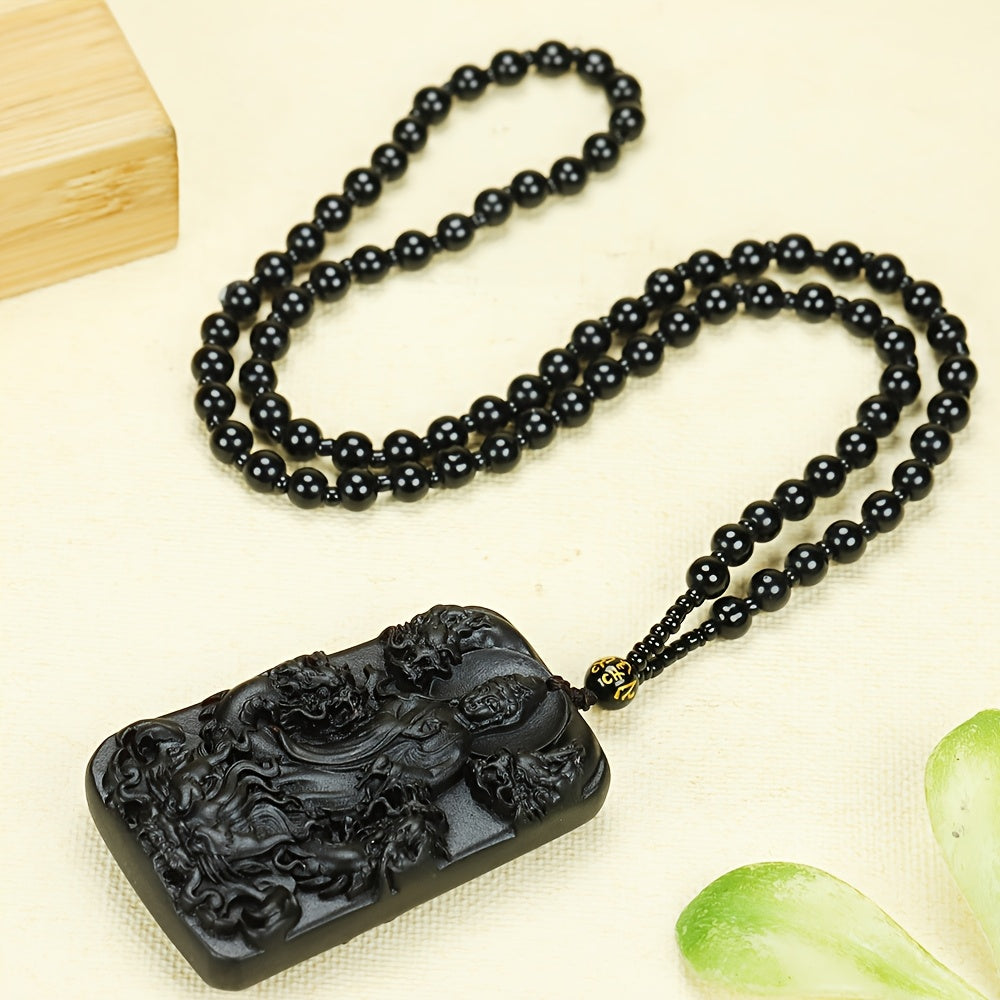
Mythological Origins: The Dragon in the Chinese Cosmos
To understand the nine, we must first understand the one. The Chinese dragon (Lóng) is a composite celestial being, a fusion of nine different animals: the horns of a deer, the head of a camel, the eyes of a demon, the neck of a snake, the belly of a clam, the scales of a carp, the claws of an eagle, the paws of a tiger, and the ears of a cow. This amalgamation signifies its dominion over all realms—earth, water, and sky. Unlike its fire-breathing Western counterpart, the Lóng is associated with water, clouds, rain, and rivers. It is the bringer of life-giving rain and thus, the ultimate symbol of agricultural abundance, prosperity, and benevolent authority.
The dragon's ascent to imperial symbolism began with the legendary Yellow Emperor, Huang Di, who was said to have been immortalized as a dragon. Subsequent emperors claimed the dragon as their exclusive emblem, their "true dragon sons of heaven." The dragon's body was mapped onto the imperial robe (long pao), its five claws (for the emperor; four for nobles) a strict visual hierarchy of power. The dragon became the dynamic force of the cosmos itself, embodying the masculine yang principle—active, creative, and ascending.
The Power of Nine: Numerology and Imperial Majesty
In Chinese numerology, numbers are far from neutral. Nine (九 jiǔ) is the largest single-digit odd number, making it the ultimate yang numeral. It is homophonous with the word for "everlasting" or "long-lasting" (久 jiǔ). This dual association with supremacy and eternity made it the imperial number par excellence. The Forbidden City is reputed to have 9,999 rooms. Imperial architecture features nine-beam structures, and rituals involved sets of nine.
Thus, the Nine Dragons motif represents the apex of this symbolic system. It is the maximum expression of celestial and imperial power, a complete set denoting perfection, omnipotence, and the emperor's mandate to rule all under heaven. The "Nine Dragon Wall," a famous glazed-tile screen found in Beijing and Datong, is a monumental public display of this ideology, designed to awe subjects and assert divine-right authority.

The Nine Sons of the Dragon: A Pantheon of Attributes
Beyond representing mere quantity, the nine dragons are often identified with the "Nine Sons of the Dragon" (Long Sheng Jiu Zi), a Ming Dynasty classification where each son possesses a distinct personality and role. This adds a layer of rich, individualized symbolism to the group:
- Bì’àn (狴犴): The dragon of justice, often depicted on court doors and prison gates, symbolizing law and fairness.
- Qiúniú (囚牛): A music-loving dragon, found adorning musical instruments like the huqin, representing artistic sensibility.
- Chīwěn (螭吻): The dragon that guards against fire, placed on roof ridges for protection.
- Púláo (蒲牢): The bell-loving dragon whose image is on bell handles, symbolizing a powerful voice.
- Suānní (狻猊): The lion-like dragon of tranquility, seen on incense burners and Buddha thrones.
- Bāxià (霸下): The strength-bearing turtle dragon, often shown carrying steles, symbolizing endurance.
- Yázì (睚眦): The dragon of vengeance and battle, engraved on sword grips, embodying martial power.
- Bìxì (赑屃): The calligraphy-loving dragon, associated with stone tablets and literature.
This pantheon transforms the motif from a monolithic symbol of power into a holistic system governing all aspects of a harmonious society—law, art, protection, communication, peace, stability, defense, and wisdom.
From Imperial Walls to Personal Talismans: The Democratization of a Symbol
Historically, the use of the dragon, especially the five-clawed variety, was fiercely restricted. Its appearance on anything not commissioned by the emperor was forbidden. The fall of the imperial system in 1911 began the process of the symbol's democratization. Today, while still deeply respected, the dragon motif is embraced in popular culture, business (as a symbol of success), and personal spirituality.
This shift is profound. Wearing a nine-dragon symbol today is less about claiming imperial authority and more about internalizing its attributes. It represents an individual's quest for personal mastery, protection, and prosperity. It's a way to connect with the archetypal energies of strength, wisdom, and transformation on a personal journey. Modern interpretations, like the color-changing pendant, add a layer of interactive personalization, allowing the symbol to literally "respond" to the wearer's energy, making the ancient mythos a participatory experience.
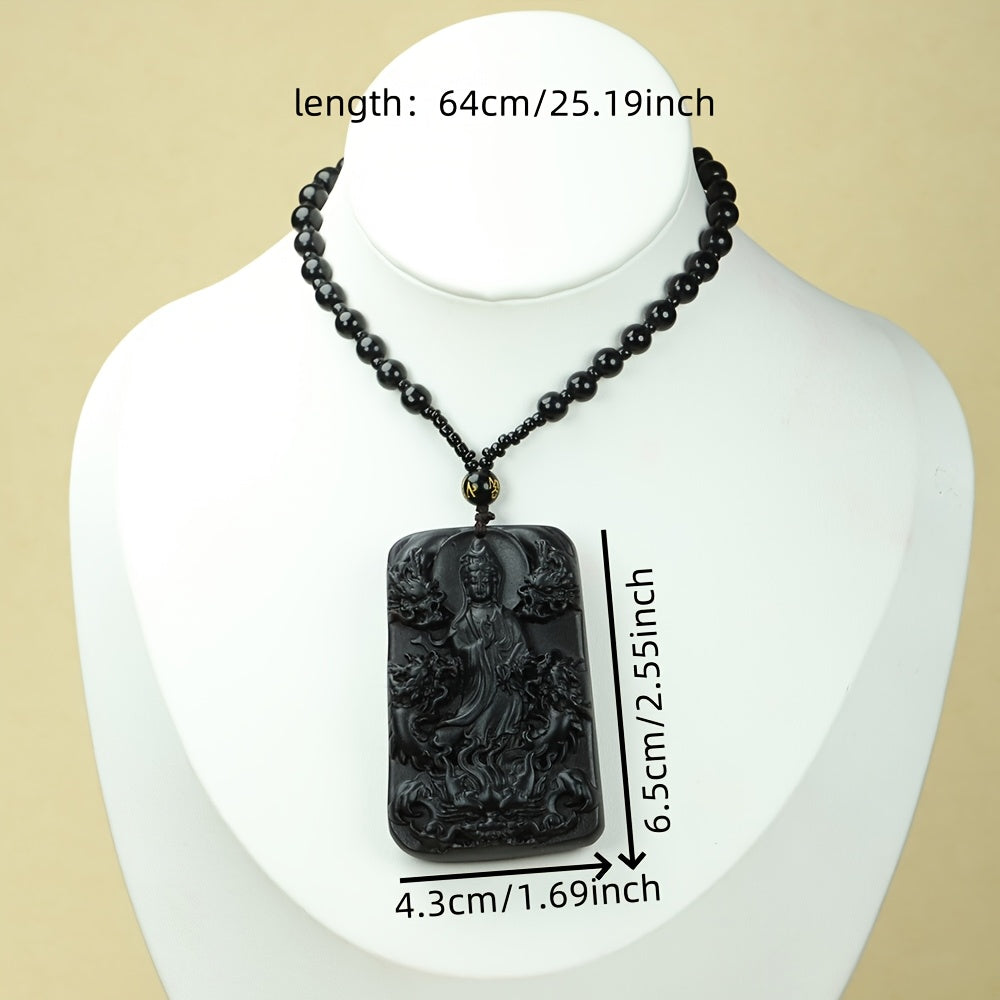
Artistic Interpretation and Aesthetic Evolution
The depiction of the nine dragons is a pinnacle of traditional Chinese art, requiring mastery of line, form, and composition. They are rarely shown static; they writhe, twist, and dive amidst clouds, waves, or flames, creating a dynamic, swirling composition that suggests endless motion and latent power. This reflects the Daoist concept of the universe in constant, flowing transformation.
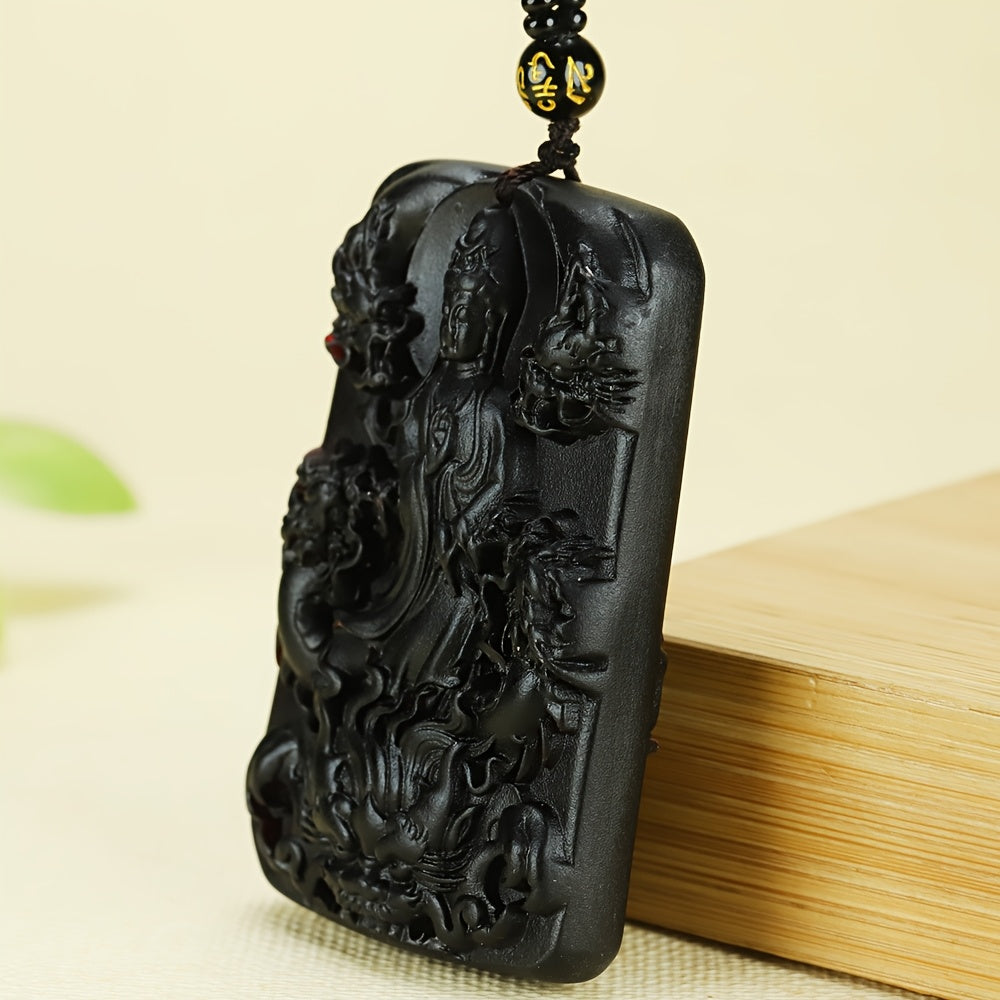
In contemporary jewelry and art, this aesthetic is adapted but the core principles remain. The double-sided carving on the pendant ensures this dynamism is omnipresent. The use of light-reactive materials is a groundbreaking artistic choice, introducing the element of time and interaction to the symbol. The art is no longer solely in the carving but in the experiential phenomenon of its change, bridging centuries-old technique with 21st-century material science.
Spiritual and Energetic Significance in Modern Wellness
In the realm of metaphysics and energy work, the nine-dragon symbol is a powerful tool. It is seen as a potent concentrator and transmitter of Yang Qi—the active, life-force energy. Practitioners believe it can:
- Stimulate the Flow of Qi: The dragon's sinuous form is a natural analog for the body's meridians. Meditating on the symbol is thought to help clear energetic blockages.
- Offer Psychic Protection: As a celestial guardian, its energy is believed to create a protective shield around the aura, deflecting negativity and environmental stressors.
- Enhance Ambition and Willpower: By connecting the wearer to the dragon's commanding and ambitious nature, it can bolster confidence, leadership, and the drive to achieve goals.
- Attract Prosperity: Through its ancient association with water (wealth in Feng Shui) and imperial abundance, it serves as a magnet for success and opportunity.
The double-sided feature amplifies this, creating a 360-degree energetic field. The color change adds a meditative focus: the conscious act of warming the pendant to see it turn red can be a ritual for "igniting" one's intentions or passion.
Market Perspective and Cultural Resonance
The global market for culturally significant and spiritually-themed jewelry is booming. The nine-dragon motif sits at a unique intersection: it is recognizably exotic and "Eastern" to Western audiences, yet deeply meaningful and sophisticated, moving beyond cliché. It appeals to:
- Cultural Connectors: Individuals of Chinese diaspora seeking a tangible link to heritage.
- Spiritual Seekers: Those interested in Eastern philosophies, meditation, and energy work, regardless of ethnicity.
- Collectors of Symbolism: Appreciators of art and mythology who value narrative depth in their possessions.
- The Fashion-Conscious: People looking for bold, conversation-starting pieces with a story.
Products that successfully marry authentic symbolism with high-quality, innovative design, like the interactive color-changing feature, command a premium and foster deep customer loyalty. They are purchased not just as accessories, but as investments in identity and personal narrative.
Expert Commentary and Future Outlook
Art historians and cultural critics note a fascinating trend: as the world becomes more digitally integrated, there is a countervailing hunger for tangible objects with soul, history, and symbolic weight. "The nine-dragon motif is undergoing a renaissance," notes contemporary art curator Elena Shaw. "It's being reinterpreted through modern lenses—minimalist lines, new materials, interactive tech. The core symbol is so strong it can withstand and even thrive on these reinterpretations, speaking to universal themes of power, protection, and transformation that resonate across cultures."
The future of this ancient symbol lies in continued dialogue between tradition and innovation. We can expect to see it integrated with smart technology, sustainable materials, and in virtual art spaces. However, its enduring power will always stem from its roots in a rich, centuries-old cosmology that views the universe as a living, interconnected, and powerfully charged landscape—a perspective increasingly relevant in our complex modern world.
Conclusion: The Eternal Dance of the Celestial Nine
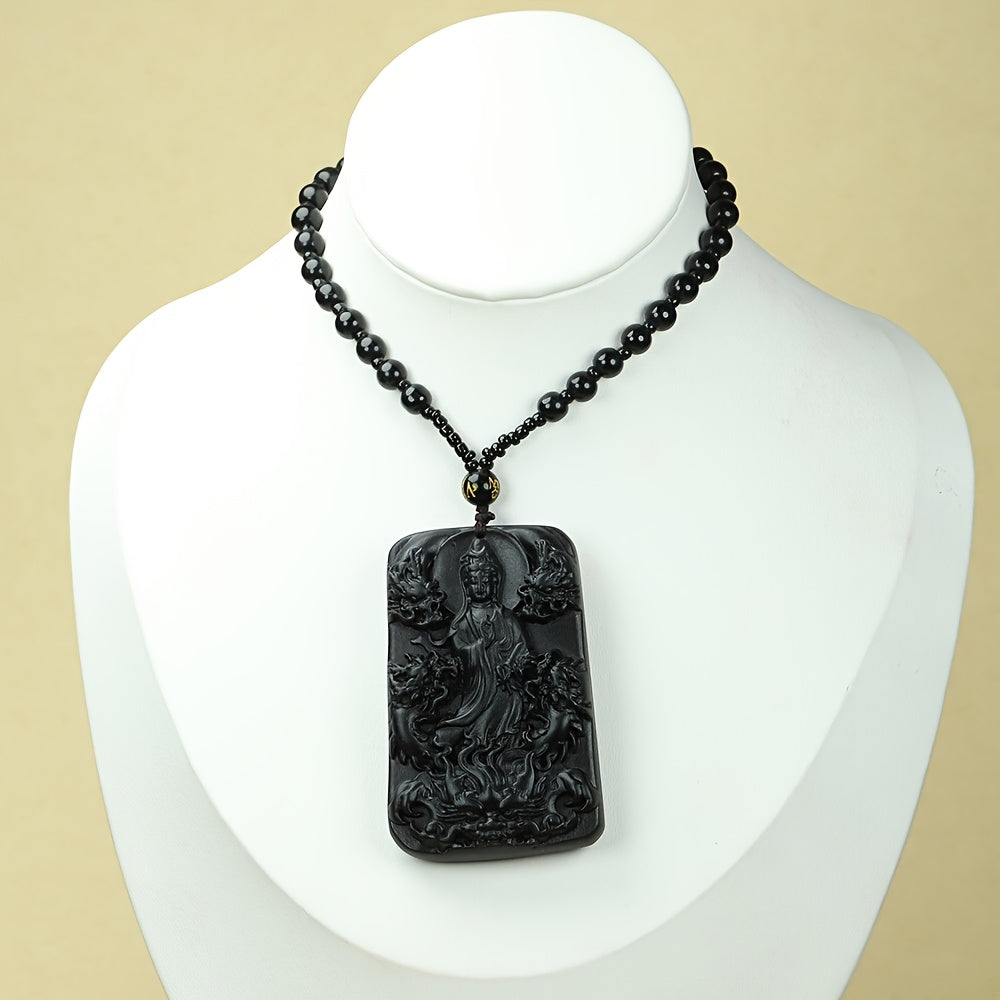
The journey of the nine dragons from the ridges of imperial palaces to the chests of modern individuals is a story of cultural adaptation and enduring symbolic power. It demonstrates how ancient archetypes can find new life and meaning in contemporary contexts. The Double-Sided Nine-Dragon Color-Changing Pendant is more than an object; it is a microcosm of this journey. It holds within it the majesty of imperial myth, the wisdom of Daoist philosophy, the artistry of centuries-old carving traditions, and the innovation of modern material science. It invites the wearer not just to observe a symbol, but to engage with it, to activate it, and in doing so, to connect with a timeless narrative of strength, resilience, and harmonious power. In a world seeking anchors of meaning, the celestial guardians continue their eternal dance, now as personal companions on the path to empowerment and enlightenment.