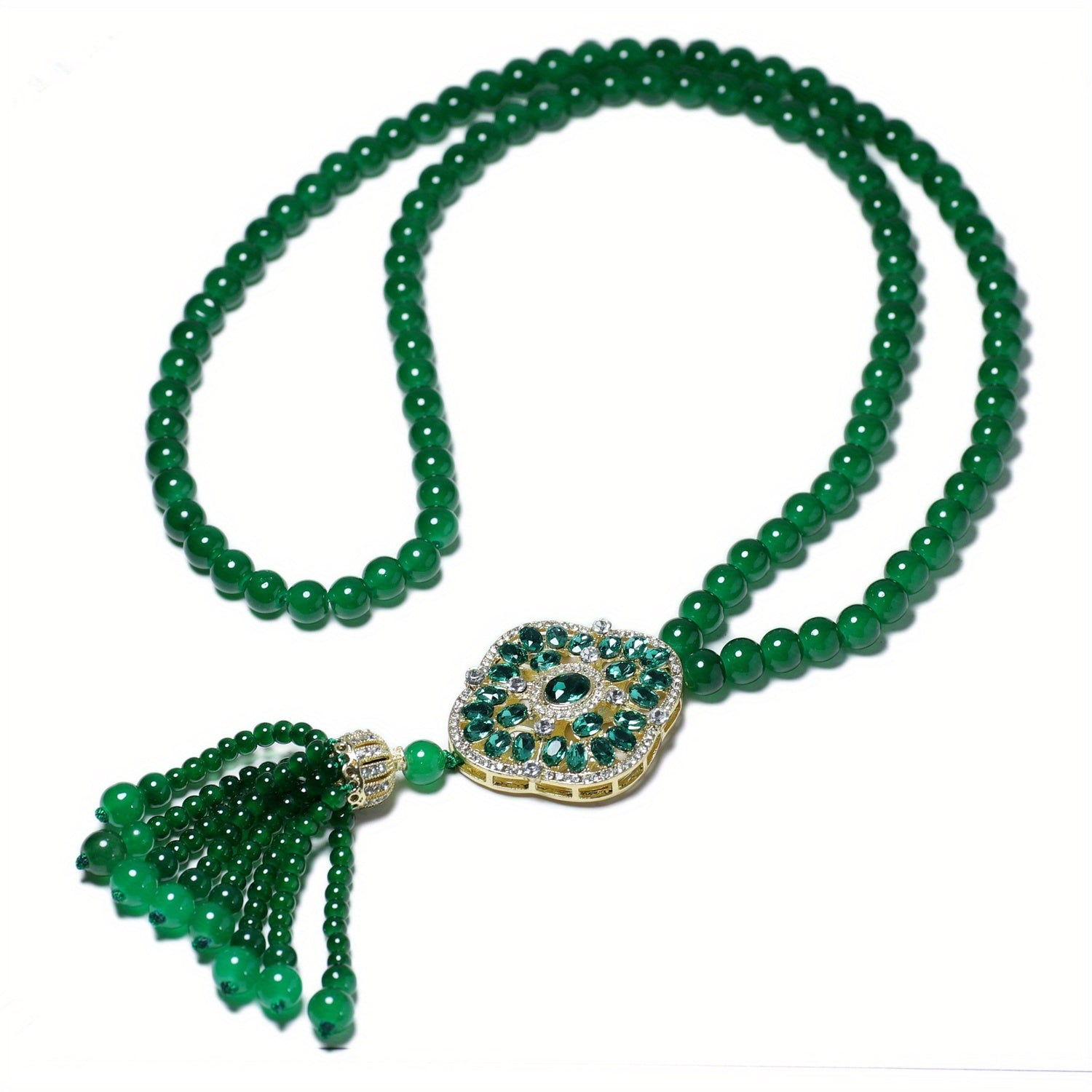


Fashion is a conversation across time. Today's trends are often tomorrow's nostalgia, but some motifs possess such profound cultural and aesthetic weight that they never truly disappear—they simply evolve, waiting for the right cultural moment to re-emerge with renewed relevance. The current revival of jade aesthetics and intricate floral pendants in mainstream and luxury jewelry is a perfect case study. Pieces like the Elegant Faux Jade Flower Pendant Necklace are not mere retro throwbacks; they are conscious participants in a much larger narrative. This resurgence speaks to contemporary desires for meaningful adornment, cross-cultural appreciation, and a connection to craftsmanship in a digital age. This article explores the historical roots of these symbols, the forces driving their comeback, and what their popularity reveals about our current fashion psyche.

Part I: The Imperial Roots – Jade and Flora as Symbols of Power and Virtue
To understand the modern revival, we must first pay homage to the origin stories. In China, jade (yu) has been venerated for over 8,000 years, long preceding the esteem for gold or diamonds. It was considered the "stone of heaven," a bridge between the mortal and divine realms. Confucius famously ascribed eleven virtues to jade, including benevolence, wisdom, and righteousness. Emperors were buried in jade suits to ensure immortality, and scholars carried jade tablets. Its cool touch and durability made it a metaphor for the ideal noble character: gentle yet unyielding.
Similarly, floral motifs in Chinese art were never merely decorative. The peony symbolized wealth, honor, and feminine beauty, often called the "king of flowers." The lotus, rising pristine from muddy water, represented purity, enlightenment, and rebirth. The chrysanthemum stood for longevity and nobility. These symbols were encoded into the textiles, porcelain, and, of course, the jewelry of the imperial courts, serving as a visual language of status, aspiration, and cosmic alignment.
Part II: The Modern Catalyst – Why Now?
Several intertwined cultural currents are fueling the present-day revival of these motifs.
1. The Search for Meaningful Consumption: In an era of fast fashion, consumers increasingly seek pieces with a story. Jewelry that references ancient symbols offers instant depth and a sense of connection to history and heritage, fulfilling a desire for authenticity and intentionality in what we wear.
2. The Rise of "Soft Power" and Global Aesthetics: The increased cultural and economic influence of East Asia has made its artistic heritage more visible and desirable globally. Designers and consumers alike are looking beyond traditional Western canons for inspiration, embracing a more cosmopolitan, fusion-oriented style.
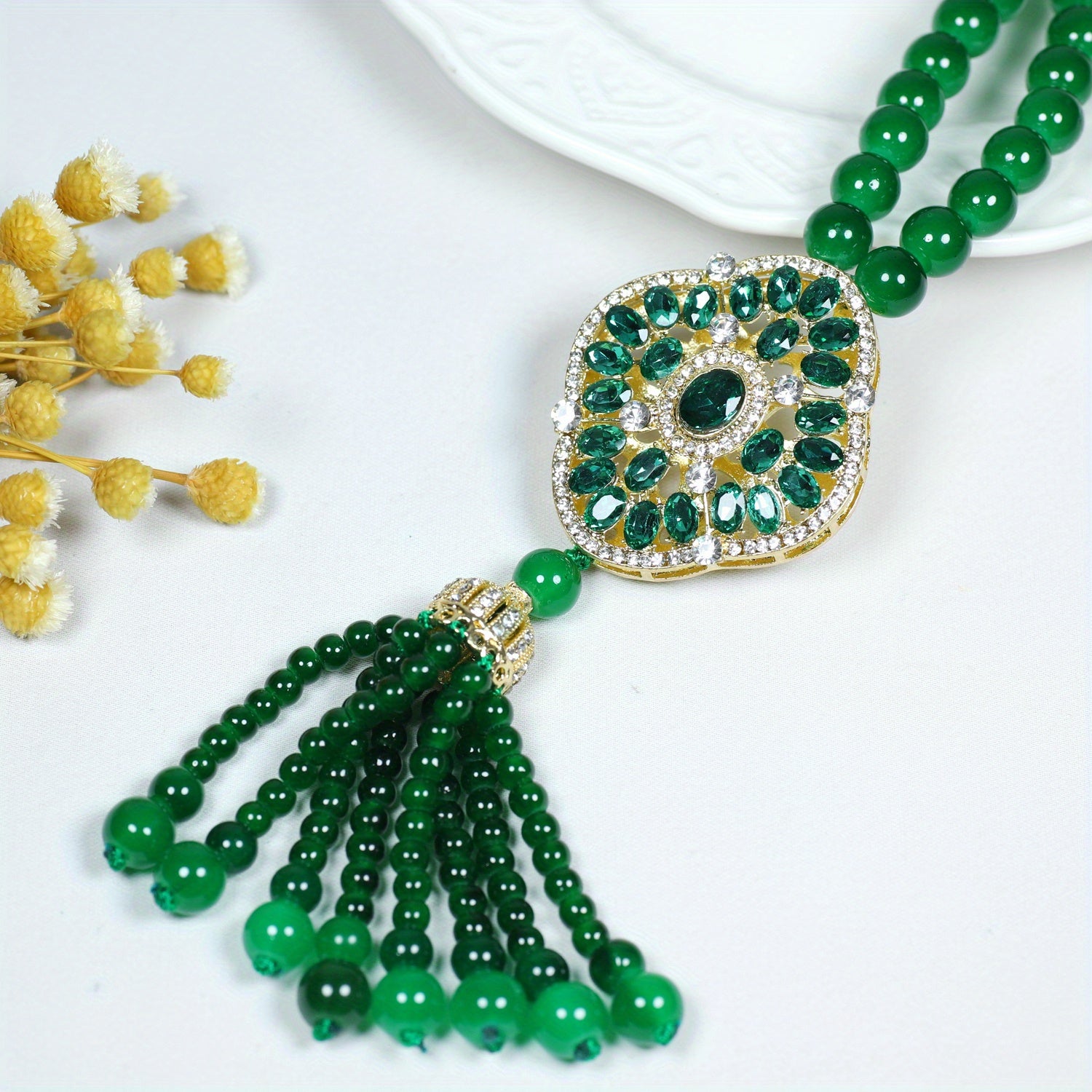
3. The Nostalgia for Craft and Detail: The digital age has created a counter-craving for tactile beauty and intricate craftsmanship. The detailed metalwork surrounding a faux jade flower, the carefully carved petals, the movement of a tassel—these elements satisfy a hunger for the artisanal in a mass-produced world.
4. Gender-Fluid and Maximalist Trends: Contemporary fashion embraces bold statement pieces that blur traditional gender lines. A substantial, symbolically rich necklace fits perfectly into the maximalist trend, allowing for personal expression that is both decorative and declarative.
Part III: From Literal to Interpretive – The Role of "Faux" and Stylistic Fusion
The use of "faux jade" is particularly telling. It democratizes a symbol that was once exclusively for the elite. It also reflects a contemporary, ethical stance—avoiding the environmental and ethical concerns sometimes associated with mining while still honoring the aesthetic and symbolic power of the material. This shift from literal to interpretive is key: the value lies in the design language and the conveyed meaning, not solely in the intrinsic value of the raw material.
Furthermore, modern pieces like our featured necklace don't slavishly copy antique forms. They fuse them. The green stone and flower nod to Ming dynasty hairpins, but the clean lines of the metal setting might recall Art Deco geometry. The tassel adds a bohemian or 1970s glamour touch. This fusion creates something new—a piece that feels both timeless and of-the-moment, capable of being styled with a traditional qipao or a modern tailored suit.
Part IV: The New Semiotics – What Wearing These Symbols Communicates Today
When someone chooses to wear a jade floral pendant today, what are they saying? The semiotics have evolved from their imperial origins:
- Cultured and Worldly: It signals an appreciation for global art history and an awareness beyond Western-centric design.
- Intentionally Elegant: It suggests a preference for considered, symbolic adornment over fleeting trends.
- Empowered and Graceful: The flower symbolizes personal blooming; the jade, inner strength and balance. Together, they project a confidence rooted in self-awareness.
- Connected to Ceremony: Wearing such a piece to a wedding or gala honors the significance of the event, marking it as special through intentional attire.
Conclusion: The Blossoming Legacy
The journey of the jade flower from an imperial seal of authority to a contemporary fashion statement is a testament to the enduring power of beautiful symbolism. Its current revival is not a superficial trend but a meaningful dialogue between past and present. It answers a modern yearning for depth, craftsmanship, and global consciousness in our personal adornment.
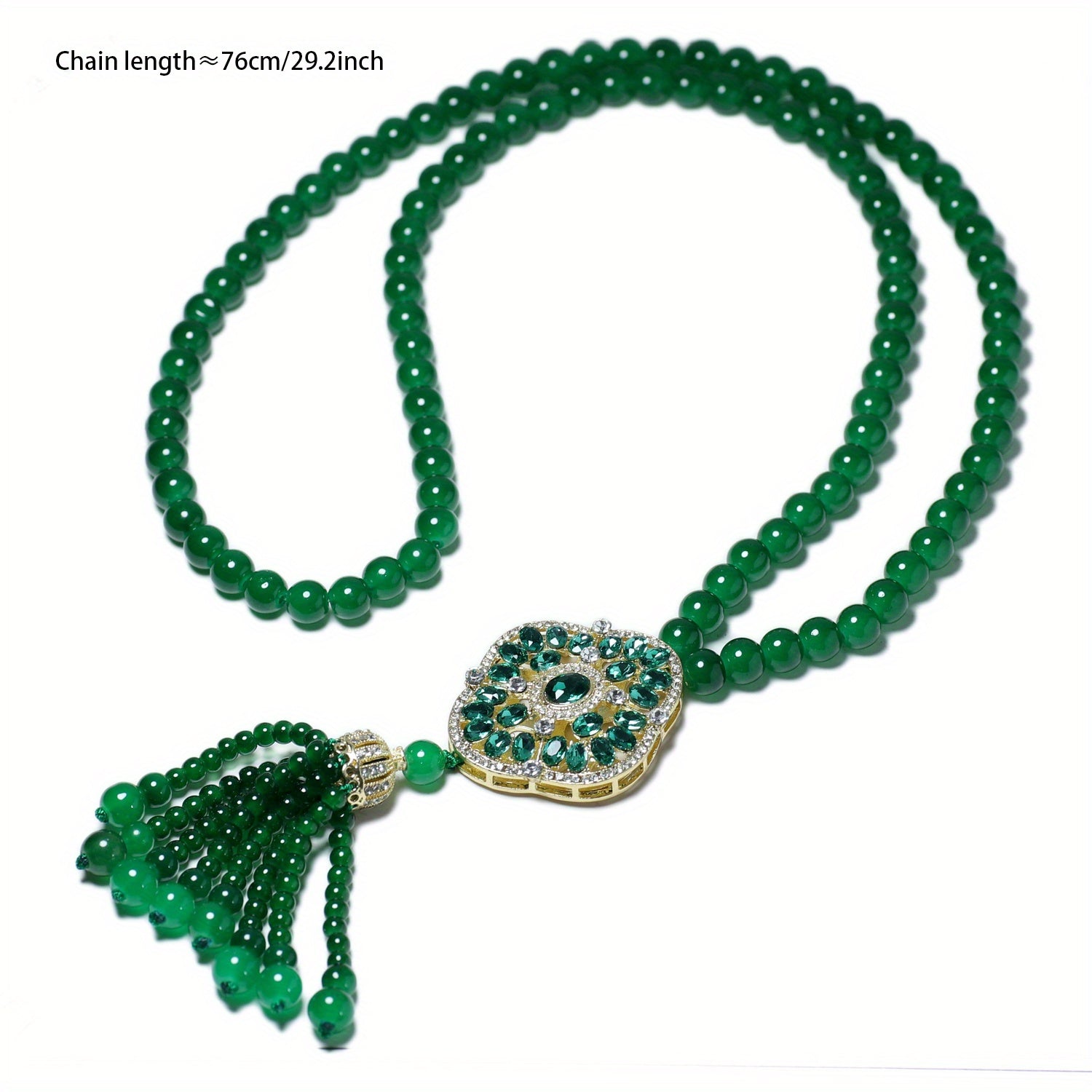
Pieces like the Elegant Faux Jade Flower Pendant Necklace are more than accessories; they are conduits. They allow the wearer to carry a fragment of an ancient, poetic language into their daily life, to participate in a story of harmony, growth, and refined beauty that transcends time and geography. In choosing to wear this revived symbol, we do not just dress our bodies; we align ourselves with a lineage of elegance and intention, proving that some blossoms, nurtured by culture and meaning, are truly perennial.