





In an era marked by economic uncertainty, environmental concern, and spiritual seeking, a particular category of jewelry has emerged as both aesthetic statement and philosophical tool: stones of earthly abundance. Among these, green agate holds a special place—not as the flashiest or rarest gem, but as what might be called an "everyday abundance stone." This article explores how jewelry featuring this humble yet powerful mineral serves as a bridge between ancient earth wisdom, modern psychology of prosperity, and sustainable fashion principles, creating wearable tools for cultivating what we might call "abundance consciousness."
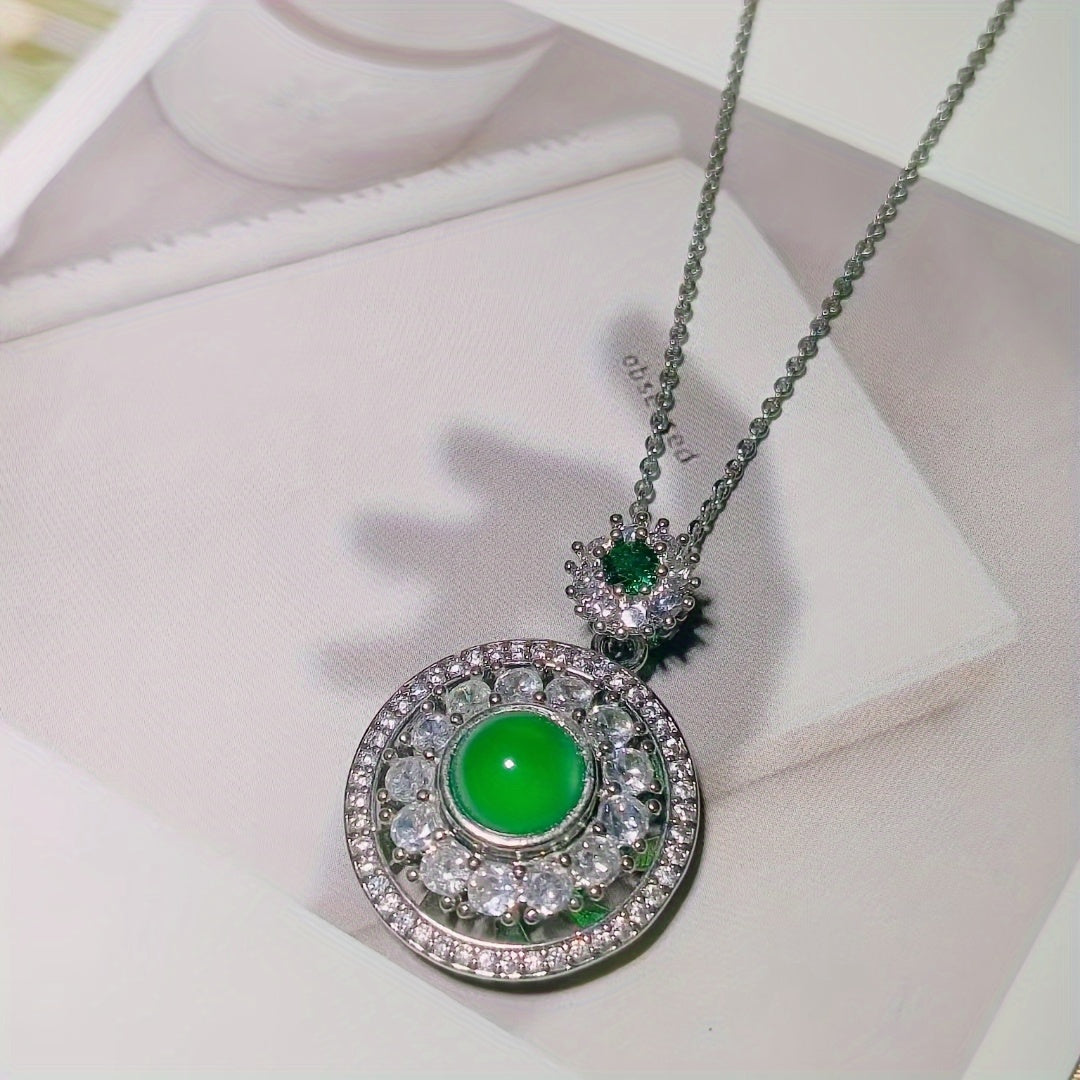
I. Geological Poetry: The Unique Design Language of Banded Stone
Green agate speaks a visual language written by geological time. Each band in an agate represents a different phase of mineral deposition, often spanning thousands of years. These bands are not merely decorative; they're chronological records of environmental conditions, mineral concentrations, and the patient work of silica-rich waters seeping through rock cavities. When we wear green agate jewelry, we're wearing captured time—a reminder that abundance, like geological formation, often happens in layers and stages, not instantaneously.
Contemporary designers working with green agate face an interesting challenge: how to honor this natural narrative while creating pieces suited to modern aesthetics. The solution often lies in minimalist settings that frame rather than compete with the stone's natural patterns. Simple bezels, unadorned bails, and clean chains allow the agate's story to remain the focal point. This design approach reflects a broader cultural shift toward authenticity—valuing the imperfect beauty of natural patterns over the sterile perfection of synthetic materials.
II. Material & Craftsmanship: From Earth's Depths to Delicate Adornment
The Science of Silica Beauty
Agate is a variety of chalcedony, which itself is a microcrystalline form of quartz. What makes agate distinct is its banded structure, created through rhythmic crystallization in rock cavities. The green coloration typically comes from chlorite or other mineral inclusions trapped during formation. Unlike dyed stones, natural green agate displays color variations and translucency that reveal its authentic geological origins.
From a materials science perspective, agate is remarkably suitable for jewelry. Its hardness (6.5-7 on the Mohs scale) makes it durable enough for daily wear, while its lack of cleavage means it's less likely to fracture from impact. The stone takes an excellent polish, revealing the waxy luster characteristic of chalcedony minerals. These practical properties, combined with its aesthetic appeal, explain why agate has been used in adornment for millennia—from Neolithic amulets to Victorian cameos to contemporary minimalist pendants.
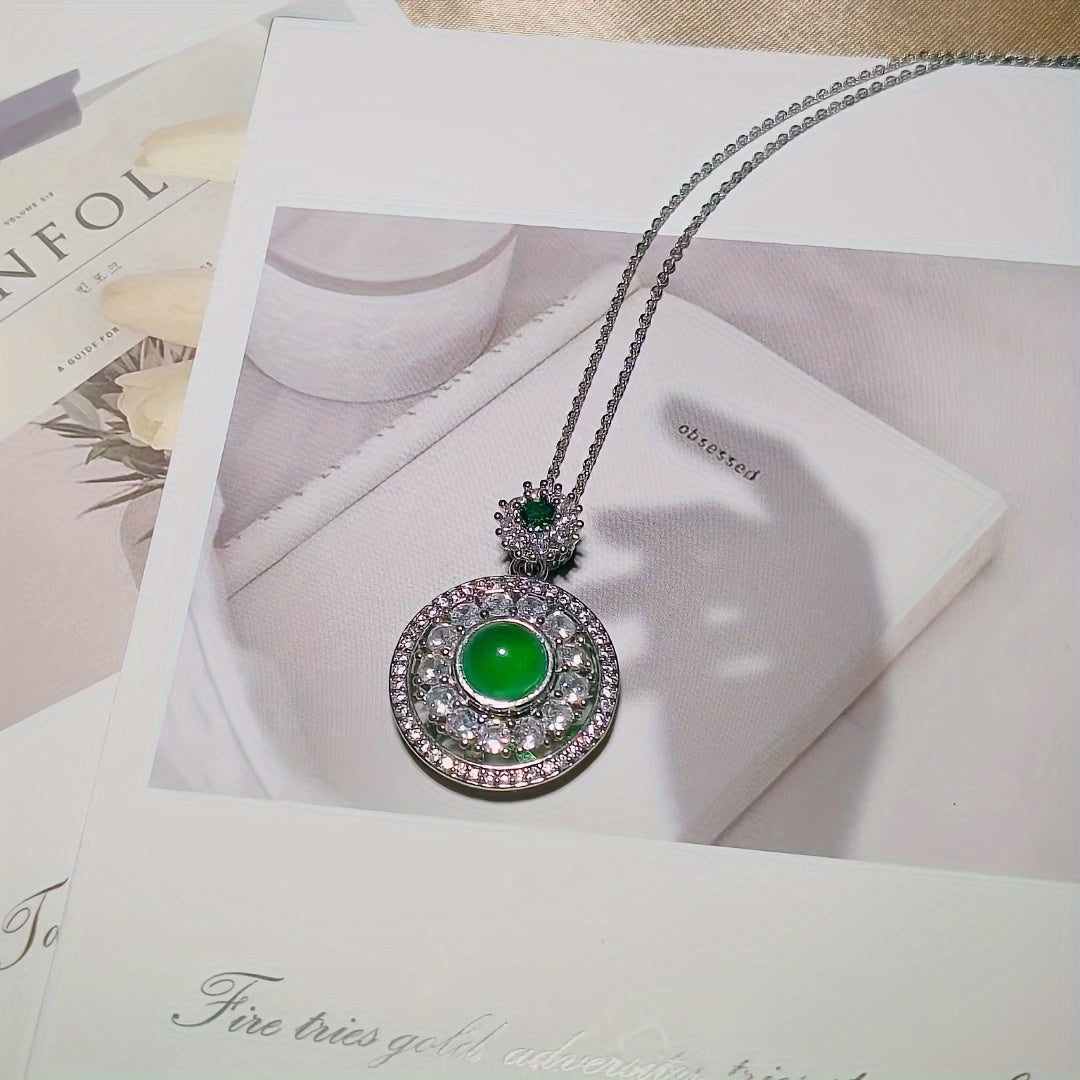
Technical Craftsmanship: Honoring Earth's Artistry
Transforming raw agate into jewelry requires specialized lapidary skills. Because of its banded structure and potential hidden fractures, agate must be cut with precision and care. Modern craftsmen use diamond-tipped saws for initial cutting, followed by grinding wheels of decreasing grit size for shaping. The final polish—achieved with cerium oxide or tin oxide on felt wheels—brings out the stone's natural translucency and reveals the full beauty of its banding.
An important ethical consideration in agate jewelry is the distinction between natural and treated stones. While some commercial agate is dyed vibrant colors, authentic green agate jewelry uses stones with natural coloration. This commitment to authenticity matters both aesthetically (natural colors have more depth and variation) and energetically (many believe natural stones retain their full earth-derived vibrational qualities). The craftsmanship thus becomes an act of collaboration with the material—revealing rather than imposing beauty.
III. Cultural & Symbolic Meaning: The Green Thread Through History
The symbolism of green agate weaves through numerous cultures and eras. In Ancient Mesopotamia, agate was carved into cylinder seals used to authenticate documents—an early association with security and value. Greek and Roman civilizations believed agate could make the wearer both agreeable and persuasive, linking it to favorable social and business outcomes. During the Renaissance, agate's ability to be carved into intricate cameos made it a favorite for depicting pastoral scenes and mythological themes of fertility and abundance.
The specific association of green stones with prosperity appears cross-culturally. In Chinese tradition, green jade represents wisdom, harmony, and good fortune. In many Indigenous American traditions, green stones are connected to Mother Earth's abundance. Western alchemy associated green with Venus and the heart—connections to both love and material blessings. Green agate jewelry thus carries this accumulated symbolic heritage, offering wearers a tangible connection to humanity's long-standing recognition of green as the color of growth, life, and prosperity.
"In psychological terms, wearing a green stone isn't magic—it's a form of cognitive priming. The color green has been shown to stimulate feelings of safety and growth. When combined with the intentionality of choosing a 'prosperity stone,' it creates a powerful feedback loop that can genuinely shift mindset and behavior toward abundance." — Dr. Elena Rodriguez, Environmental Psychologist.
IV. Historical Background: From Practical Talisman to Spiritual Tool
The historical journey of agate reveals its evolution from practical tool to spiritual companion. Early humans likely first valued agate for its utility—its hardness made it suitable for tools and weapons. As civilization developed, its beauty led to ornamental use. The ancient world saw agate as protective; Roman farmers hung agate in their fields to ensure good crops, while soldiers carried it for courage and victory.
Agate first used in Mesopotamia for seals and amulets, establishing early associations with security and identity.
Greek philosopher Theophrastus names the stone "achates" after the river where it was found, documenting early beliefs in its protective qualities.
Agate becomes associated with divine favor and protection against storms and poisoning, worn by nobility and clergy.
Agate jewelry experiences a revival as part of the geological craze, with cameos and mourning jewelry featuring banded agates.
Green agate re-emerges as a stone of abundance and heart healing within the mindfulness and crystal healing movements.
V. Artistic & Aesthetic Interpretation: The Quiet Beauty of Earth Tones
In contemporary jewelry design, green agate represents what might be called the "quiet luxury" of natural materials. Unlike the dramatic sparkle of diamonds or the intense color of rubies, agate offers subtle, complex beauty that reveals itself upon closer inspection. This aligns with current aesthetic trends toward understatement, authenticity, and connection to nature.
Artistically, green agate presents both opportunities and challenges. Its banding can be incorporated into designs through strategic cutting—slicing perpendicular to bands creates concentric circles, while slicing parallel creates linear stripes. Designers must work with, not against, the stone's natural structure. The resulting pieces often feel both organic and intentional—a balance that resonates with modern consumers seeking both natural beauty and thoughtful design.
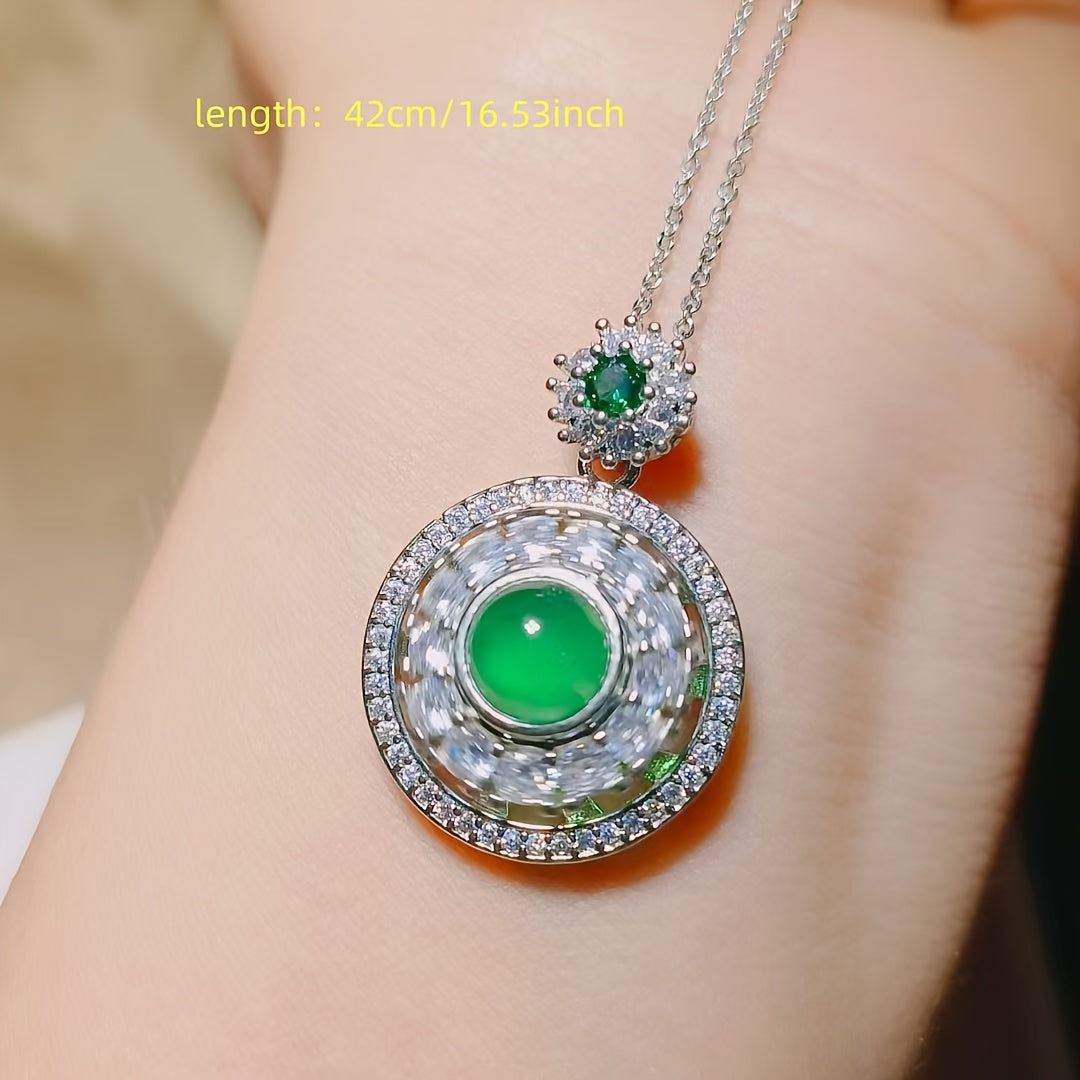
VI. Emotional & Social Significance: Jewelry as Mindset Tool
On an emotional level, green agate jewelry functions as what psychologists might call an "externalized locus of control" for abundance mindset. By wearing a stone associated with prosperity, individuals create a tangible reminder of their intention to attract positive circumstances. This isn't magical thinking but rather a form of cognitive behavioral tool—the pendant serves as a prompt for abundance-focused thoughts and actions throughout the day.
Socially, such jewelry occupies an interesting space. It's subtle enough to be workplace-appropriate while potentially serving as a conversation starter about mindfulness, sustainability, or personal values. In a culture increasingly focused on intentional living, wearing a stone with symbolic meaning can signal alignment with values of consciousness, connection to nature, and holistic well-being. It becomes part of personal branding—not in a commercial sense, but in communicating one's philosophical approach to life.
The Neuroscience of Symbolic Jewelry
Recent research in neuroscience offers insight into why symbolic jewelry like green agate pendants might have real psychological effects:
Associative Learning: The brain forms strong associations between objects and emotional states. A pendant worn during positive experiences can become conditioned to trigger similar feelings.
Priming Effects: Visual exposure to green (associated with growth and safety) can prime the brain for more abundant thinking patterns.
Haptic Feedback: The tactile experience of touching a smooth stone pendant can activate the parasympathetic nervous system, reducing stress and creating emotional space for abundance consciousness.
VII. Market Perspective & Future Outlook
The market for intentional jewelry featuring stones like green agate is part of several converging trends: the wellness industry's expansion into everyday products, growing consumer interest in sustainability and authenticity, and the mainstreaming of mindfulness practices. According to market analyses, this segment has shown consistent growth even during economic downturns, suggesting it's viewed by consumers as meaningful rather than discretionary spending.
Looking forward, several developments seem likely:
- Increased Transparency: Consumers will demand more information about sourcing, with preference for ethically mined stones and transparent supply chains.
- Scientific Integration: We may see collaborations between jewelers and psychologists to create jewelry specifically designed to support mental habits like gratitude and abundance thinking.
- Technological Enhancement: While maintaining natural materials, designers might incorporate subtle technology for biofeedback or intention reinforcement.
- Circular Design: More brands will offer recycling or stone replacement programs, extending the life of jewelry settings while allowing stones to be refreshed or repurposed.
VIII. Environmental Sustainability & Social Impact
Natural stone jewelry exists in a complex relationship with environmental sustainability. On one hand, mining has ecological impacts. On the other, natural stones are inherently more sustainable than plastics or heavily processed synthetic materials. Green agate offers particular advantages in this regard:
Relative Abundance: As a form of quartz, agate is one of Earth's most common minerals, reducing pressure on rare gemstone sources.
Durability: Properly cared for, agate jewelry can last generations, contrasting sharply with fast fashion accessories designed for temporary use.
Low Processing Energy: Compared to stones requiring heat treatment or extensive enhancement, quality agate requires minimal processing beyond cutting and polishing.
The social impact extends to supporting traditional lapidary arts and small-scale mining communities when sourced ethically. Each piece represents not just geological time but human skill, cultural continuity, and the possibility of responsible material sourcing in an industry often criticized for its practices.
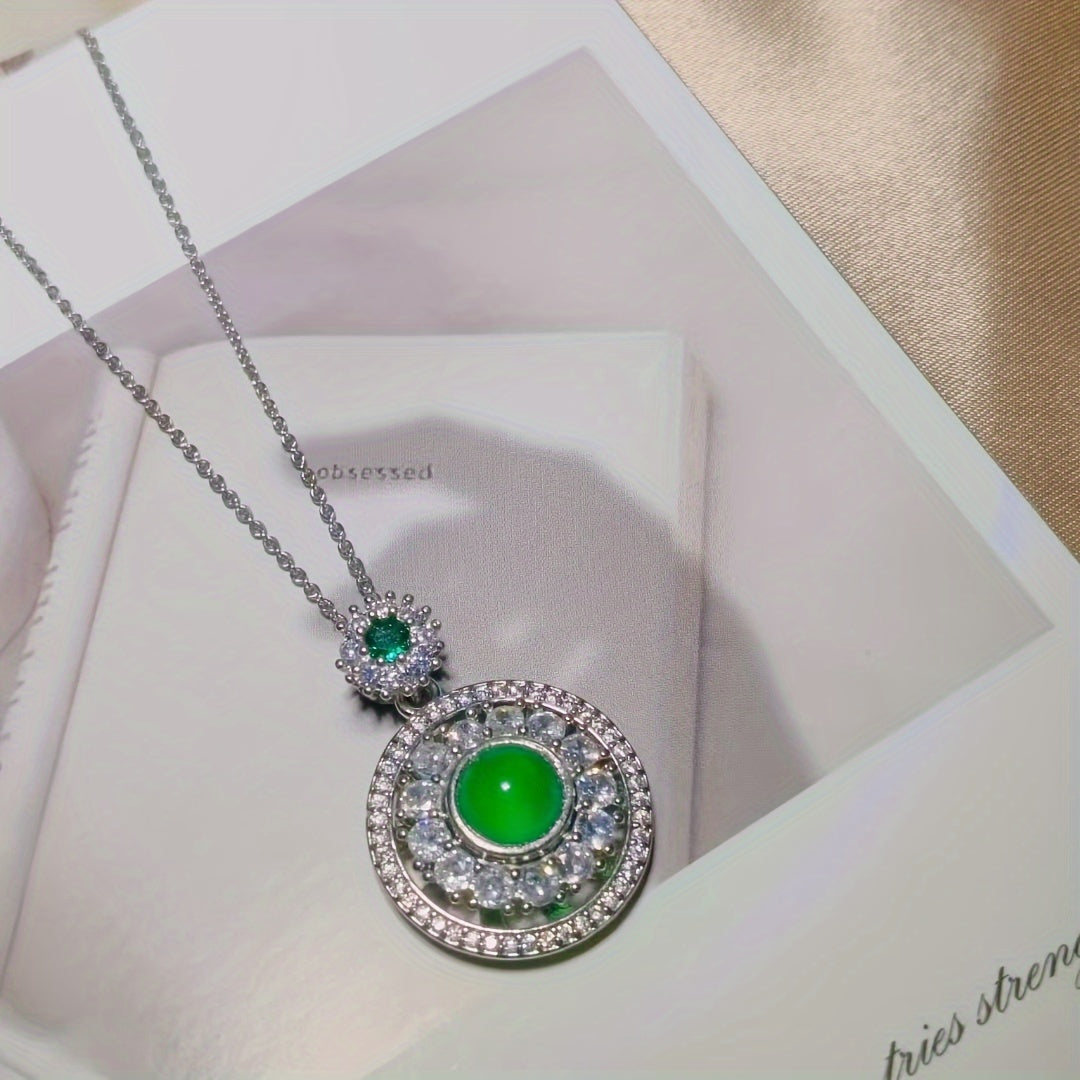
IX. Conclusion: Cultivating Abundance as Daily Practice
Green agate jewelry represents more than a beautiful accessory—it's part of a growing movement toward intentional adornment. In wearing such pieces, individuals participate in ancient human traditions of using stones as connectors to earth's energy while applying modern understanding of how symbols and intentions shape consciousness.
The true "fortune" offered by a green agate pendant may not be sudden windfalls (though those are welcome) but rather the gradual cultivation of abundance consciousness—the recognition that prosperity encompasses emotional richness, relational wealth, and connection to nature's endless cycles of growth and renewal. In this sense, the jewelry becomes both metaphor and tool for a more abundant way of being.
As we face global challenges that require new relationships with resources and abundance, perhaps such small, personal practices—wearing a stone that reminds us of growth, choosing materials that connect us to Earth, setting daily intentions for prosperity—contribute to the larger cultural shift needed. The verdant path begins with individual steps, and sometimes, those steps are accessorized with beautiful, meaningful reminders of life's inherent capacity for renewal.
Wear your growth. Carry your abundance. Grow with grace.
