





Seeing Without Reacting — A Spiritual Practice of Genuine Discernment and Authentic Action
I. The Problem We All Face
Most of us live our entire lives reacting.
Someone says something critical, and we defend before we understand what they meant. A situation feels urgent, and we move before we see it clearly. An emotion arises, and we act from it before we've examined where it comes from.
Reaction is the default operating system for most human consciousness.
And for most of our evolutionary history, this was adequate. If you saw a predator, you reacted. Your survival depended on speed, not reflection.
But in modern life, most of our challenges are not immediate survival threats. They are complex situations that require actual understanding. They are relationships that need wisdom. They are decisions that will have ripple effects for years.
In these contexts, reaction is precisely the wrong tool. Yet it's what we habitually do.
II. What Seeing Without Reacting Actually Means
Seeing without reacting does not mean:
- Suppressing emotion or becoming cold and detached
- Endless delay or paralysis by analysis
- Passivity or withdrawal from life
- Denying your own needs or becoming a doormat
- Achieving perfect calm or transcendent peace
Seeing without reacting means:
- Noticing when a reaction is forming without immediately acting on it
- Creating space between stimulus and response where choice becomes possible
- Inquiring into what is actually happening beneath the surface
- Acting from genuine understanding rather than from automatic impulse
- Remaining flexible as new information emerges
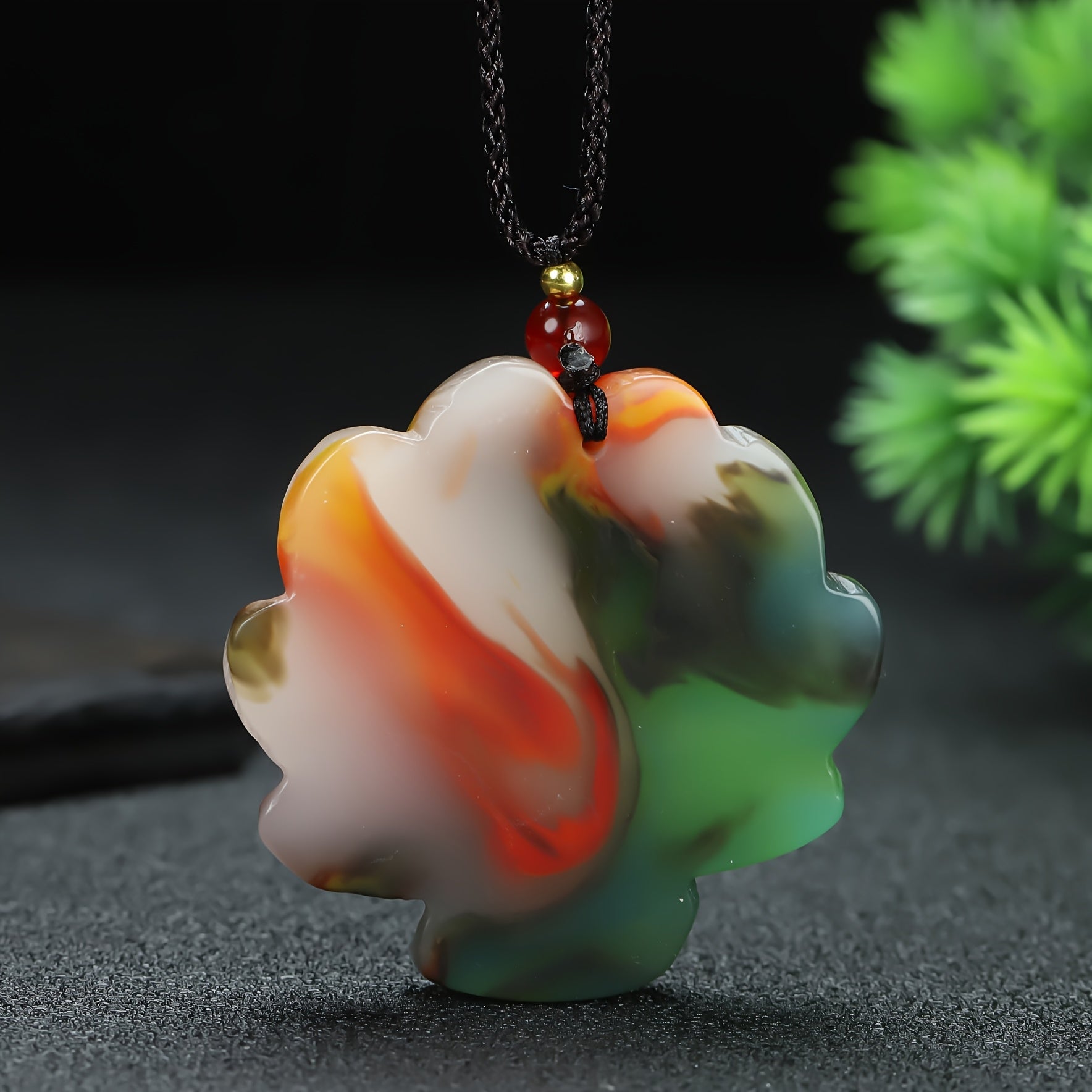
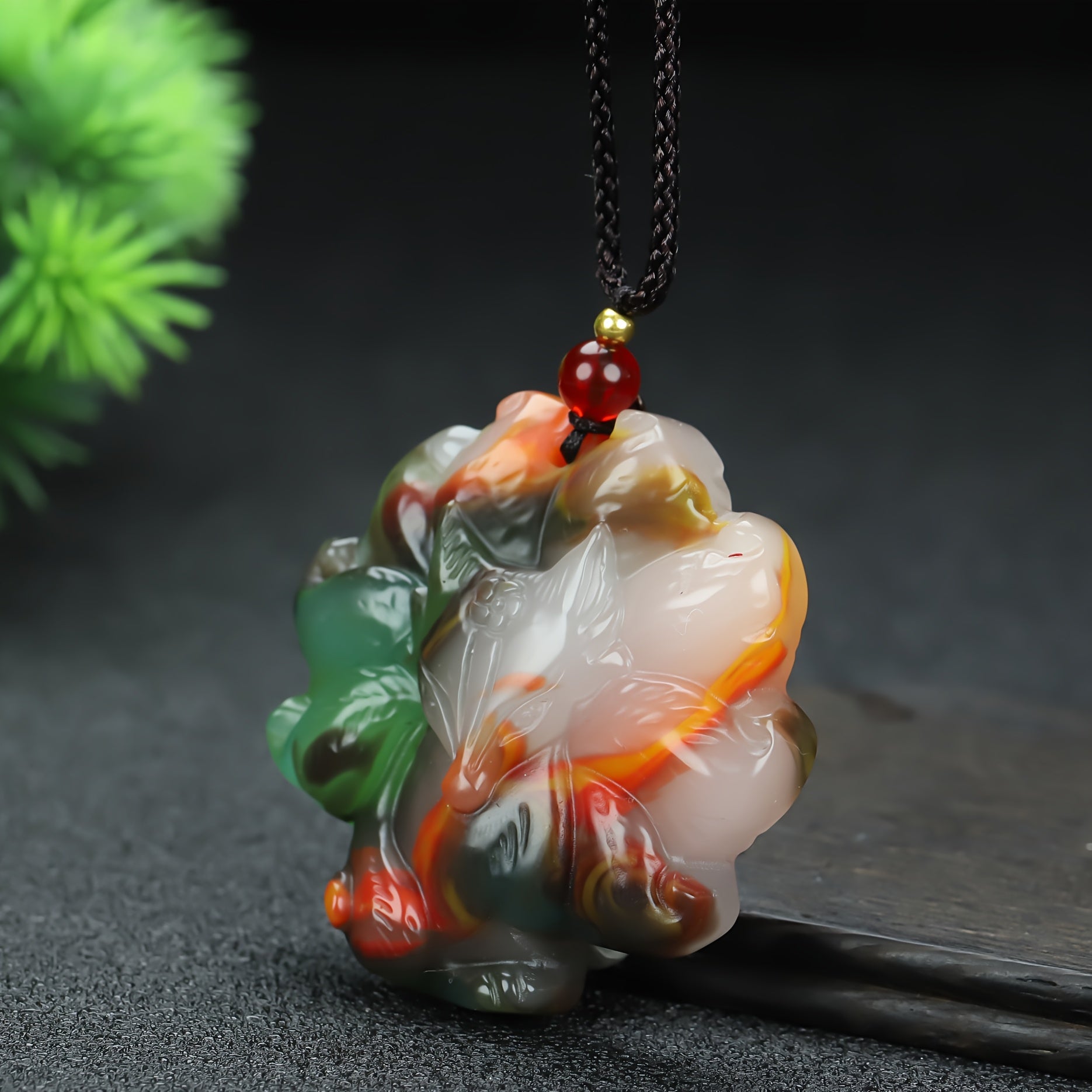
The fox pendant serves as a physical anchor for the practice of seeing without reacting
View the Jewelry Piece →III. The Three Stages of Conscious Response
Stage 1: Recognition
You notice that a reaction is forming. You feel:
- Tension in your body
- Urgency to act or speak
- Defensiveness rising
- The urge to control or fix something
- Emotional intensity
At this stage, your only job is to notice. You do not judge the reaction. You do not suppress it. You simply observe: "Anger is arising. Defensiveness is present. Urgency is pushing me to act."
This single step—moving from being the reaction to observing the reaction—is revolutionary. It creates distance. It opens a door.
Stage 2: Suspension
You pause. You do not act on the impulse—not forever, but just long enough.
This is where the practice becomes concrete. How long is "long enough"?
- In conversation: pause before responding. Take one breath. Listen one more moment.
- In conflict: delay your reply. Sleep on it if possible. Let a day pass.
- In decision-making: sit with the choice. Don't commit immediately.
- In emotional intensity: wait until the emotional charge has reduced.
The pause creates space. In that space, new information has time to arrive. You notice things you would have missed in the heat of reaction.
Stage 3: Structural Perception
Once the reactive charge has diminished, you can actually see the situation clearly.
You ask:
- "What is actually happening here?"
- "What does this person actually need, beneath what they're saying?"
- "What pattern am I seeing?"
- "What am I afraid of that made me want to react so quickly?"
- "What role am I being invited to play?"
Now, from this clarity, you can choose your response. It may be very different from your initial impulse.
IV. Practical Methods for Training This Capacity
Method 1: The Pause Anchor
Create a physical trigger that interrupts automatic reaction. This could be:
- Touching a pendant (like the fox pendant) when you feel reactivity rising
- Taking a deliberate breath and naming it internally: "I pause"
- Placing your hand on your heart
- Any gesture that becomes a signal: "Slow down. Perceive."
Method 2: The Inquiry Practice
When you feel triggered, instead of reacting, ask yourself a genuine question.
Not: "Am I right?" (This is still defending.)
But: "What am I not seeing?"
This single question shifts your entire neurological state. You move from defensive to curious. From closed to open.
Method 3: The Witness Practice
Develop the ability to observe your own emotions without being completely identified with them.
Instead of "I am angry," practice: "Anger is present. I notice it. I do not have to act from it."
This tiny shift in language creates freedom. The emotion is real. But it is not you. It is not the whole situation.
V. Where This Practice Is Needed Most
In Conflict
This is the most obvious place. When two people are in conflict, the one who can pause, perceive, and respond wisely has enormous power. Not power over the other person, but the power to actually resolve the conflict.
In Decision-Making
Major decisions made in reactive states almost always require correction later. The decisions made from genuine perception stand the test of time.
In Relationships
The partner who can receive criticism without immediately defending, who can hear their partner's pain without dismissing it, who can pause before reacting—this person transforms the relationship.
In Work and Leadership
Teams trust leaders who think before they speak, who respond to problems rather than react to them, who make decisions from clarity.
In Personal Growth
The capacity to observe your own patterns without being controlled by them is the foundation of all genuine change.
VI. The Deepening Path
This practice does not have an end point. There is no level where you "master" seeing without reacting and then you're done.
Instead, there are deepening levels of subtlety:
- Level 1: Learning to notice obvious reactions (anger, fear, strong desire)
- Level 2: Noticing more subtle reactions (subtle defensiveness, mild judgment, quiet criticism)
- Level 3: Seeing the unconscious beliefs that generate reactions
- Level 4: Perceiving how your own consciousness shapes what you see
- Level 5: Living in a state where seeing and responding flow naturally, without effort
VII. The Gift This Practice Brings
As you practice seeing without reacting, several things naturally emerge:
You become someone people trust. Not because you are always right, but because your responses come from genuine understanding. They are not defensive or aggressive. They are wise.
You experience less regret. When you act from perception rather than reaction, your actions align with your deeper values. You do not look back and wish you had done something different.
You live with greater freedom. You are no longer at the mercy of every impulse that arises. You have choice. And choice is freedom.
You develop genuine power. Not power over others, but power in your life. The power to make decisions that serve you. The power to build relationships that work. The power to contribute to situations in ways that actually help.
VIII. Beginning Today
You do not need to wait for the perfect conditions to begin this practice.
Start now. Start small.
The next time you feel triggered—even in a small way—pause. Not for hours. Just for a moment. Notice what is actually happening.
Let one second of genuine observation interrupt your automatic reaction.
That one second is the entire practice. When you do it again tomorrow, you have done it twice. When you do it a hundred times, you will begin to notice that you are not controlled by every reaction that arises.
You have choice. You always did. This practice simply makes it visible.
