

Finding the Pause Before the Step:
A Practice of Noticing Your Own Hesitation
The Moment Before the Motion
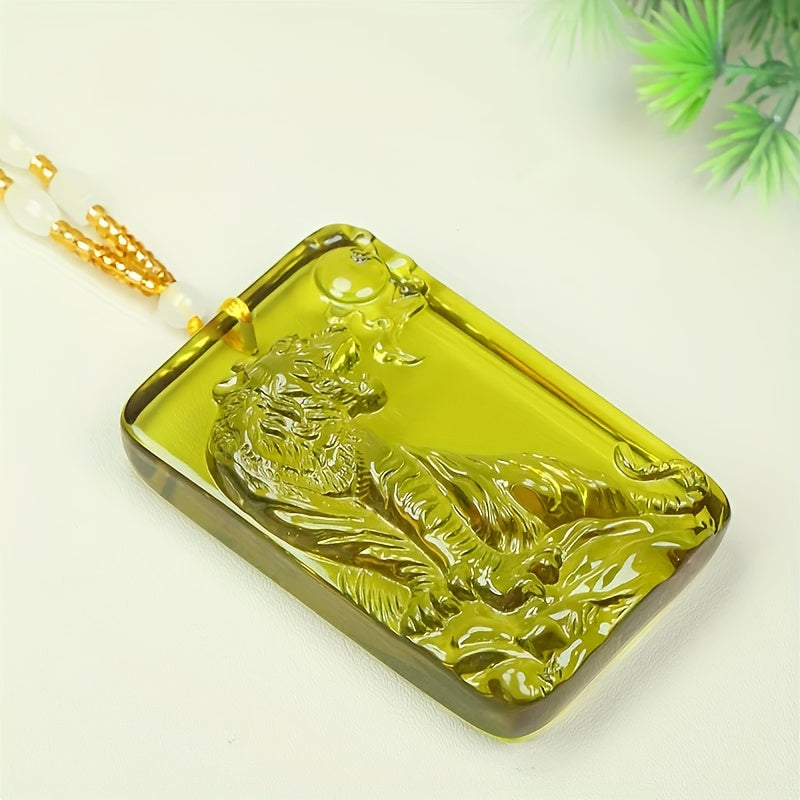
It happens in the morning, usually. You're standing at your dresser or nightstand. Your hand reaches for the tiger pendant. But then it stops. Not because you've changed your mind, but because something in you hesitates. That fraction of a second—that's the territory we're exploring. Not the wearing, not the meaning, but the pause.
This isn't about mindfulness in the grand, meditative sense. This is smaller. More specific. It's about noticing the tiny frictions in your day where you're not quite present, where you're moving on autopilot. The moment before you put on the necklace is one such friction point. Why do you reach for it today? What are you expecting from it? Or avoiding?
Here's the practice, stripped bare:
Tomorrow morning, when your hand goes toward the jewelry, pause. Not for long—just one breath. Feel the cool metal in your palm before you put it on. Notice the weight. Notice if your mind is already somewhere else—in the meeting you're about to have, in the conversation you're dreading. Notice if you're reaching for the pendant as a shield, as a reminder, as a habit, or as something else entirely.
This practice has no goal. It doesn't make you more decisive. It doesn't guarantee clarity. All it does is create a small space between impulse and action. In that space, you might notice something. Or you might not. Both are fine.
The pendant becomes the practice object precisely because it's not essential. You don't need it to survive. This makes it a safe container for observation. If you forget to do the practice, nothing happens. If you do it, nothing dramatic happens either. It's the most low-stakes laboratory imaginable for studying your own mind.