





The Mirror and the Smile: How Muscovite Crystal and Folk Art Symbolism Create Modern Spiritual Protection
Exploring the intersection of mineralogy, folk art traditions, and contemporary spirituality through the lens of muscovite crystal jewelry and universal smiling face symbolism.
Introduction: Ancient Materials, Modern Meanings
In today's spiritually eclectic landscape, a fascinating convergence is occurring between geological science, traditional craft, and metaphysical practice. The Purple Muscovite Smiling Face Character Pendant Necklace exemplifies this synthesis—combining a unique crystalline structure with one of humanity's most universal symbols to create tools for contemporary spiritual protection and emotional wellbeing. This article explores how ancient materials and symbols are being reinterpreted for modern needs, creating a new language of spiritual adornment that bridges science, art, and spirituality.
At first glance, the pairing might seem unusual: a shimmering mineral known for its industrial applications and a simple folk art symbol. Yet their combination reveals deeper truths about how humans have always used materials and symbols for protection, and how these ancient practices are evolving to address contemporary spiritual challenges.
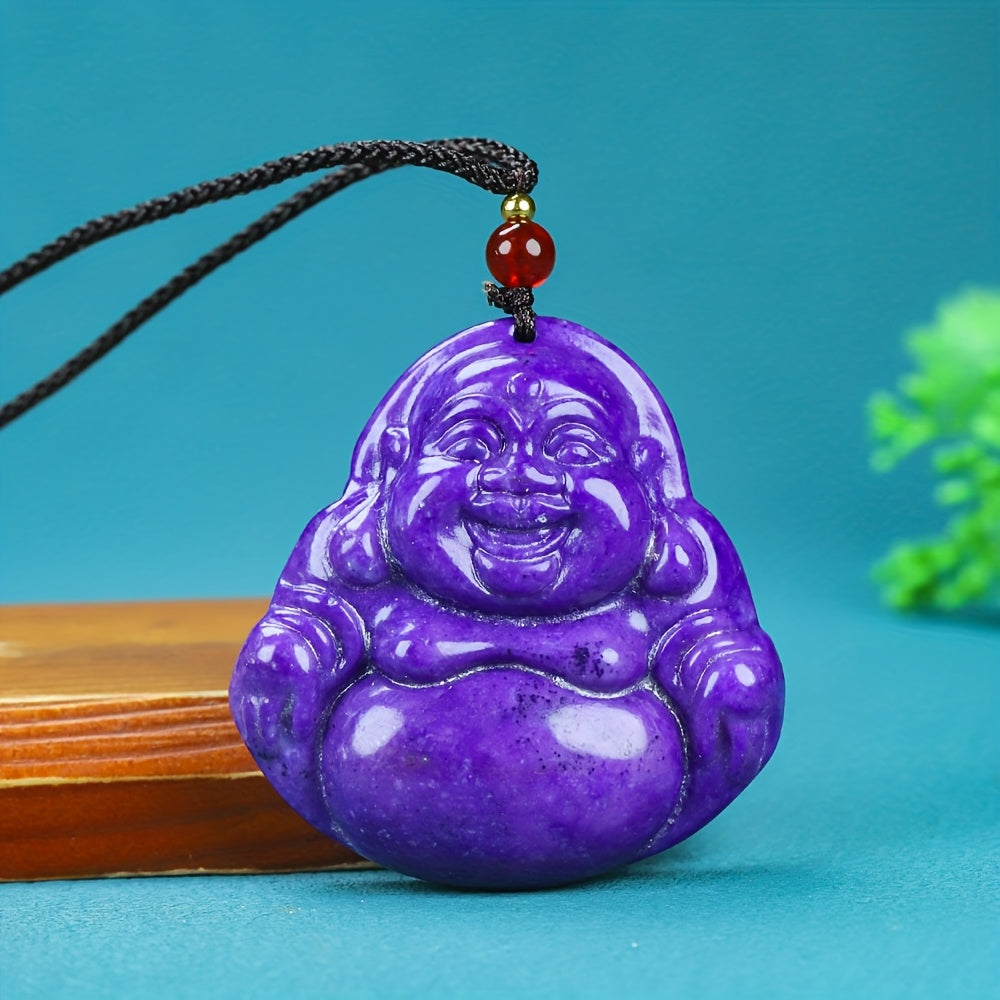
The unique reflective properties of muscovite create natural rainbows that enhance its symbolic and energetic significance
Muscovite: The Geological Mirror
Muscovite, a form of mica, possesses unique physical properties that have fascinated humans for millennia. Its name derives from "Muscovy glass," referring to its historical use as window panes in Russia. But beyond its practical applications, muscovite's structure reveals why it holds such significance in spiritual traditions.
The Science of Reflection
Muscovite belongs to the phyllosilicate mineral group, characterized by its perfect basal cleavage—it splits into remarkably thin, flexible sheets. These sheets are transparent to translucent and possess a pearly to vitreous luster. What makes muscovite particularly remarkable is its ability to be split into sheets thin enough to be transparent while remaining remarkably durable.
From a metaphysical perspective, this physical structure is highly symbolic. The thin, layered sheets are seen as representing the layers of reality or consciousness, while its reflective quality symbolizes self-reflection, truth-seeking, and the ability to see beyond surface appearances. In energy work, these properties are interpreted as the stone's ability to reflect energy rather than absorb it—a form of spiritual protection that doesn't create energetic blocks but rather redirects harmful energy away.
Historical Uses and Symbolism
Historically, muscovite served various practical and symbolic purposes:
| Culture/Period | Use of Muscovite | Symbolic Meaning |
|---|---|---|
| Ancient Russia | Window panes ("Muscovy glass") | Clarity, vision, protection while maintaining connection to outside world |
| Native American Traditions | Ritual objects, decorative elements | Connection to earth spirits, reflective shield against negative forces |
| Asian Spiritual Traditions | Inlaid in sacred objects, meditation aids | Mirror of truth, tool for self-examination and spiritual insight |
| European Folk Magic | Protective amulets, scrying mirrors | Warding off evil eye, revealing hidden truths |
This cross-cultural appreciation for muscovite's unique properties suggests that its metaphysical significance isn't merely a New Age invention but rather a continuation of ancient recognitions of its special qualities.
Mineralogical Insight: Dr. Elena Petrov, mineralogist at the Geological Institute, explains: "Muscovite's perfect cleavage and flexibility come from its layered silicate structure. These physical properties—being able to split into thin, transparent sheets—have made it valuable both practically and symbolically across cultures. It's one of those rare minerals that bridges utilitarian and spiritual applications naturally."

The Smiling Face: Humanity's Universal Symbol
The smiling face symbol carved into muscovite pendants represents one of humanity's most basic and universal forms of communication. Unlike language-specific symbols, the smiling face transcends cultural and temporal boundaries, appearing in remarkably similar forms across diverse traditions.
Cross-Cultural Appearances
The smiling face motif appears in folk art traditions worldwide, often serving protective or auspicious functions:
Japanese Hyottoko Masks
Comical, exaggerated smiling faces used in folk theater and as protective household charms, believed to bring good fortune and ward off misfortune.
Mexican Alebrijes
Fantastical folk art sculptures often featuring smiling faces, originally inspired by dreams and serving as spiritual guides and protectors.
Slavic Domovoi Depictions
Household spirits traditionally represented with kind, smiling faces to ensure their benevolent protection of home and family.
African Tribal Masks
Many traditional masks feature exaggerated smiling expressions during celebrations and rituals to invoke joy, community bonding, and protective spirits.
Native American Kokopelli
The humpbacked flute player often depicted with a cheerful expression, symbolizing fertility, joy, and the spread of happiness.
European Folk Art Sun Faces
Radiant faces with smiling expressions carved on homes and objects for protection and to invite positive energy.
Psychological and Neurological Basis
The universal recognition of smiling faces has deep biological roots. Research in neuroscience shows that viewing smiling faces activates the orbicularis oculi muscles (creating "genuine" smiles) in observers through mirror neuron systems. This biological hardwiring explains why smiling face symbols have such cross-cultural potency—they literally trigger positive neurological responses regardless of cultural background.
From an evolutionary perspective, recognizing friendly versus threatening facial expressions was crucial for survival. The smiling face signaled safety, community, and non-aggression. This ancient neural programming continues to influence how we respond to smiling face symbols today, making them particularly effective as tools for emotional regulation and creating feelings of safety.

The smiling face motif appears in remarkably similar forms across diverse cultural traditions worldwide
The Synthesis: Why Muscovite and Smiling Faces Work Together
The combination of muscovite crystal with smiling face symbolism creates a synergistic effect that enhances the properties of both elements. This isn't merely aesthetic pairing but functional synergy based on both traditional wisdom and contemporary understanding of energy and psychology.
Energetic Amplification
In energy work principles, certain materials amplify the effects of symbols carved into them. Muscovite's reflective properties are believed to magnify the intention behind the smiling face symbol. Rather than simply carrying symbolic meaning, the carved symbol interacts with the stone's natural energy signature to create an enhanced effect.
Think of it as a spiritual amplifier: the smiling face represents a specific frequency (joy, protection, benevolence), and the muscovite acts as both resonator and broadcaster of that frequency. This is why many wearers report stronger effects from carved crystal jewelry versus plain crystals or metal symbols alone.
Psychological Anchoring
From a psychological perspective, the combination creates a powerful anchoring effect. The tactile experience of touching the carved smiling face on cool stone creates multisensory association. When someone consciously uses the pendant during positive emotional states or protective visualizations, the combination of visual symbol, tactile sensation, and even the visual sparkle of muscovite creates a stronger neural pathway for recalling those states later.
This is particularly valuable for emotional regulation—touching the pendant during stressful moments can trigger recall of intentionally cultivated positive states through the strength of multisensory encoding.
Energy Practitioner Perspective: Maya Chen, energy worker and crystal therapist, observes: "In my practice, I've noticed that carved crystals often have more pronounced effects than uncarved ones. The carving process seems to 'wake up' the stone's energy, and when combined with intentional symbols, creates a focused energy tool. Muscovite with protective symbols is particularly effective for empaths and sensitive individuals."
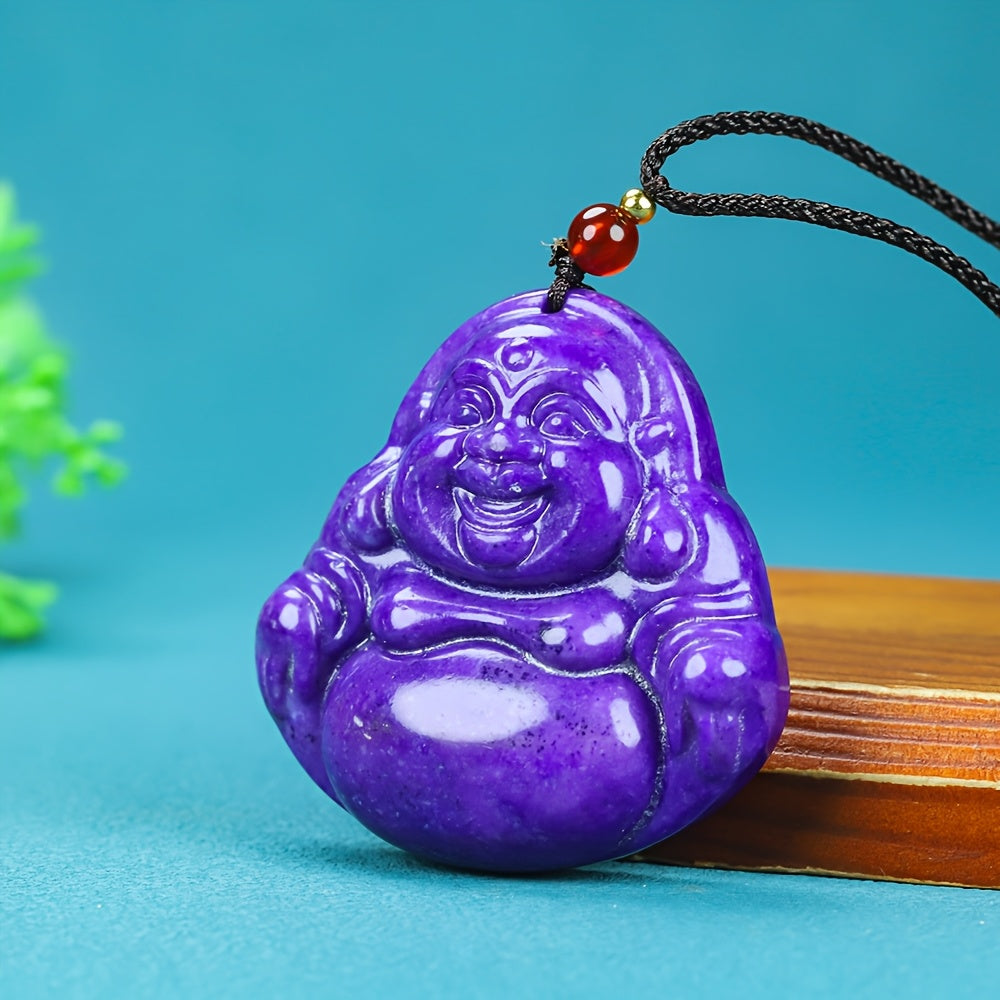
Contemporary Applications: Addressing Modern Spiritual Needs
Why has this particular combination of ancient symbol and mineral gained popularity in contemporary spiritual practice? The answer lies in the specific challenges of modern life and how traditional tools are being adapted to address them.
Digital Age Energy Protection
Modern life involves constant exposure to electromagnetic fields, digital information overload, and the unique stresses of always-connected living. Traditional protective symbols and materials are being reinterpreted for these new challenges. Muscovite's reflective properties are now often described as helpful for deflecting "digital negativity" or "information overload."
Urban Spiritual Practice
As more people live in urban environments with less direct connection to nature, natural materials like crystals gain importance as tangible connections to the earth. The ethnic styling of smiling face pendants provides cultural continuity for those displaced from traditional communities.
Mental Health Integration
With growing awareness of mental health, spiritual tools that address anxiety, depression, and emotional regulation are increasingly sought. The smiling face symbol serves as a simple cognitive-behavioral tool—a physical reminder to shift perspective—while the muscovite provides the energetic component many seek alongside psychological approaches.
Cultural Globalization
As cultural boundaries blur, universal symbols like the smiling face gain appeal over tradition-specific symbols. People from mixed backgrounds or those exploring spirituality beyond their birth culture find such universal symbols more accessible and inclusive.
This adaptability explains the growing popularity of pieces like the Purple Muscovite Smiling Face Pendant. They represent not a rejection of tradition but an evolution—taking ancient wisdom and applying it to contemporary circumstances in ways that remain true to the original principles while addressing new challenges.
Craftsmanship and Authenticity in the Age of Mass Production
In an era of mass-produced spiritual goods, the handmade quality of authentic muscovite smiling face pendants represents an important counter-trend. The craftsmanship involved isn't merely aesthetic but carries energetic significance in spiritual traditions.
The Hand-Carving Process
Creating these pendants involves specific challenges and techniques:
- Material Selection: Muscovite must be chosen for both aesthetic qualities (color, iridescence) and structural integrity. Sheets thick enough to carve but with good cleavage planes for the desired reflective quality.
- Carving Technique: Due to muscovite's cleavage, carving requires specialized tools and techniques to prevent splitting along unintended planes. Traditional hand tools often produce better results than power tools for this delicate work.
- Symbol Execution: The smiling face must be carved with attention to both aesthetic appeal and symbolic integrity. Different traditions have variations in what constitutes a "protective" or "joyful" smile, and knowledgeable craftspeople understand these nuances.
- Finishing: The edges must be smoothed to prevent flaking while maintaining the stone's natural shimmer. Over-polishing can reduce the reflective qualities that make muscovite spiritually significant.
The Energetics of Handmade Versus Machine-Made
In many spiritual traditions, the process of creation imbues objects with energy. Hand-carving involves the carver's focus, intention, and energy throughout the process. This is contrasted with machine production, which may create identical pieces efficiently but without this intentional energy infusion.
Many practitioners report being able to feel the difference between handmade and machine-made spiritual tools. The handmade piece carries what some describe as "soul" or "life force" that mass-produced items lack. This isn't mere romanticism—the attention, care, and presence during creation literally shape the final product's energetic signature.
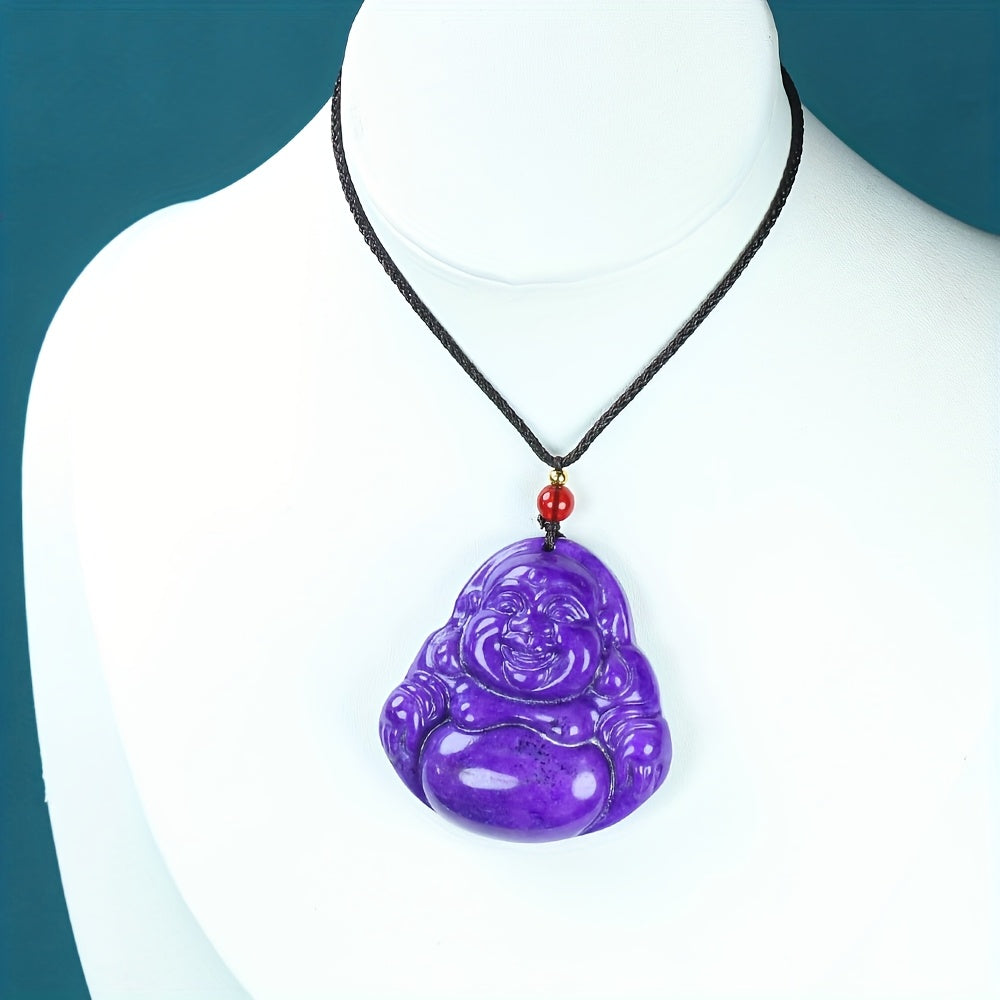
Traditional hand-carving techniques preserve both the physical integrity and energetic potency of spiritual jewelry
Scientific Perspectives: Placebo, Energy, and Material Science
The growing popularity of crystal jewelry like muscovite pendants has sparked interest in scientific communities. How do we reconcile traditional metaphysical claims with modern scientific understanding?
The Placebo/Meaning Response
Research increasingly supports what anthropologists call the "meaning response"—the measurable physiological effects of personal meaning and belief. When someone believes their muscovite pendant provides protection or enhances joy, that belief alone can trigger:
- Reduced cortisol (stress hormone) levels
- Increased endorphin production
- Improved immune response
- Enhanced pain tolerance
- Better emotional regulation
From this perspective, whether muscovite has "inherent energy" matters less than whether the wearer believes it does. The symbol, material, and personal meaning create a self-reinforcing system of wellbeing.
Piezoelectric and Pyroelectric Properties
Some crystals, including certain forms of mica, exhibit piezoelectric properties (generating electric charge under mechanical stress) or pyroelectric properties (generating charge with temperature changes). While muscovite specifically has weak piezoelectricity compared to quartz, the broader principle that crystals can interact with electromagnetic fields is scientifically established.
This provides a potential scientific basis for claims about crystals interacting with energy fields—though the scale (human biofield versus laboratory measurements) remains controversial. What's clear is that dismissing all crystal claims as "mere superstition" ignores established material science, while claiming definitive scientific proof for metaphysical applications overreaches current evidence.
This nuanced understanding allows for appreciation of traditional practices without requiring rejection of scientific perspective—a middle ground where personal experience and material science can coexist without contradiction.
Cultural Appropriation Versus Appreciation in Symbolic Jewelry
As symbols from various traditions become popular in spiritual jewelry, important questions arise about cultural appropriation versus appreciation. The smiling face symbol presents an interesting case study in this ongoing conversation.
Universal Versus Culture-Specific Symbols
The smiling face occupies a unique position: it appears in so many traditions that no single culture can claim exclusive ownership. This universality makes it less problematic than, say, using specific Native American ceremonial symbols or Hindu deities without understanding or permission.
However, context matters. When smiling face symbols are presented in specific ethnic styles (like the folk art carving on muscovite pendants), it's important to:
- Acknowledge the cultural inspirations
- Work with artisans from those traditions when possible
- Educate consumers about the symbol's cross-cultural significance
- Avoid claiming exclusive "authenticity" from any single tradition
Ethical Sourcing and Cultural Respect
For designers and sellers of symbolic jewelry, several practices promote cultural appreciation rather than appropriation:
| Practice | Appropriation | Appreciation |
|---|---|---|
| Sourcing | Taking designs without credit or compensation | Collaborating with traditional artisans, fair compensation |
| Presentation | Removing cultural context, claiming "new age" invention | Providing cultural background, acknowledging origins |
| Pricing | High markups on cheap imitations of sacred objects | Fair pricing that reflects craftsmanship, not "exotic" markup |
| Education | Mystifying or oversimplifying cultural significance | Providing accurate, nuanced information about symbols |
The Purple Muscovite Smiling Face Pendant navigates these issues by using a universal symbol presented in a generalized "ethnic style" rather than claiming specific cultural authenticity, while emphasizing the handmade quality and natural materials that honor craft traditions generally.
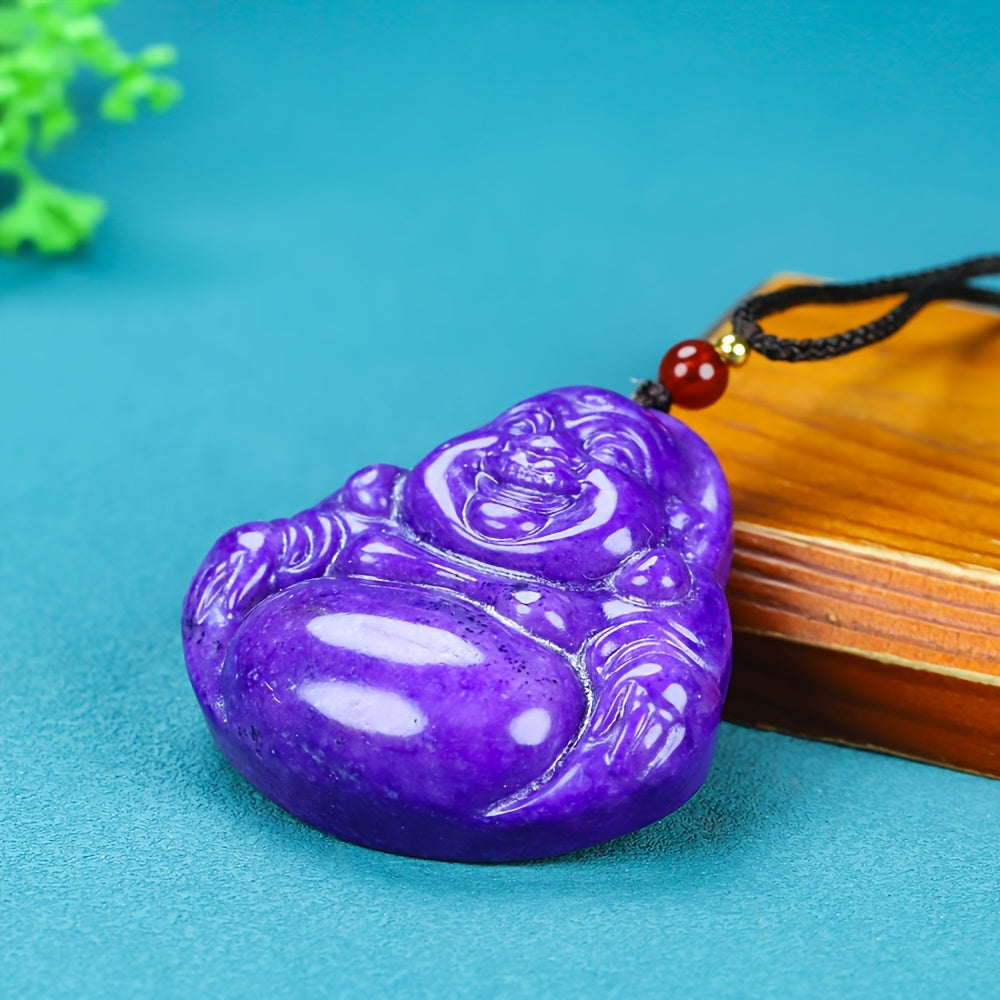
Future Directions: The Evolution of Spiritual Jewelry
As we look toward the future, several trends suggest how symbolic jewelry combining natural materials with traditional symbols will continue to evolve.
Personalized Energy Signatures
Advances in technology may allow for jewelry customized not just aesthetically but energetically—pieces that incorporate stones selected based on individual energy patterns or symbols personally meaningful to the wearer.
Scientific Integration
As research on placebo/nocebo effects and psychoneuroimmunology advances, we may see more targeted applications of symbolic jewelry for specific psychological or physiological outcomes, potentially prescribed alongside conventional treatments.
Sustainable and Ethical Evolution
Growing awareness of mining impacts and cultural appropriation will drive demand for transparent sourcing, lab-grown alternatives with identical energetic properties, and deeper collaboration with traditional knowledge keepers.
Digital-Physical Synthesis
Augmented reality could allow symbolic jewelry to trigger digital experiences—educational content about the symbols, guided meditations, or community connections with other wearers of similar symbols.
Despite technological advances, the core appeal will likely remain constant: the human need for tangible connections to meaning, tradition, and sources of comfort and protection in an increasingly complex world. The combination of natural materials like muscovite with universal symbols like the smiling face addresses this need in a way that feels both ancient and contemporary, personal and universal.
The future of spiritual jewelry lies not in abandoning tradition for novelty, but in deepening our understanding of why these traditional combinations work—scientifically, psychologically, and spiritually—and applying that understanding to create tools that address contemporary needs while honoring ancient wisdom.
Conclusion: Reflections and Smiles in Uncertain Times
In an era marked by uncertainty, rapid change, and digital overload, the appeal of simple, tangible spiritual tools grows stronger. The Purple Muscovite Smiling Face Character Pendant represents more than a fashion trend—it's part of a broader cultural movement toward reclaiming ancient wisdom for modern challenges.
The combination works on multiple levels: the muscovite offers literal and metaphorical reflection—a chance to see ourselves and our situations more clearly, protected by a mineral that has served humans for millennia. The smiling face connects us to our most basic humanity—the universal language of joy and safety that predates civilization itself.
Whether one approaches such jewelry from a purely aesthetic perspective, a psychological tool for wellbeing, a traditional spiritual practice, or some combination thereof, its value lies in its ability to meet people where they are. It doesn't require specific belief systems, only openness to the possibility that symbols and materials can carry meaning and effect change.
As we move forward into an increasingly complex future, such simple yet profound tools remind us of enduring truths: that joy is a radical act, that protection begins with self-awareness, and that sometimes the most powerful spiritual technologies are those that have been with us all along—a piece of the earth, shaped by human hands, carrying a symbol of our shared humanity.
In wearing such pieces, we carry these reminders with us—literally close to our hearts—creating personal rituals of resilience, connection, and hope in daily life. And in a world that often feels fragmented, such tangible connections to earth, tradition, and our own capacity for joy may be among the most valuable accessories we can choose.
