





The Evolution of Masculine Adornment: From Ancient Talismans to Modern Crystal Jewelry
Tracing the 40,000-year history of men's jewelry and its transformation from spiritual protection to fashion statement and back again
Introduction: Redefining Masculine Ornamentation
In contemporary Western culture, men's jewelry often occupies a narrow aesthetic space—typically limited to wedding bands, watches, and perhaps a simple chain. Yet this modern minimalism belies a rich, complex history spanning millennia, during which masculine adornment served profound spiritual, social, and protective functions. The resurgence of crystal jewelry for men represents not a new trend, but rather a return to ancient practices where stones were worn not for mere decoration, but as vital tools for survival, status, and spiritual connection.
This article traces the fascinating journey of masculine adornment from prehistoric talismans to contemporary crystal pendants, examining how shifting cultural values, spiritual beliefs, and gender norms have shaped what men wear around their necks, wrists, and fingers. At the heart of this exploration lies a fundamental question: What does it mean for modern men to reclaim jewelry as both personal expression and spiritual tool?
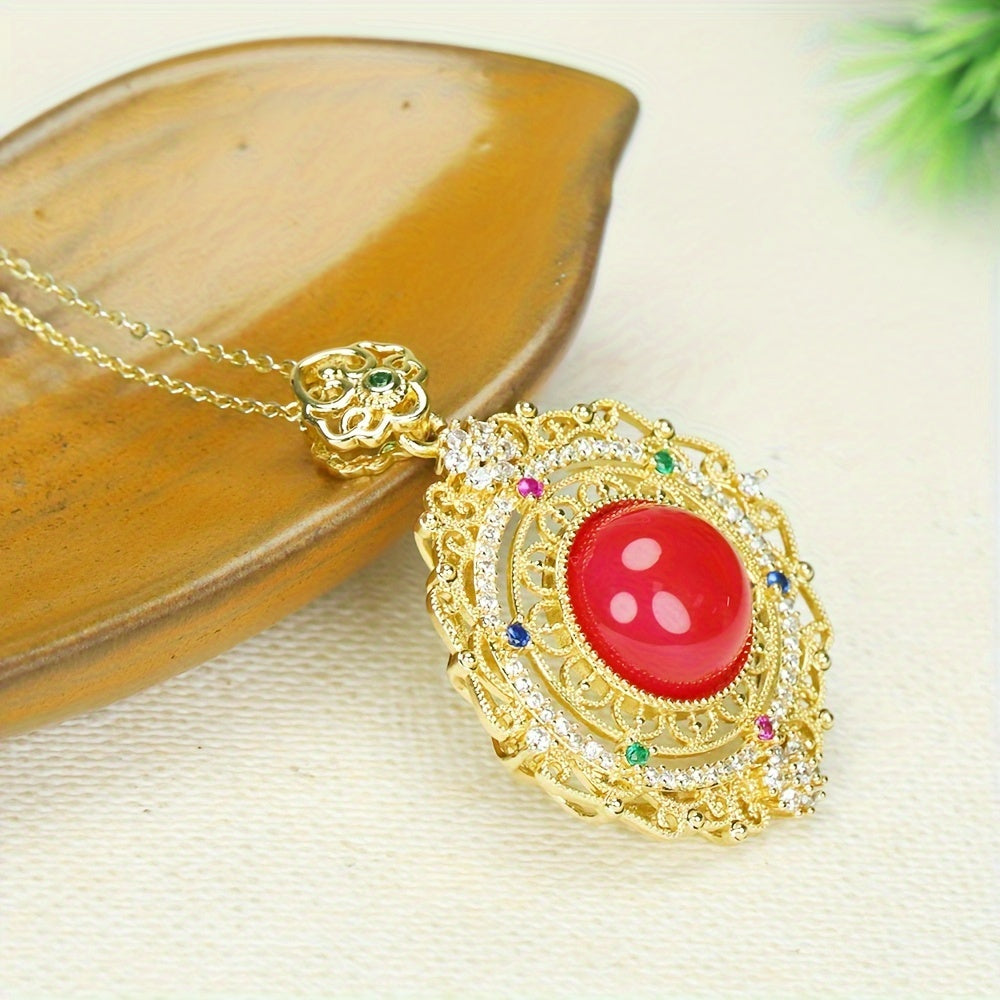
The current popularity of stones like red agate for men's jewelry connects directly to this historical lineage. These aren't merely fashion accessories following trends; they're contemporary iterations of ancient practices where specific stones were selected for their perceived properties—red stones for courage and vitality, black stones for protection, green stones for healing. Understanding this context transforms a simple pendant from decorative object to meaningful artifact, connecting modern wearers to practices that predate written history.
Prehistoric Foundations: The First Male Adornments
The story of masculine jewelry begins not in royal courts or artisan workshops, but in the prehistoric landscapes where early humans first began modifying their environment. Archaeological evidence reveals that men's adornment dates back at least 40,000 years, with the oldest known jewelry pieces—perforated animal teeth and shells—found in Neanderthal burial sites. These early adornments served multiple functions beyond aesthetics.
Hunting Magic and Totemic Protection: Animal teeth and claws worn as pendants likely served as hunting talismans—believed to transfer the animal's strength, speed, or stealth to the wearer. A lion's tooth might confer courage, a bear's claw strength, a deer's antler agility. This practice represents the earliest form of what we now call "intention jewelry"—wearing specific items to cultivate desired qualities.
Status and Achievement Markers: In hunter-gatherer societies, successful hunters often wore parts of their prey as public demonstration of skill and provision. These adornments served as early CVs—visible proof of capability that would influence social standing, mating opportunities, and leadership roles within the group.
Spiritual Connection and Ritual Function: Many prehistoric adornments show evidence of ritual use—ochre staining, deliberate arrangement in burials, wear patterns suggesting regular handling during ceremonies. These pieces likely served as physical connectors to spiritual realms, ancestors, or natural forces, similar to how modern crystal jewelry is used in meditation or energy work.
The materials themselves held significance. Brightly colored stones were rare and required trade or travel to obtain, making them markers of connection and exchange. The very act of modifying natural materials—drilling holes in stones, shaping bones, stringing shells—represented humanity's growing relationship with the material world as something that could be shaped to human purpose while still retaining its inherent power.
Ancient Civilizations: Jewelry as Power and Protection
As human societies developed agriculture, cities, and writing, masculine jewelry evolved in complexity and symbolism while maintaining its protective and status functions. Across ancient civilizations—Egypt, Mesopotamia, China, Mesoamerica—we see remarkable consistency in how men of power and spiritual authority used adornment.
Egyptian Pharaonic Regalia: Egyptian male jewelry reached extraordinary sophistication, with pharaohs wearing elaborate pectorals, broad collars, and arm cuffs made from gold, lapis lazuli, carnelian, and turquoise. These weren't mere decorations but potent symbols of divine right, cosmic order (ma'at), and protective magic. The famous gold mask of Tutankhamun features lapis lazuli eyebrows—this blue stone was associated with the heavens and divine wisdom, literally framing the king's vision with celestial power.
Mesopotamian Cylinder Seals and Amulets: In Sumerian and Babylonian cultures, men of standing wore cylinder seals—intricately carved stone cylinders worn around the neck that served both practical function (stamping documents) and spiritual protection. These often featured mythological scenes and were believed to confer the protection of depicted deities. Red stones like carnelian were particularly valued for their alleged protective properties against evil spirits and physical harm.
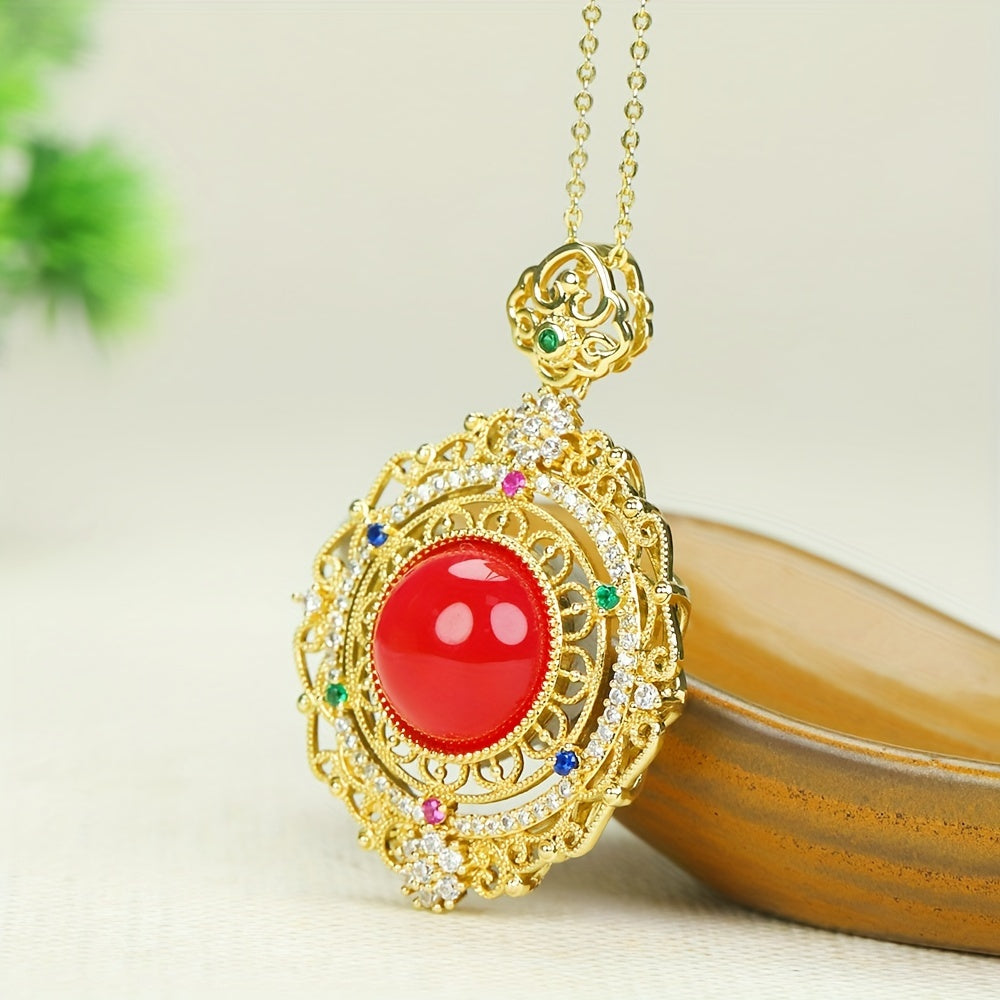
Chinese Jade Culture: In ancient China, jade held unparalleled significance for men of nobility and virtue. Confucian texts describe jade as having eleven virtues desirable in a gentleman: benevolence, wisdom, righteousness, propriety, music, loyalty, good faith, heaven, earth, morality, and intelligence. Men wore jade pendants not only as status markers but as constant reminders to cultivate these qualities. The practice of wearing jade next to the skin allowed the stone's "qi" (energy) to harmonize with the wearer's own.
Greco-Roman Military Adornment: Roman soldiers often wore phalerae—decorative discs awarded for military achievement—on their breastplates. These functioned as both medals and protective amulets. Many Roman men also wore bulla, leather pouches containing protective amulets, from childhood until assuming the toga virilis (man's toga). The contents typically included stones, herbs, or symbols believed to ward off evil.
Across these diverse cultures, common themes emerge: masculine jewelry served as visible manifestation of social role, spiritual protection, and personal virtue. The materials weren't chosen arbitrarily—specific stones carried specific meanings and powers that complemented the wearer's station and responsibilities.
Medieval to Renaissance: The Christianization and Secularization of Male Adornment
The rise of Christianity in Europe brought significant changes to masculine jewelry practices. Early Christian teachings often discouraged ostentatious adornment, particularly for men, associating it with pagan practices and vanity. Yet jewelry persisted, transformed by new religious symbolism and social structures.
Religious Relics and Pilgrim Badges: Medieval men of means often wore reliquary pendants—small containers holding fragments of saints' bones, pieces of the True Cross, or holy earth from Jerusalem. These served both as demonstrations of piety and as potent protective objects. Pilgrims returning from holy sites wore lead or tin badges depicting saints or shrines, functioning as both souvenirs and spiritual protection.
Heraldic and Signet Jewelry: With the development of heraldry in the 12th century, men began wearing jewelry displaying family crests and coats of arms. Signet rings served practical purposes (sealing documents with personalized wax impressions) while proclaiming lineage and authority. The stones in these rings were often chosen for their colors matching heraldic tinctures or for their alleged properties complementing family virtues.
Memento Mori and Vanitas Themes: During periods of plague and religious upheaval, men (particularly scholars and clergy) wore jewelry featuring skulls, skeletons, or hourglasses—memento mori ("remember you must die") pieces intended as constant reminders of mortality and the transient nature of earthly life. These macabre adornments served spiritual rather than decorative purposes, keeping wearers focused on eternal rather than temporal concerns.
Renaissance Rediscovery of Classical Ideas: The Renaissance saw renewed interest in classical texts, including those describing the magical and medical properties of stones. Lapidaries—books detailing stones' virtues—became popular, and men of learning often wore rings or pendants containing stones believed to enhance intelligence, memory, or eloquence. This period marks a fascinating intersection of emerging scientific thought with enduring magical beliefs.
This era established a tension that would characterize Western masculine jewelry for centuries: between religious condemnation of vanity and practical/spiritual uses of adornment. Men's jewelry became more subdued than women's but continued to carry significant symbolic weight, particularly among nobility, clergy, and educated classes.
The Modern Constriction: How Men's Jewelry Narrowed
The 18th and 19th centuries witnessed a dramatic constriction of acceptable masculine adornment in Western cultures, particularly among the middle and upper classes. Several converging factors created this shift toward jewelry minimalism for men.
The Rise of Puritan and Protestant Values: Protestant Reformation teachings, particularly Calvinist and Puritan influences, strongly condemned ostentation and vanity. Jewelry was increasingly viewed as frivolous, feminine, or morally suspect. This religious condemnation dovetailed with emerging bourgeois values emphasizing sobriety, practicality, and rejection of aristocratic excess.
The Industrial Revolution and Masculine Identity: As production moved from artisan workshops to factories, masculine identity became increasingly tied to work, production, and practicality. The ideal man was a producer, not a decorative object. Jewelry (beyond functional items like watch chains) came to be seen as incompatible with this industrial masculine ideal—associated with idleness, vanity, or aristocratic decadence.
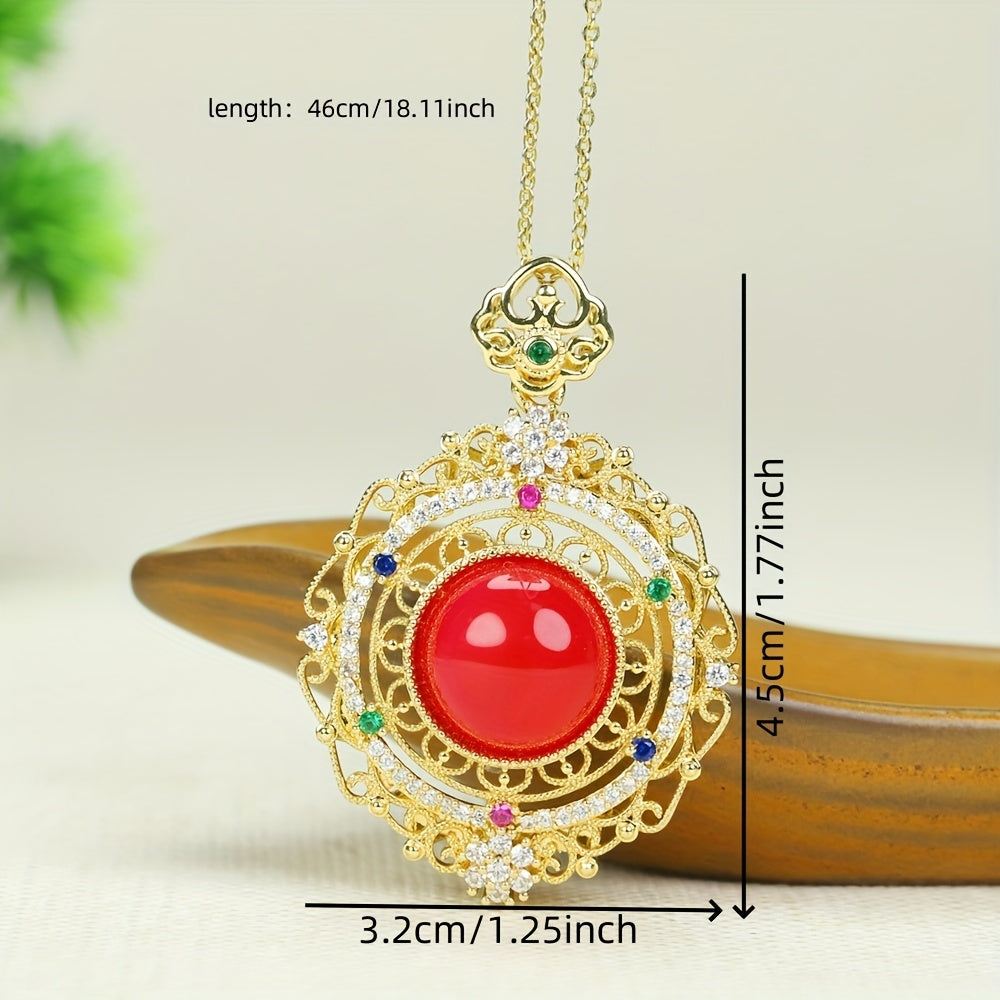
Colonialism and Racialized Aesthetics: European colonial encounters with indigenous cultures often framed native adornment practices as "primitive" or "savage." This racialized discourse further reinforced the association between elaborate jewelry and "less civilized" peoples, encouraging European men to adopt more restrained adornment as a marker of racial and cultural superiority.
The Democratization of Timekeeping: The widespread availability of pocket watches (and later wristwatches) created a socially acceptable form of masculine jewelry that emphasized function over decoration. The watch chain became one of the few acceptable displays of metalwork for men, its justification rooted in utility rather than adornment.
The "Great Masculine Renunciation": Fashion historians use this term to describe late 18th-century shifts toward plainer, darker, more uniform male clothing. This renunciation of color, pattern, and ornament extended to jewelry. By the Victorian era, acceptable men's jewelry was largely limited to signet rings, watch chains, cufflinks, and tie pins—all justified by practical function or discreet signaling rather than overt decoration.
This historical narrowing created the modern Western paradigm where men's jewelry occupies a narrow aesthetic space. Yet even within these constraints, symbolic adornment persisted in subtle forms: Masonic rings, military medals, championship rings, and religious symbols continued to serve functions similar to ancient talismans—marking belonging, achievement, and spiritual alignment.
The 20th Century: Countercultural Reclamations
The 20th century witnessed several waves of masculine jewelry reclamation, often led by subcultures challenging mainstream norms. Each movement reinterpreted masculine adornment through its own ideological lens, laying groundwork for contemporary crystal jewelry's acceptance.
Beat Generation and Eastern Influence: In the 1950s, Beat poets and writers adopted beads, meditation malas, and simple pendants inspired by Eastern spiritual traditions. This represented a conscious rejection of Western materialism and an embrace of alternative spiritualities. The jewelry served as both countercultural identifier and spiritual tool—much like ancient talismans.
Hippie Movement and Natural Materials: The 1960s-70s counterculture embraced natural materials—leather, wood, stones, feathers—in masculine jewelry. This represented a rejection of industrial society and a return to nature, with many pieces having explicit spiritual or symbolic meanings. The popularity of "love beads" and simple stone pendants during this period directly prefigures today's crystal jewelry trends.
Punk and Metal Subcultures: In the 1970s-80s, punk and heavy metal scenes adopted aggressive, confrontational jewelry—spikes, chains, skull motifs, and large rings. While aesthetically different from natural stone pendants, these served similar functions: marking tribal belonging, projecting identity, and often carrying symbolic meanings (skulls as memento mori, crosses as anti-establishment statements rather than religious devotion).
Hip-Hop and Bling Culture: Starting in the 1980s, hip-hop culture embraced extravagant jewelry as statements of success, resilience, and cultural pride. While often criticized as materialistic, this "bling" served important social functions within communities experiencing economic marginalization—visible proof of success against odds. The large pendants (often called "pieces") frequently featured religious symbols, personal motifs, or cultural references, continuing the tradition of jewelry as meaningful communication.
New Age and Metaphysical Revival: Parallel to these musical subcultures, the New Age movement of the 1980s-90s popularized crystal healing and metaphysical beliefs among broader audiences. While initially more popular with women, this movement laid conceptual groundwork for men's engagement with crystal jewelry by establishing cultural frameworks for understanding stones' energetic properties.
These diverse 20th-century movements collectively challenged the "great masculine renunciation," each offering different visions of what masculine adornment could signify. They created space for contemporary men to wear jewelry with intentionality rather than mere decoration.
Contemporary Renaissance: Why Crystal Jewelry Resonates with Modern Men
The current popularity of crystal jewelry among men represents convergence of multiple cultural streams: renewed spiritual seeking, expanded gender expression, wellness movement integration, and nostalgia for material authenticity in digital age. Understanding why specific stones like red agate resonate requires examining contemporary masculine experiences.
Digital Disconnection and Material Reconnection: In increasingly digital, virtual lives, natural materials offer tangible connection to physical world. A stone pendant provides weight, texture, temperature variation—sensory experiences lacking in screen-based interactions. The geological time scale represented by agate (formed over millennia) offers psychological counterbalance to digital immediacy and short attention spans.
Mental Health Awareness and Self-Care: As mental health discourse expands, men seek tools for emotional regulation beyond traditional stoicism. Crystal jewelry offers discrete, socially acceptable form of self-care. A red agate pendant worn for grounding during anxiety doesn't require public explanation but provides private reassurance—similar to how medieval men might have touched a reliquary pendant during distress.
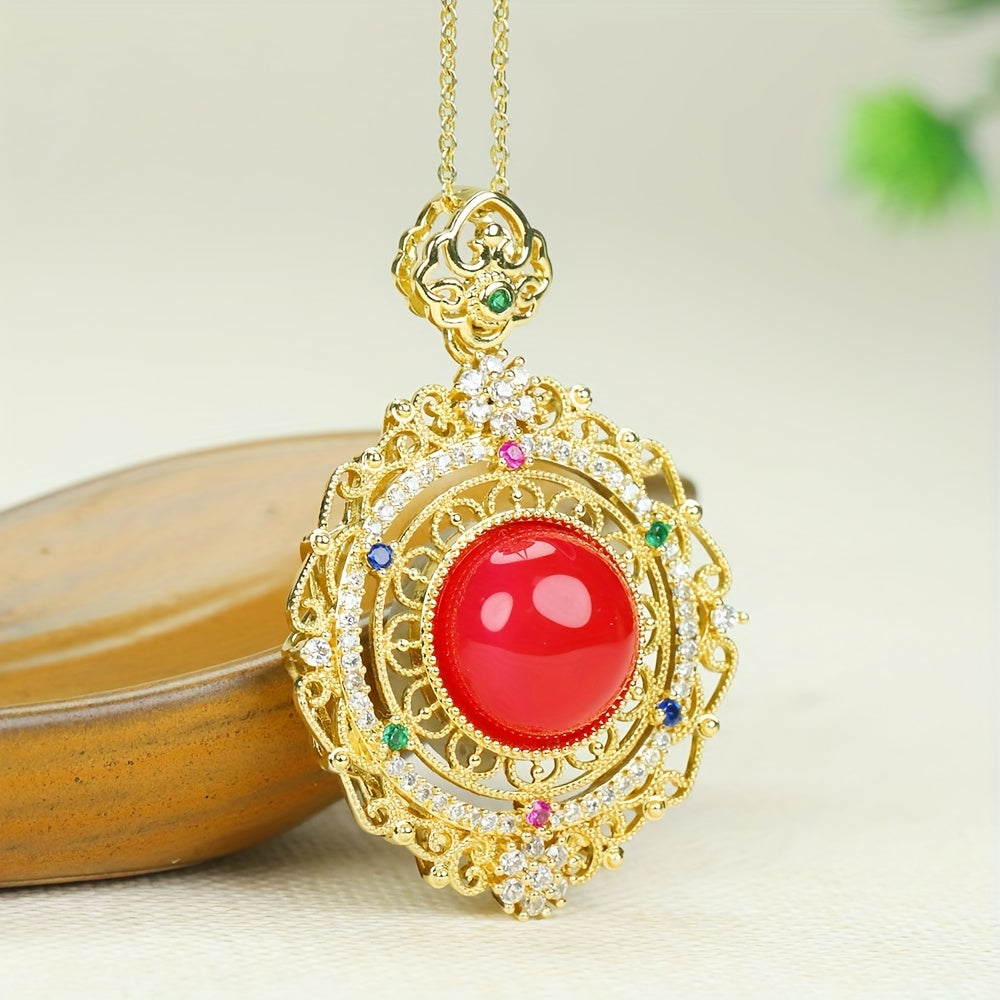
Expanded Gender Expression: Contemporary masculinity increasingly embraces complexity beyond traditional stereotypes. Jewelry wearing represents one avenue for this expansion—allowing men to engage with aesthetics, spirituality, and self-adornment without compromising masculine identity. The rugged, natural aesthetic of stones like agate provides "permission" for this engagement, balancing spiritual interest with masculine-coded materials.
Ancestral Connection and Heritage Seeking: In globalized, rootless modernity, many men seek connection to ancestral practices and indigenous wisdom. Wearing stone talismans connects to practices spanning cultures and millennia, offering sense of continuity amidst rapid change. This represents not appropriation but participation in enduring human relationship with earth's materials.
Minimalist Aesthetics with Maximal Meaning: Contemporary masculine style often emphasizes simplicity, quality, and authenticity. A single well-chosen stone pendant fits this aesthetic while carrying layered meanings—personal intention, geological history, cultural lineage. This aligns with modern consumer values favoring fewer, more meaningful possessions over accumulation of decorative items.
Science and Spirituality Integration: Unlike New Age movements that often positioned themselves against mainstream science, contemporary crystal engagement frequently incorporates scientific language—vibrational frequencies, piezoelectric properties, geological formation processes. This allows scientifically-minded men to engage with crystals without rejecting empirical worldview, creating bridge between rational and intuitive ways of knowing.
The popularity of specific stones reflects contemporary masculine concerns: red agate for grounding in uncertain times, black tourmaline for protection against digital overwhelm, labradorite for creativity in problem-solving, hematite for focus and determination. Each stone addresses perceived needs of modern male experience.
Design Evolution: How Ancient Forms Inform Contemporary Pieces
Contemporary men's crystal jewelry doesn't merely copy ancient designs but thoughtfully adapts historical forms to modern aesthetics and functions. Examining design elements reveals how tradition informs innovation.
Organic Shapes vs. Precision Cutting: Many contemporary men's pendants feature organic, free-form stones rather than precision-cut gems. This design choice references prehistoric and indigenous traditions where stones were valued in natural state rather than heavily modified. The irregularity communicates authenticity and connection to nature—important values for modern consumers wary of artificiality.
Leather and Natural Fibers: The resurgence of leather cords represents return to pre-industrial materials and craftsmanship. Unlike metal chains associated with jewelry-as-luxury, leather connects to utilitarian traditions (belts, tool handles, protective gear) making it more acceptable within masculine aesthetics. The adjustable sliding knot replaces clasps, referencing practical outdoor/survival skills.
Minimalist Settings: Modern settings often use simple metal bezels or wire wrapping that showcases stone rather than competing with it. This reflects both contemporary minimalist aesthetics and philosophical emphasis on stone's inherent properties over decorative enhancement. The setting serves as frame rather than centerpiece.
Size and Proportion Considerations: Contemporary men's pendants often feature larger, more substantial stones than women's equivalents. This addresses both physical proportion concerns (larger frames requiring larger pieces for visual balance) and symbolic weight—a substantial stone feels more appropriate for grounding or protective intentions than delicate piece.
Patina and Aging Intentionality: Quality contemporary pieces anticipate aging—leather that develops patina with wear, metals that tarnish naturally, stones whose polish softens over time. This contrasts with jewelry designed to remain perpetually new, instead embracing Japanese wabi-sabi aesthetic of beauty in imperfection and transience. The piece becomes record of wearer's journey.
Modular and Adjustable Designs: Many contemporary pieces feature adjustable elements allowing customization—sliding knots for length adjustment, interchangeable stones or pendants, reversible elements. This reflects modern values of personalization and adaptability while referencing historical practices where amulets might be changed according to need or season.
These design choices collectively create jewelry that feels simultaneously ancient and contemporary, spiritual and practical, meaningful and understated. They bridge historical traditions with modern masculine identity in ways that feel authentic rather than costume-like.
Cultural Significance: What Men's Crystal Jewelry Communicates Today
Beyond personal spiritual practice, men's crystal jewelry functions as cultural communication—nonverbal signaling about values, identity, and worldview. Understanding this signaling helps explain its social significance beyond individual wearers.
Tribal Belonging and Community Markers: Specific stones or styles can signal membership in communities—wellness circles, meditation groups, environmental movements, creative professions. Like historical guild marks or heraldic devices, these subtle signals help identify like-minded individuals in fragmented modern societies.
Values Manifestation: Wearing natural stone jewelry communicates values around authenticity, sustainability, and mindfulness. It signals rejection of fast fashion and disposable consumerism in favor of meaningful, lasting pieces. In professional contexts, it might communicate holistic thinking or values-driven leadership style.
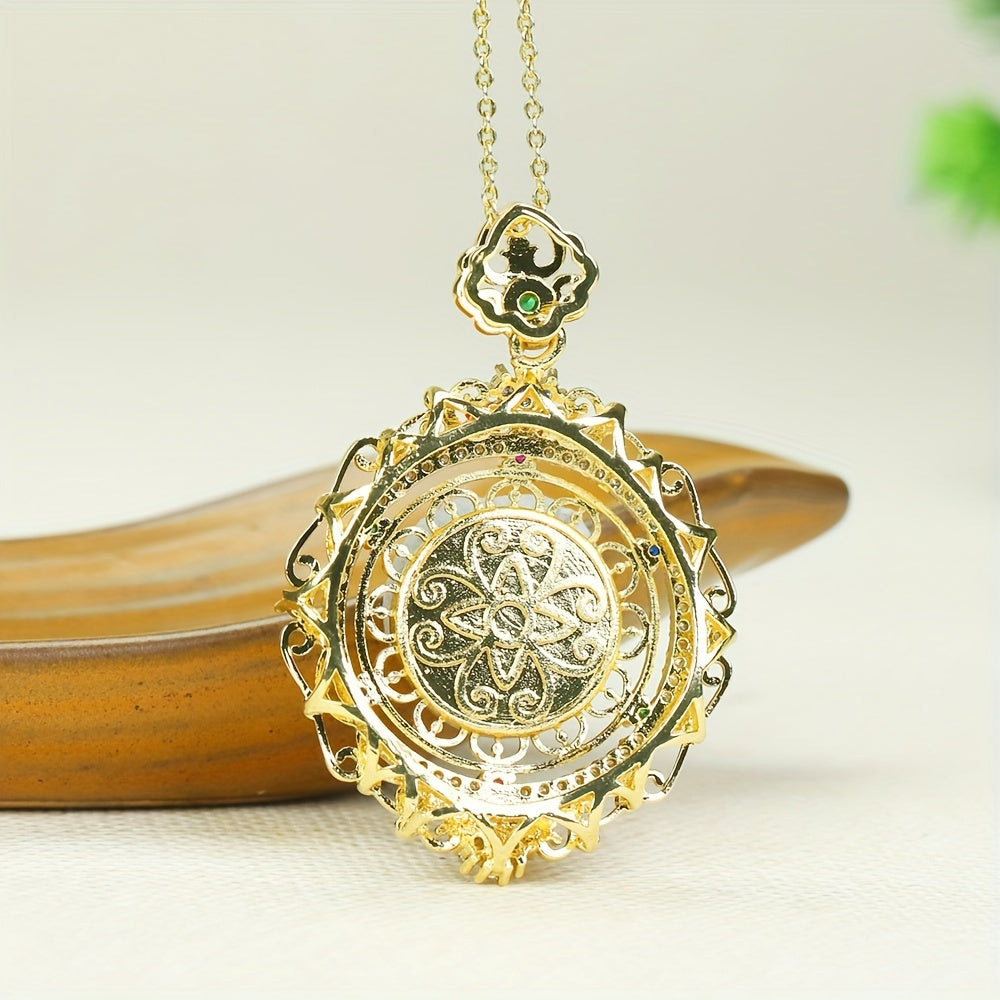
Spiritual Openness Without Religious Dogma: For men uncomfortable with organized religion but seeking spiritual dimension, crystal jewelry offers pathway to spirituality without doctrinal baggage. It represents individualized, experiential spirituality compatible with secular or pluralistic worldviews.
Rejection of Toxic Masculinity Norms: Choosing to wear jewelry (particularly with spiritual connotations) represents rejection of restrictive masculinity norms that equate emotional expression or aesthetic engagement with weakness. It signals more expansive, integrated masculine identity.
Environmental Consciousness: Natural stone jewelry, particularly when ethically sourced, communicates environmental values. It represents connection to natural world and commitment to sustainable consumption—increasingly important aspects of personal and professional identity.
Intergenerational Dialogue: Older men wearing crystal jewelry might signal continued personal growth and openness to new ideas, countering stereotypes of aging as rigidity. Younger men might signal connection to wisdom traditions amid digital-native existence. The jewelry becomes conversation starter across generations.
Global Citizenship: In multicultural societies, wearing elements from various spiritual traditions (while done respectfully) can signal global perspective and appreciation for diverse wisdom traditions. It represents cosmopolitan identity that transcends parochial boundaries.
This complex signaling explains why men's crystal jewelry has moved from niche spiritual circles to mainstream fashion. It satisfies multiple contemporary identity needs simultaneously: personal spirituality, social belonging, values communication, and aesthetic expression within evolving masculine norms.
Future Directions: The Next Evolution of Masculine Adornment
As cultural attitudes continue evolving, men's crystal jewelry will likely undergo further transformations. Several emerging trends suggest possible future directions for this ancient-yet-contemporary practice.
Technological Integration: Future pieces may incorporate subtle technology—embedded sensors tracking physiological responses to different stones, piezoelectric elements generating small charges from movement, or smart features connecting to meditation apps. This fusion of ancient materials with modern technology could appeal to tech-savvy spiritual seekers.
Hyper-Personalization: Advances in 3D scanning and printing may enable completely customized pieces based on individual energy readings, birth charts, or personal symbolism. Imagine pendants specifically shaped to amplify your unique energy signature or support specific life transitions.
Regenerative and Ethical Sourcing: As sustainability concerns grow, crystal jewelry may increasingly feature stones from urban mining (reclaimed building materials), lab-grown crystals with identical energetic properties, or stones sourced from regeneration projects where mining supports ecosystem restoration.
Multifunctional Designs: Future pieces might serve multiple functions—pendants that convert to worry stones or meditation tools, jewelry incorporating storage for other meaningful items, or modular systems allowing stone changes according to need or season.
Scientific Validation Research: As interest grows, more rigorous scientific examination of crystal effects may emerge. Interdisciplinary research combining materials science, psychology, and anthropology could yield fascinating insights, potentially validating some traditional beliefs while refining others.
Intercultural Synthesis: Global connectivity allows unprecedented synthesis of diverse traditions. Future designs might blend Celtic knotwork with Tibetan symbolism, Amazonian stones with Japanese aesthetics, creating truly global spiritual tools that transcend any single cultural lineage.
Community and Ritual Integration: Jewelry might become more integrated with community practices—pieces designed for group meditation, synchronized intention-setting, or collective rituals. This would represent return to jewelry's original social functions beyond individual adornment.
Regardless of specific developments, the fundamental human needs addressed by masculine adornment—spiritual connection, identity expression, protection, status communication—will persist. The forms will continue evolving, but the essence remains: humans using earth's materials to navigate life's challenges, mark personal journeys, and connect with something greater than themselves.
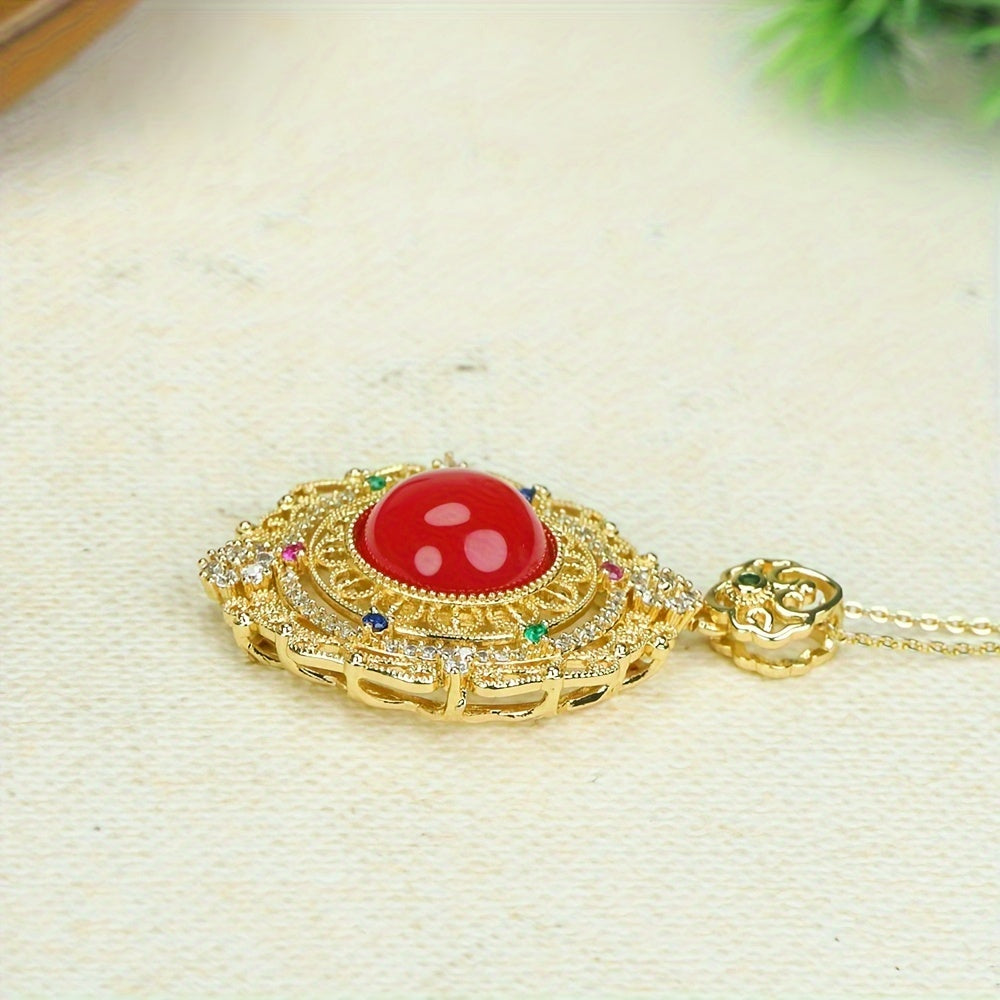
The red agate pendant hanging around a modern man's neck carries this entire history—from prehistoric hunter's talisman to medieval pilgrim's protection to contemporary seeker's grounding tool. It represents not fashion trend but human continuity, connecting wearer to practices spanning millennia while addressing uniquely modern concerns. In uncertain times, such connections offer not escape from present challenges but perspective—reminding us that humans have always used earth's gifts to navigate uncertainty, mark meaning, and carry our intentions close to heart.
