





The Rise of Spiritual Minimalism in Contemporary Jewelry
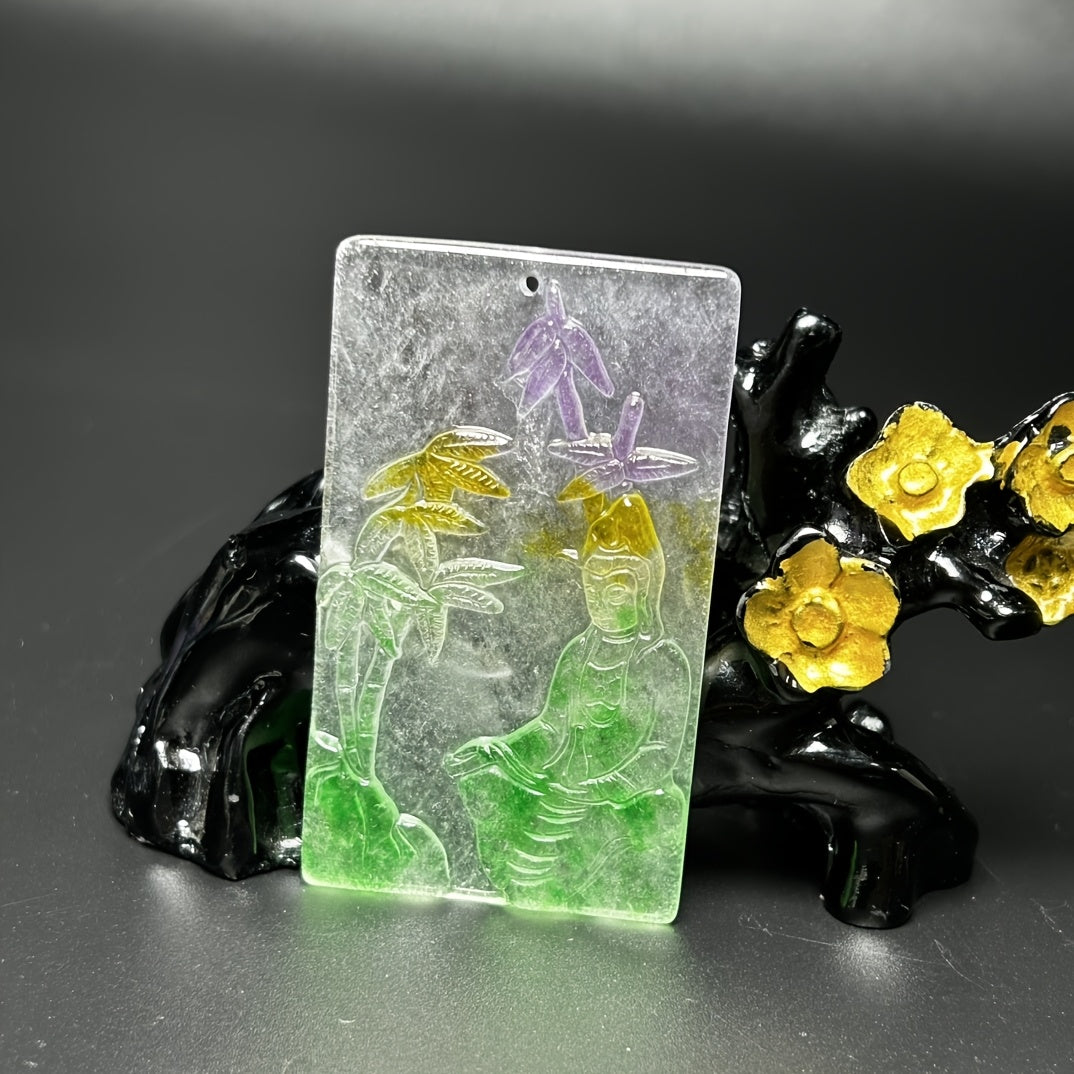
In an era characterized by digital overload and constant stimulation, a counter-movement has emerged in the realm of personal adornment: spiritual minimalism. This design philosophy, deeply rooted in Buddhist principles of simplicity and mindfulness, represents a significant departure from the ornate, statement jewelry that dominated previous decades. Buddhist-inspired minimalist jewelry, such as the Vintage Buddhist Meditation Pendant Necklace, embodies this shift toward meaningful simplicity—where less decoration creates more space for personal significance and energetic intention.
The appeal of these pieces lies in their dual function: they serve as subtle aesthetic complements to contemporary fashion while simultaneously operating as portable spiritual tools. Unlike overtly religious symbols that might alienate some wearers, minimalist Buddhist jewelry employs universal design elements—circles, natural stones, simple metals—that communicate spiritual values without demanding specific religious affiliation. This inclusive approach has propelled spiritual minimalism from niche mindfulness circles into mainstream fashion consciousness.
 View Product Details & Buy Now
Designers in this space often cite the Japanese concept of "ma" (negative space) and the Buddhist principle of "sunyata" (emptiness) as foundational inspirations. By intentionally leaving space—both physically in the design and metaphorically in the wearer's interpretation—these pieces invite personal meaning-making. The Vintage Buddhist Meditation Pendant exemplifies this approach: its circular frame contains the central stone without crowding it, creating visual balance that mirrors the mental equilibrium sought through mindfulness practice.
Material Consciousness: The Energetic Intelligence of Natural Elements
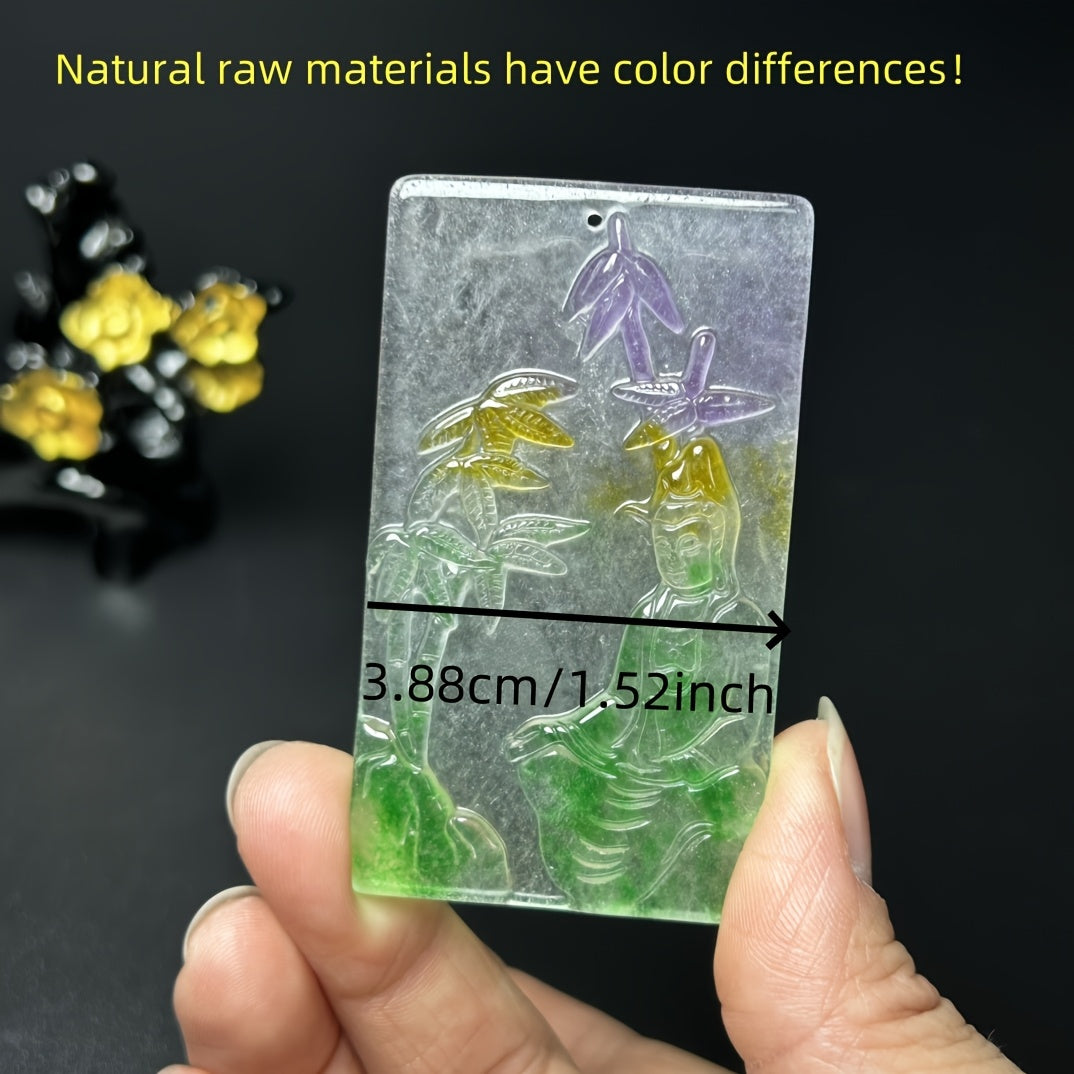
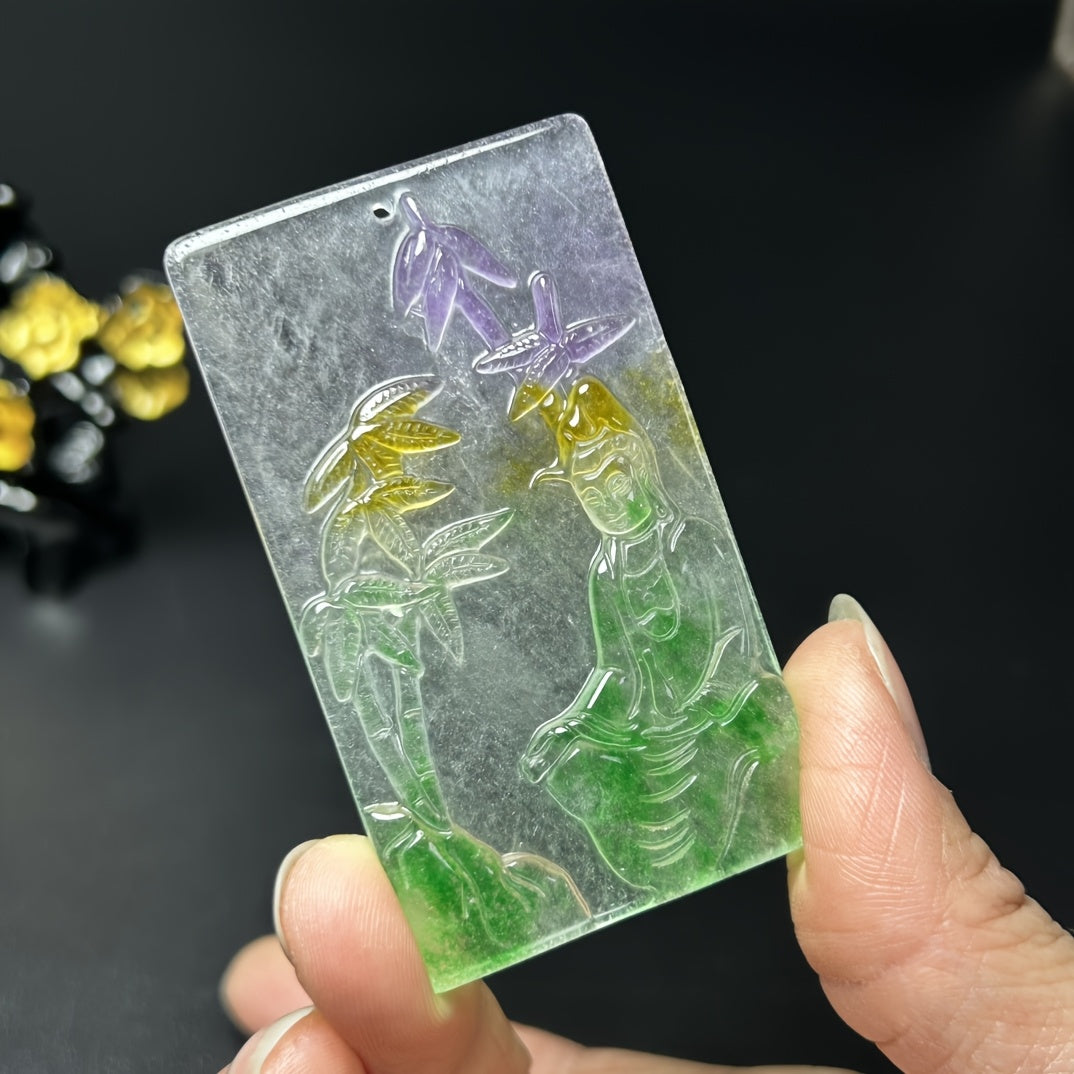
The choice of materials in Buddhist-inspired jewelry carries profound symbolic and energetic significance. Unlike mass-produced accessories utilizing synthetic components, pieces like the Vintage Buddhist Meditation Pendant prioritize natural materials with inherent energetic properties. The green stone at the center isn't merely decorative; it's selected for its connection to heart-centered energy and its geological history—a tangible piece of Earth's narrative worn close to the body.
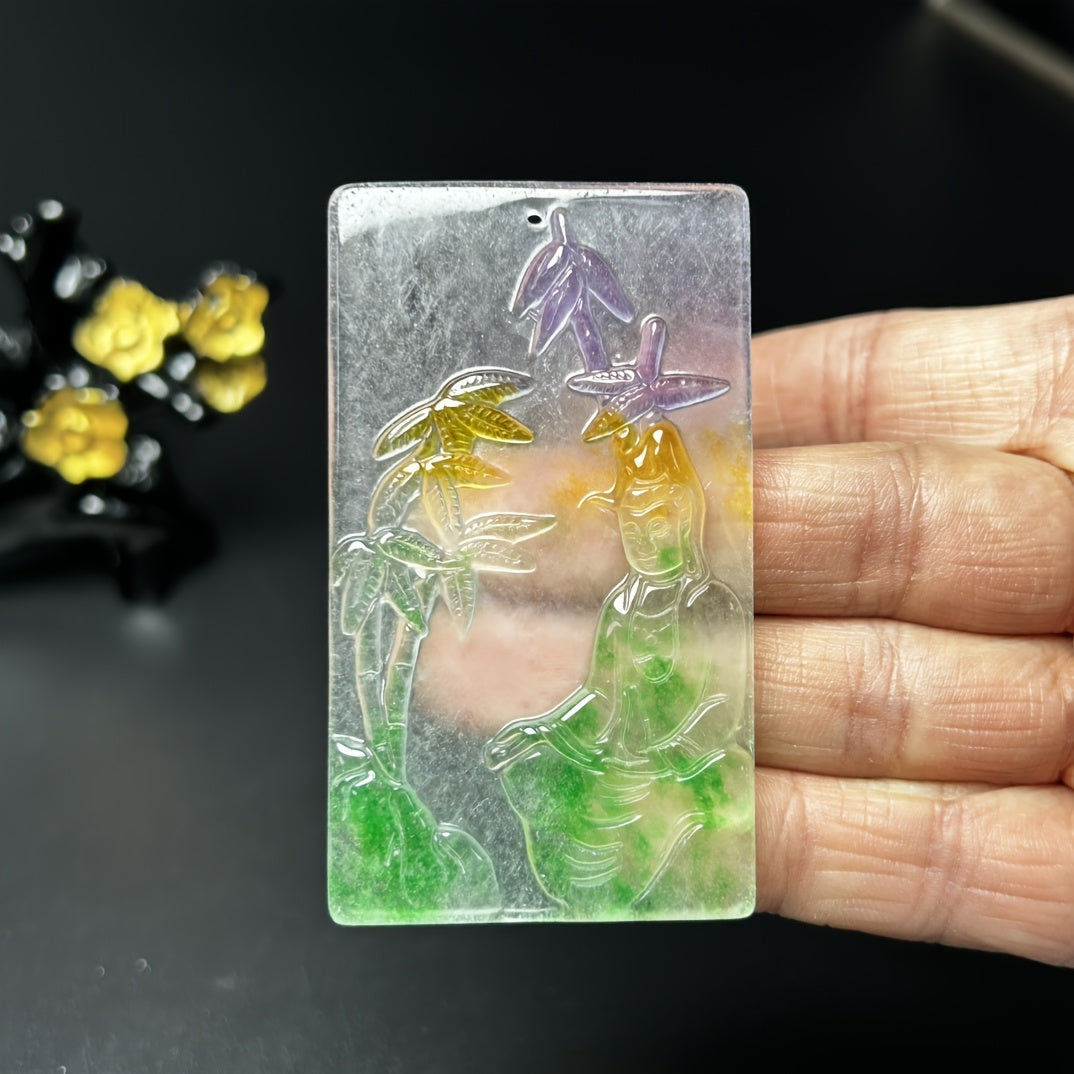
Natural stones exhibit what geologists call "inclusions"—internal features that record the conditions of their formation. In spiritual contexts, these imperfections are celebrated as evidence of authenticity and uniqueness. The color variations in the green stone of our featured pendant aren't manufacturing inconsistencies but geological signatures, making each piece literally one-of-a-kind. This material authenticity resonates with contemporary consumers increasingly concerned with transparency, sustainability, and meaningful consumption.
The metal components in these designs also carry symbolic weight. Gold and gold-toned alloys reference not just material value but spiritual illumination across Buddhist traditions. In Tibetan Buddhism specifically, gold represents the sun's pure, transformative energy and is associated with enlightenment. The metal framing in minimalist Buddhist jewelry often takes geometric forms that subtly reference sacred geometry—circles representing wholeness, squares representing stability, or mandala-inspired patterns that visually suggest spiritual cosmology.
 View Product Details & Buy Now
Wearable Mindfulness: Jewelry as Meditation Technology
Perhaps the most innovative aspect of Buddhist-inspired minimalist jewelry is its function as "wearable mindfulness technology." In a literal sense, these pieces serve as tactile anchors for present-moment awareness—physical objects that gently remind wearers to return to conscious breathing and bodily awareness throughout the day. The psychological mechanism here is powerful: by associating a specific sensory experience (the feeling of the pendant against skin) with mindfulness practice, wearers create conditioned pathways to presence.
Neuroscience research supports this approach. Studies on sensory anchors in mindfulness practice demonstrate that physical objects can significantly enhance meditation depth and frequency. The pendant becomes what cognitive psychologists call an "environmental support"—an external cue that triggers internal states. Each time the wearer notices the pendant's weight or texture, neural pathways associated with mindfulness are subtly reinforced, making conscious awareness increasingly accessible throughout daily activities.
This functional dimension transforms jewelry from passive ornamentation to active spiritual tool. The Vintage Buddhist Meditation Pendant Necklace exemplifies this transition: its adjustable length allows positioning at the heart center (an important energy point in both Eastern and Western spiritual traditions), while its circular form creates a visual focal point during seated meditation. Unlike meditation apps that require screen engagement, this technology works through subtle, embodied interaction—a gentle nudge toward presence rather than an intrusive notification.
 View Product Details & Buy Now
Cultural Synthesis: Buddhist Symbolism in Global Contemporary Design
The integration of Buddhist design principles into global fashion represents a fascinating case study in cultural exchange and spiritual globalization. Unlike cultural appropriation—which extracts symbols without understanding or respect—thoughtfully crafted Buddhist-inspired jewelry demonstrates cultural appreciation through deep engagement with symbolic meaning and ethical production. Designers creating these pieces typically engage in substantial research into Buddhist iconography, often consulting with practitioners or scholars to ensure symbolic integrity.
The symbols employed in minimalist Buddhist jewelry are often what anthropologists call "universalizable motifs"—elements like circles, natural materials, and simple geometric forms that carry cross-cultural spiritual resonance. The circular pendant, for instance, references not only Buddhist concepts of endless cycles but also Celtic knots, Native American medicine wheels, and Jungian archetypes of wholeness. This symbolic versatility allows wearers from diverse backgrounds to find personal meaning while honoring the symbols' origins.
Contemporary designers also adapt traditional symbols for modern contexts. For example, while traditional Buddhist malas (prayer beads) contain 108 beads for specific mantras, minimalist adaptations might feature simplified versions with 27 or 54 beads—maintaining the symbolic structure while accommodating contemporary lifestyles. The Vintage Buddhist Meditation Pendant represents another adaptation: distilling essential Buddhist principles (mindfulness, compassion, impermanence) into a single wearable symbol rather than replicating specific iconography. This approach respects tradition while allowing for personal interpretation—a balance increasingly valued in our pluralistic global culture.
 View Product Details & Buy Now
The Energy Economics of Conscious Adornment
Beyond aesthetics and symbolism, Buddhist-inspired minimalist jewelry operates within what might be termed "energy economics"—the exchange and transformation of personal and environmental energies through material objects. In various spiritual traditions, jewelry isn't merely decorative but serves specific energetic functions: protection, amplification, filtration, or channeling of subtle energies. The contemporary revival of these functions represents a fascinating intersection of ancient wisdom and modern energy consciousness.
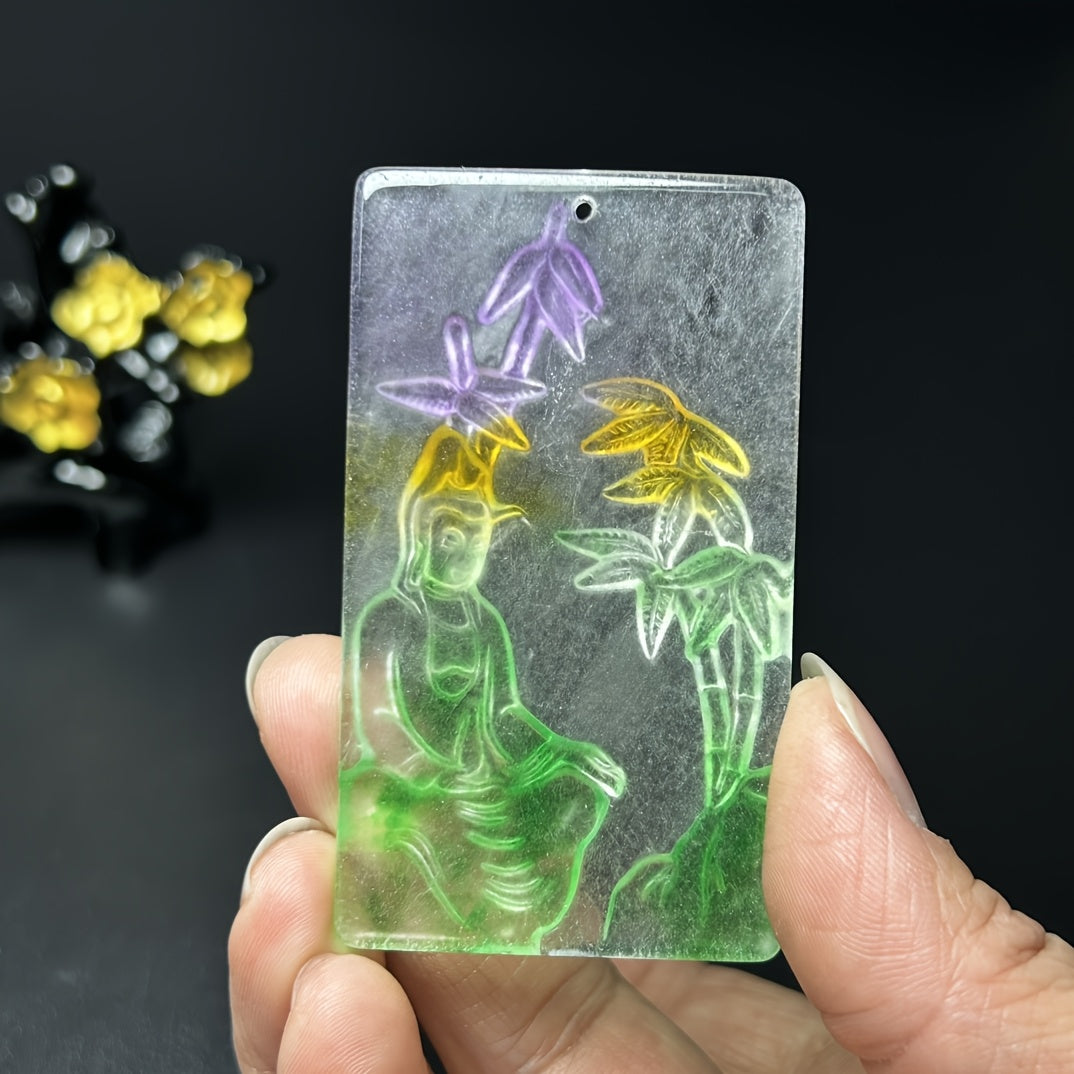
The green stone in meditation pendants, for instance, is often selected for its association with heart chakra energy—believed to facilitate emotional balance and compassion. Whether understood literally (as affecting bioenergetic fields) or metaphorically (as psychological anchors for emotional states), these energetic properties contribute to the jewelry's perceived value. Wearers frequently report tangible effects: increased calm, heightened intuition, or enhanced meditation experiences. While scientific validation of these effects varies, the phenomenological reality—the lived experience of wearers—demonstrates meaningful impact regardless of explanatory framework.
This energetic dimension also informs care rituals. Unlike conventional jewelry cleaned merely for appearance, spiritual pieces often receive energetic maintenance: moon charging, smudging, intention setting. These practices extend the jewelry's lifespan while deepening the wearer's relationship with the piece. The care instructions for the Vintage Buddhist Meditation Pendant reflect this holistic approach, addressing both physical maintenance and energetic renewal—a testament to its multifunctional nature as both accessory and spiritual instrument.
 View Product Details & Buy Now
Sustainable Spirituality: Environmental Ethics in Spiritual Jewelry Production
The spiritual minimalism movement intersects powerfully with environmental consciousness. Buddhist principles of interconnectedness and non-harm naturally extend to concerns about material sourcing, production ethics, and environmental impact. Conscious consumers increasingly seek jewelry that aligns with their spiritual and ecological values—creating demand for transparent, ethical supply chains in an industry historically plagued by opacity.
Natural materials in Buddhist-inspired jewelry carry lower environmental impact than synthetic alternatives, but truly sustainable practice extends beyond material choice. Ethical sourcing considers mining conditions, fair compensation for artisans, and minimal processing that preserves the material's natural integrity. The stone in meditation pendants often comes from small-scale, regulated mines or recycled materials, reflecting commitment to what might be called "right livelihood" in Buddhist terms—ethical economic activity that causes minimal harm.
This ethical dimension enhances the jewelry's spiritual potency. When wearers know their pendant was sourced and crafted with respect for people and planet, that consciousness becomes part of the piece's energetic signature. The story of ethical production—from mine to artisan to wearer—adds narrative depth that transforms commodity into sacred object. This represents a significant shift in luxury perception: value derives not from rarity or price but from ethical and energetic integrity.
 View Product Details & Buy Now
The Future of Spiritual Adornment: Integration and Innovation
As mindfulness practices continue entering mainstream consciousness, spiritual jewelry evolves to meet changing needs and technologies. Future developments likely include even greater integration with digital mindfulness tools, biometric feedback systems, or materials with scientifically demonstrated effects on mood and cognition. However, the core appeal will probably remain what it is today: physical objects that bridge inner and outer worlds, making spiritual practice tangible in daily life.
The increasing personalization of spiritual jewelry represents another significant trend. As 3D printing and custom design become more accessible, wearers can collaborate on pieces that reflect their unique spiritual paths—combining traditional symbols in personal configurations or incorporating elements with specific personal significance. This customization doesn't dilute traditional meanings but rather extends the living tradition of spiritual symbolism into contemporary personal expression.
Perhaps most importantly, the growth of spiritual minimalism in jewelry reflects broader cultural shifts toward meaning-centered consumption. In a world saturated with disposable goods, objects that support personal growth and spiritual development offer countercultural value. The Vintage Buddhist Meditation Pendant Necklace exemplifies this shift: it's designed not for temporary fashion but for lasting spiritual utility. As this approach gains momentum, it may inspire transformation across the fashion industry—from trend-driven excess to meaning-centered design that honors both personal growth and planetary wellbeing.
Ultimately, Buddhist-inspired minimalist jewelry represents more than a fashion trend. It's a tangible manifestation of evolving consciousness—evidence that increasing numbers of people seek to integrate spiritual values into daily life through beautiful, intentional objects. As this movement grows, it offers hopeful vision: that personal adornment might evolve from superficial decoration to meaningful practice, and that the objects we choose to wear might reflect not just what we want to look like, but who we aspire to become.
