




In an era characterized by increasing polarization and either/or thinking, ancient wisdom traditions offer profound alternatives. The Taoist concept of yin-yang, with its emphasis on complementary opposites and dynamic balance, finds new relevance in contemporary jewelry design as both aesthetic statement and philosophical intervention.
Historical Roots and Philosophical Foundations
The yin-yang concept originated in ancient Chinese cosmology, with its earliest references appearing in the "I Ching" (Book of Changes) around 1000 BCE. Initially describing the shady (yin) and sunny (yang) sides of a hill, the terminology evolved to represent the fundamental polarity observed throughout nature and human experience. By the time of the Warring States period (475–221 BCE), yin and yang had become central to Chinese philosophical thought, particularly in Taoism and Confucianism.
What distinguishes yin-yang from simple dualism is its emphasis on complementarity rather than opposition. Unlike Western dualisms that often frame pairs as conflicting (good vs. evil, mind vs. body), yin-yang philosophy recognizes that opposites are mutually constitutive and interdependent. Each contains the seed of the other, as illustrated by the small dot of contrasting color within each half of the classic taijitu symbol.
The Modern Relevance of Ancient Balance
Contemporary society grapples with unprecedented polarization—political, social, and ideological. In this context, yin-yang philosophy offers a crucial corrective: the recognition that truth often resides in synthesis rather than extreme positions. Jewelry embodying this principle becomes not just personal adornment but a public statement about the value of integrative thinking.
Psychological Dimensions of Dual-Faced Design
From a psychological perspective, dual-faced yin-yang jewelry operates on multiple cognitive levels. The visual contrast between black and white engages the brain's pattern-recognition systems, while the philosophical concept challenges binary thinking patterns. Research in cognitive psychology suggests that exposure to symbols representing integration can actually shift thinking styles toward more nuanced, complex processing.
The physical act of choosing which side to face outward engages metacognition—thinking about thinking. This simple daily decision becomes practice in intentionality and self-awareness. As wearers become more attuned to their energetic needs, they develop greater capacity for emotional regulation and adaptive response to life's fluctuations.
"Wearing yin-yang symbolism creates what cognitive scientists call 'priming'—the symbol subtly activates neural networks associated with balance, integration, and holistic thinking. Over time, this can actually reshape cognitive habits toward more flexible, adaptive patterns." — Dr. Elena Chen, Cognitive Psychologist
Material Philosophy: Stone as Cosmic Medium
The choice of natural stone as the medium for yin-yang jewelry carries profound symbolic weight. Stone represents geological time—the slow, patient processes through which mountains form and erode. This timescale offers perspective on human concerns, reminding wearers that current polarizations and conflicts represent momentary fluctuations within much larger cycles.
Natural stone also embodies the concept of Wuji (無極)—the undifferentiated potential that precedes yin-yang differentiation. Before the stone is carved and polished, it contains all possibilities. The artist's work reveals the duality within the unity, much as consciousness reveals distinction within undifferentiated experience. This material narrative reinforces the philosophical understanding that apparent opposites emerge from common source.
Cultural Exchange and Global Adaptation
As yin-yang symbolism enters global jewelry markets, fascinating cultural adaptations occur. Western designers often blend the traditional symbol with contemporary aesthetics, while maintaining its philosophical essence. This cross-cultural exchange represents what anthropologists term "glocalization"—the adaptation of global symbols to local contexts while preserving core meanings.
Some designers create fusion pieces that combine yin-yang symbolism with other cultural balance symbols: the Celtic triskelion, the Native American medicine wheel, or the Hindu mandala. These hybrid designs reflect our interconnected world while honoring the universal human quest for harmony amidst complexity.
Ethical Considerations in Cultural Representation
The popularity of yin-yang jewelry raises important questions about cultural appropriation versus appreciation. Responsible designers address this by: studying the symbol's historical and philosophical context, collaborating with cultural experts, acknowledging the symbol's origins, and creating designs that honor rather than dilute its meaning. The most successful pieces deepen cultural understanding while making ancient wisdom accessible to contemporary audiences.
Spiritual Practice Through Wearable Symbolism
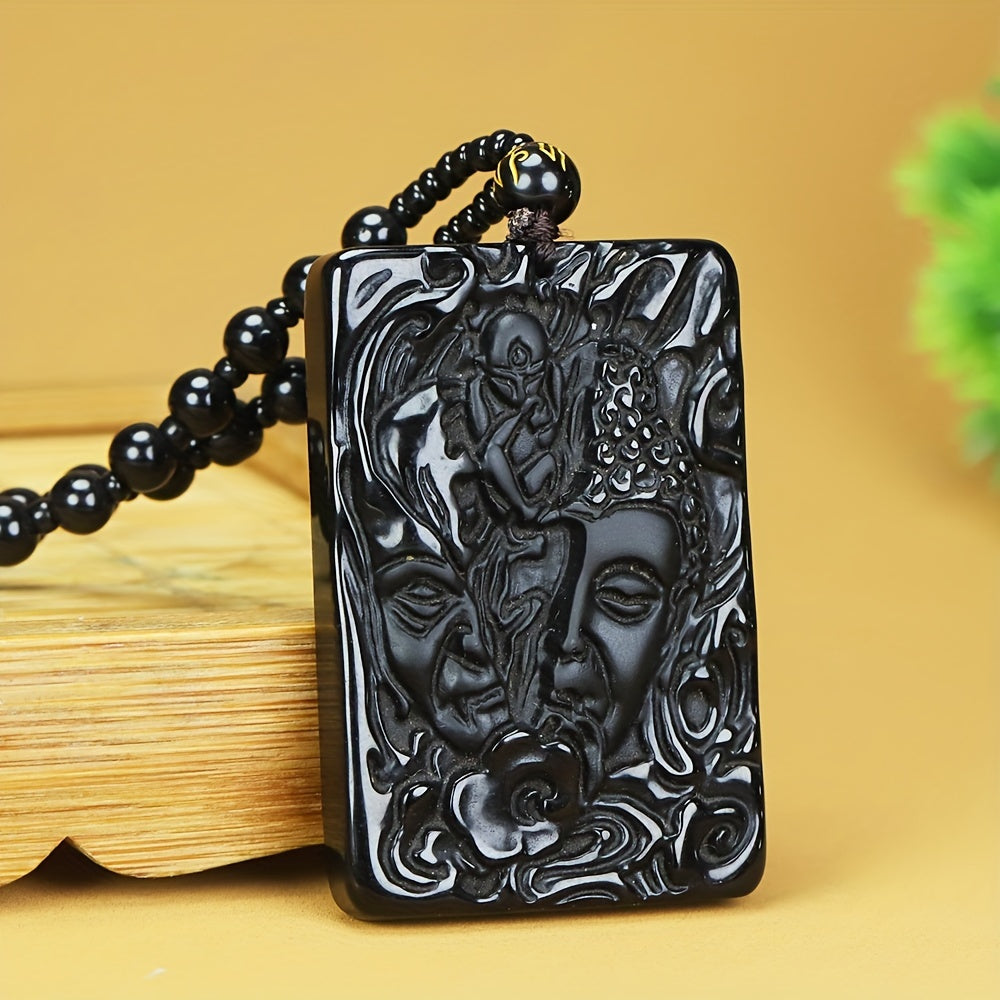
For spiritual practitioners, yin-yang jewelry transforms daily life into contemplative practice. Each interaction with the pendant—putting it on, feeling its weight, noticing which side faces outward—becomes an opportunity for mindfulness. The physical object serves as what Buddhist traditions call an "upaya" (skillful means)—a concrete tool for cultivating awareness of abstract principles.
The dual-faced design particularly supports what Taoist practitioners term "holding the tension of opposites"—the capacity to maintain awareness of contradictory truths without prematurely resolving the tension. This advanced spiritual skill finds physical expression in wearing a pendant that literally presents two faces to the world.
The Energetics of Contrast
Energy workers observe that well-crafted yin-yang jewelry creates a unique energetic field. The contrast between materials and finishes generates what physicists might call a "potential difference"—a space where energy can flow. This energetic dynamic can help balance the wearer's chi (life force) by providing a reference point for harmonious oscillation between complementary states.
Gender Dynamics in Symbolic Jewelry
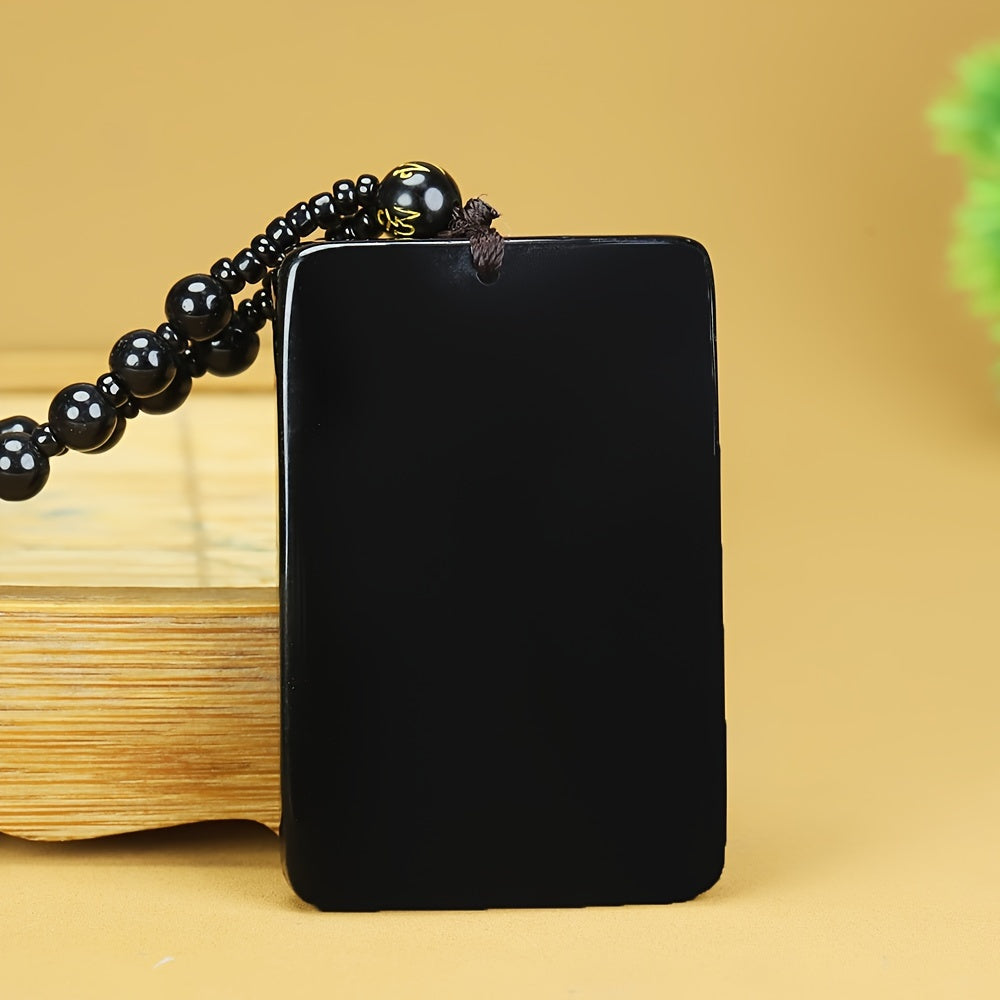
Yin-yang jewelry's popularity among men represents a significant shift in masculine adornment practices. Traditionally, men's jewelry has emphasized minimalism or status symbols. Philosophical jewelry like the yin-yang pendant introduces a new category: adornment as intellectual and spiritual statement.
This shift reflects broader cultural changes in masculinity, allowing men to engage with symbolism, spirituality, and aesthetic complexity without compromising traditional masculine values of strength and substance. The pendant's bold size and substantial weight make it compatible with masculine aesthetics while introducing philosophical depth.
Market Trends and Consumer Psychology
The market for philosophical and spiritual jewelry has grown exponentially in the past decade, particularly among millennials and Gen Z consumers. Market research identifies several driving factors: search for meaning in material culture, desire for authentic connection in digital environments, and preference for products that reflect personal values.
Yin-yang jewelry occupies a unique niche within this market. It appeals simultaneously to spiritual seekers, philosophy enthusiasts, fashion-forward individuals, and those seeking alternatives to conventional status symbols. The symbol's recognition across cultures gives it broad appeal, while its philosophical depth attracts consumers seeking substance beyond surface aesthetics.
Environmental and Ethical Dimensions
The use of natural stone in yin-yang jewelry raises important questions about sustainability. Responsible sourcing involves: selecting stones from ethical quarries, minimizing environmental impact through efficient carving techniques, and ensuring fair labor practices throughout the supply chain.
Some designers take this further by using reclaimed or recycled stone, or by creating pieces that tell specific geological stories. A pendant carved from stone with particular mineral inclusions, for example, might represent how apparent "imperfections" actually contribute to unique beauty—another expression of yin-yang principles.
Future Directions: Technology and Tradition
Emerging technologies offer fascinating possibilities for yin-yang jewelry. Smart materials could change color in response to the wearer's biometric data, visually representing shifting energy states. Augmented reality could allow wearers to access philosophical teachings by scanning their pendant. 3D printing could create intricate yin-yang structures impossible through traditional carving.
Yet the core appeal of yin-yang jewelry will likely remain its connection to ancient wisdom and natural materials. As technology advances, the most compelling designs will be those that enhance rather than replace the human elements of craftsmanship, materiality, and philosophical depth.
Conclusion: Jewelry as Philosophical Practice
Yin-yang jewelry represents more than a fashion trend—it's part of a broader cultural movement toward integrating wisdom traditions with contemporary life. In wearing such symbols, individuals don't just adorn their bodies; they adorn their consciousness with reminders of balance, integration, and the dynamic interplay of opposites.
As polarization intensifies across societies, symbols of complementarity and balance become increasingly important. Each yin-yang pendant worn becomes a small act of cultural resistance against either/or thinking, a personal commitment to finding wholeness amidst fragmentation, and a tangible connection to ancient wisdom that speaks urgently to modern dilemmas.
Ultimately, the enduring appeal of yin-yang jewelry lies in its capacity to hold complexity gracefully. It reminds us that we need not choose between opposites but can learn to dance with them—that true harmony emerges not from eliminating tension but from mastering its rhythms. In this sense, each pendant becomes not just an object but a practice, not just a symbol but a way of being in the world.
