





Exploring the intersection where millions of years of geological formation meet contemporary emotional needs through wearable earth science
In an increasingly digital and abstract world, a quiet revolution is occurring at the intersection of geology and emotional wellness. Natural stone jewelry, particularly pieces like the Quartz Rock Smiling Character Pendant, represents more than mere fashion—it represents a profound reconnection with Earth's physical reality and a recognition that our emotional wellbeing is intimately connected to planetary processes. This convergence of earth science and emotional health creates what we might call "geological wellness"—the understanding that wearing Earth's history can ground us emotionally in the present.
Quartz, one of Earth's most abundant minerals, carries within its crystalline structure a record of geological time, pressure, and transformation. When shaped into jewelry and combined with human expression (like the smiling character), it becomes a bridge between deep time and present emotion, between planetary processes and personal experience. This pendant exemplifies how contemporary jewelry design is evolving beyond aesthetics to incorporate geological literacy and emotional intelligence.
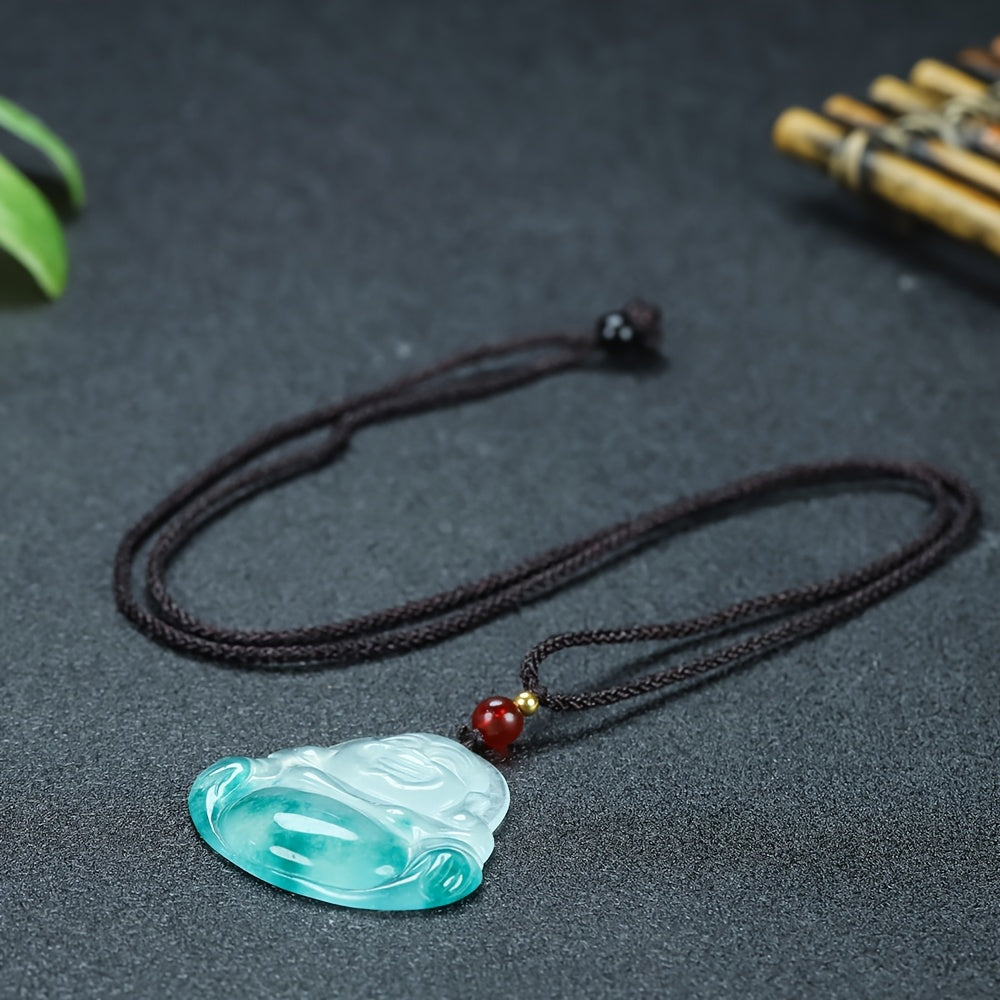
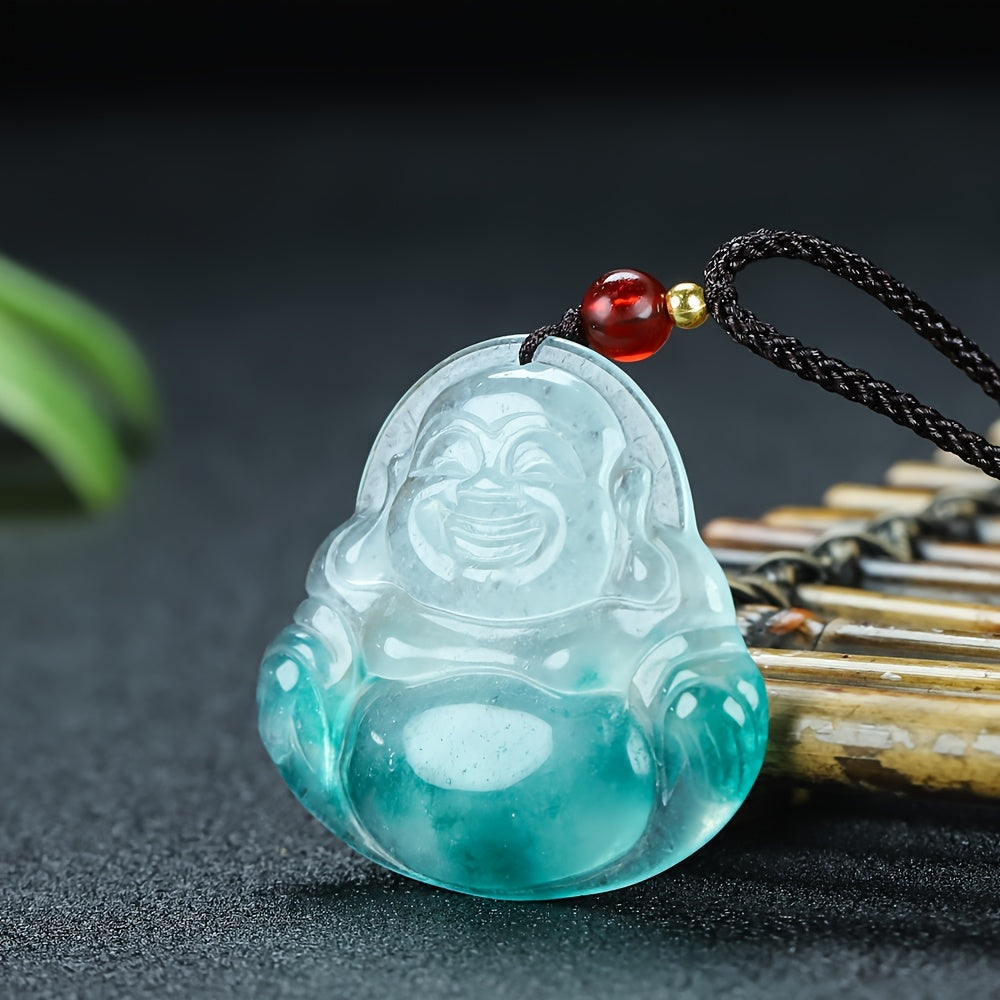
The Quartz Rock Smiling Character Pendant: A geological artifact transformed into emotional wellness tool
Experience the unique fusion of geological history and emotional expression with this natural stone pendant.
View Product Details & Buy NowThe Science of Quartz Formation: Earth's Memory in Crystal Form
Quartz begins its journey as silicon and oxygen atoms arranging themselves into a precise crystalline structure under specific conditions of temperature and pressure. The "random hair patterns" mentioned in the product description are actually rutile inclusions—needle-like crystals of titanium dioxide that became trapped during the quartz's formation. Each inclusion tells a story about the conditions present during crystallization, creating what geologists call "geological fingerprints" that make every piece unique.
Quartz forms through hydrothermal processes where silica-rich fluids cool and crystallize within rock cavities. This process can take thousands to millions of years, with the specific conditions determining crystal size, clarity, and inclusion patterns.
The "hair-like" patterns (rutile inclusions) form when titanium dioxide crystallizes within the growing quartz. These inclusions aren't flaws but rather records of changing conditions during formation, much like tree rings record climate history.
Most quartz used in jewelry formed during the Paleozoic or Mesozoic eras—anywhere from 66 to 540 million years ago. Wearing quartz means wearing a piece of Earth's history that predates human existence by millions of years.
This geological perspective adds depth to the emotional experience of wearing quartz. When someone touches their pendant during a stressful moment, they're not just touching a stone—they're connecting with something that has existed through volcanic eruptions, tectonic shifts, and climate changes far beyond human timescales. This perspective can create what psychologists call "temporal grounding"—the awareness that current difficulties exist within a much larger timeframe.
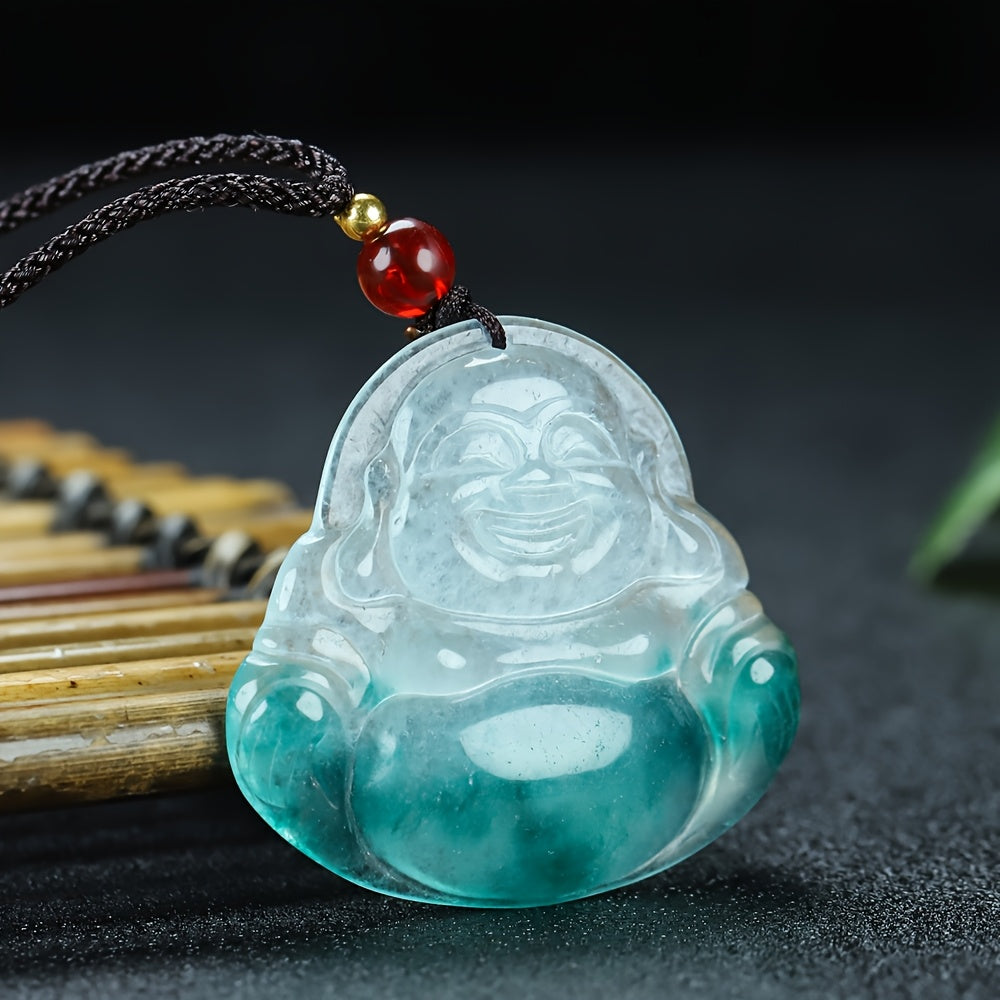
Natural inclusions: Each hair-like pattern tells a geological story millions of years in the making
The Psychology of Geological Connection
Recent research in environmental psychology and ecotherapy has begun to quantify what ancient cultures intuitively understood: connection with natural materials affects emotional wellbeing. Several psychological mechanisms explain why natural stone jewelry might have emotional benefits:
Humans have an innate tendency to seek connections with nature. The biophilia hypothesis suggests that contact with natural elements reduces stress and improves cognitive function. Natural stone jewelry provides constant, subtle contact with geological nature throughout the day.
The physical sensation of touching natural stone provides sensory input that can interrupt anxious thought patterns. This works similarly to worry stones or fidget toys but with added geological significance that enhances the grounding effect.
Holding something millions of years old can shift perspective on current problems. Psychologists call this "temporal distancing"—viewing current difficulties from the perspective of geological time can reduce their perceived magnitude and urgency.
The smiling character carved into the quartz adds another psychological dimension. Facial expressions, even stylized ones, trigger mirror neuron responses in observers. A smiling face can subtly influence mood through emotional contagion—the tendency for emotions to spread between individuals. When that smiling face is carved into ancient quartz, it creates a fascinating juxtaposition: ephemeral human emotion expressed through enduring geological material.
Discover how geological connection can support emotional wellness through this unique natural stone piece.
View Product Details & Buy NowHistorical Context: From Ancient Talismans to Modern Geology
The use of quartz in jewelry and spiritual practices spans human history, with each era interpreting the stone through its particular cultural and scientific lens:
Quartz tools and ornaments appear in archaeological sites worldwide. The stone's conchoidal fracture made it ideal for tool-making, while its translucency and durability made it valued for ornamentation. Early humans likely recognized quartz's unique properties without understanding its crystalline structure.
Egyptians used quartz in scarabs and amulets, associating it with protection and connection to the gods. Mesoamerican cultures carved quartz into ritual objects, believing it captured and channeled spiritual energy. Greek and Roman natural philosophers began systematic study of quartz properties.
Quartz was often confused with other transparent minerals. European lapidaries attributed various healing properties to "crystal" based on color and clarity rather than mineralogical understanding. The concept of "crystal balls" for divination emerged during this period.
Early mineralogists began systematic classification of quartz varieties. The development of crystallography in the 17th-18th centuries allowed scientists to understand quartz's hexagonal crystal system. However, jewelry use remained largely aesthetic rather than scientifically informed.
Advances in geology and mineralogy revealed quartz's formation processes and global distribution. The 20th century saw both scientific understanding deepen and New Age movements develop metaphysical interpretations. Contemporary jewelry represents the first time both perspectives can be integrated intelligently.
What makes contemporary natural stone jewelry particularly interesting is its ability to honor both scientific understanding and emotional experience. Unlike earlier periods where geological knowledge was limited or metaphysical beliefs were unscientific, today's designers can create pieces that acknowledge quartz's actual formation process while recognizing its psychological and emotional significance.
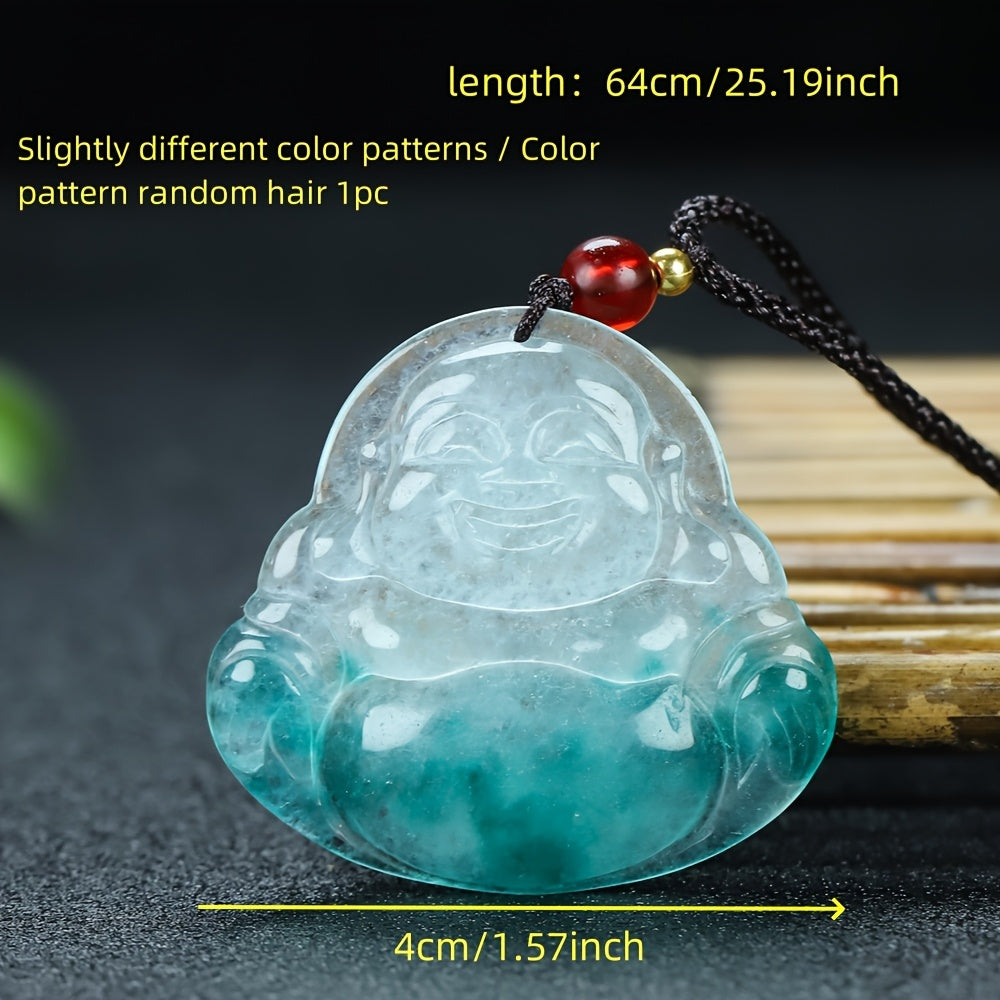
Each piece unique: Natural variations in quartz create geological individuality
The Neuroscience of Mineral Interaction
While metaphysical claims about crystal energy remain scientifically unproven, research in materials science and psychology suggests several mechanisms through which natural stone jewelry might affect wearers:
"From a neuroscience perspective, the effects of natural materials on human psychology are likely mediated through multiple pathways: tactile stimulation of pressure receptors, visual processing of natural patterns, and cognitive associations with nature. What's particularly interesting about geological materials is their combination of visual complexity (natural patterns) with narrative depth (formation stories). This creates rich multisensory input that can influence mood and attention regulation."
Several scientifically documented effects may contribute to the experience of wearing natural stone:
Tactile Processing: The weight, temperature conductivity, and texture of quartz provide constant low-level sensory input that can help maintain present-moment awareness—a key component of mindfulness practices.
Visual Pattern Recognition: Natural patterns in quartz (inclusions, color variations) engage the brain's pattern recognition systems in ways that differ from manufactured patterns. Research suggests viewing natural patterns can induce mild meditative states.
Cognitive Association: Knowing something about quartz's geological origins creates cognitive associations with concepts like stability, endurance, and natural processes. These associations can subtly influence emotional states through what psychologists call "priming effects."
Placebo and Meaning Response: Even if quartz doesn't have inherent "energy," believing it does can trigger placebo responses. Neuroscientist Fabrizio Benedetti's research shows that meaningful objects can activate neurotransmitter systems involved in mood regulation.
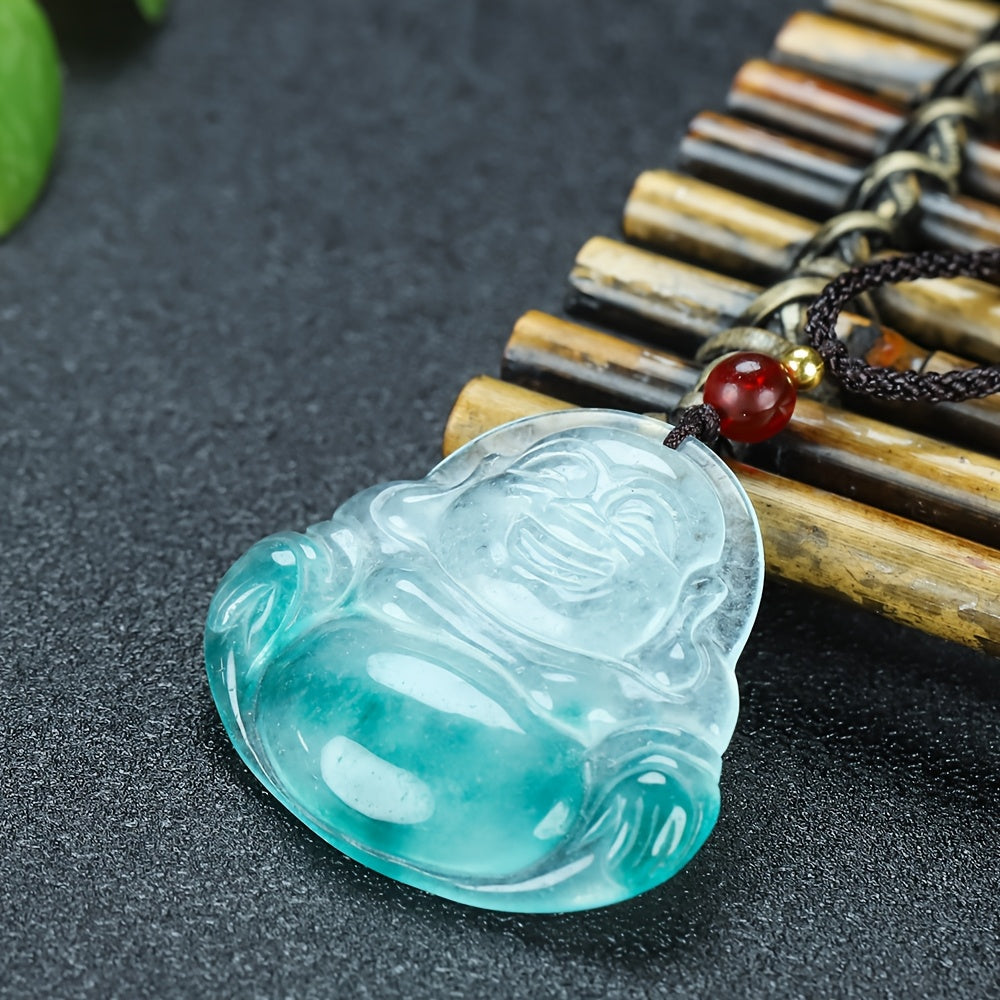
Geological grounding: The weight and texture of quartz provide constant sensory connection to Earth
Explore how geological materials can influence emotional states through multiple sensory pathways.
View Product Details & Buy NowContemporary Design Philosophy: Bridging Science and Symbolism
The Quartz Rock Smiling Character Pendant represents an emerging design philosophy that intelligently bridges scientific understanding and symbolic expression:
Material Authenticity: Rather than polishing quartz to gemstone perfection, this design preserves the stone's natural texture and inclusions. This honors the geological reality of quartz formation while creating visual interest through natural variation.
Scale Consideration: The 4cm size represents thoughtful design—large enough to appreciate geological details but small enough for comfortable daily wear. This balance reflects understanding of both aesthetic and practical considerations.
Symbolic Integration: The smiling character isn't arbitrarily applied but thoughtfully integrated. By carving directly into the quartz, the design suggests that human emotion and geological material aren't separate but can coexist in meaningful relationship.
Gender Considerations: Designing natural stone jewelry specifically for men challenges traditional gender associations with crystals and jewelry. This represents progressive understanding of masculinity that includes emotional awareness and natural connection.
Growing Market Segment: Natural stone jewelry with geological authenticity represents one of the fastest-growing segments in the accessories market. Consumers increasingly seek products with authentic stories, transparent sourcing, and meaningful design that goes beyond mere fashion.
Demographic Shifts: Younger consumers, particularly Millennials and Gen Z, show strong interest in products that combine aesthetic appeal with environmental awareness and emotional wellness support. This pendant exemplifies how jewelry can address multiple contemporary values simultaneously.
Educational Component: Many consumers appreciate learning about the geological aspects of their jewelry. Brands that provide geological information alongside their products often see higher engagement and customer loyalty.
Environmental and Ethical Considerations
As interest in natural stone jewelry grows, so do concerns about ethical sourcing and environmental impact:
Sourcing Transparency: Quartz is abundant worldwide, reducing pressure on specific locations compared to rare gems. However, responsible sourcing still matters—ensuring mining operations follow environmental regulations and provide fair working conditions.
Low-Impact Processing: Unlike gemstones that require extensive cutting and polishing, natural quartz pendants often involve minimal processing. This reduces energy consumption and environmental impact compared to highly processed jewelry materials.
Educational Value: Wearing and discussing natural stone jewelry can increase geological literacy and environmental awareness. Each pendant becomes an opportunity to discuss Earth processes, mineral formation, and humanity's relationship with geological resources.
"The most exciting aspect of geological jewelry isn't just the aesthetics—it's the potential for what I call 'wearable earth education.' When someone wears a quartz pendant and learns about its formation, they're not just accessorizing; they're carrying a piece of Earth's story. This creates personal connection to geological processes that abstract environmental education often fails to achieve. That personal connection, in turn, can support more responsible environmental attitudes and behaviors."
Sustainable relationship: Caring for geological materials fosters connection with natural processes
Future Directions: Geological Wellness as Emerging Field
The intersection of geology, jewelry design, and emotional wellness suggests several future developments:
Scientific Validation: As interest grows, we may see more rigorous research on how interaction with geological materials affects psychological states. This could lead to evidence-based guidelines for using natural materials in stress reduction and emotional regulation.
Technological Integration: Future designs might incorporate sensors that provide information about the stone's geological history or respond to environmental conditions, creating interactive geological experiences.
Therapeutic Applications: Natural stone jewelry might find applications in therapeutic contexts—as grounding tools in anxiety treatment, mindfulness aids in therapy, or sensory regulation supports for neurodiverse individuals.
Educational Expansion: Jewelry could become a platform for geological education, with QR codes or NFC chips linking to information about the specific stone's formation, location, and geological significance.
Be part of this emerging intersection of geology, design, and emotional wellness.
View Product Details & Buy NowConclusion: Wearing Earth's Story
The Quartz Rock Smiling Character Pendant represents more than fashion; it represents a growing recognition that our emotional lives are connected to planetary processes, that personal wellness is related to planetary health, and that human expression finds deeper meaning when grounded in geological reality. In wearing quartz, we wear millions of years of Earth's history—volcanic activity, tectonic movement, mineral deposition—all transformed through human creativity into something that brings joy and grounding to daily life.
This pendant embodies what might be called "geological humanism"—the understanding that human experience gains perspective and richness when contextualized within Earth's deep time. The smiling character carved into ancient quartz suggests that joy isn't trivial but rather a sophisticated response to existence, one that can be as enduring as the geological materials that surround us.
As we move forward in an increasingly digital and abstract world, such connections to geological reality may become increasingly important for emotional balance. Natural stone jewelry offers one accessible pathway to maintaining that connection—a daily reminder that we are part of something much older and larger than our individual concerns, and that within that vast geological timeframe, human joy remains a precious and meaningful phenomenon.
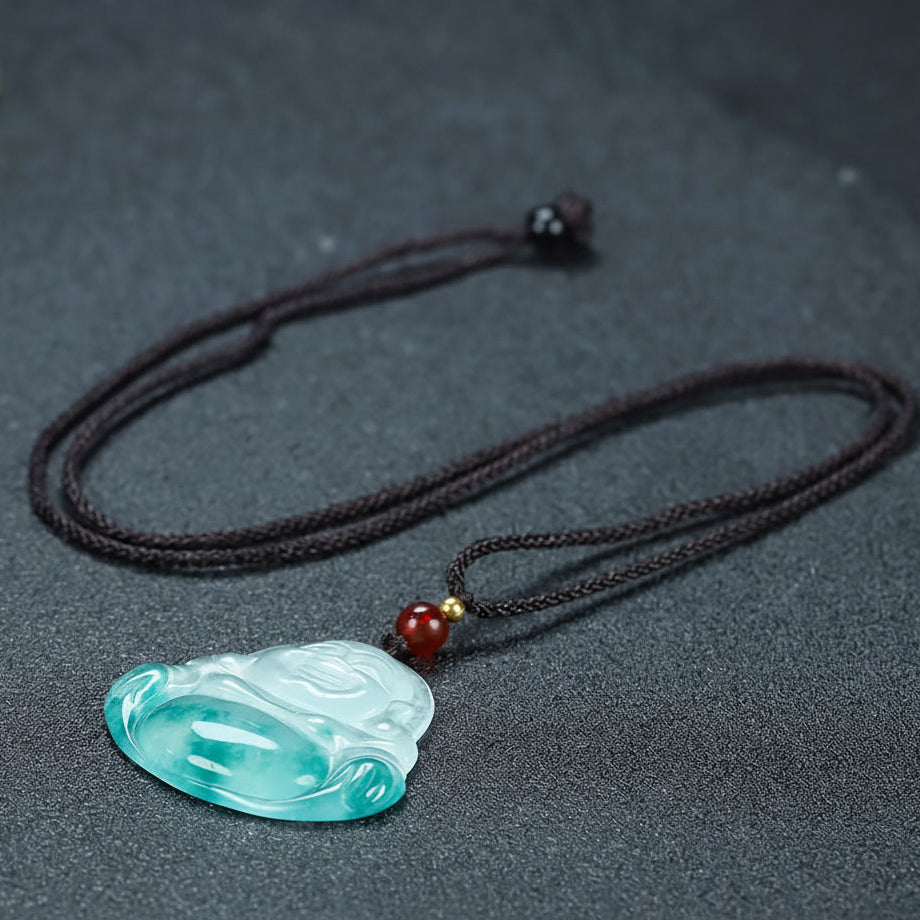
Geological humanism: Ancient Earth materials transformed into contemporary emotional expression
Carry Earth's geological story with you as a source of grounding and joy in daily life.
View Product Details & Buy Now