





In a world increasingly dominated by mass-produced perfection, a quiet revolution is occurring in spiritual jewelry design. The ancient Japanese philosophy of wabi-sabi—finding beauty in imperfection, impermanence, and incompleteness—is transforming how we conceive of, create, and wear meaningful adornment.
Historical Roots of Wabi-Sabi Aesthetics
Wabi-sabi emerged in 15th-century Japan as a reaction against the ostentatious perfection of Chinese art that dominated Japanese aristocratic circles. The philosophy has its roots in Zen Buddhism, particularly the concepts of impermanence (mujō), suffering (ku), and emptiness (kū). Initially associated with the tea ceremony, wabi-sabi emphasized simple, rustic utensils over ornate Chinese imports, finding profound beauty in crackled glaze, irregular shapes, and the patina of use.
Over centuries, wabi-sabi evolved from an aesthetic preference to a comprehensive worldview that values authenticity over perfection, natural processes over human control, and humble materials over precious ones. This philosophy found expression in various art forms: pottery with intentional cracks repaired with gold (kintsugi), ink wash paintings with empty spaces, and gardens that celebrate moss and weathered stone.
The Modern Resurgence
In contemporary jewelry design, wabi-sabi represents more than an aesthetic—it's a conscious rejection of industrialized perfection. As consumers increasingly seek authenticity in a digital world filled with filtered images, jewelry that celebrates natural imperfections offers tangible connection to genuine materiality and human craftsmanship.
Psychological Impact of Imperfect Beauty
From a psychological perspective, wabi-sabi jewelry addresses what researchers call "the perfectionism paradox." In an era where social media promotes curated perfection, exposure to authentic imperfection can have therapeutic effects. Studies in environmental psychology demonstrate that natural, irregular patterns (like those found in variegated stones) reduce stress more effectively than uniform, manufactured patterns.
The act of wearing intentionally imperfect jewelry creates what cognitive scientists term "cognitive dissonance resolution." When we consciously choose something imperfect, we're practicing acceptance of imperfection in ourselves and our world. This daily practice can gradually shift neural pathways associated with self-judgment and comparison, fostering greater self-compassion and reduced anxiety about personal shortcomings.
"Wabi-sabi jewelry functions as a wearable mindfulness bell, reminding us throughout the day that beauty exists in the raw, the unfinished, and the authentically aged. Each glance at an imperfect stone becomes a micro-meditation on acceptance." — Dr. Kenzo Tanaka, Cultural Psychologist
Material Philosophy: Beyond Preciousness
The wabi-sabi approach to materials represents a radical departure from conventional jewelry values. Rather than prioritizing rare gemstones and precious metals, wabi-sabi jewelry celebrates humble, natural materials: river stones, weathered wood, unfired clay, and naturally tarnished metals. This material philosophy carries profound symbolic weight—it suggests that meaning and beauty aren't inherent in monetary value but in relationship and context.
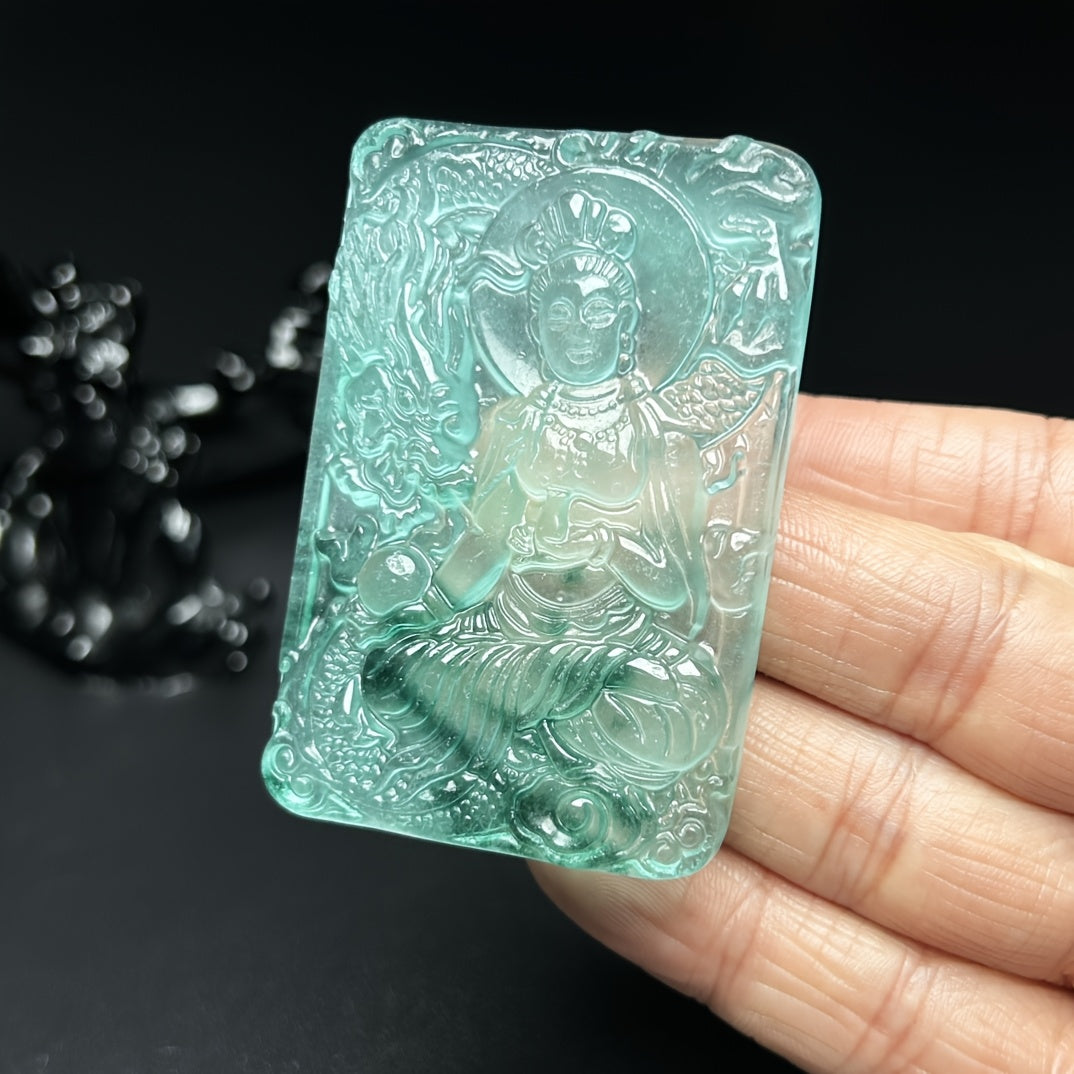
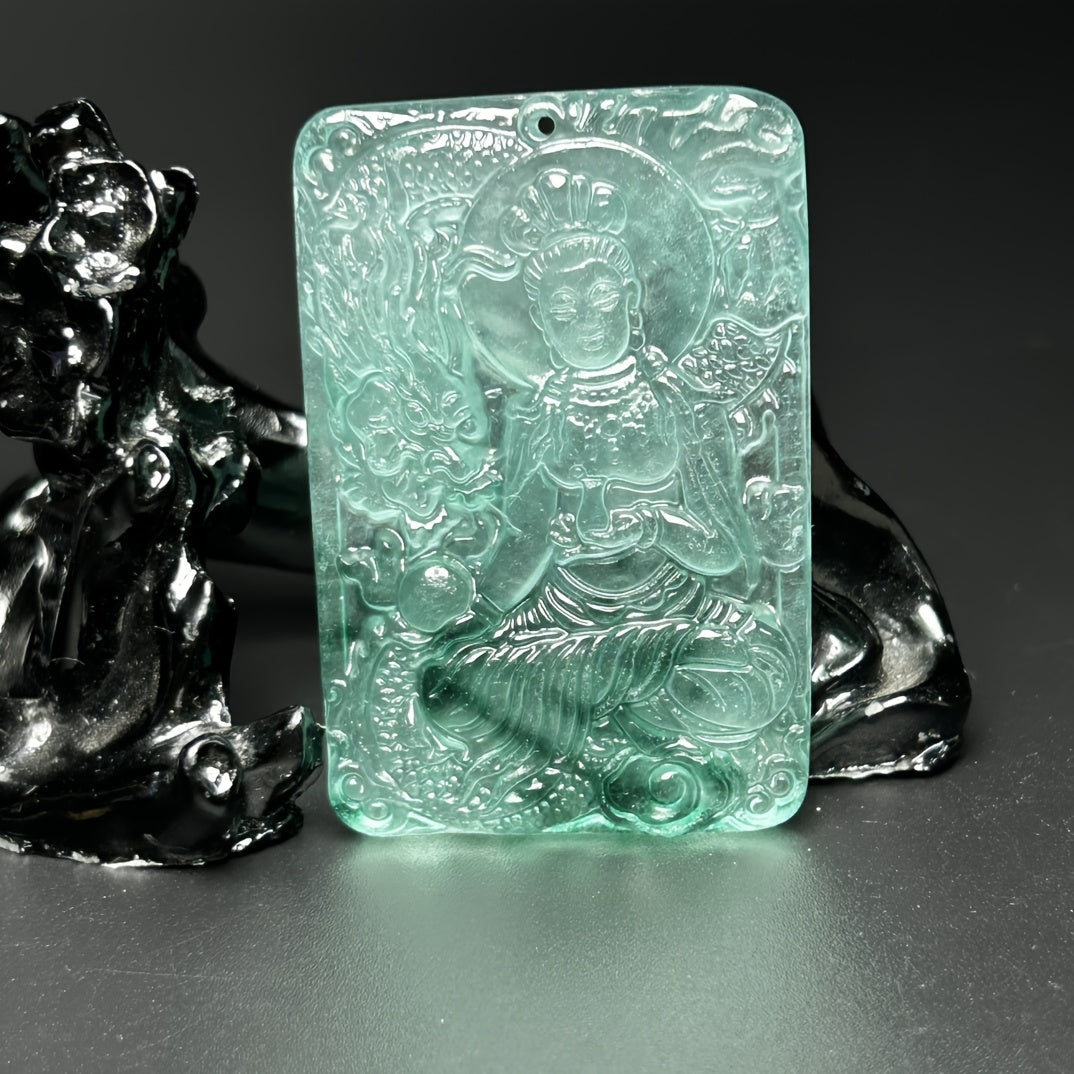
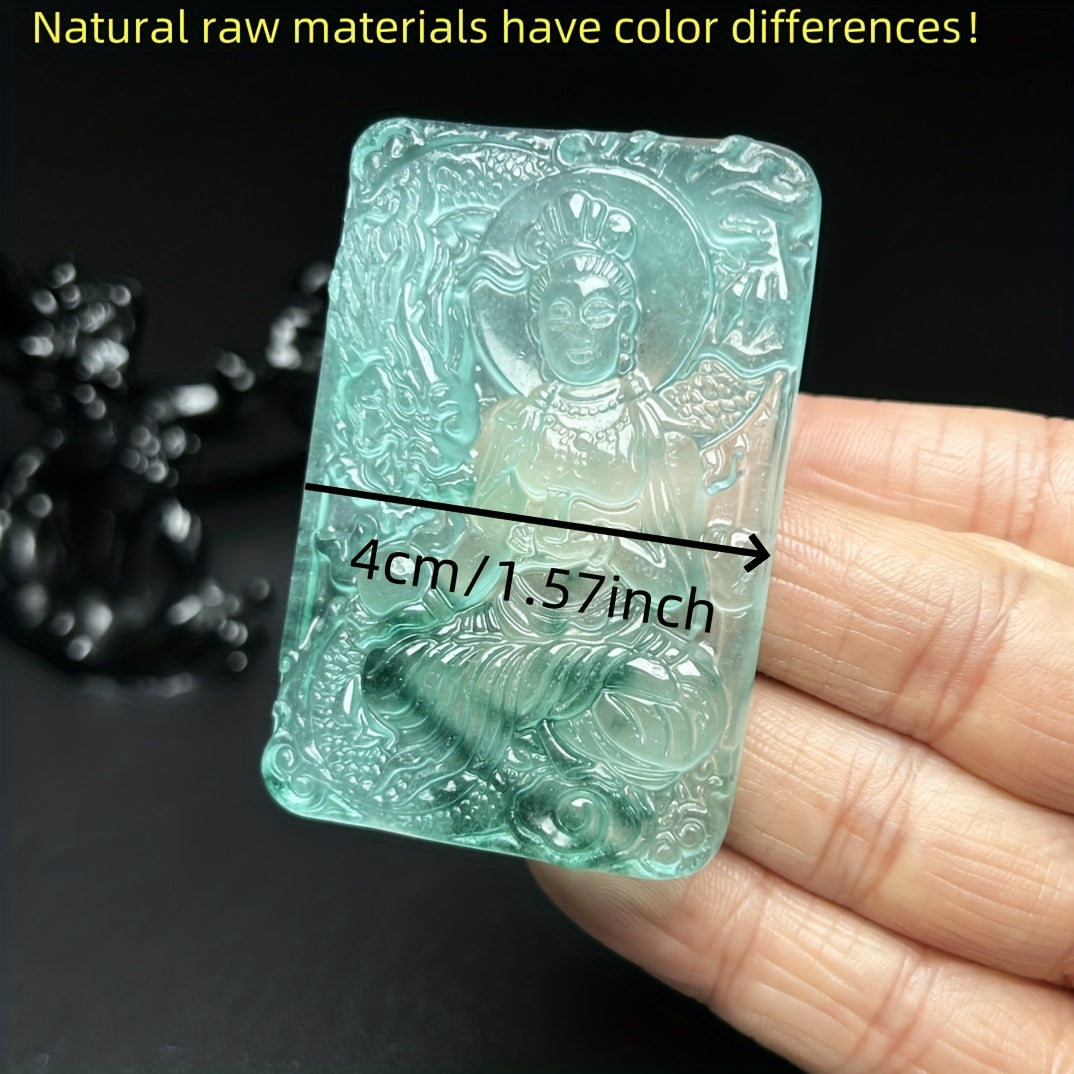
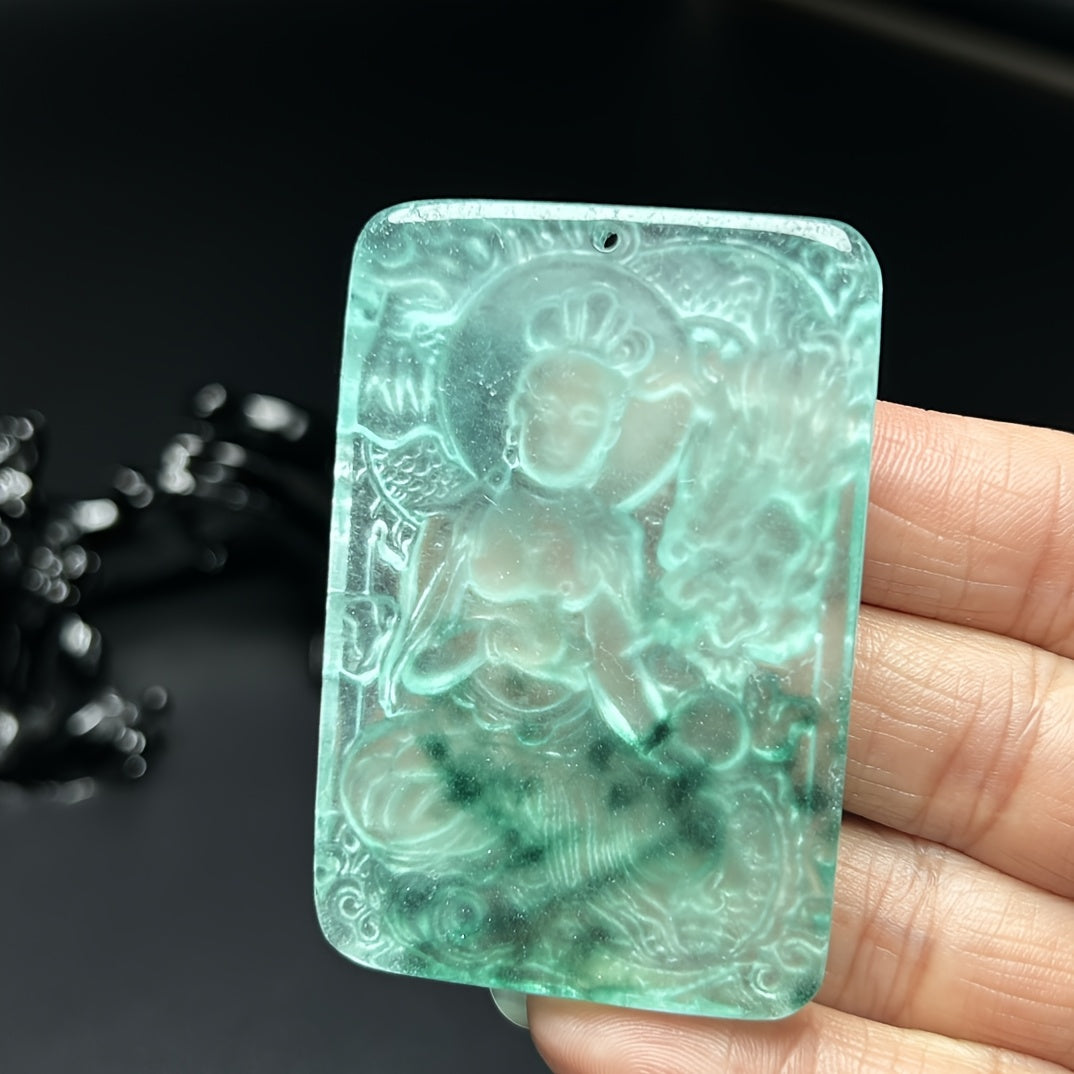
Natural stones with organic variations, like those used in the Zen Harmony Pendant, exemplify this philosophy. Unlike faceted gemstones that are cut to maximize sparkle and conceal imperfections, these stones are minimally worked to reveal rather than hide their natural characteristics. The color variations, mineral inclusions, and irregular surfaces become features rather than flaws, each telling the stone's unique geological story.
Craftsmanship with Intention
Wabi-sabi jewelry requires a fundamentally different approach to craftsmanship. Rather than striving for technical perfection, the artisan cultivates what Japanese craftspeople call "te-no-hira" (the palm of the hand)—an intuitive feel for materials that guides rather than forces form. This approach values the dialogue between maker and material, where the stone's natural tendencies suggest the final form rather than being forced into predetermined shapes.
The carving process becomes a meditation rather than a mechanical operation. Artisans develop what ceramics masters call "the listening hand"—the ability to feel when the material has reached its ideal expression. This often means stopping before the stone is "finished" in conventional terms, preserving raw edges and natural textures that maintain the material's authentic voice.
The Role of Accident
Unlike traditional jewelry making where accidents are minimized, wabi-sabi craftsmanship sometimes incorporates happy accidents into the final design. A chip that occurs naturally during carving might be preserved rather than polished away. A color variation that emerges during the process might become the piece's focal point. This acceptance of unpredictability mirrors the philosophy's embrace of life's uncontrollable elements.
Spiritual Dimensions of Imperfect Adornment
From a spiritual perspective, wabi-sabi jewelry serves as a tangible reminder of several profound truths. The natural materials' impermanence—stone that will eventually wear down, cord that will fray—visibly demonstrates the Buddhist concept of anicca (impermanence). Wearing such pieces becomes a daily practice in non-attachment, enjoying beauty while acknowledging its transient nature.
The imperfections themselves become focal points for contemplation. A crack or inclusion in a stone can serve as a meditation object, encouraging the wearer to consider: What do I perceive as imperfect in myself? How might those perceived flaws contain hidden beauty or purpose? This reflective practice transforms jewelry from mere decoration to spiritual tool.
Energetic Implications
Energy workers note that wabi-sabi jewelry often has particularly harmonious vibrations precisely because it hasn't been forced into perfection. The natural flow of energy through organic forms is less disrupted than through geometrically perfect shapes. The irregularities create gentle energy vortices that can help balance rather than amplify personal energy fields.
Cultural Context and Global Adaptation
As wabi-sabi aesthetics spread globally through jewelry design, interesting cultural adaptations occur. Western designers often blend wabi-sabi principles with local craft traditions, creating hybrid forms that respect the philosophy's essence while incorporating regional materials and techniques. This cross-cultural exchange enriches the tradition while raising questions about cultural appropriation versus appreciation.
In response, many designers practicing wabi-sabi jewelry making engage in what anthropologists call "ethical cultural exchange"—studying the philosophy's roots, honoring its origins, and adapting it thoughtfully rather than superficially appropriating aesthetics. This often involves collaboration with Japanese artisans or deep study of traditional techniques before adaptation.
Sustainable Practice and Environmental Ethics
Wabi-sabi jewelry inherently aligns with sustainable values. By celebrating humble, locally sourced materials rather than rare gemstones requiring environmentally destructive mining, this approach minimizes ecological impact. The philosophy's emphasis on natural aging and patina means pieces are designed to become more beautiful with wear rather than requiring replacement when they show signs of age.
This represents a significant shift from fast fashion jewelry designed for quick disposal. Wabi-sabi pieces are inherently slow jewelry—made thoughtfully, meant to last, and designed to evolve with the wearer. The acceptance of natural wear and tear reduces the pressure for constant new purchases, aligning with circular economy principles.
Market Trends and Consumer Response
The market for wabi-sabi inspired jewelry has grown steadily over the past decade, particularly among millennials and Gen Z consumers who value authenticity and sustainability. Market research indicates three primary consumer motivations: seeking alternatives to mass-produced perfection, desiring spiritual connection through material objects, and expressing values through purchase decisions.
Interestingly, this trend represents what economists call "the authenticity premium"—consumers are often willing to pay more for genuinely imperfect, handcrafted pieces than for perfect machine-made ones. This reverses conventional market wisdom that valued flawlessness above all else, suggesting a profound shift in consumer values.
Future Directions: Technology and Tradition
Emerging technologies offer fascinating possibilities for wabi-sabi jewelry. Digital scanning can preserve the unique imperfections of natural materials, while 3D printing can recreate organic forms with precision. However, the central challenge remains: how to use technology to enhance rather than replace the human touch and material authenticity at wabi-sabi's heart.
Some designers are experimenting with "digital wabi-sabi"—using algorithms to generate organic, imperfect patterns, or creating jewelry that ages digitally through interaction with the wearer's biometric data. These experiments raise philosophical questions about whether digitally created imperfection carries the same spiritual weight as naturally occurring imperfection.
Conclusion: The Beauty of Being Unfinished
Wabi-sabi jewelry represents more than an aesthetic trend—it's a wearable philosophy that challenges fundamental assumptions about beauty, value, and perfection. In celebrating natural imperfections, these pieces offer daily practice in acceptance, presence, and authenticity.
As our world becomes increasingly digitized and perfection-obsessed, jewelry that embodies wabi-sabi principles provides crucial counterbalance. Each naturally variegated stone, each preserved raw edge, each intentionally simple cord becomes a small act of resistance against the tyranny of manufactured perfection. In wearing such pieces, we don't just adorn our bodies—we adorn our consciousness with reminders of what truly matters: authenticity over appearance, presence over perfection, and the profound beauty of things as they naturally are.
