





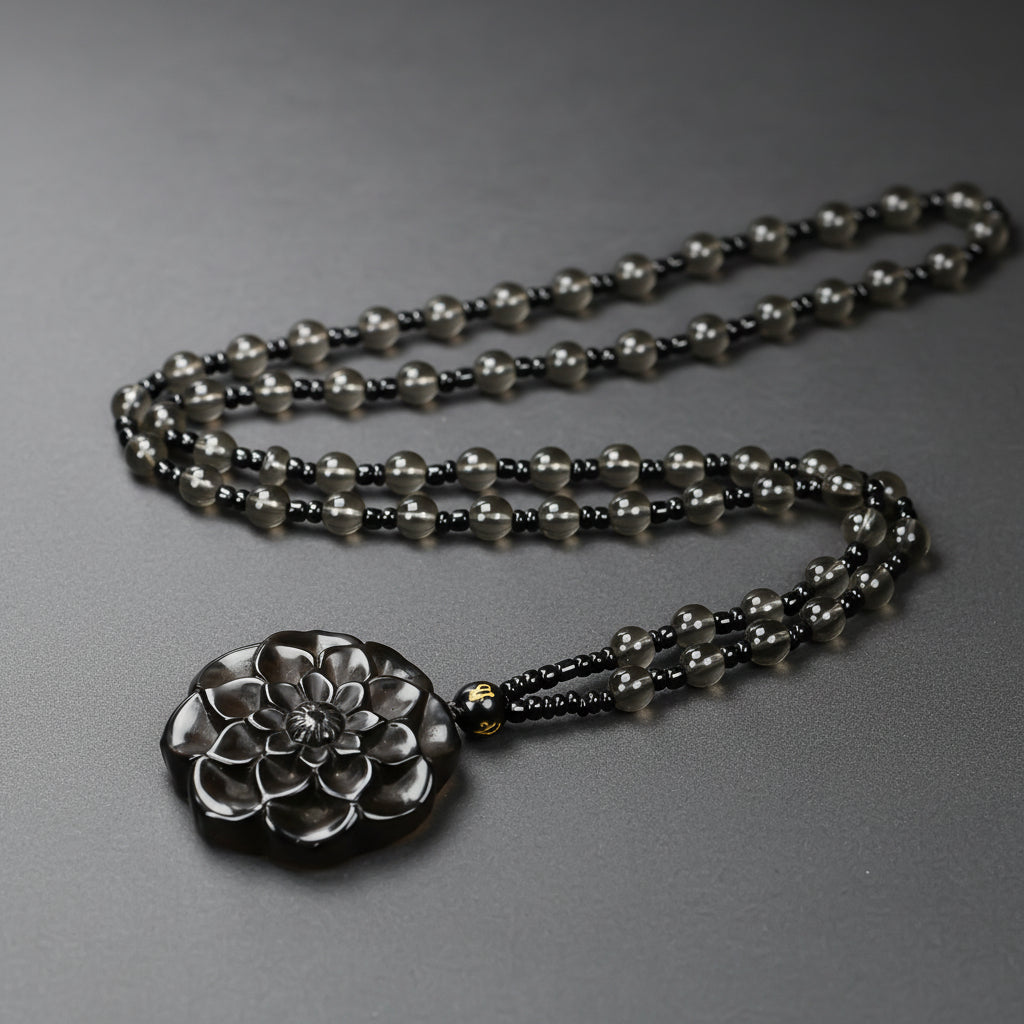
In the realm of spiritual jewelry, few creations embody contradiction so beautifully as the obsidian rose pendant. This extraordinary fusion of volcanic glass and floral symbolism represents a delicate balance between opposing forces: fire and earth, darkness and beauty, protection and vulnerability. Across cultures and centuries, both obsidian and the rose have held profound symbolic significance, but their combination in contemporary jewelry design creates a unique dialogue about our relationship with nature's dualities.
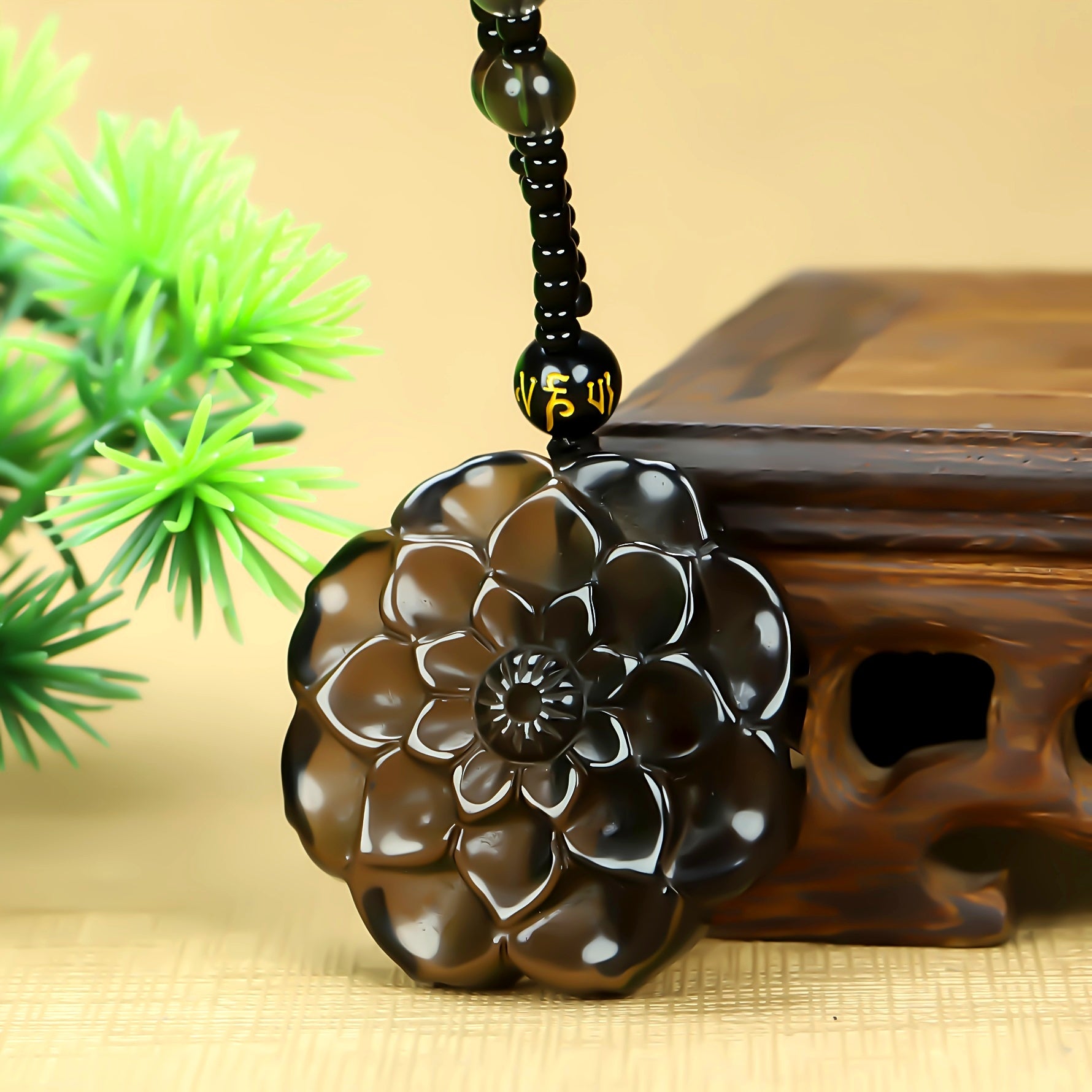
The artistic marriage of these two potent symbols represents more than aesthetic innovation; it reflects a growing cultural desire for objects that acknowledge life's complexities while offering tangible connection to earth's energies. As modern spirituality increasingly embraces both shadow work and beauty appreciation, the obsidian rose pendant serves as a perfect metaphor for this integrated approach to personal growth and spiritual practice.
Historical Foundations: Obsidian and Rose Through the Ages
To fully appreciate the significance of obsidian rose jewelry, we must first understand the separate historical journeys of its component elements. Obsidian's story begins in the volcanic fires of the earth itself. This natural glass formed from rapidly cooling lava has been utilized by human civilizations for at least 1.5 million years. Ancient cultures from Mesoamerica to the Mediterranean revered obsidian not merely as a practical material for tools and weapons, but as a substance imbued with spiritual power.
Archaeological Significance: The ancient Maya crafted obsidian into ceremonial mirrors believed to reveal spiritual truths, while Aztec priests used obsidian blades for ritual sacrifice, believing the stone could cut through both physical and spiritual realms. In ancient Greece, obsidian was associated with Apollo and truth-telling, while Native American traditions utilized obsidian for spiritual protection and vision quests.
Parallel to obsidian's geological and spiritual history runs the cultural journey of the rose. This flower has been sacred across civilizations—from the rose gardens of Persia celebrated in poetry, to the Roman association with Venus, goddess of love, to the Christian mysticism of the rosary. The rose's layered petals have symbolized everything from secrecy (sub rosa) to divine love, from political factions to artistic movements. Its combination with obsidian creates a symbolic language that speaks simultaneously of protection and love, shadow and beauty.
Material Alchemy: The Science and Spirit of Volcanic Glass
Geological Formation and Properties
Obsidian's unique properties stem from its rapid cooling process. Unlike crystalline stones that form slowly with organized atomic structures, obsidian cools so quickly that atoms cannot arrange into crystals, creating an amorphous, glass-like structure. This geological process results in several distinctive characteristics that contribute to both its practical uses and symbolic meanings.
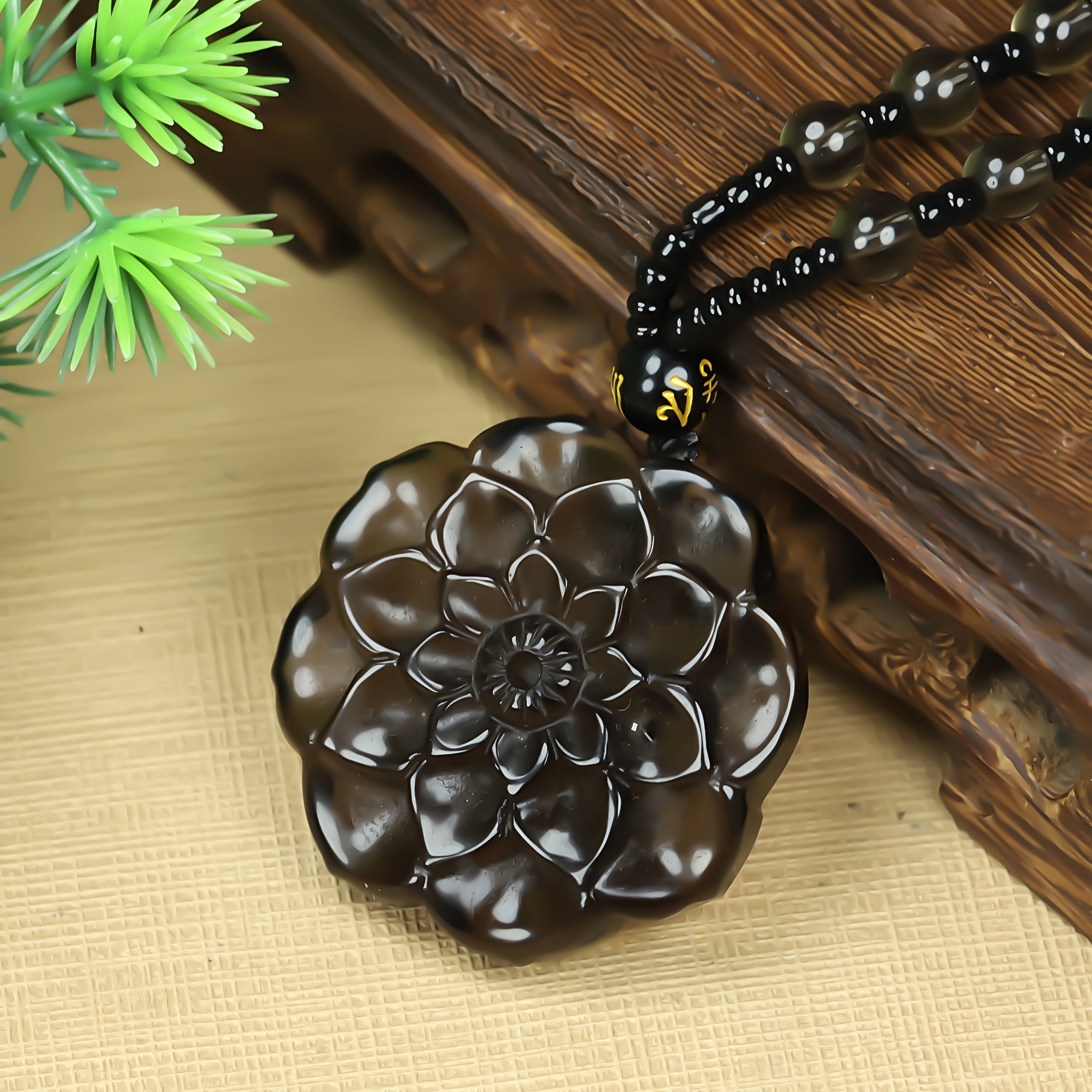
The stone typically appears jet black due to microscopic mineral inclusions, though variations can include mahogany, snowflake, and rainbow obsidian. Its conchoidal fracture allows it to be carved with incredibly sharp edges—a property that made it valuable for ancient cutting tools and surgical instruments. This same quality enables modern artisans to create the delicate petals of a rose with precision that would challenge most other stones.
Energetic Properties in Spiritual Traditions
Across spiritual traditions, obsidian is celebrated for its grounding and protective qualities. In crystal healing practices, it's associated with the root chakra, helping to anchor spiritual energy in physical reality. Its dark color is believed to absorb negative energy rather than deflecting it, functioning as an energetic sponge that requires regular cleansing. This absorption property makes it particularly valuable for emotional protection in challenging environments.
Contemporary spiritual practitioners value obsidian for "shadow work"—the process of confronting and integrating repressed aspects of the self. The stone's mirror-like quality when polished serves as a metaphor for this introspective practice, while its volcanic origin symbolizes the transformative power that can emerge from facing one's inner fires.
Artistic Interpretation: The Rose as Universal Symbol
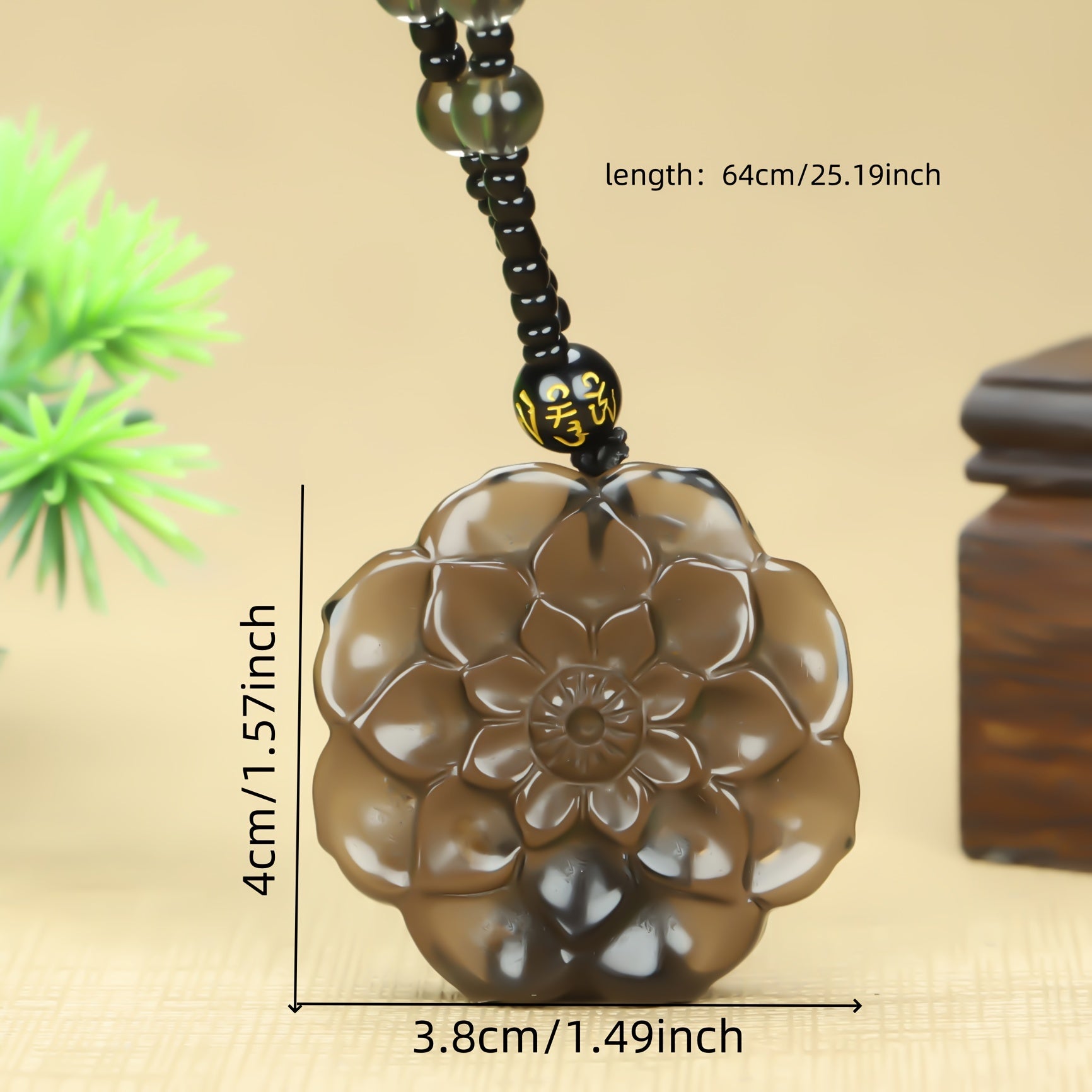
The rose's symbolism is as layered as its petals. In Western traditions, red roses typically represent romantic love, while white symbolizes purity and yellow friendship. In Eastern philosophies, the rose often represents balance—the beauty that exists alongside thorns serving as a reminder of life's dualities. Sufi mysticism uses the rose as a symbol of divine beauty, with Rumi famously comparing the soul's journey to a rose opening to the sun.
When carved from obsidian, the rose takes on additional dimensions of meaning. The contrast between the delicate floral form and the stone's volcanic origin creates a powerful visual metaphor for resilience—beauty that emerges from difficult circumstances, love that persists despite challenges, and spiritual growth that arises from confronting darkness.
Cultural Crossroads: The obsidian rose pendant sits at the intersection of multiple symbolic traditions. From the Mexican Day of the Dead traditions that use marigolds (and sometimes obsidian) to honor ancestors, to Gothic subcultures that embrace dark beauty, to contemporary mindfulness movements that value both shadow work and appreciation of natural beauty—this jewelry piece speaks to diverse cultural currents.
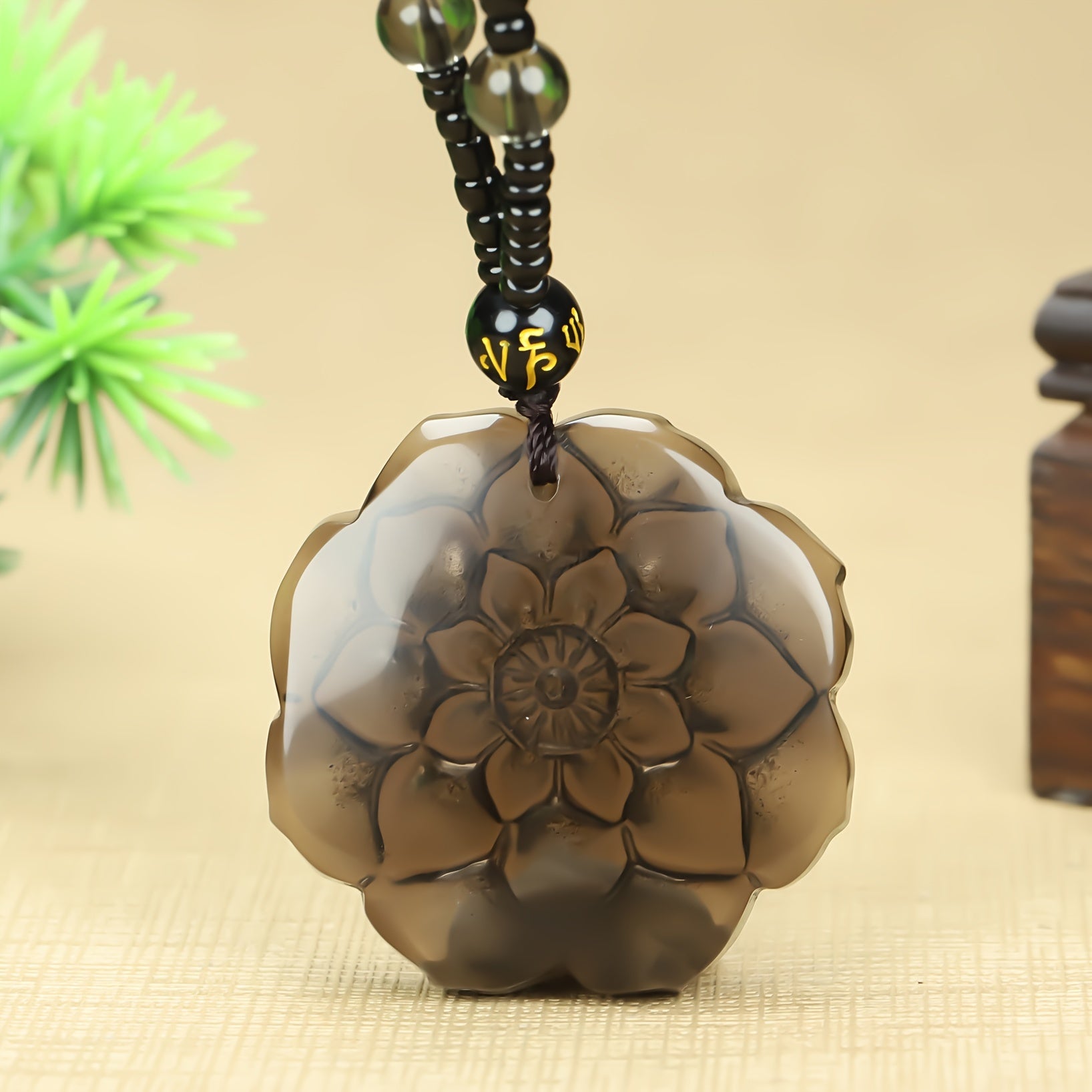
Artistically, carving a rose from obsidian represents a technical challenge that demonstrates master craftsmanship. Unlike more malleable materials, obsidian requires precision and patience. Each petal must be carefully shaped to avoid fracturing the stone, resulting in a creation that embodies both artistic vision and technical skill. This combination elevates the piece from mere accessory to wearable art with narrative depth.
Craftsmanship and Technique: Transforming Volcanic Glass into Floral Art
Traditional and Modern Carving Methods
The creation of an obsidian rose pendant begins with selecting the right quality of stone. Artisans look for obsidian with consistent coloration and minimal inclusions that might cause unexpected fractures. Traditional carving methods involve hand tools like chisels, files, and abrasives, while contemporary approaches may incorporate rotary tools with diamond-tipped bits for greater precision.
Regardless of technique, the process requires an intimate understanding of obsidian's conchoidal fracture patterns. Unlike crystalline stones that split along predictable planes, obsidian fractures in curved, shell-like patterns. Mastering this behavior allows artisans to create flowing, organic shapes like rose petals that appear soft despite being carved from glass-like material.
The final stages involve polishing—a meticulous process that transforms the matte carved surface into the characteristic glossy finish that reveals obsidian's depth. This polishing not only enhances visual appeal but also connects to the stone's traditional use as mirrors in spiritual practice, creating a surface that literally and metaphorically reflects.
Sustainability and Ethical Sourcing
Contemporary consumers increasingly value not only aesthetic and energetic qualities but also the ethical and environmental implications of their purchases. Obsidian mining, when done responsibly, has relatively low environmental impact compared to many gemstones. As a naturally occurring volcanic glass, obsidian is abundant in certain regions, particularly along tectonic plate boundaries where volcanic activity occurs.
Ethical artisans and companies prioritize sourcing from mines that respect land rights and implement reclamation practices. They often work directly with mining communities, ensuring fair compensation and supporting local economies. This ethical dimension adds another layer of meaning to the obsidian rose pendant—connecting the wearer not only to earth's geological processes but to responsible human relationships with natural resources.
Cultural Resonance and Contemporary Significance
In today's cultural landscape, the obsidian rose pendant resonates with several intersecting trends. The growing interest in mindfulness and spiritual practices has created demand for objects that support these pursuits beyond mere decoration. Similarly, the "dark academia" and romantic gothic aesthetics appreciate pieces that combine historical resonance with contemporary style.
Fashion trends increasingly embrace jewelry with narrative depth—pieces that tell stories or represent ideas rather than merely displaying wealth or status. The obsidian rose pendant fits perfectly within this movement, offering wearers a way to express complex personal philosophies about balance, resilience, and the coexistence of light and shadow in human experience.
Market Perspective: According to industry analysis, symbolic jewelry with spiritual connotations has seen 25% annual growth over the past five years, significantly outpacing the broader jewelry market. Pieces that combine multiple symbolic elements—like the obsidian rose pendant—command particular interest, often becoming signature pieces rather than trend-dependent accessories.
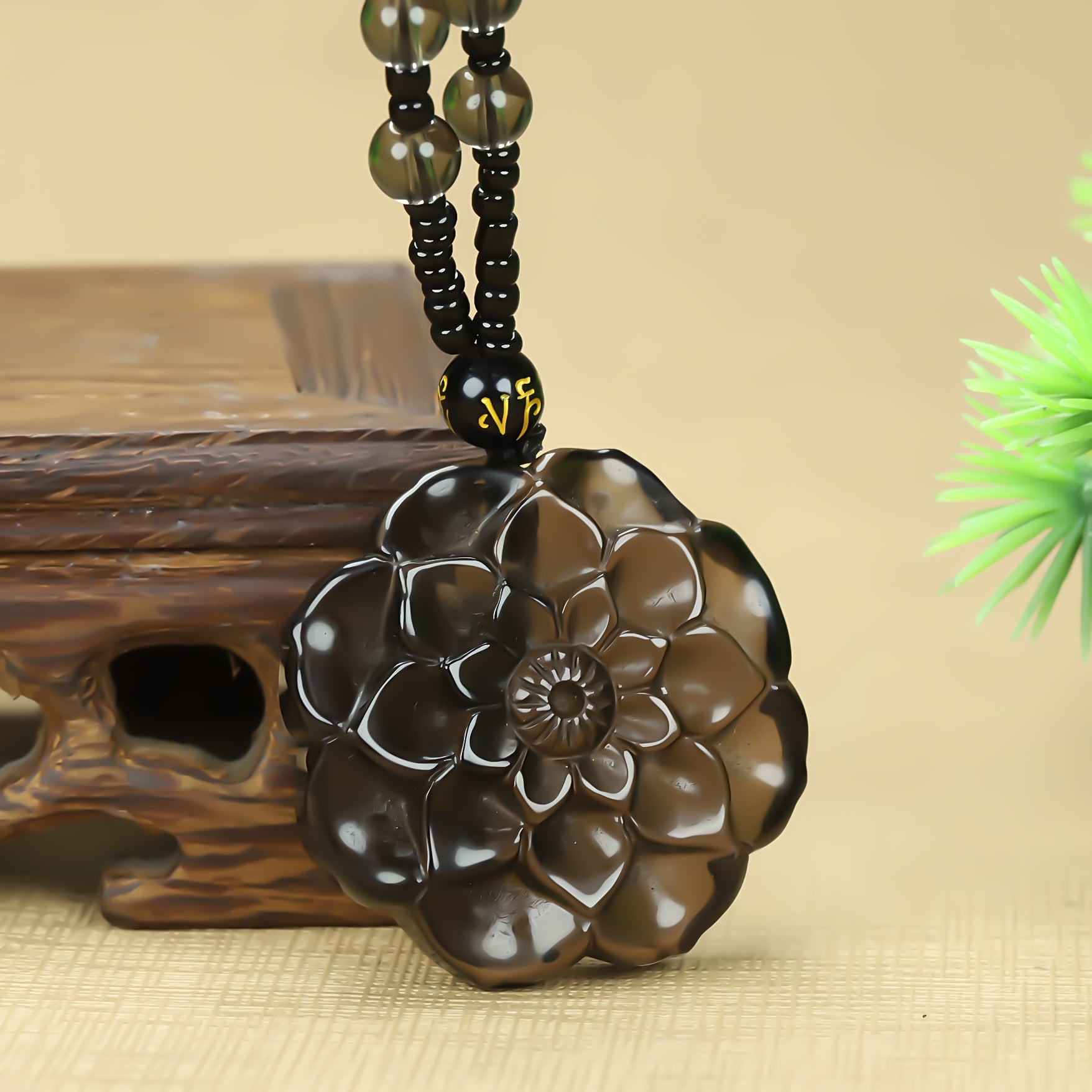
The pendant's versatility contributes to its appeal. It can be worn with everything from casual sweaters (as a "sweater chain" as mentioned in the product description) to formal attire, from bohemian styles to minimalist aesthetics. This adaptability across fashion contexts mirrors the symbolic adaptability of its components—the rose and obsidian each have meanings that shift across cultures and personal interpretations.
Psychological and Emotional Dimensions
Beyond its cultural and aesthetic significance, the obsidian rose pendant operates on psychological levels for many wearers. The concept of "wearing one's values" has gained traction in consumer psychology—the idea that objects can serve as tangible reminders of personal beliefs and aspirations. For those navigating emotional challenges or periods of transition, the pendant can function as a grounding talisman.
The combination of protective obsidian and loving rose symbolism creates what psychologists might call a "secure base" object—something that provides comfort and stability while encouraging growth. This dual function aligns with contemporary understandings of resilience as not merely about withstanding difficulty but about integrating challenging experiences into personal narrative in ways that foster growth.
This psychological dimension extends to gift-giving contexts. The obsidian rose pendant has become popular as a meaningful gift for significant transitions—graduations, career changes, recovery milestones, or as gestures of support during difficult times. Unlike generic gifts, it carries specific symbolic weight that acknowledges both the challenges and beauty of the human experience.
Future Perspectives and Evolving Meanings
As cultural conversations continue to evolve around topics like mental health, environmental consciousness, and integrative spirituality, the symbolism of the obsidian rose pendant will likely deepen and expand. Already, we see interpretations emerging that connect the piece to climate consciousness—the volcanic origins speaking to earth's powerful forces, the rose representing nature's delicate beauty that requires protection.
Technological advances in jewelry making may offer new possibilities for obsidian rose designs, potentially incorporating lighting elements that play with the stone's reflective qualities or combining obsidian with other materials that enhance its symbolic resonance. However, the fundamental appeal will likely remain rooted in the contrast and harmony between its elemental components.
The growing interest in personalized spirituality suggests increased demand for pieces like the obsidian rose pendant that allow for individual interpretation and meaning-making. As standardized religious symbols give way to personally significant spiritual objects in many people's lives, jewelry that combines multiple symbolic traditions with natural materials offers fertile ground for personal connection.
Cultural Forecast: Anthropologists studying contemporary material culture predict that symbolic jewelry combining natural elements with artistic craftsmanship will become increasingly significant as society navigates digital saturation. Physical objects that connect wearers to natural processes and ancient symbolic traditions offer counterbalance to virtual experiences, serving what some scholars term "tactile spirituality."
Exhibition spaces and museums are beginning to recognize the cultural significance of such pieces, with some contemporary jewelry exhibitions featuring obsidian works alongside traditional fine jewelry. This institutional recognition further validates the artistic and cultural importance of pieces that bridge ancient material traditions with contemporary design sensibilities.
Conclusion: The Enduring Dialogue Between Stone and Flower
The obsidian rose pendant represents more than the sum of its parts. It embodies a conversation between geological time and seasonal cycles, between protective darkness and vulnerable beauty, between ancient human traditions and contemporary spiritual seeking. This multidimensional significance explains its growing appeal across diverse demographics and cultural contexts.
As wearable art, spiritual tool, fashion statement, and personal talisman, the pendant defies simple categorization. Its power lies precisely in this ambiguity—in its capacity to mean different things to different wearers while maintaining core symbolic integrity. Whether appreciated for its craftsmanship, its energetic properties, its aesthetic appeal, or its symbolic depth, the obsidian rose pendant offers a tangible connection to some of humanity's most enduring fascinations: with nature's dualities, with beauty's resilience, and with the protective embrace of earth's own materials.
In a world often characterized by fragmentation and polarization, objects that harmonize opposing forces—like the volcanic and the floral—remind us of integration's possibility. The obsidian rose pendant, in its quiet elegance, invites wearers to consider how their own contradictions might be not obstacles to wholeness but essential elements of a beautifully complex human experience.
