





The Art of Noticing: A Practical Guide to Cultivating Gratitude and Joy Awareness
We live in an age of unprecedented stimulation, yet many of us report feeling a strange sense of lack, of life passing us by in a blur. The problem is not a shortage of good things, but a deficit of attention. Our minds, conditioned by alarms, notifications, and endless to-do lists, have become adept at scanning for threats, problems, and next tasks. We've lost the practice of scanning for gifts, for beauty, for small moments of grace. This is the perceptual poverty of the modern world.
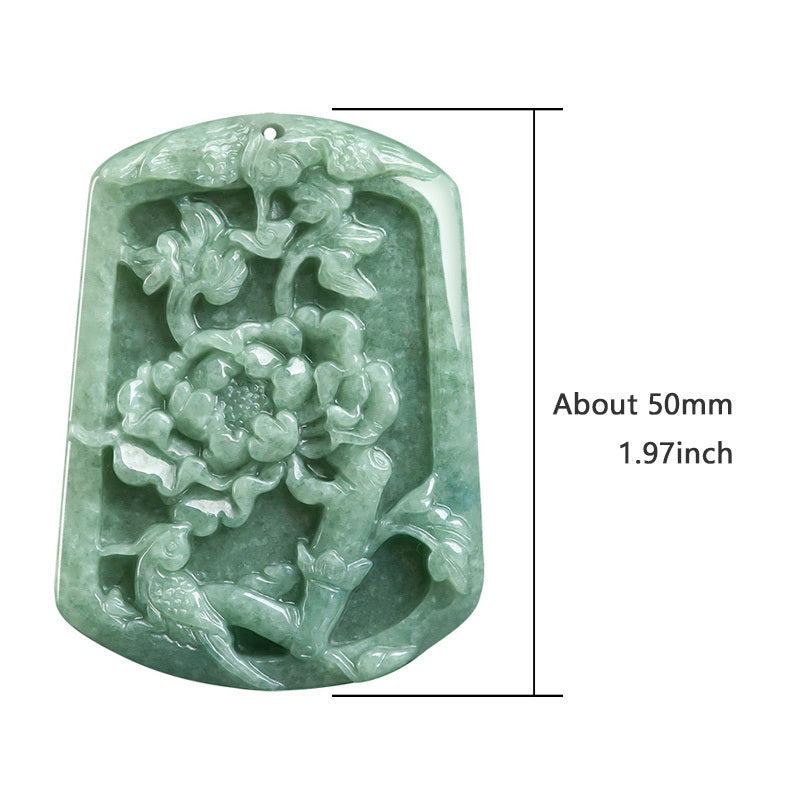
The ancient symbols of the magpie and peony offer more than a cultural story; they offer a methodology. The magpie represents the act of noticing good news. The peony represents the blossoming that occurs when we give that good news our attention. This article is a practical manual for training yourself in this ancient art of appreciative perception—the Art of Noticing.
I. The Foundation: Understanding Your Perceptual Filters
Before we can change what we see, we must understand how we see. Your brain is not a camera passively recording reality. It is a prediction engine, filtering the tsunami of sensory data based on past experiences, beliefs, and current goals. This is your Perceptual Filter.
If your dominant filter is set to "problem-solving" or "threat detection" (a common state in high-stress environments), you will literally not perceive the gentle morning light on the wall or the taste of your breakfast. Your brain dismisses it as irrelevant noise.
The first step in the Art of Noticing is to become aware of your current filter. Several times a day, pause and ask: "What is my mind scanning for right now? Problems? Tasks? Approval? Or is it open to receiving simple presence?" This meta-awareness is the lever that allows you to adjust the filter.
Practice 1: The Filter Check-In
Time: 30 seconds, 3x daily.
Method: Set a gentle alarm or use routine transitions (after a meeting, before a meal, when you wash your hands).
Action: Stop. Take one breath. Ask silently: "What is the quality of my attention right now? What am I looking for?" Don't judge the answer; just note it. "Ah, I'm in problem-solving mode." This simple recognition begins to create space for a different mode.
II. Phase One: Noticing the "Magpies" (The Good News)
A magpie in folklore isn't a giant eagle carrying a treasure chest; it's a common bird whose call is interpreted as a sign. Similarly, your "magpies" are not lottery wins or dramatic rescues. They are small, positive data points in your daily life that your problem-focused filter typically ignores.
Examples of Modern "Magpies":
• A task completed more easily than expected.
• A stranger's smile or courteous gesture.
• A moment of physical comfort (warm sun, comfortable chair).
• A helpful thought or sudden clarity.
• The reliable functioning of something (your computer, your car, your body).
• A piece of music you enjoy coming on unexpectedly.
• The taste of your food or drink.
The practice is to intentionally re-categorize these from "background noise" to "good news."
Practice 2: The Magpie Log
Time: 5 minutes at day's end.
Method: Keep a small notebook or use a notes app.
Action: Before bed, write down 3 "magpies" from your day. Be specific. Not "my family," but "the way my child laughed at dinner." Not "my job," but "the satisfying click of sending a finished report." The specificity trains the brain to search for concrete positive details.
Advanced Magpie Noticing: The Challenge of Difficulty
A master of this art learns to find "magpies" even within challenging situations. This is not toxic positivity, but strategic perception. The "good news" might be:
• Your own resilience in handling a problem.
• A lesson learned that will prevent future pain.
• The support someone offered you during the difficulty.
• The simple fact that the difficult moment passed.
Finding the magpie in the storm doesn't deny the storm; it gives you an emotional foothold within it.
III. Phase Two: Cultivating the "Peony" (The Blossoming)
Noticing the good news (magpie) is only half the equation. The peony represents what happens when you dwell with that good news, when you give it attention and let it "bloom" in your awareness. This is the difference between glancing at a flower and stopping to smell it.
Blossoming is an amplification through attention. Neuroscience confirms that what we focus on grows in our neural architecture. A 10-second focus on a positive experience can significantly increase its emotional impact and integration into memory.
Practice 3: The 20-Second Bloom
Time: 20 seconds per "magpie."
Method: When you notice a magpie (a good thing), don't just tick it off mentally.
Action: Stop. Give it 20 seconds of undivided attention. If it's a pleasant sensation (sunlight), feel it fully. If it's a completed task, savor the feeling of closure. If it's a kind word, let the warmth of it spread. This brief dwell time signals to your brain: "This is important. Store this. This is part of my reality."
IV. Integrating the Practice: From Exercise to Lifestyle
The goal is not to add more "practices" to a busy life, but to weave this perceptual shift into the fabric of your being. Here is a progression plan:
- Weeks 1-2: Foundation. Faithfully complete the Filter Check-In (3x daily) and the Magpie Log (nightly). Don't worry about the Bloom yet. Just build the habit of spotting positives.
- Weeks 3-4: Engagement. Continue the log. Begin incorporating the 20-Second Bloom for at least one "magpie" per day. Choose the most vivid one.
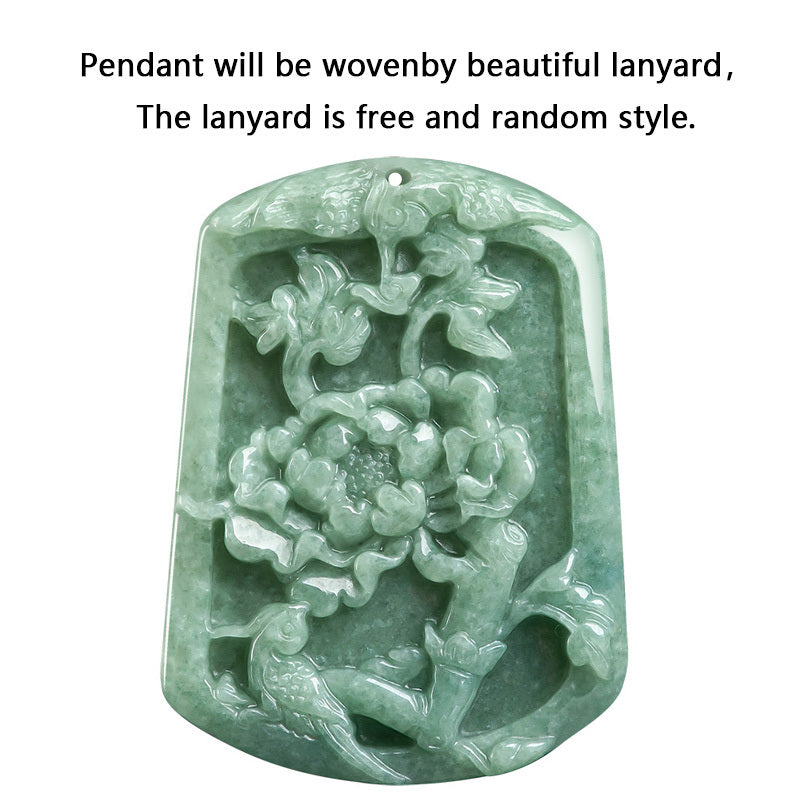
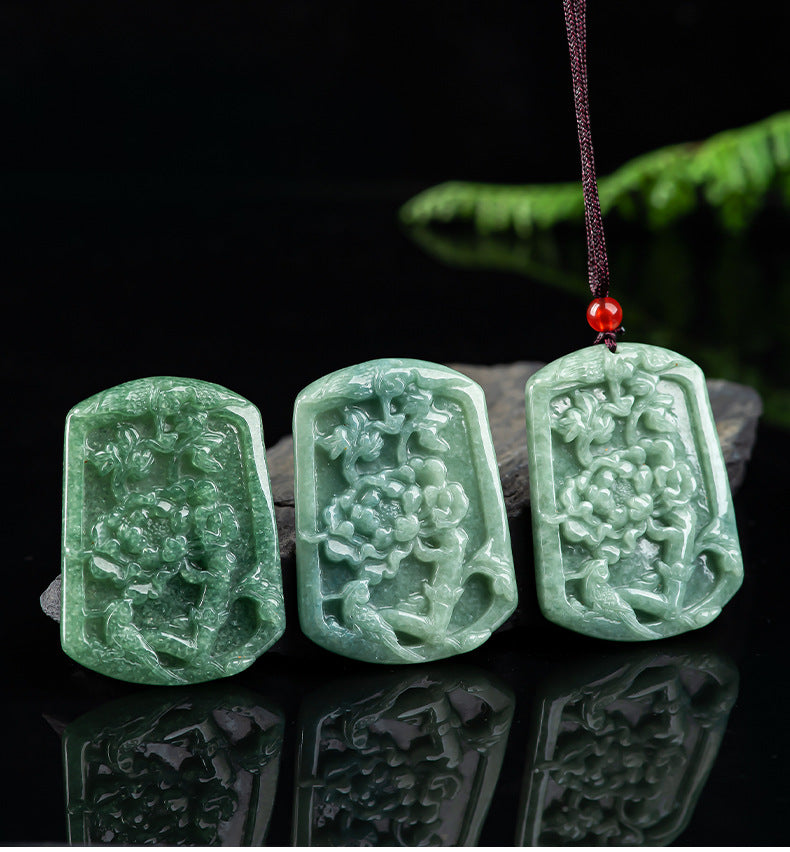
- Weeks 5-6: Anchoring. Introduce a physical anchor. This is where a symbolic object like the magpie-peony pendant becomes powerful. When you touch or see it, let it be a cue to do a quick, 10-second scan for a current "magpie."
- Ongoing: Weaving. The practice now becomes automatic. You'll find yourself noticing and savoring positives in real-time—during conversations, while working, in moments of waiting. The filter has been recalibrated.
V. Working with a Symbolic Anchor
A physical object can dramatically accelerate this training. It serves as an externalized, tactile reminder of your intention. The magpie-peony pendant is designed for this exact purpose.
How to use it as a practice tool:
1. Morning Intention: As you put it on, set a simple intention: "Today, I will notice the magpies and peonies."
2. Touchstone Pause: Throughout the day, when your hand brushes against it or you feel its weight, let it interrupt autopilot. Pause for one breath and ask: "What's one good thing in this present moment?"
3. Evening Reflection: Holding it while you review your Magpie Log can deepen the connection between the symbol and your lived experience.
"The symbol on the pendant is not magic. The magic is in the mental shift it triggers every time you notice it. It's a personal alarm clock for gratitude."
VI. Overcoming Common Obstacles
"I don't have time for this."
The practices are designed in micro-moments: 30 seconds, 5 minutes, 20 seconds. The time investment is minimal; the ROI in life satisfaction is profound. It's about quality of attention, not quantity of time.
"My life is genuinely hard right now."
This is when the practice is most crucial, not less. In difficulty, the "magpies" might be very small: a hot shower, a glass of water, a breath without pain. Noticing and dwelling on these small goods builds an emotional life raft. It prevents you from being completely identified with the struggle.
"It feels forced or fake."
It will feel cognitive at first. That's okay. You're building a new neural pathway. Think of it like learning any new skill—the awkwardness is a sign of growth. The feeling of authenticity follows consistent practice.
VII. The Ripple Effects: Beyond Personal Happiness
As you master the Art of Noticing within yourself, something beautiful begins to happen externally. You start to become a "magpie" for others—you notice and verbally appreciate their small strengths, efforts, or qualities. You become someone who helps others' "peonies" bloom through your attention.
Relationships deepen because you're noticing what's working, not just what's broken. Work environments improve because you spot and acknowledge contributions. Your very presence becomes one that amplifies the good, simply by virtue of where you place your attention.
Conclusion: Building a Life of Noticed Joy
The Art of Noticing is not about manufacturing a happy life. It is about uncovering the one you already have. It is the deliberate, gentle redirection of your most precious resource—your attention—from what's missing to what's present, from what's broken to what's whole, from what's feared to what's cherished.
The magpie and peony are your teachers in this. The magpie says: "Listen for the call of good news in the ordinary chatter of your day." The peony says: "When you find it, stay with it. Let it open fully in the light of your awareness."
Start small. Be consistent. Be kind to yourself when you forget. Use your symbolic anchor. Over time, you will not just have moments of joy; you will have constructed a perceptual home where joy is a frequent and welcome visitor. You will have built, one noticed magpie and one cherished peony at a time, a life that feels not just lived, but truly seen.
