





The Celebrant Archetype: Cultivating Joy and Recognizing Abundance in the Everyday
In the pantheon of human archetypes, we are familiar with the Hero who conquers, the Sage who seeks wisdom, the Caregiver who nurtures. But there is another, quieter figure whose power is often underestimated: The Celebrant. This is not the life-of-the-party extrovert, nor the passive optimist waiting for good things to happen. The Celebrant is an active participant in a specific kind of alchemy: the transformation of ordinary moments into recognized joy, and the amplification of good fortune through the simple, profound act of noticing.
The Celebrant operates on a fundamental premise that much of our suffering stems not from a lack of good things, but from a failure to see them. In a culture obsessed with chasing the next milestone, the next purchase, the next experience, we are trained in a psychology of scarcity. The Celebrant archetype offers a psychology of abundance—not of material wealth, but of perceptual wealth.
I. The Misunderstood Nature of Celebration
Celebration is commonly associated with large, noisy events: birthdays, weddings, promotions. These are the fireworks of life. The Celebrant certainly honors these, but their deeper work happens in the quiet intervals between the fireworks. They understand that if joy is only linked to major achievements, life becomes a series of peaks separated by long valleys of discontent.
The true Celebrant finds the sparkle in the gravel, not just the gem. They understand that a life well-celebrated is not a life of constant partying, but a life where small victories, momentary beauties, and tiny strokes of luck are given their due weight.
This archetype is therefore deeply connected to mindfulness, but with a crucial twist. Where mindfulness often focuses on neutral observation of the present, the Celebrant engages in appreciative observation. They scan the present moment not just for what is, but for what is good, what is working, what is beautiful, or what is amusing. It is a targeted form of attention.
II. The Celebrant's Tools: Symbol, Ritual, and Attention
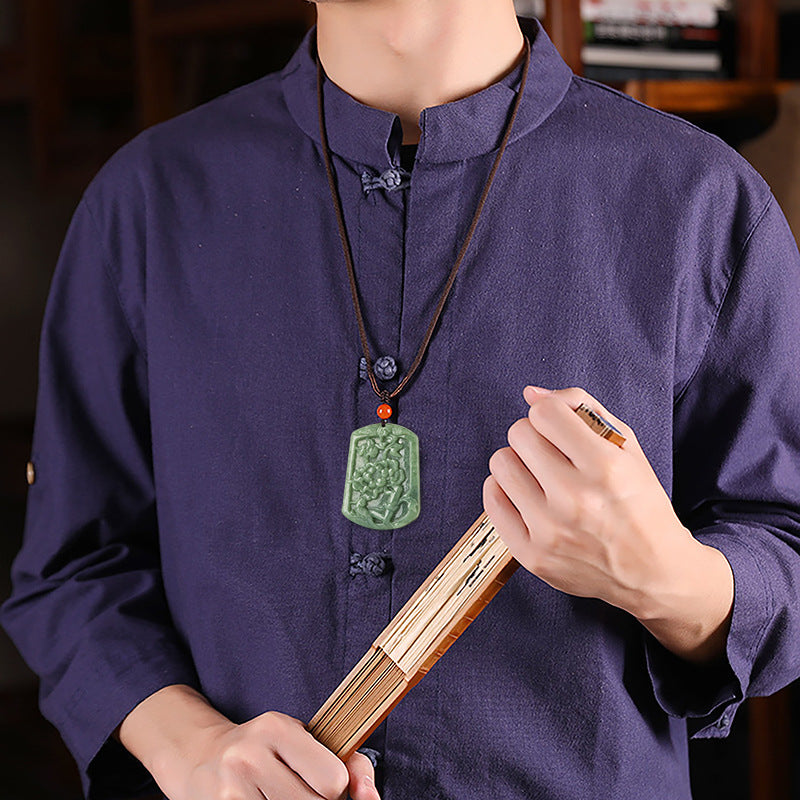
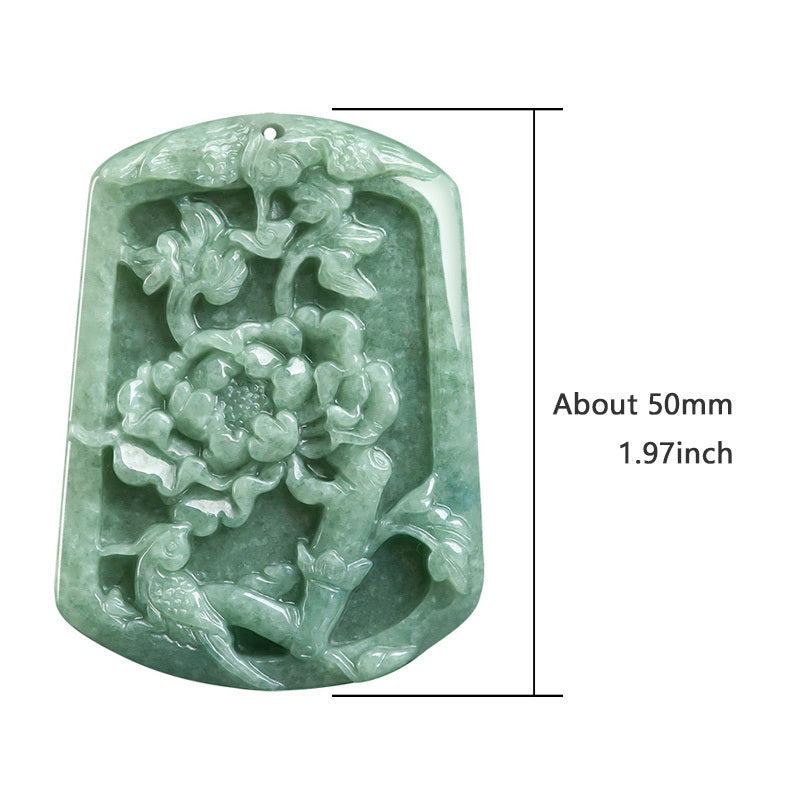
How does the Celebrant cultivate this capacity? They often employ subtle tools. A symbolic object, like a pendant featuring auspicious symbols, is not a magical charm but a trigger for attention. When the wearer touches or sees it, it serves as a mental sticky note: "Look for the good thing. Name the small joy."
They also develop micro-rituals. This could be a mental review of three good things before sleep, a silent "thank you" for a perfectly brewed cup of tea, or a pause to genuinely acknowledge a colleague's helpful comment. These rituals are not grandiose; they are quick, private, and powerful because they rewire the brain's neural pathways toward scanning for positives.
The Celebrant is also a master of reframing. A delayed train is not just an inconvenience; it is "twenty unexpected minutes to finish that chapter." A rainy day is not a spoiler of plans, but "nature's way of watering the garden and offering the cozy sound of rain." This isn't Pollyannaish denial; it's a conscious choice to focus on one of the many facets of a situation, selecting the one that supports resilience and peace.
III. The Antidote to Comparison and Scarcity
The modern world, particularly through social media, is an engine of comparison. We are bombarded with curated highlights of others' lives, careers, and relationships. This naturally fosters a sense of lack—"Why isn't my life like that?" The Celebrant archetype is the psychological immune system against this toxin.
By diligently practicing the recognition of their own unique "magpies" and "peonies"—their personal good news and blooming moments—the Celebrant builds an internal portfolio of abundance that is impervious to external comparison. Their joy is rooted in the specific, tangible reality of their own life, not the imagined perfection of another's.
IV. Cultivating Your Inner Celebrant
Becoming a Celebrant is a practice, not a personality transplant. It begins with setting a simple intention: "Today, I will actively look for three small things to acknowledge with gratitude or joy." The key is specificity. Not "I'm grateful for my family," but "I'm grateful for the funny text my sister sent this morning."
Next, create gentle prompts. A symbolic piece of jewelry, a specific screen saver, or a note on your mirror can act as a cue to pause and scan your current moment for a spark of good.
Finally, share the celebration. The Celebrant's joy is not hoarded; it's shared. Point out a beautiful cloud to a friend. Verbally appreciate a barista's efficiency. Send a message acknowledging someone's kindness. This outward expression completes the circuit, magnifying the positive feeling and often creating a ripple effect.
V. The Celebrant's Legacy: A Life of Noticed Joy
The ultimate gift of the Celebrant archetype is not a life free of difficulty, but a life where difficulty is contextualized within a broader landscape of witnessed and cherished goodness. At the end of such a life, one's memory is not just a ledger of achievements and failures, but a rich tapestry woven with threads of countless, small, celebrated moments—the taste of a summer peach, the trust of a pet, the comfort of a worn chair, the relief of a problem solved.
In a world that shouts for more, the Celebrant finds profound power in saying, with genuine feeling, "This, here, now, is also good." And in that recognition, they build a fortress of contentment that no external circumstance can easily shake.
