




An exploration of floral motifs in spiritual adornment across cultures and their profound psychological impact on personal development, relationship dynamics, and conscious evolution
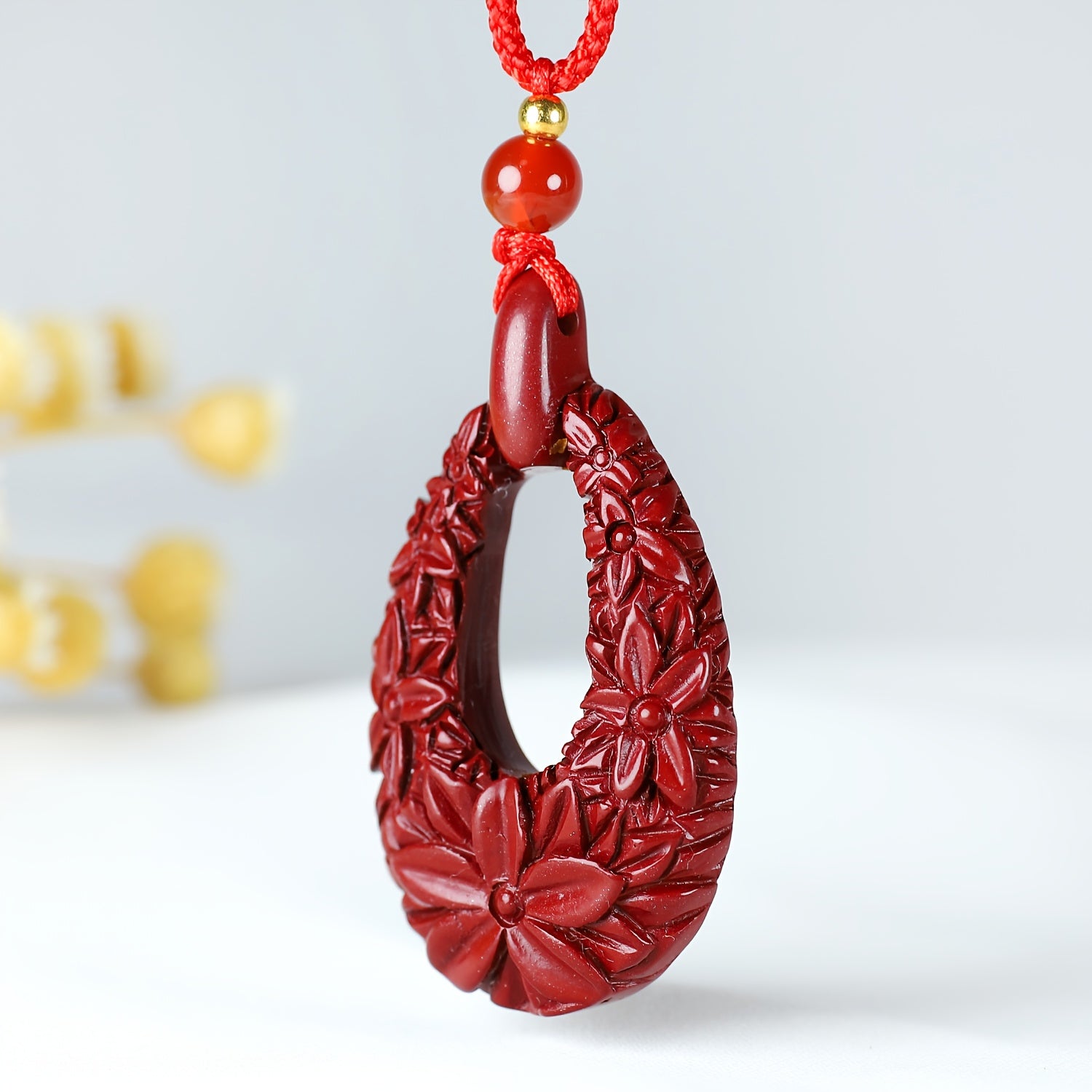
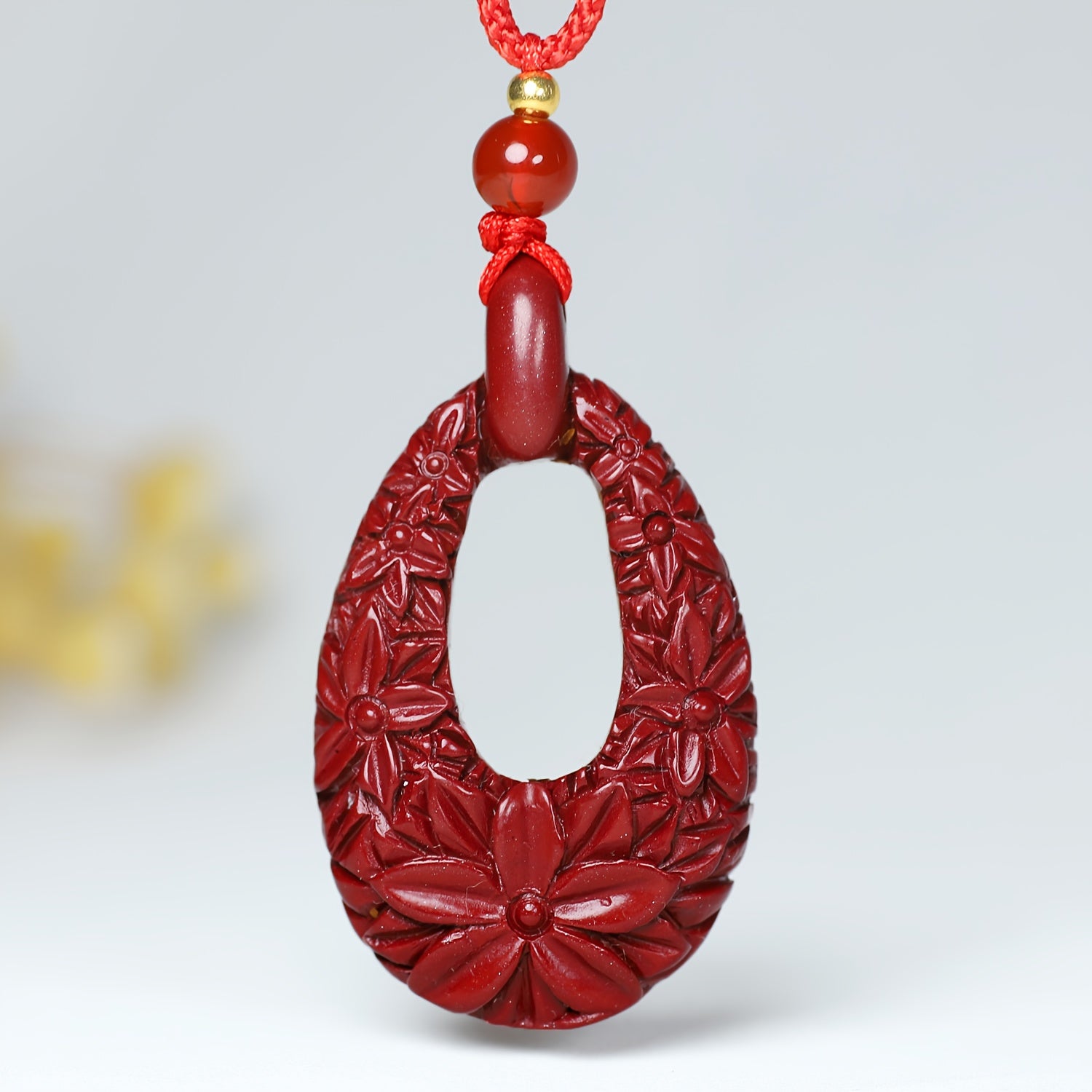
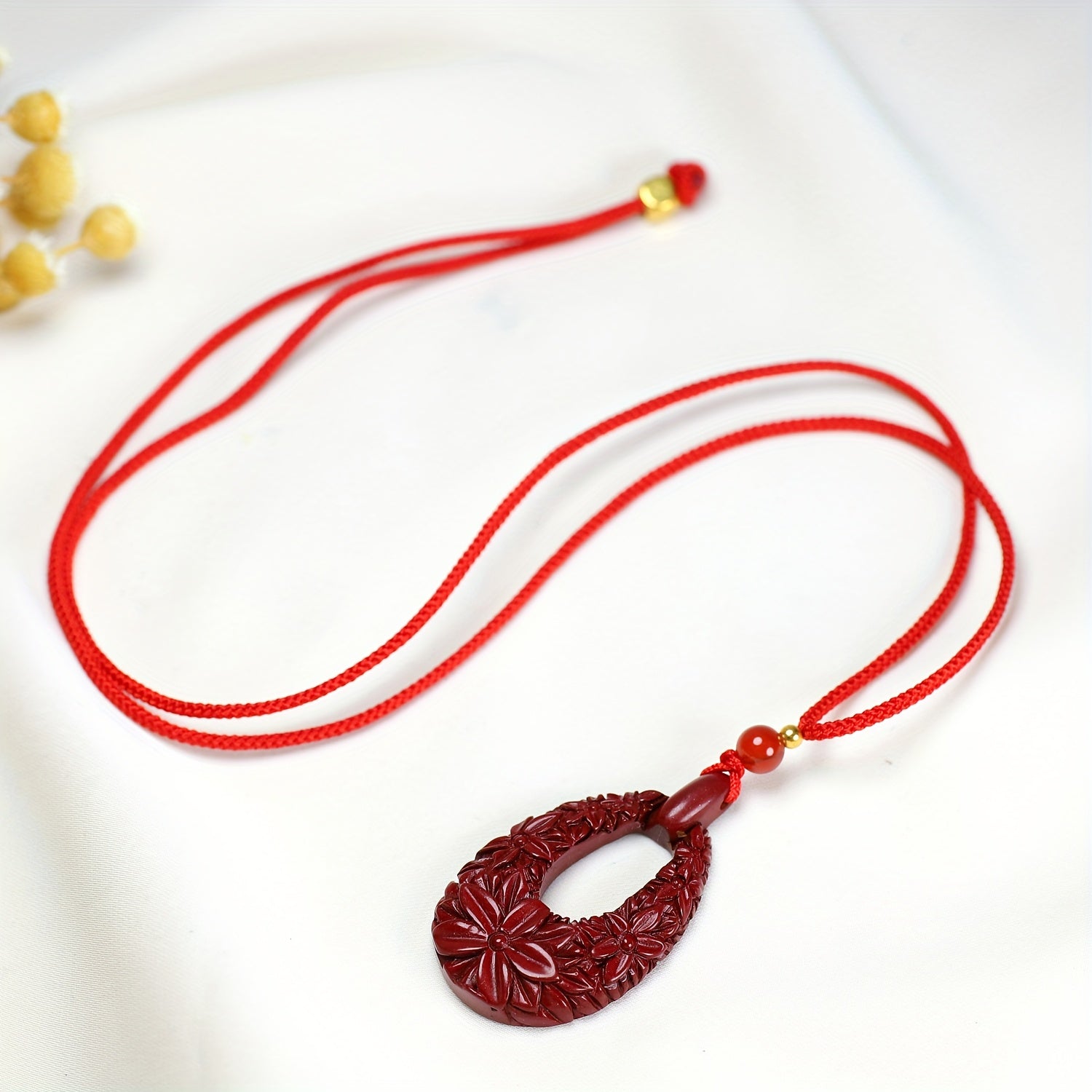
Since the dawn of human adornment, floral motifs have graced jewelry, clothing, and ritual objects, serving as more than mere decoration. These organic forms carry profound symbolic weight across cultures, representing concepts of growth, transformation, beauty, and the cyclical nature of existence. In contemporary spiritual jewelry, such as the Cinnabar Flower Pendant Necklace, floral symbolism has evolved into a sophisticated language of personal and collective transformation—a wearable poetry that speaks to our deepest aspirations for blossoming into our fullest potential.
This comprehensive examination explores the multifaceted role of floral symbolism in spiritual jewelry, tracing its historical roots, psychological mechanisms, cultural variations, and contemporary applications. Through understanding how different cultures have encoded meaning into floral designs, we gain insight into humanity's perennial fascination with flowers as mirrors of our own growth processes and as bridges between earthly existence and spiritual aspiration.
Historical Roots: Floral Symbolism Across Civilizations
The use of floral motifs in adornment predates written history, with archaeological evidence showing flower-shaped beads and pendants from Neolithic cultures. However, the development of sophisticated floral symbolism in jewelry emerged with early civilizations, each developing unique floral languages that reflected their environmental context, spiritual beliefs, and social structures.
Ancient Egyptian Lotus: In Egyptian civilization, the lotus flower symbolized creation, rebirth, and the sun's daily journey. Lotus-shaped jewelry was worn not just for beauty but as a protective amulet and spiritual reminder of the soul's cyclical journey through death and rebirth. The blue lotus specifically represented enlightenment and transcendence.
Greek and Roman Floral Language: Classical civilizations developed what might be called "floral rhetoric"—specific flowers communicating specific messages. The rose represented love and beauty, the olive branch peace, the laurel victory and achievement. Floral jewelry served as social signaling, with different flowers indicating marital status, social rank, or religious affiliation. This tradition evolved into the Victorian "language of flowers," where entire conversations could be conducted through floral arrangements and jewelry.
Asian Floral Symbolism: In Chinese, Japanese, and Indian traditions, floral symbolism reached extraordinary complexity. In Chinese culture, the peony represented wealth and honor, the plum blossom resilience, the chrysanthemum longevity, and the lotus purity and enlightenment. Japanese culture developed ikebana (flower arranging) as a spiritual practice, with floral motifs in jewelry reflecting seasonal awareness and impermanence (mono no aware). Indian tradition associated specific flowers with deities—lotus with Lakshmi (prosperity) and Vishnu, jasmine with Shiva.
Mesoamerican Floral Traditions: In Aztec and Mayan cultures, flowers held sacred significance, with specific blooms associated with gods, seasons, and cosmic principles. The marigold represented the sun and was used in Day of the Dead celebrations, while other flowers symbolized different aspects of the natural and spiritual worlds. Floral jewelry served both ceremonial purposes and as indicators of social and religious status.
Psychological Mechanisms: Why Flowers Resonate Deeply
The universal appeal of floral motifs in jewelry and adornment can be understood through several psychological frameworks that bridge evolutionary biology, cognitive psychology, and emotional intelligence. These mechanisms explain why floral designs continue to resonate across cultures and generations, particularly in spiritual contexts.
Biophilia Hypothesis: Proposed by biologist E.O. Wilson, this theory suggests humans possess an innate tendency to seek connections with nature and other forms of life. Floral motifs in jewelry represent what might be called "portable nature"—bringing elements of the natural world into daily life, particularly in urban environments where direct nature contact may be limited. This connection has been shown to reduce stress, enhance mood, and improve cognitive function.
Fractal Patterns and Visual Processing: Many floral designs incorporate fractal patterns—self-repeating shapes at different scales that occur naturally in flowers, ferns, and other botanical forms. Research in neuroaesthetics suggests that the human visual system processes fractal patterns efficiently, creating what psychologists call "visual fluency" that leads to aesthetic pleasure. This may explain why floral designs are universally perceived as beautiful and calming.
Symbolic Projection and Personal Meaning: Flowers serve as powerful projective symbols—people see in them what they need to see. A floral pendant might represent new beginnings to someone starting a career, healing to someone recovering from illness, or enduring love to someone in a long-term relationship. This flexibility of meaning allows floral jewelry to carry personal significance while maintaining universal appeal.
Seasonal and Cyclical Consciousness: Flowers naturally evoke awareness of seasons, cycles, and impermanence—core concepts in many spiritual traditions. Wearing floral jewelry can serve as a mindfulness prompt, reminding wearers of natural rhythms, the temporary nature of challenges, and the constant potential for renewal and growth.
Cultural Synthesis: East-West Floral Symbolism in Contemporary Design
The Cinnabar Flower Pendant Necklace represents a fascinating cultural synthesis that has emerged in our globalized world—a blending of Eastern symbolic traditions with Western aesthetic sensibilities. This fusion creates what cultural theorists might call "transcultural spiritual objects" that resonate across cultural boundaries while honoring traditional meanings.
Chinese Floral Symbolism: In traditional Chinese art and jewelry, flowers carry specific meanings based on centuries of cultural development. The pairing of cinnabar (a mineral with protective properties) with floral designs represents a classic Chinese approach to talismanic objects—combining material properties with symbolic forms to create synergistic effects. The flower in this context represents not just beauty but the blossoming of good fortune, relationships, and personal potential.

Western Interpretations: In Western spiritual and New Age contexts, floral symbolism often emphasizes personal growth, self-actualization, and emotional healing—concepts influenced by humanistic psychology and the self-help movement. Flowers represent the "blossoming" of the self, the unfolding of latent potential, and the beauty of authentic expression. This interpretation complements rather than contradicts Eastern meanings, creating a rich layered symbolism.
Universal Botanical Elements: Beyond specific cultural meanings, the pendant incorporates universal botanical elements—petals, stems, circular forms—that trigger innate human responses to plant life. This universal layer ensures the piece resonates even with wearers unfamiliar with specific cultural symbolism, creating what might be called "intuitive meaningfulness."
This cultural synthesis represents more than aesthetic fusion; it embodies what philosopher Kwame Anthony Appiah calls "cosmopolitanism"—the ability to appreciate and learn from different cultural traditions while developing new forms of expression. In an increasingly interconnected world, such transcultural objects serve as bridges, reminding us of both our diversity and our shared humanity.
Material-Symbol Synergy: Cinnabar as Floral Canvas
The choice of cinnabar as the material for floral jewelry represents a sophisticated understanding of material-symbol interactions that has developed over centuries in Chinese artistic and spiritual traditions. This synergy between material properties and symbolic forms creates what might be called "embodied symbolism"—where meaning is not just represented but physically embodied in the material itself.
Material Symbolism: In traditional Chinese material cosmology, different substances carry specific energetic properties. Cinnabar (zhu sha) represents the fire element, associated with transformation, passion, and dynamic energy. When carved into floral forms, this transformative energy becomes directed toward growth, blossoming, and positive change—creating a powerful synergy between material properties and symbolic form.
Color Psychology: Cinnabar's vibrant red color operates on multiple symbolic levels. In color psychology, red stimulates energy, passion, and attention. In Chinese symbolism, red represents good fortune, celebration, and vitality. In spiritual contexts, red is associated with the root chakra (grounding and survival) and the heart chakra (love and compassion). When shaped into floral forms, this red energy becomes associated with the blossoming of these qualities in the wearer's life.
Tactile Engagement: The physical experience of wearing cinnabar jewelry adds another dimension to its symbolic impact. The stone's smooth yet substantial feel provides constant tactile feedback, serving as what mindfulness practitioners call an "attention anchor"—a physical reminder to return to present-moment awareness and intentional living. The floral carving enhances this effect by adding textural variety that engages the sense of touch more fully.
Durability and Impermanence Paradox: Cinnabar is a durable material that can last for centuries, while flowers are ephemeral by nature. This juxtaposition creates what might be called a "meaningful paradox"—the piece simultaneously represents both enduring essence and temporary manifestation, a core concept in many spiritual traditions. This paradox invites wearers to contemplate the relationship between eternal principles and their temporary expressions in our lives.
Therapeutic Applications: Floral Jewelry in Personal Growth Work
Beyond aesthetic and symbolic value, floral jewelry like the Cinnabar Flower Pendant has found applications in various therapeutic and personal growth contexts. These applications leverage the psychological and symbolic power of floral motifs to support specific developmental processes.
Narrative Therapy Integration: Some therapists use symbolic objects, including jewelry, as tools in narrative therapy—helping clients externalize problems and re-author their life stories. A floral pendant might represent a client's "blossoming self" or "growth through adversity," serving as a tangible reminder of therapeutic insights and personal commitments made during sessions.

Mindfulness and Meditation Aid: The repetitive, organic patterns of floral designs make excellent focal points during meditation. The symmetry and complexity provide just enough visual interest to maintain attention without becoming distracting. Some meditation teachers specifically recommend floral imagery or objects for loving-kindness (metta) practices, as flowers naturally evoke feelings of beauty, gentleness, and natural unfolding.
Grief and Transition Support: Flowers have long been associated with life cycles, making floral jewelry particularly meaningful during times of loss or transition. The symbolism of seeds, growth, blossoming, and eventual return to earth mirrors human experiences of beginnings, flourishing, endings, and transformation. Wearing floral jewelry during such times can provide comfort and perspective.
Creativity Enhancement: Many artists, writers, and creators use symbolic objects to overcome creative blocks and enhance inspiration. Floral jewelry, representing natural creativity and effortless beauty, can serve as a reminder to trust one's creative process and allow ideas to unfold organically rather than forcing them.
Relationship Counseling Tool: For couples, matching or complementary floral jewelry can represent shared growth and mutual nurturing. Some relationship counselors use such symbolic objects to help couples visualize their relationship as a living entity that requires care, attention, and the right conditions to flourish—much like a flower.
Market Evolution: The Growing Demand for Symbolic Jewelry
The market for symbolic and spiritually meaningful jewelry has experienced significant growth in recent years, with floral designs representing one of the most popular categories. This trend reflects broader cultural shifts toward meaning-seeking consumption, personalized spirituality, and the integration of aesthetic and therapeutic values.
Demographic Drivers: Market research identifies several key demographics driving demand for symbolic floral jewelry: millennials and Gen Z seeking authentic self-expression beyond luxury branding; wellness-oriented consumers integrating spiritual practices into daily life; and individuals navigating life transitions who seek tangible symbols of growth and transformation.
The Rise of "Meaningful Minimalism": Contemporary spiritual jewelry trends have moved toward what might be called "meaningful minimalism"—simple, elegant designs that carry deep symbolic weight without ostentation. Floral designs fit perfectly within this trend, offering organic beauty with layered meanings that can be appreciated on both aesthetic and symbolic levels.
Personalization and Customization: Advances in manufacturing technology have enabled greater personalization of symbolic jewelry. Customers can now choose specific flowers with personal meanings, incorporate birth flowers, or customize designs to represent personal growth journeys. This personalization deepens the emotional and symbolic connection between wearer and jewelry.
Gifting Market Expansion: Symbolic jewelry, particularly pieces with universal positive meanings like floral designs, has become increasingly popular for gifting. These pieces offer emotional and symbolic value beyond material worth, making them meaningful gifts for milestones, transitions, and expressions of care. The floral theme is particularly versatile, appropriate for diverse relationships and occasions.
Digital Community and Sharing: Social media platforms have created communities around specific types of symbolic jewelry, with users sharing stories, interpretations, and experiences. This digital word-of-mouth has proven particularly powerful for pieces with rich symbolism, as personal testimonials about transformative experiences carry significant weight in decision-making.
Future Directions: Floral Symbolism in a Changing World
As global consciousness evolves to address environmental concerns, technological integration, and cultural hybridization, floral symbolism in jewelry faces both challenges and opportunities for continued relevance and innovation.
Ecological Consciousness: Growing awareness of environmental issues has deepened the symbolic resonance of floral motifs. Flowers now represent not just personal growth but the flourishing of the natural world and humanity's relationship with it. Future floral jewelry may increasingly incorporate sustainable materials, ethical sourcing, and designs that specifically celebrate biodiversity and ecological balance.
Technological Integration: While seemingly contradictory to the natural essence of floral designs, thoughtful technological integration could enhance their symbolic functions. Imagine jewelry with embedded sensors that track growth-related biometrics (like heart rate variability during meditation) or that change appearance in response to the wearer's emotional state. The challenge lies in enhancing functionality without compromising symbolic integrity.
Cultural Hybridization: As global cultural exchange continues, floral symbolism will likely evolve through further hybridization. We may see designs that blend floral traditions from multiple cultures, creating new symbolic languages that reflect our interconnected world while honoring traditional meanings.
Psychological and Neuroscientific Insights: As research on the psychological effects of symbols and aesthetics advances, floral jewelry design may become more evidence-based. Designs might be optimized based on research about which patterns most effectively reduce stress, enhance mood, or support specific psychological states. This represents a fascinating potential fusion of ancient symbolic wisdom and contemporary scientific understanding.
Therapeutic Integration: As holistic approaches to mental health and personal development gain acceptance, symbolic jewelry may find more formal applications in therapeutic contexts. We might see collaborations between jewelry designers and mental health professionals creating pieces specifically designed to support therapeutic processes like trauma recovery, anxiety management, or identity development.
Despite these innovations, the core appeal of floral symbolism will likely remain its connection to universal human experiences of growth, beauty, and transformation. The most successful future developments will be those that enhance this core appeal through respectful innovation rather than replacing it.
Conclusion: The Enduring Bloom
The Cinnabar Flower Pendant Necklace represents more than a beautiful object—it embodies humanity's perennial fascination with flowers as mirrors of our own growth and as bridges between earthly existence and spiritual aspiration. Its layered symbolism, material synergy, and aesthetic appeal create what might be called a "wearable meditation" on growth, transformation, and the blossoming of potential.
In a world often characterized by fragmentation, speed, and disconnection from natural rhythms, floral jewelry serves as a gentle reminder of organic unfolding, cyclical renewal, and the beauty that emerges when conditions support growth. Whether understood through specific cultural frameworks, psychological mechanisms, or personal intuition, these pieces carry a quiet wisdom about the nature of development—that true growth cannot be forced, only nurtured; that beauty emerges through natural processes; and that each being has its unique blossoming time and expression.
As we wear floral jewelry close to our bodies, we participate in an ancient human practice—adorning ourselves with symbols of what we aspire to become, carrying reminders of natural wisdom into our daily lives, and expressing through beauty our deepest understanding of growth and transformation. In this sense, each floral pendant becomes not just an accessory but a companion on the journey toward fuller expression, deeper connection, and more authentic being—a small but potent symbol of the blossoming that is both our birthright and our lifelong journey.
May your wearing of floral symbols remind you of nature's patient wisdom: that all blossoming happens in its perfect time, and that your unique beauty, like a flower's, needs no justification beyond its own existence.
