





The Water Drop: From Ancient Purity to Modern Overlooked Symbol
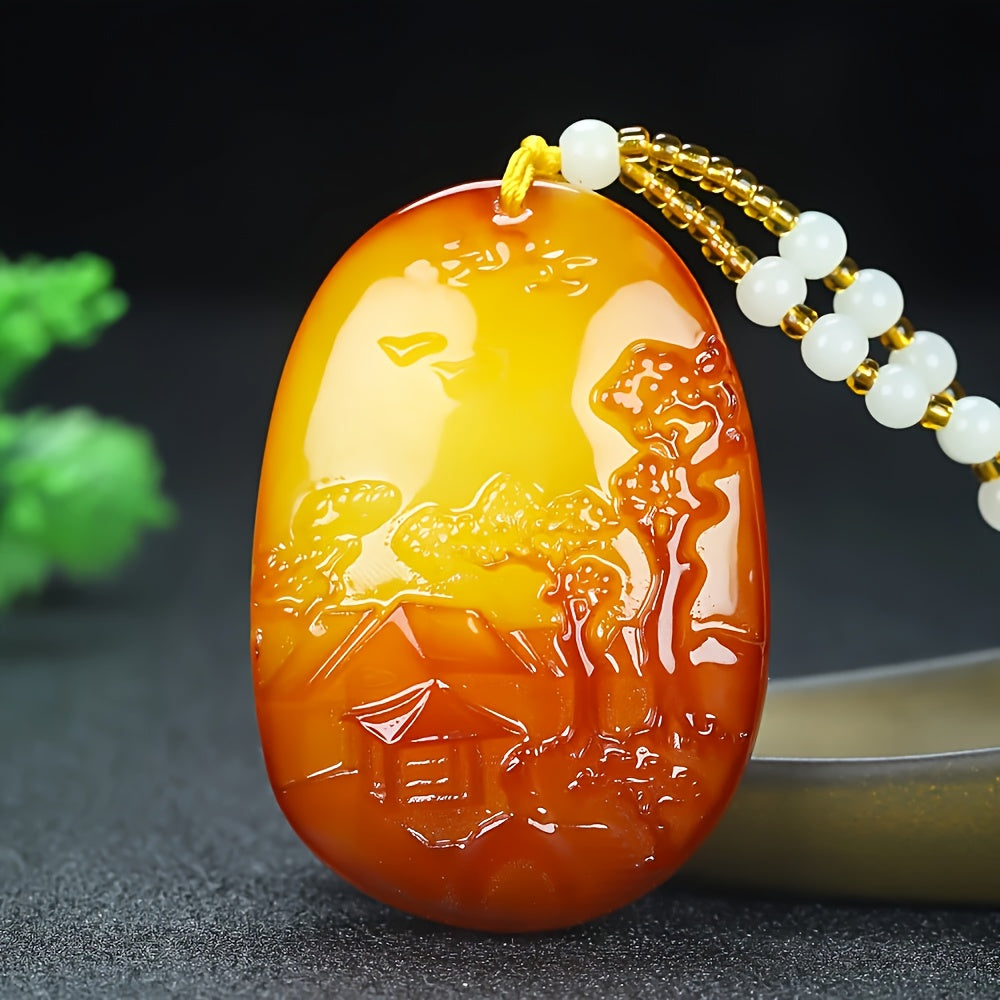
You might notice it first in the morning, when water beads on the edge of the sink after washing your face. That moment before it falls—the tension, the light caught inside, the perfect curve holding something transient. Then you reach for the necklace on the dresser, and your fingers find the same shape, cool against your skin.
Some people wear symbols because they believe in them. Others wear them because they notice them—in dreams, in architecture, in the natural world that continues its patterns whether we're paying attention or not. The water drop is one of those patterns. It appears in Buddhist art as a metaphor for impermanence, in Christian iconography as a tear of compassion, in scientific diagrams as a unit of life itself. But somewhere along the way, in modern jewelry catalogs, it became simply "aesthetic." Just a shape. Pretty. Neutral.
If this reflection resonates, you might notice the Water Drop Pendant Necklace differently.
View the Jewelry Piece →When you wear a symbol that has been flattened by time, you're faced with a choice: do you accept the flattened version, or do you restore some of its original dimensionality through your own attention? The pendant doesn't care either way—it's just resin, bead, metal. But the act of choosing how to see it changes something in the wearer.
