




Introduction: The Renaissance of Material Consciousness in Jewelry Design
In the evolving landscape of contemporary jewelry, we are witnessing a remarkable renaissance—a return to material consciousness that transcends mere aesthetics. The modern layered necklace, particularly those combining natural stones and glass elements, represents more than a fashion trend; it embodies a holistic approach to personal adornment that acknowledges the energetic dialogue between materials and the human energy field. This article explores how these material combinations create unique energy signatures while simultaneously defining the visual language of contemporary jewelry aesthetics.
The layered necklace trend, which gained significant momentum in the early 21st century, has evolved from simple metal chain layering to sophisticated combinations of diverse materials. Today's discerning wearers seek pieces that offer not just visual appeal but also energetic benefits, leading designers to explore material combinations that resonate on multiple levels—physical, aesthetic, and energetic.
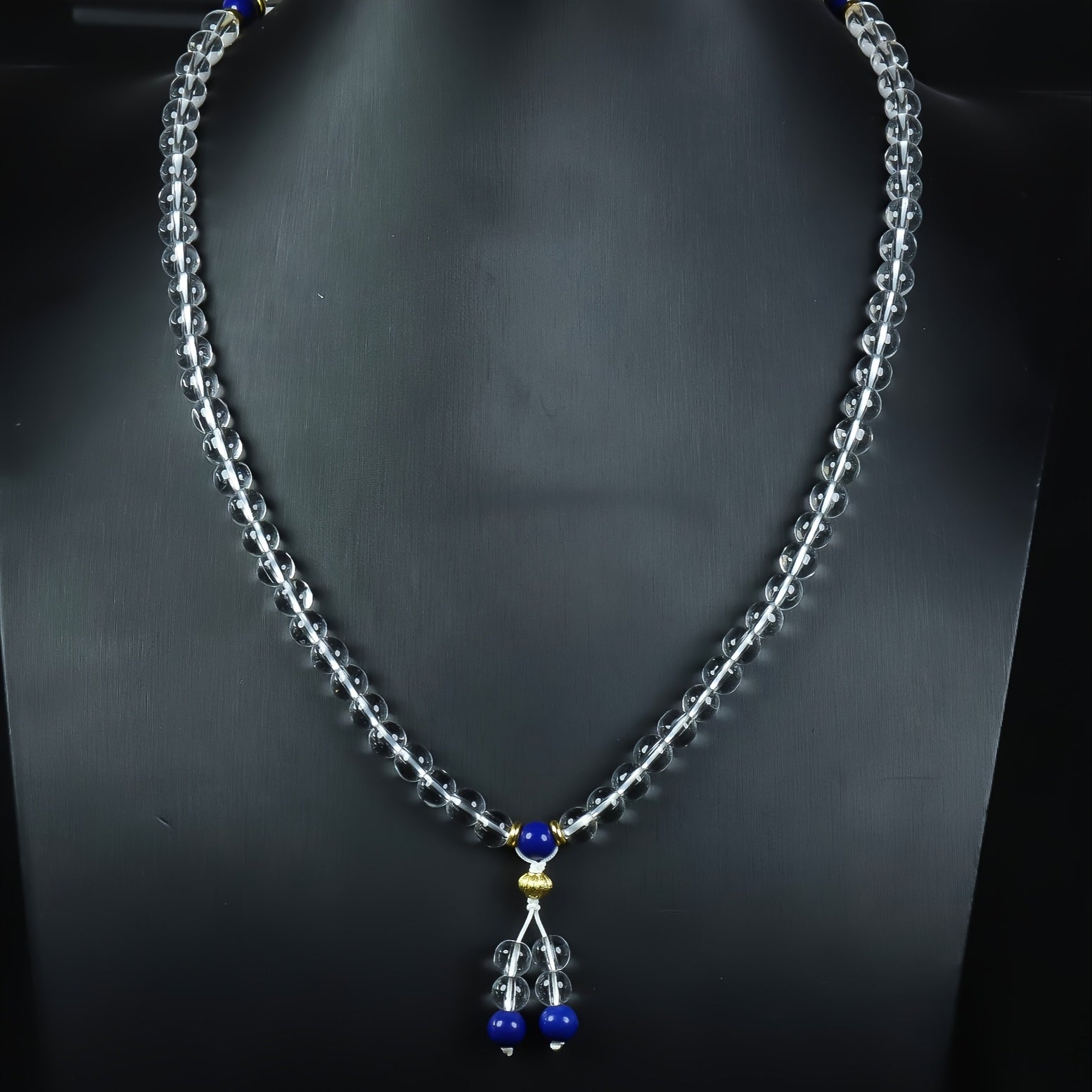
This exploration is particularly relevant in an era characterized by digital saturation and environmental disconnect. Natural stone and glass combinations in jewelry serve as tactile reminders of our connection to the physical world—the ancient stability of stone meeting the transformative nature of glass, creating wearable symbols of balance in an increasingly unbalanced world .
Historical Foundations: The Ancient Art of Material Combination
The practice of combining different materials in jewelry is as ancient as human adornment itself. Archaeological evidence reveals that our ancestors intuitively understood the energetic properties of materials long before modern science could explain them. Ancient Egyptian jewelry frequently combined lapis lazuli with gold, recognizing both the spiritual properties of the stone and the conductive properties of the metal. Roman jewelry artisans mixed glass beads with precious stones, creating pieces that were both affordable and energetically complex.
In traditional Chinese jewelry philosophy, the combination of different materials was believed to create balanced energy fields. Jade, revered for its connection to earth energy, was often paired with metal elements representing heavenly energy, creating microcosms of cosmic balance. Similarly, Native American jewelry traditions combined turquoise with silver, understanding that the stone's grounding properties worked synergistically with the metal's reflective qualities.
The Victorian era saw a resurgence of interest in material combinations, particularly with the advent of "mourning jewelry" that combined jet (a natural stone) with glass and hair. While serving emotional purposes, these combinations also created specific energy signatures that contemporary energy workers now recognize as protective and grounding fields.
What distinguishes contemporary natural stone and glass combinations from historical precedents is the intentionality behind the material selection. Modern designers consciously choose stones for their specific energetic properties and glass elements for their light-conducting qualities, creating pieces that function as both fashion statements and energy tools.
Material Science: The Energetic Dialogue Between Stone and Glass
From a materials science perspective, the combination of natural stone and glass in jewelry creates fascinating energetic interactions. Natural stones, formed over millions of years under geological pressure, possess crystalline structures that vibrate at specific frequencies. These vibrations interact with the human biofield in measurable ways, as demonstrated by piezoelectric studies showing that certain stones emit electrical charges under pressure.
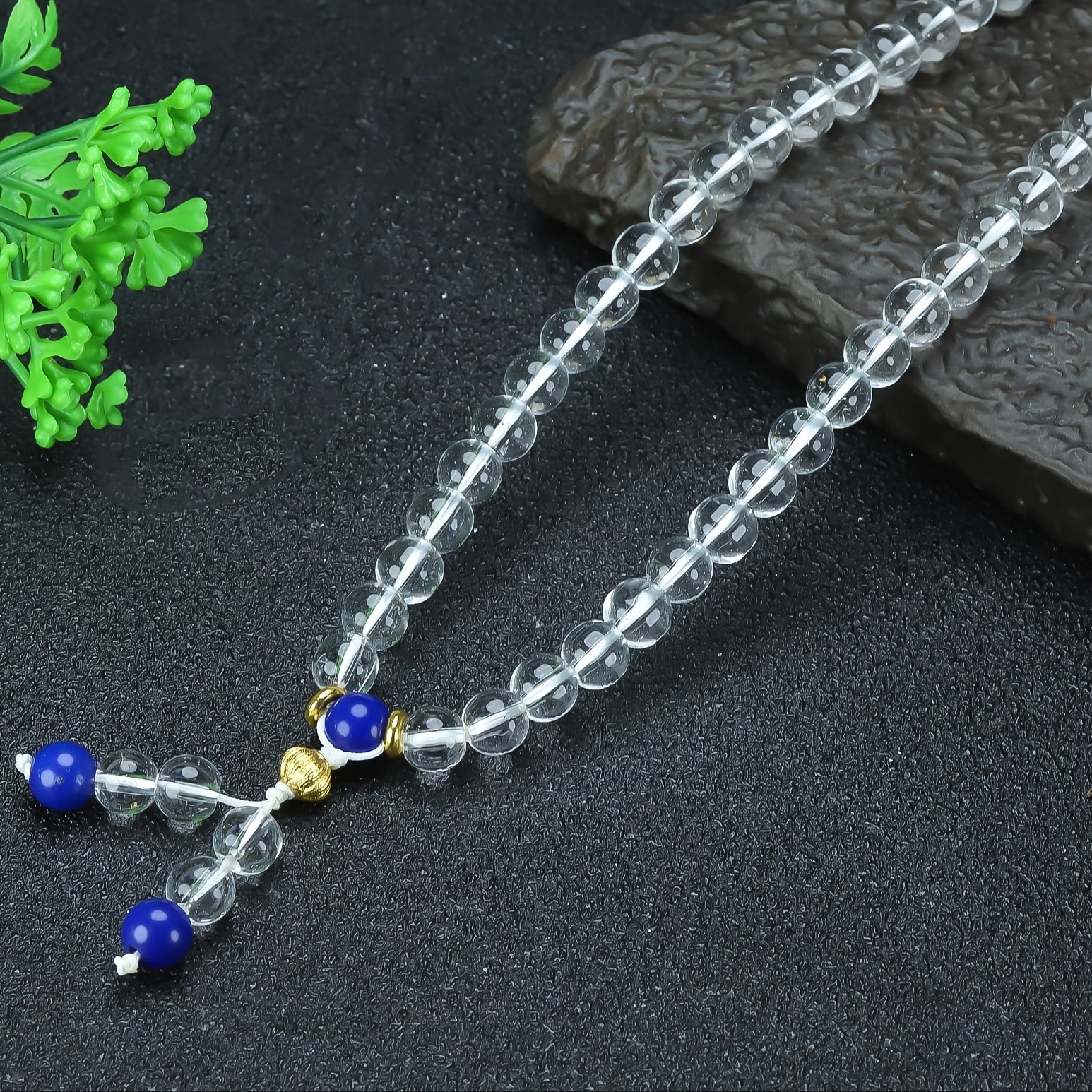
Glass, while not crystalline in the same way as natural stones, possesses unique energy-conducting properties. Modern glass used in quality jewelry is typically soda-lime glass with specific additives that affect its light transmission and energetic conductivity. The smooth, non-porous surface of glass beads allows energy to flow with minimal resistance, creating what energy workers describe as "energy channels" within a necklace design.
When stone and glass elements alternate in a necklace design, they create what physicists might describe as a "resonant circuit"—the stones providing grounding, stable frequencies while the glass elements facilitate energy flow between these stable points. This creates a dynamic yet balanced energy field around the wearer that can be particularly beneficial in today's electromagnetically saturated environments.
The size, shape, and arrangement of these elements further refine the energetic signature. Larger stone beads create stronger grounding points, while smaller glass beads between them create smooth energy transitions. The specific types of stone used (agate, jasper, quartz variants) each contribute their unique frequency to the overall energy field.
Aesthetic Principles: Visual Harmony in Material Diversity
The visual appeal of natural stone and glass combinations lies in their ability to create harmony from apparent contrast. The opaque, earth-toned solidity of natural stones provides visual weight and grounding, while the translucent, light-catching quality of glass elements adds movement and luminosity. This creates a dynamic visual rhythm that engages the eye while maintaining overall coherence.
From a design perspective, successful stone and glass combinations follow several key principles:
Color Resonance: The earth tones of natural stones (browns, grays, muted greens) harmonize beautifully with the neutral or subtly tinted glass often used in these combinations. This creates a cohesive color story that feels both natural and sophisticated.
Texture Dialogue: The matte or polished surfaces of stones contrast with the smooth, often faceted surfaces of glass beads, creating tactile interest that translates visually. This textural conversation adds depth and complexity to the design.
Scale and Proportion: Successful combinations carefully balance the size relationships between stone and glass elements. Typically, larger stone beads anchor the design while smaller glass beads provide transitional elements, creating visual flow.
Light Interaction: Glass elements catch and reflect light differently than stone, creating points of luminosity within the more subdued stone sections. This light play adds dimension and movement to the piece.
Contemporary designers also play with more unexpected combinations—pairing rough, unpolished stones with highly refined glass, or mixing stone types within a single piece to create more complex energy signatures. These experimental approaches push the boundaries of what's possible in material combination jewelry while maintaining the fundamental principles of visual and energetic harmony.
Energy Field Dynamics: How Layered Designs Create Multi-Dimensional Effects
The layered necklace format adds another dimension to the energy dynamics of stone and glass combinations. When multiple strands or lengths are worn together, they create overlapping energy fields that interact in complex ways. This multi-strand approach mirrors the layered nature of human consciousness itself—physical, emotional, mental, and spiritual layers all interacting simultaneously.
Energy workers who study jewelry effects have identified several patterns in how layered stone and glass necklaces influence the wearer's energy field:
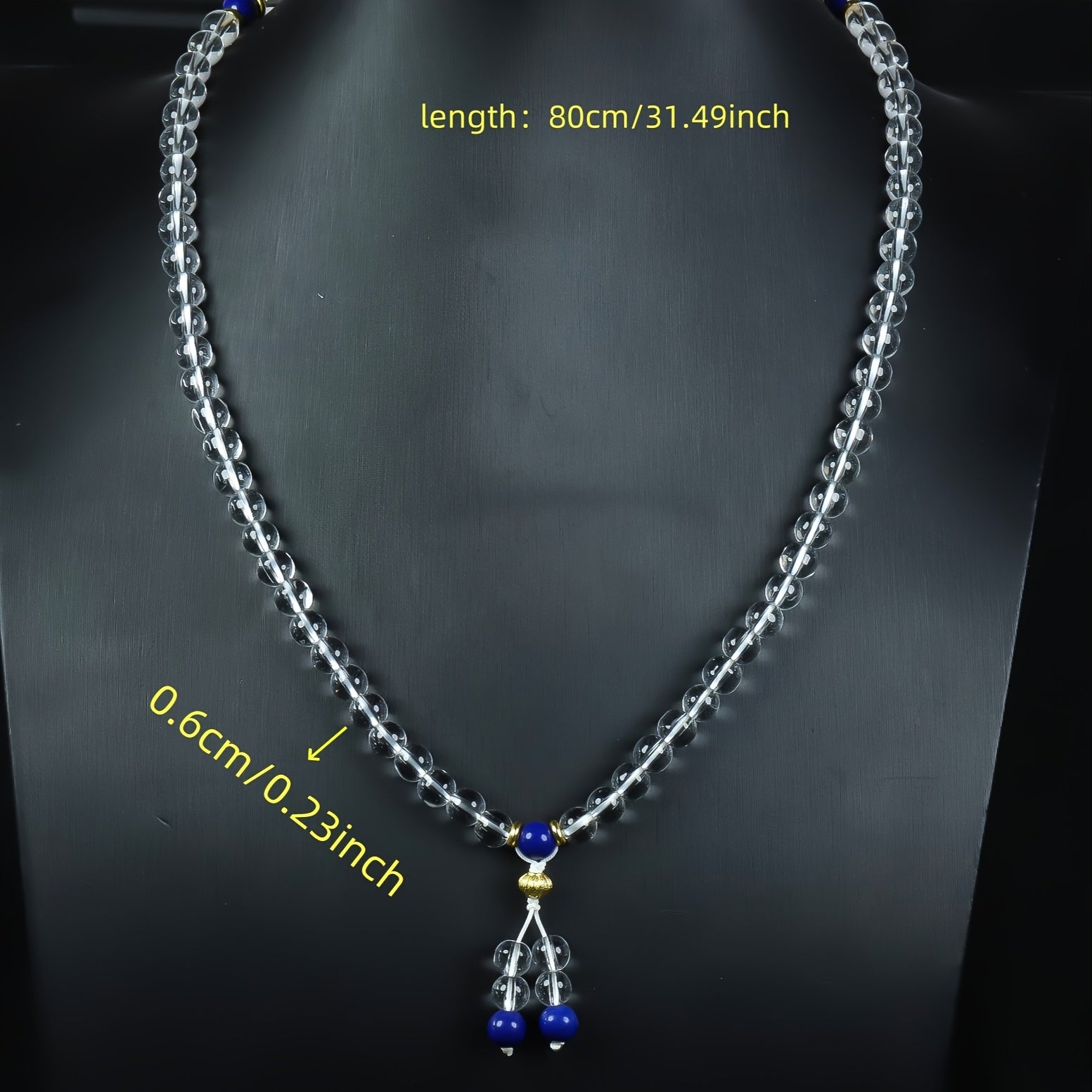
Vertical Energy Alignment: Longer necklaces that fall at different points on the torso (like the popular 80cm sweater chain length) align with different chakra points. Stone elements at specific lengths can provide targeted energetic support to corresponding energy centers.
Horizontal Energy Integration: When multiple strands are worn simultaneously, they create horizontal energy bands that help integrate different aspects of the self. Glass elements in these strands facilitate energy exchange between these layers.
Dynamic Field Creation: The movement of layered necklaces as the wearer moves creates constantly shifting energy patterns. This dynamism can help prevent energy stagnation and promote continuous energetic renewal throughout the day.
From a practical energy work perspective, layered stone and glass necklaces can be "programmed" for specific purposes by arranging the materials intentionally. For example, a necklace might place grounding stones at the bottom length (near the solar plexus) and glass elements at higher lengths (near the throat) to facilitate both grounding and clear communication.
Cultural Significance: Material Combinations in Global Jewelry Traditions
The combination of natural materials with manufactured or processed elements appears in jewelry traditions worldwide, each culture developing its own symbolic interpretations of these combinations. Understanding this global context enriches our appreciation of contemporary stone and glass combinations.
African Traditions: Many African jewelry traditions combine natural materials like bone, wood, or stone with glass beads introduced through trade. These combinations often symbolize the meeting of traditional wisdom (natural materials) with new knowledge (imported glass), creating pieces that honor both heritage and innovation.
Asian Philosophies: In Chinese and Indian jewelry traditions, material combinations often follow principles of elemental balance. Earth element stones might be combined with water-element-representing glass, creating microcosms of elemental harmony believed to bring balance to the wearer's life.
Indigenous American Practices: Native American jewelry frequently combines turquoise or other natural stones with silver. While not glass, the reflective quality of polished silver serves a similar function to glass in contemporary pieces—creating points of light and energy reflection within the design.
European Historical Context: During the Renaissance, jewelry combining precious stones with glass paste (an early form of manufactured glass) became popular among those who couldn't afford entirely gemstone pieces. Interestingly, these combinations were often believed to be more magically potent than pure gemstone pieces, as they combined natural and human-made elements.
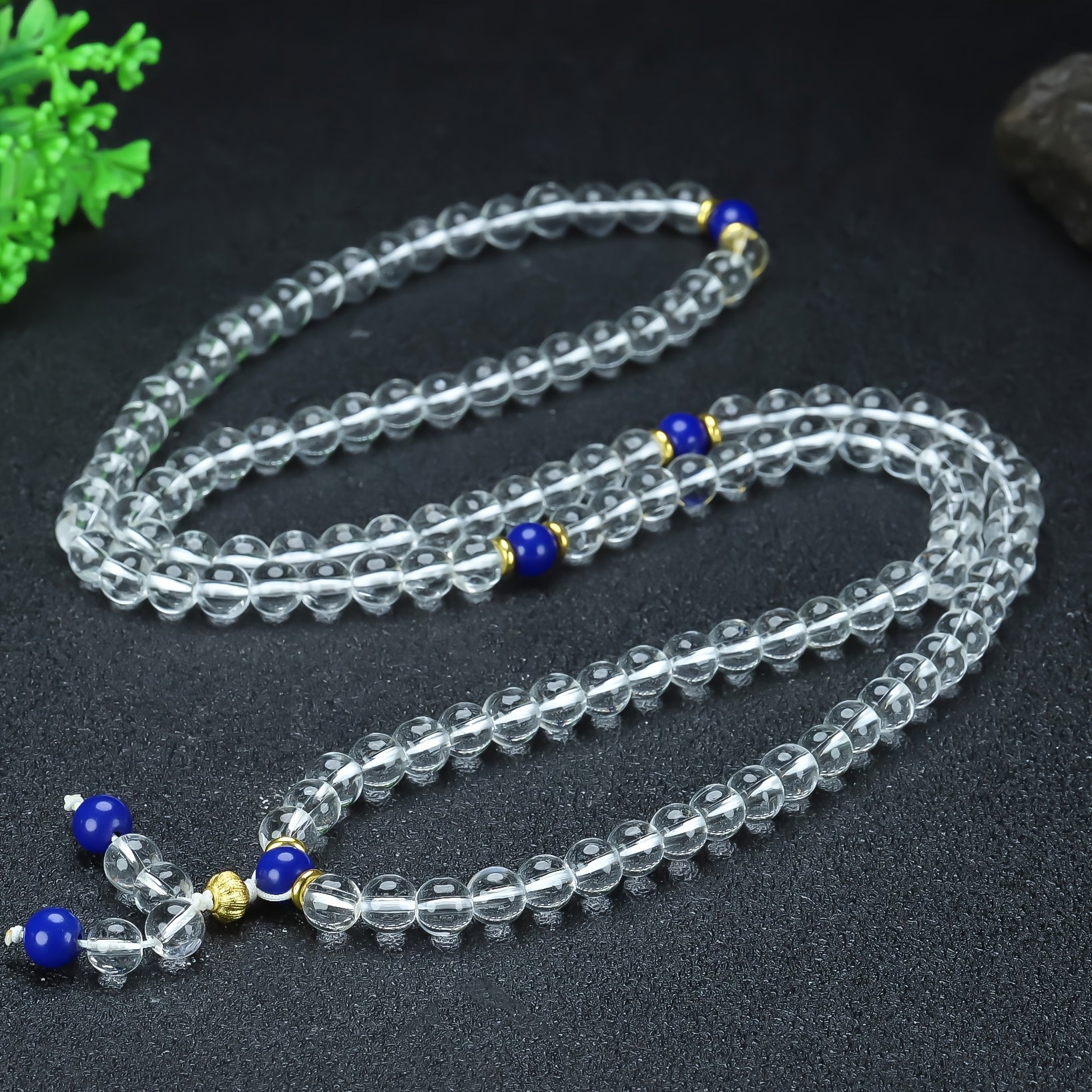
Contemporary stone and glass combinations draw from all these traditions while creating something uniquely suited to modern consciousness. They acknowledge our interconnected global heritage while addressing specifically contemporary needs for grounding, energy flow, and aesthetic versatility.
Sustainable Considerations: Environmental Ethics in Material Selection
As consciousness about environmental impact grows, the materials used in jewelry become increasingly significant. Natural stone and glass combinations offer interesting possibilities from a sustainability perspective, though they also present challenges that ethical designers must navigate.
Stone Sourcing Ethics: Responsible designers source natural stones from mines with ethical labor practices and minimal environmental impact. Many now use stones from known sources or even reclaimed/recycled stones from older jewelry. The unique variations in natural stones mean that each piece is inherently unique, reducing the pressure for perfect uniformity that drives environmentally damaging mining practices.
Glass Production Considerations: Modern glass production has made significant strides in environmental responsibility. Many jewelry glass beads are now made from recycled glass, and production methods have become more energy-efficient. Some designers specifically use "eco-glass" made with reduced environmental impact.
Longevity and Timelessness: Perhaps the most significant sustainability aspect of quality stone and glass jewelry is its timelessness. Unlike fast-fashion jewelry that quickly goes out of style and ends up in landfills, well-designed natural material jewelry remains stylish for decades. This longevity represents the ultimate sustainability—buying less but buying better.
Forward-thinking designers are also exploring innovative approaches like using local stones to reduce transportation impact or creating glass beads from post-consumer recycled glass. These approaches align stone and glass jewelry with broader movements toward circular economies and conscious consumption.
Future Directions: The Evolving Landscape of Material Combination Jewelry
As we look to the future of jewelry design, several trends suggest exciting directions for natural stone and glass combinations. Technological advances, changing cultural values, and evolving understanding of energy medicine all point toward increasingly sophisticated approaches to material combination.
Smart Material Integration: Researchers are developing glass variants with embedded properties—glass that changes color with body temperature, or that contains micro-encapsulated essential oils. Future stone and glass jewelry might incorporate these smart materials, creating pieces that respond dynamically to the wearer's state.
Customized Energy Signatures: As understanding of individual energy patterns advances, we may see jewelry customized not just aesthetically but energetically. Wearers might have their energy fields analyzed to determine optimal stone and glass combinations for their specific needs.
Bio-Interactive Designs: Some designers are experimenting with living elements in jewelry—combining stones and glass with preserved moss or other natural elements. While challenging from a durability perspective, these approaches push the boundaries of what constitutes "natural" in jewelry.
Digital Integration: The line between digital and physical jewelry is blurring. Future stone and glass combinations might incorporate subtle digital elements—LED-enhanced glass beads or stones with embedded NFC chips containing personal intention statements or energy protocols.
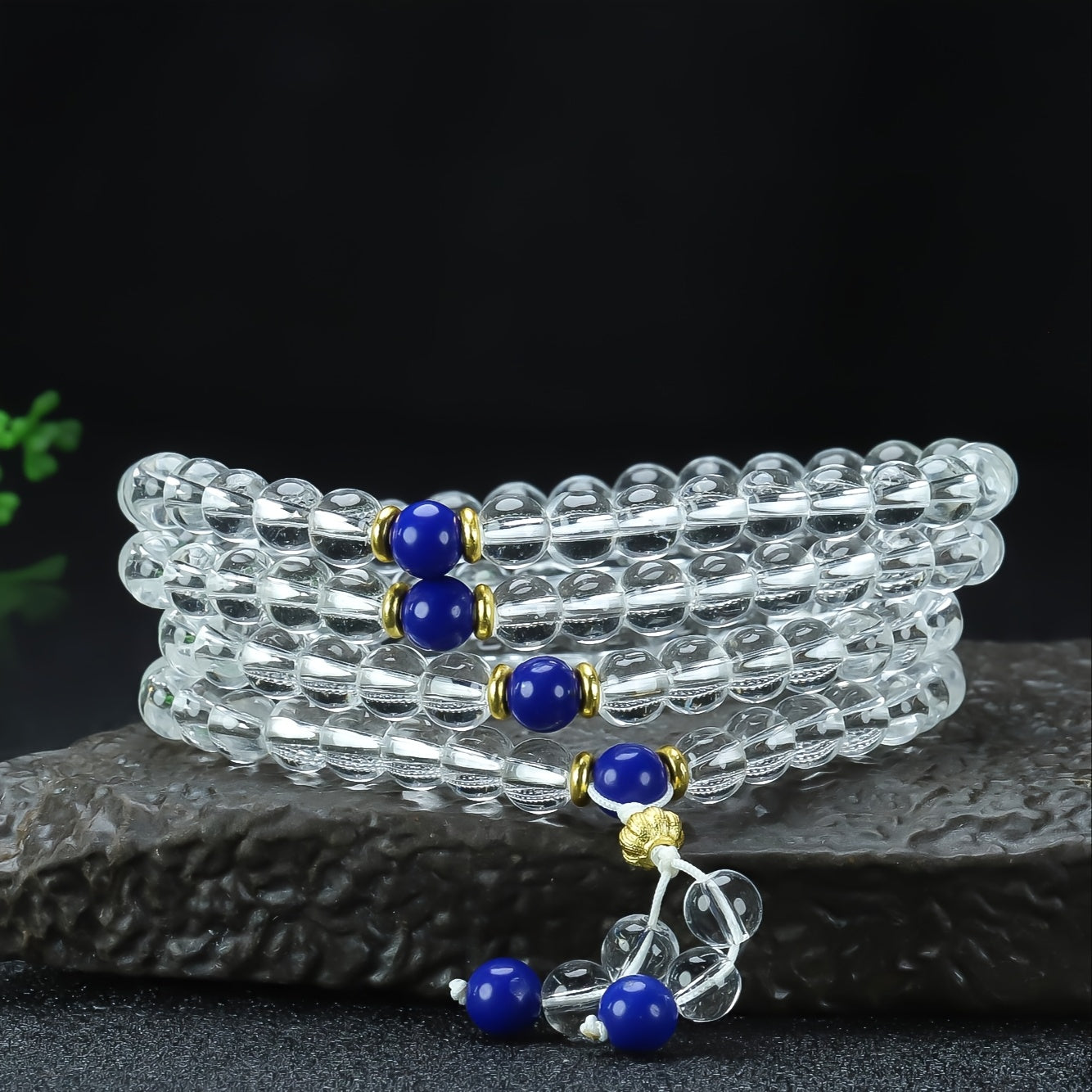
Despite these technological advances, the fundamental appeal of natural stone and glass combinations will likely remain their connection to timeless principles of balance, harmony, and natural beauty. The most successful future designs will likely integrate new technologies while honoring these eternal values.
Conclusion: The Enduring Appeal of Earth and Light Combined
The combination of natural stone and glass in layered necklaces represents more than a passing fashion trend; it embodies a deep human longing for connection—connection to the earth through natural materials, connection to light through glass, and connection to our own multi-layered nature through the layered design. As we navigate an increasingly complex world, these pieces serve as tangible anchors to simplicity, beauty, and energetic balance.
The enduring appeal of these combinations lies in their ability to satisfy multiple human needs simultaneously: the aesthetic need for beauty, the psychological need for meaning, the spiritual need for connection, and the energetic need for balance. In a single piece of jewelry, wearers find style, substance, and soul—a rare combination in any era, but particularly precious in our current moment.

As we move forward, the principles embodied in these natural stone and glass combinations—balance, harmony, thoughtful material selection, respect for natural beauty—offer valuable guidance not just for jewelry design, but for living consciously in relationship with our world. Each time we choose and wear such pieces, we participate in a centuries-old human practice of finding meaning in materiality, and beauty in balanced combination.
