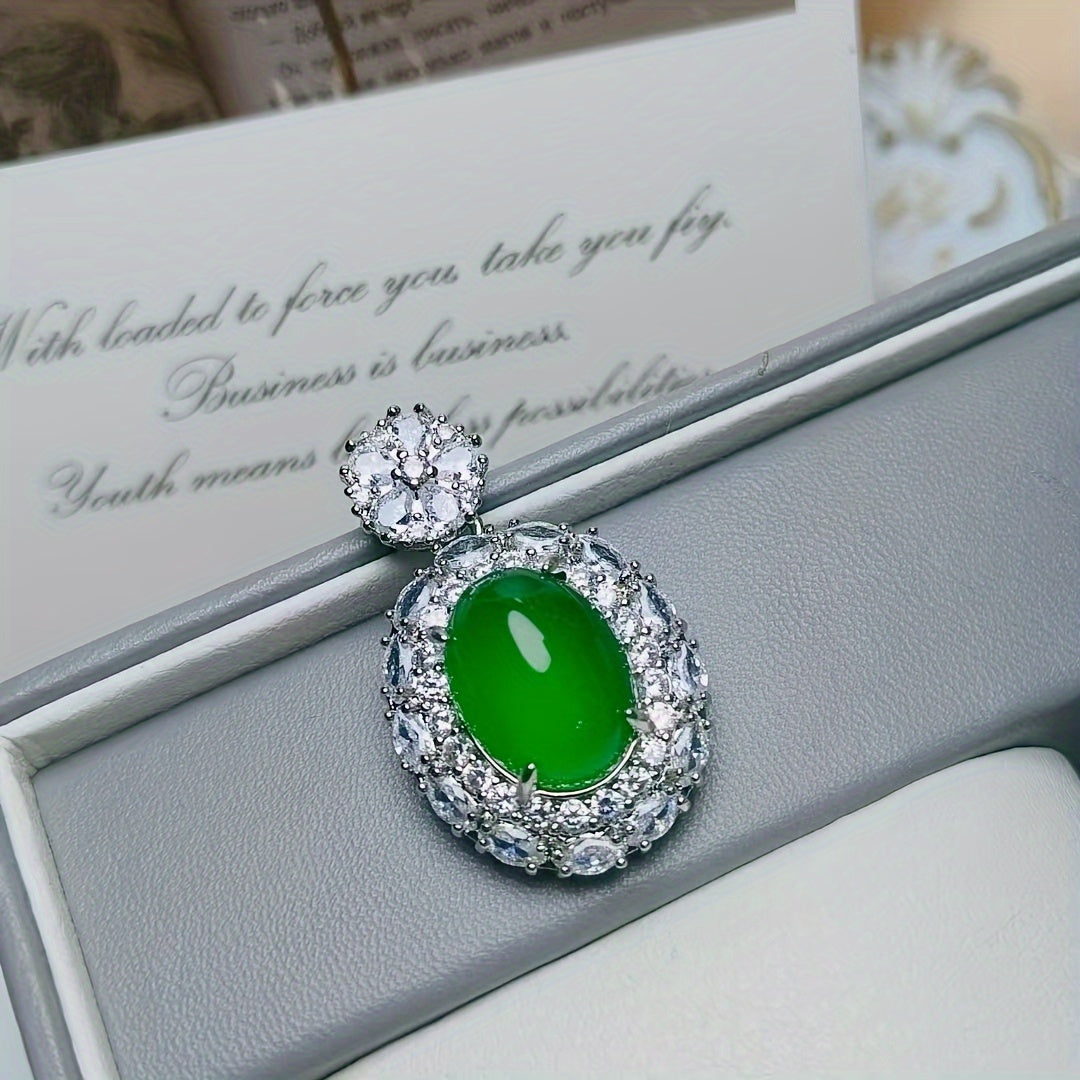


The Alchemy of Stone: How Natural Minerals in Jewelry Transform Personal Energy and Consciousness
Since the dawn of human consciousness, we have been drawn to stones. Not merely as tools or building materials, but as mysterious objects possessing intrinsic power, beauty, and meaning. From the amulets of ancient Egypt to the crystal grids of modern spirituality, natural stones have served as bridges between the physical and spiritual realms. Today, as we witness a renaissance in mineral-based jewelry, we find ourselves returning to this ancient wisdom with contemporary understanding. This article explores the profound alchemy that occurs when we wear earth's minerals—how stones like onyx and agate interact with our energy systems, influence our consciousness, and facilitate personal transformation.
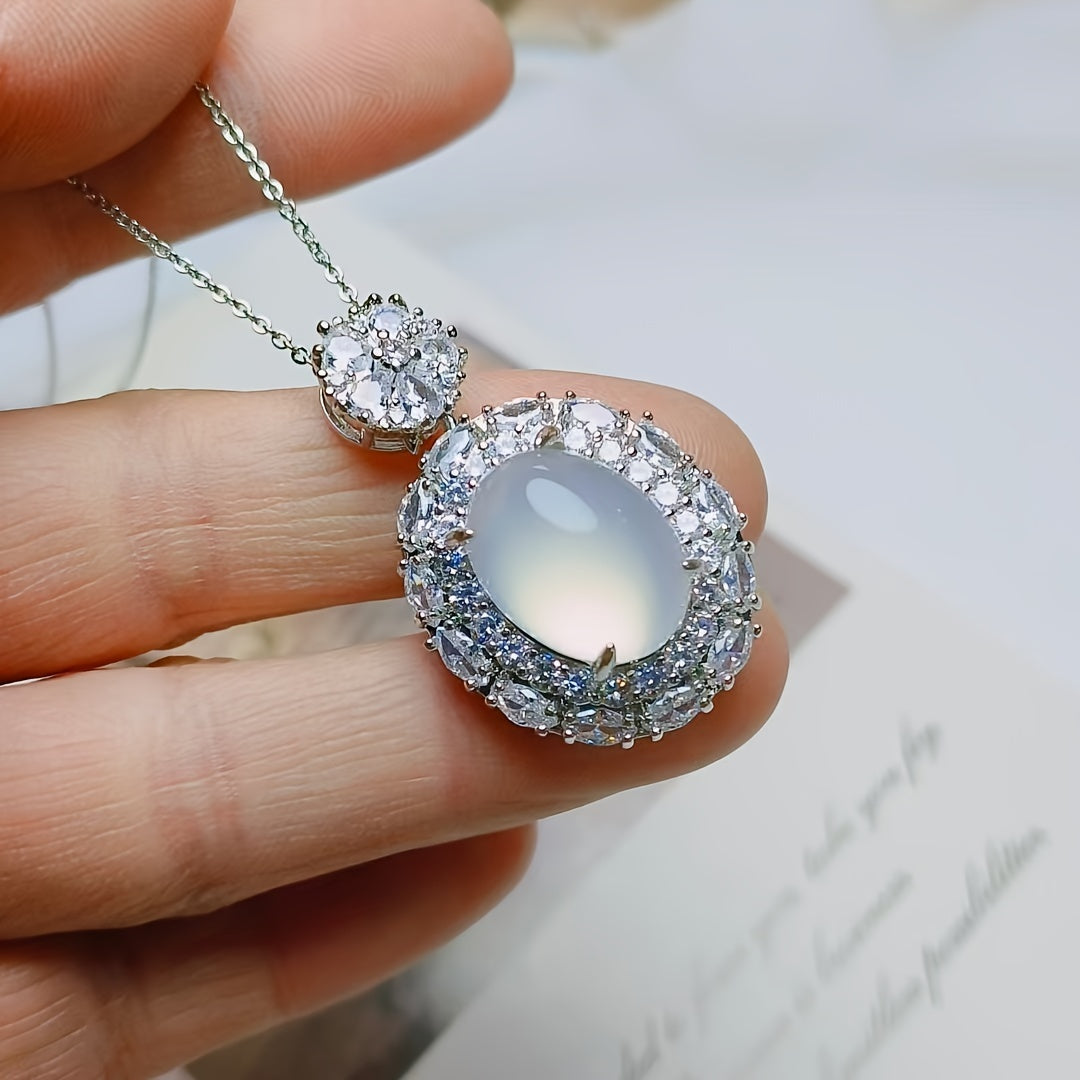
Historical Foundations: Stones in Ancient Spiritual Traditions
The use of stones for spiritual and therapeutic purposes predates recorded history. Archaeological evidence reveals that Neolithic peoples carried amulets of hematite, amber, and jade, often buried with the dead for protection in the afterlife. In ancient Mesopotamia, cylinder seals made from lapis lazuli were believed to connect the wearer with celestial forces. Egyptian pharaohs were entombed with breastplates containing specific stones arranged according to sacred geometry, each mineral selected for its protective and transformative properties.
The Lapidaries of the Ancient World
Ancient texts like the Egyptian "Book of the Dead," the Babylonian "Stone Serpent Text," and the Sanskrit "Ratnapariksha" (examination of gems) document sophisticated systems of stone correspondences. These early lapidaries (stone treatises) categorized minerals by their elemental associations, planetary rulers, and therapeutic effects. Stones weren't merely decorative; they were understood as condensed earth energy with specific vibrational qualities that could interact with human energy fields.
In classical antiquity, Theophrastus (c. 371–287 BCE) wrote "On Stones," one of the first systematic mineralogical texts, while Pliny the Elder's "Natural History" dedicated an entire book to the medicinal and magical properties of stones. These works formed the foundation for medieval lapidaries that would influence both Western alchemy and Eastern Ayurvedic medicine. The consistent thread through all these traditions: stones are alive with subtle energy that can be harnessed for healing, protection, and spiritual development.
The Science of Stone Energy: Between Geology and Metaphysics
Modern skepticism often dismisses stone spirituality as mere superstition, but emerging research suggests more complex interactions. From a geological perspective, stones are crystalline structures that form under specific conditions of heat, pressure, and mineral saturation over millennia. These conditions create unique atomic arrangements that give each mineral distinct physical properties—including piezoelectricity (generating electric charge under pressure), thermoluminescence (light emission when heated), and unique electromagnetic signatures.
Piezoelectric Effect
Quartz and other crystals generate electrical charge when mechanically stressed. This property is harnessed in watches, radios, and medical equipment. Metaphysically, this suggests stones can transduce energy between different forms.
Crystal Lattice Structures
The orderly arrangement of atoms in crystals creates stable vibrational patterns. Some researchers theorize these stable patterns can help "entrain" or stabilize disordered human energy fields through resonance principles.
Trace Element Composition
Minerals contain trace amounts of elements like lithium (in lepidolite, calming), iron (in hematite, grounding), or copper (in malachite, transformative). These may have subtle energetic or even transdermal effects.
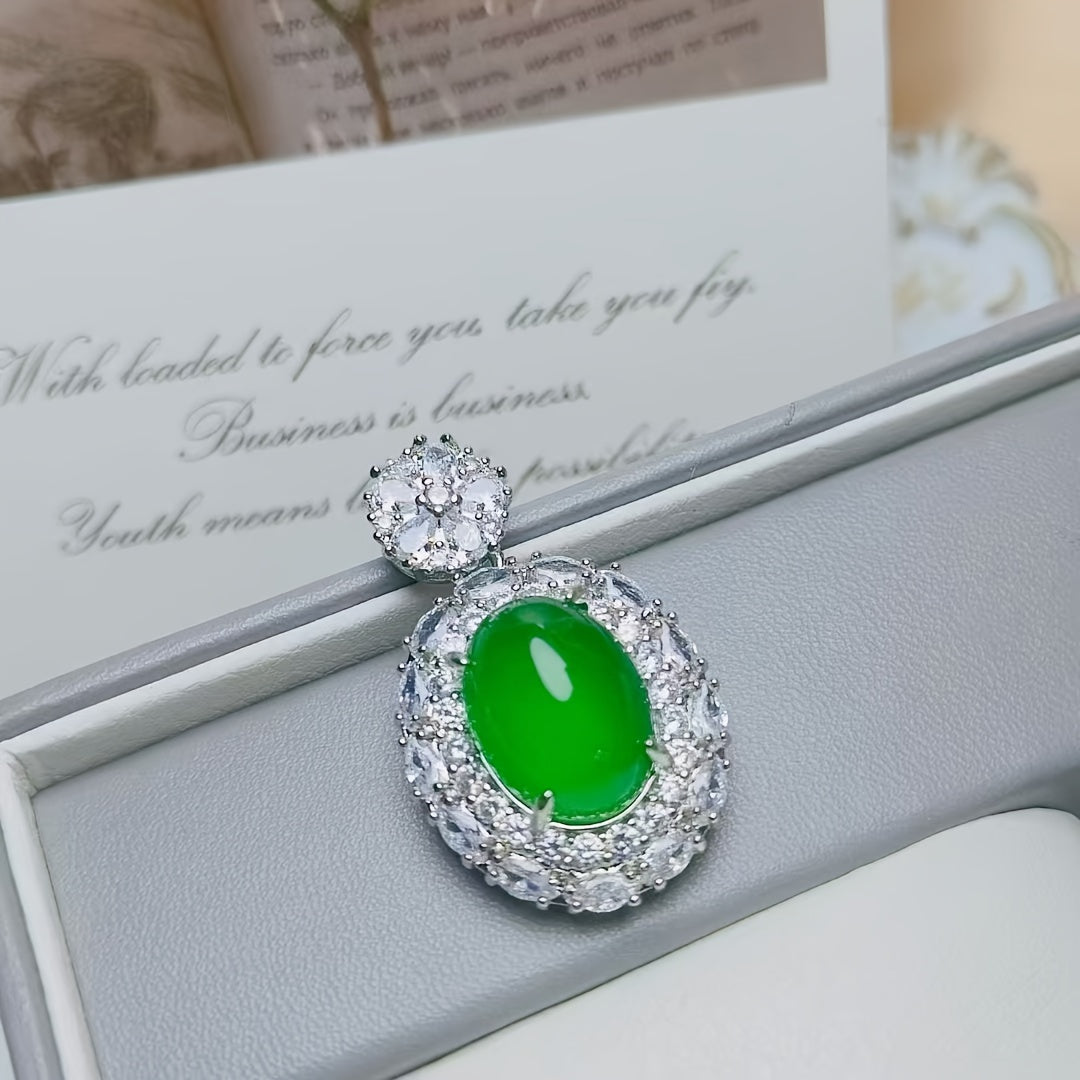
While mainstream science remains cautious about metaphysical claims, interdisciplinary fields like psychoneuroimmunology and energy medicine are exploring how beliefs, symbols, and subtle energy interventions affect health outcomes. The placebo effect demonstrates that belief alone can produce measurable physiological changes. If someone believes a stone provides protection or clarity, their nervous system may respond accordingly, reducing stress hormones or enhancing cognitive function. In this view, stones function as psychoactive symbols—tangible focuses for intention and belief that trigger real psychosomatic effects.
The Psychology of Wearing Stones: Archetypes, Symbols, and Self-Narrative
Beyond any potential physical energy exchange, stones function powerfully in psychological and symbolic dimensions. Carl Jung recognized minerals as archetypal symbols representing aspects of the Self. In analytical psychology, the "lapis philosophorum" (philosopher's stone) represented the integrated, perfected Self. When we choose to wear specific stones, we engage in a form of symbolic self-creation.
- Onyx as Shadow Work: Black stones like onyx often represent the shadow self—the parts of ourselves we repress or deny. Wearing onyx can symbolize willingness to confront and integrate these aspects, leading to greater wholeness.
- Agate as Emotional Archaeology: With its layered banding, agate represents the geological record of emotional experience. Wearing it can symbolize the process of examining emotional layers with clarity and compassion.
- Stone Combinations as Internal Dialogue: Wearing multiple stones (like onyx and agate together) creates a symbolic conversation between different aspects of the psyche—perhaps between groundedness and aspiration, or protection and openness.
This psychological function is particularly potent in our age of identity curation. The stones we choose become part of our personal mythology—visible expressions of inner values, struggles, and aspirations. They serve as tangible reminders of intentions, much like wedding rings symbolize commitment or religious symbols represent faith.
Cultural Resurgence: Why Stone Jewelry Is Thriving Today
The 21st century has witnessed a remarkable resurgence of interest in natural stone jewelry, particularly among millennials and Gen Z. This revival intersects with several contemporary trends:
The Wellness Movement
As conventional healthcare becomes increasingly institutionalized, many seek complementary approaches. Stone jewelry offers a portable, non-invasive form of self-care that fits seamlessly into daily life.
Digital Detox & Reconnection to Nature
In our screen-saturated lives, natural stones provide tangible connection to the physical earth—a grounding antidote to digital disembodiment.
Meaningful Consumption
Consumers increasingly seek products with stories, authenticity, and ethical sourcing. Natural stones with geological and cultural histories satisfy this desire for meaningful possessions.
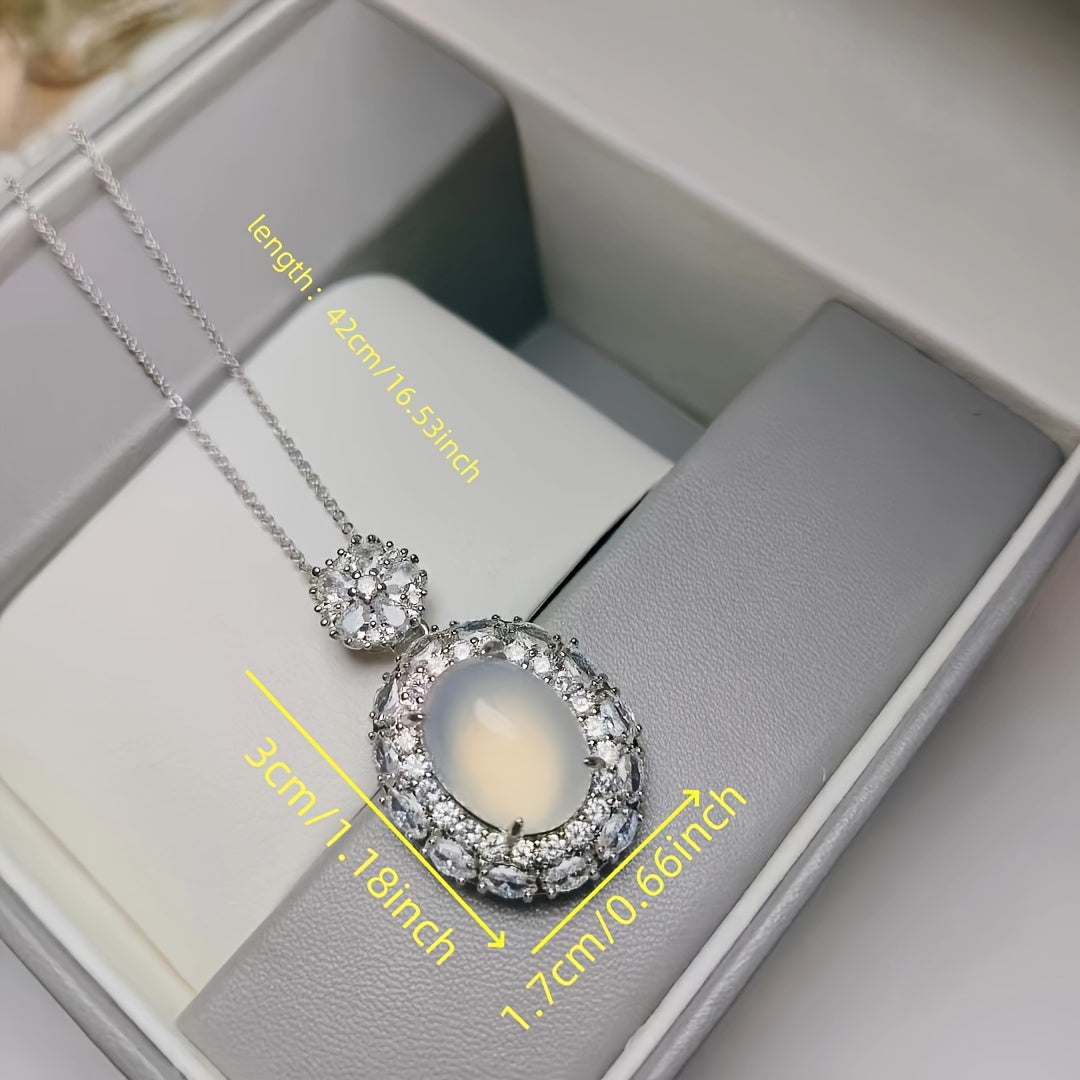
Market analysis reveals that spiritual and wellness jewelry is one of the fastest-growing segments in the accessories market. What distinguishes today's stone jewelry from New Age trends of the past is its design sophistication and integration with mainstream fashion. Designers are creating pieces that work equally well in corporate settings and meditation spaces, removing the stigma sometimes associated with "crystal" jewelry. This normalization makes stone energy accessible to wider audiences who might not identify as "spiritual" but appreciate beauty with meaning.
The Ethics of Stone Sourcing: Sustainability and Cultural Responsibility
As demand for natural stone jewelry grows, ethical considerations become increasingly important. The mineral trade has historically been plagued by:
- Environmental Degradation: Unsustainable mining practices that damage ecosystems and deplete non-renewable resources
- Labor Exploitation: Dangerous working conditions and unfair wages in some mining communities
- Cultural Appropriation: Commercializing sacred stones without respect for or benefit to their cultures of origin
Forward-thinking jewelers are addressing these concerns through:
- Transparent Supply Chains: Sourcing stones from certified ethical mines or using recycled/repurposed minerals
- Fair Trade Practices: Ensuring miners receive living wages and work in safe conditions
- Cultural Collaboration: Working with indigenous communities to respectfully incorporate traditional stone knowledge
- Synthetic Alternatives: Offering lab-created stones that provide the aesthetic and energetic qualities without mining impacts
The most ethically produced stone jewelry acknowledges that stones are not merely commodities but earth beings with their own integrity. This perspective transforms wearing stones from consumption to relationship—honoring the earth that produced them and the hands that extracted and shaped them.
The Future of Stone Jewelry: Technological Integration and Evolutionary Design
As we look forward, stone jewelry is poised for fascinating evolution at the intersection of ancient wisdom and emerging technology:
Biofeedback Jewelry
Future designs may incorporate stone elements with sensors that monitor physiological states (heart rate, galvanic skin response) and use stone properties to help regulate these states.
Digital Stone Companions
Augmented reality apps could provide information about a stone's properties, history, and suggested meditations when viewed through a smartphone camera.
Custom Mineral Compositions
Advancements in geopolymer science may allow for custom-designed "stones" with specific energetic signatures tailored to individual needs.
Perhaps the most significant evolution will be in how we conceptualize stone jewelry's purpose. Moving beyond personal healing toward planetary consciousness, future designs might emphasize stones as connectors to specific bioregions or ecosystems, fostering environmental awareness and stewardship. Jewelry could become a wearable expression of ecological commitment, with stones sourced from rehabilitated mines or representing endangered geological formations.
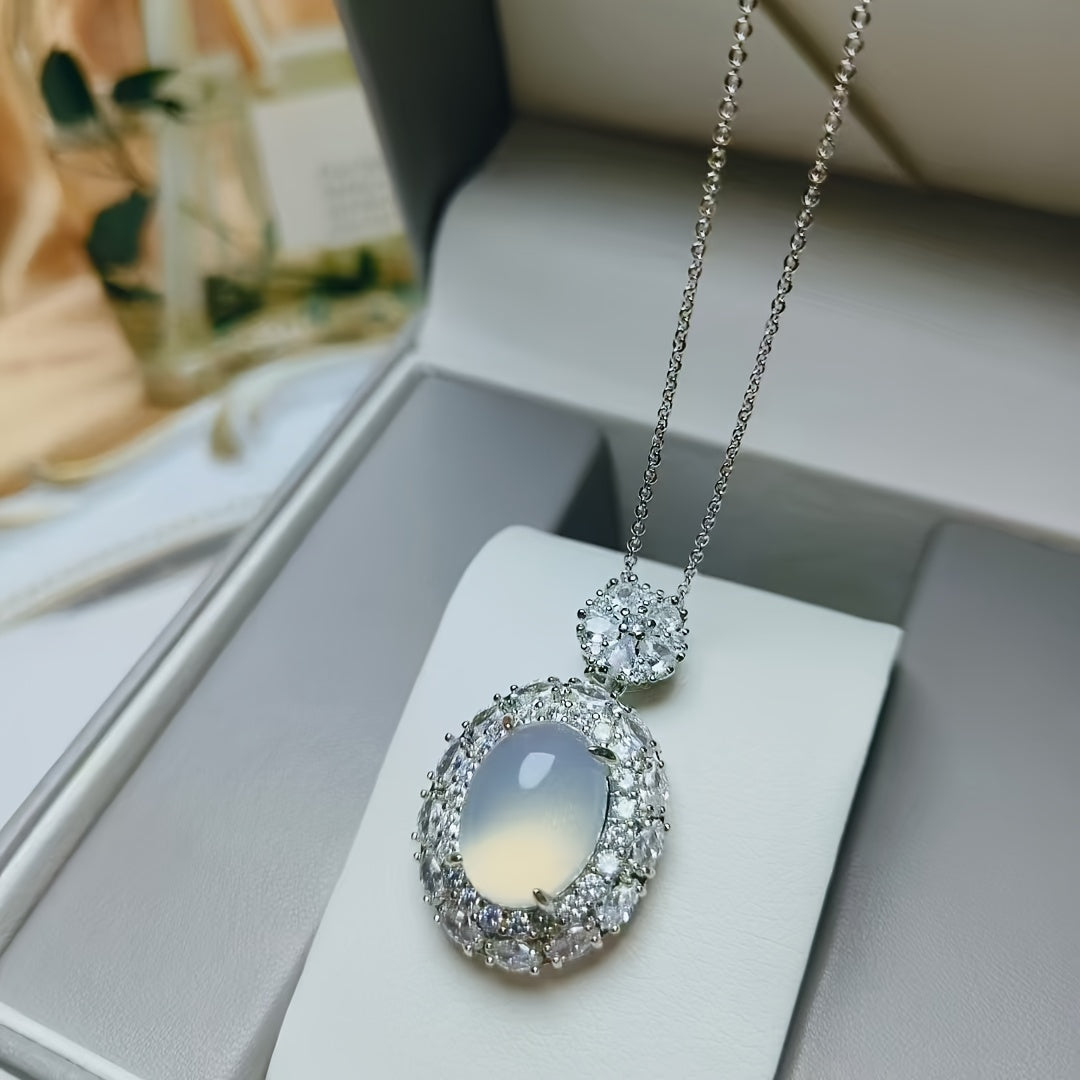
Personal Testimonies: The Transformative Power of Stone Jewelry
Beyond theory and history, the true power of stone jewelry emerges in personal experience. Across cultures and backgrounds, people report similar experiences:
- Anchoring in Transition: Many wear stones during life transitions (career changes, relationships, grief) as tangible anchors providing continuity and comfort.
- Non-Verbal Communication: Stones often serve as conversation starters about values, spirituality, or personal journeys, creating connections between like-minded individuals.
- Behavioral Cues: The physical presence of a stone pendant serves as a reminder to breathe deeply, stand grounded, or speak truthfully—subtly shaping behavior through tactile awareness.
- Generational Healing: Heirloom stone jewelry carries family energy and history, with stones often passed down with stories and blessings.
These personal narratives suggest that stone jewelry's power lies in its multidimensionality—it functions simultaneously as aesthetic object, spiritual tool, psychological symbol, and connection to the natural world. This rich layering of meaning distinguishes stone jewelry from purely decorative accessories, offering depth that grows rather than fades with time.
Conclusion: The Eternal Conversation Between Stone and Soul
The alchemy of stone jewelry represents one of humanity's most enduring and evolving relationships with the natural world. From our earliest ancestors who pocketed interesting pebbles to modern designers crafting elegant mineral pendants, we have consistently recognized something profound in earth's crystalline offerings. This relationship is not primitive superstition but sophisticated engagement with materiality, meaning, and consciousness.
Stones like onyx and agate serve as earth teachers—reminding us of geological time, elemental processes, and the beautiful order underlying apparent chaos. When we wear them, we participate in an ancient human practice of carrying the earth's wisdom on our bodies. We engage in a form of geological mindfulness—remembering our literal groundedness in mineral reality while aspiring to crystalline clarity of consciousness.
The resurgence of natural stone jewelry today suggests a collective yearning for authenticity, meaning, and reconnection in a fragmented world. Each pendant, necklace, or bracelet becomes a personal altar—a portable sacred space where earth's patience meets human aspiration, where geological time touches momentary awareness, and where the enduring solidity of stone supports the beautiful fragility of human transformation.
As we move forward, may our relationship with stone jewelry evolve toward greater reciprocity—honoring the earth that gives these minerals, respecting the communities that extract them, and using their energy not merely for personal benefit but for healing the planetary relationship they so beautifully represent. In this sacred exchange, wearing stones becomes not just adornment but devotion—a daily practice of remembering our profound belonging to an intelligent, generous, stone-hearted Earth.