





In the realm of natural stone jewelry, agate occupies a unique position—geologically fascinating, culturally significant, and spiritually profound. With its distinctive banded patterns that resemble miniature landscapes captured in stone, agate has captivated humanity for millennia. Today, this ancient stone finds new expression in bohemian jewelry design, where it serves as both aesthetic centerpiece and energetic anchor. The contemporary agate necklace represents more than mere ornamentation; it embodies a philosophical stance toward life that values balance, authenticity, and connection to the natural world.
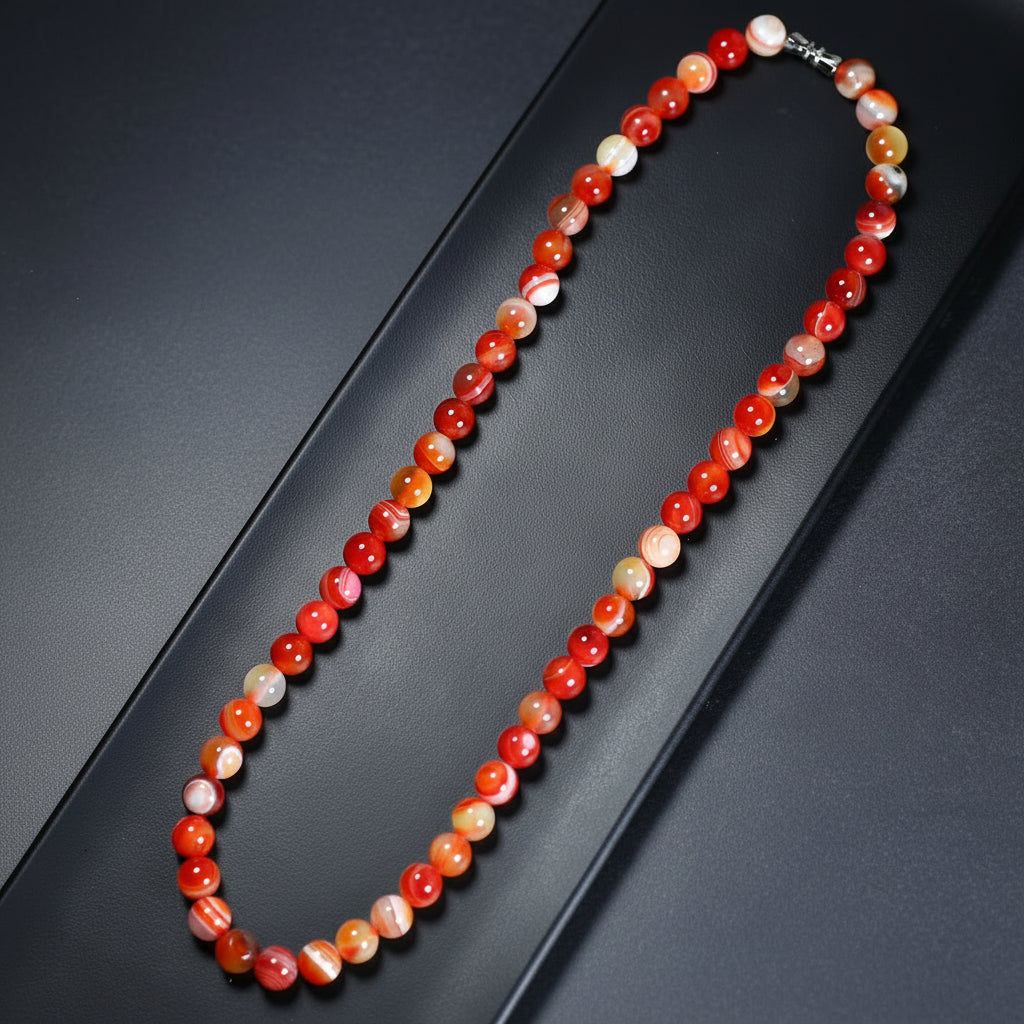
This exploration traces agate's journey from geological formation to cultural symbol to contemporary fashion statement, examining how its layered structure mirrors the complexities of human experience. Through the lens of bohemian design philosophy—which celebrates individuality, natural materials, and spiritual connection—we can understand why agate jewelry resonates so deeply in our modern search for meaning and balance amidst life's pressures.
Geological Poetry: The Science Behind Agate's Beauty
Agate's formation is a geological marvel that unfolds over millions of years, requiring specific conditions of temperature, pressure, and mineral-rich solutions. Unlike crystals that grow outward from a central point, agate forms through a process of successive deposition within cavities of volcanic or metamorphic rock. Silica-rich groundwater percolates through rock fractures, depositing microscopic quartz crystals in layers that eventually solidify into the banded patterns we recognize as agate.
Mineral Composition: Agate is a variety of chalcedony, which itself is a microcrystalline form of quartz (silicon dioxide). What distinguishes agate from other chalcedony varieties is its distinctive banding, created by impurities like iron, manganese, and other minerals that tint the silica layers. These impurities create the earthy colors—browns, creams, reds, and grays—that make agate so visually appealing in jewelry.
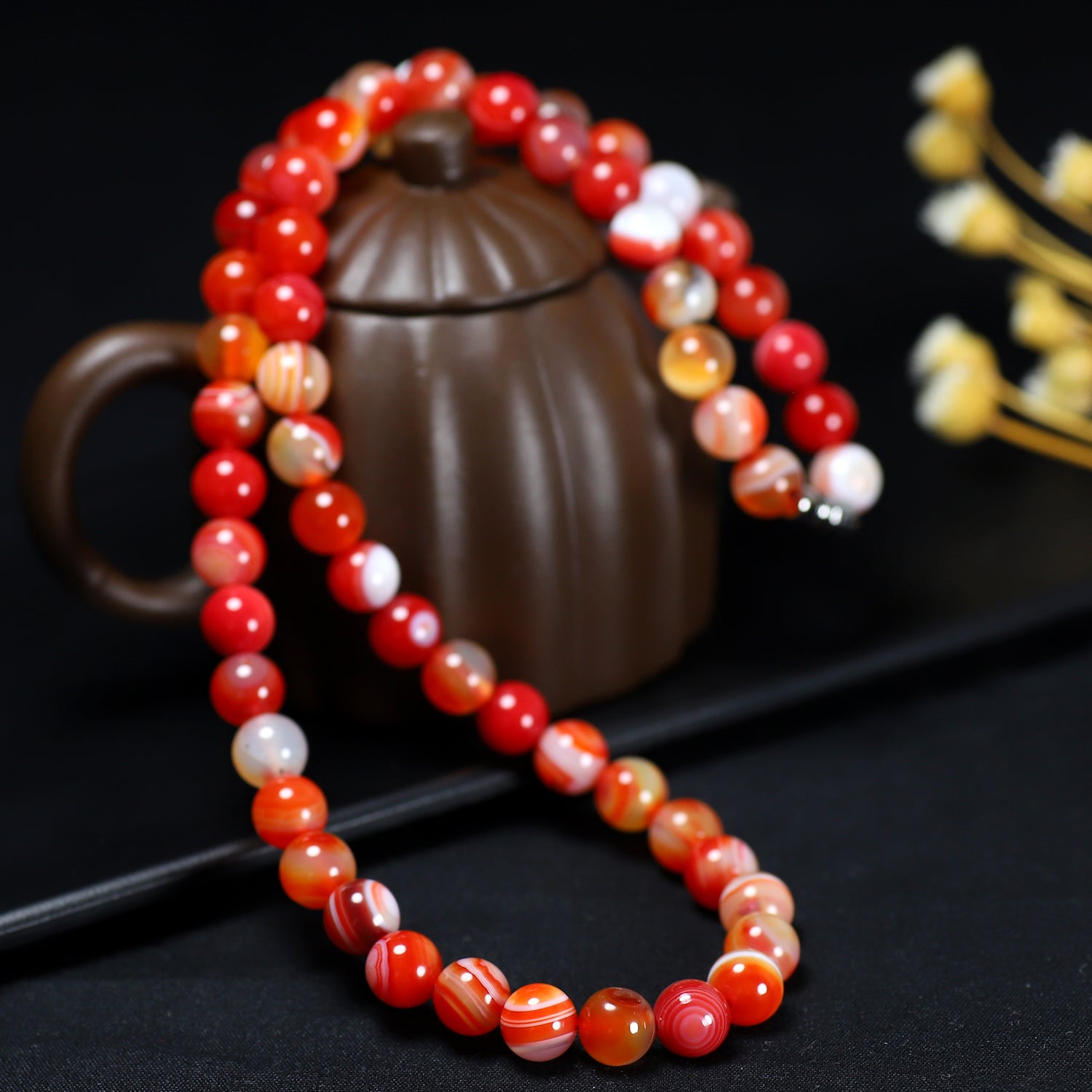
The banding patterns tell a geological story of changing conditions during formation. Each layer represents a different phase of mineral deposition, with variations in color indicating shifts in mineral content, oxidation states, or environmental conditions. Some agates display concentric circles resembling tree rings, while others show parallel bands or complex dendritic patterns that look like miniature landscapes. This natural variation means that no two agate stones are identical, making each piece of agate jewelry truly unique.

Historical Significance: Agate Through the Ages
Ancient Civilizations and Agate Lore
Agate's human history stretches back to the earliest civilizations. Archaeological evidence shows that agate was used for tools, ornaments, and ceremonial objects as early as the Neolithic period. The stone takes its name from the Achates River (now the Dirillo River) in Sicily, where it was reportedly discovered by Theophrastus, a Greek philosopher and student of Aristotle, around the 4th century BCE.
In ancient Mesopotamia, agate was carved into cylinder seals used to imprint signatures on clay tablets. The stone's hardness made it durable for this purpose, while its beauty lent prestige to official documents. Egyptian pharaohs wore agate in ceremonial jewelry, believing it protected against natural disasters. Persian warriors carried agate amulets into battle for courage and victory. Across these ancient cultures, agate was valued not only for its beauty but for its perceived protective and strengthening properties.
Medieval and Renaissance Symbolism
During the Middle Ages, agate took on Christian symbolism, with its layers interpreted as representing the various mysteries of faith or the stations of the cross. Medieval lapidaries—books about stones and their properties—attributed numerous virtues to agate. It was said to make the wearer agreeable and persuasive, to protect against poison and venomous creatures, to cure insomnia, and to ensure God's favor.
The Renaissance saw a revival of classical interest in natural stones, with agate becoming prized for cameo carving. Artists like those in the workshops of Renaissance Italy would carve the differently colored layers of agate to create relief images, with the background in one color and the raised design in another. This technique highlighted agate's layered structure while creating miniature works of art that were worn as jewelry or displayed as curiosities.
Bohemian Philosophy: Why Agate Resonates with Free-Spirited Aesthetics
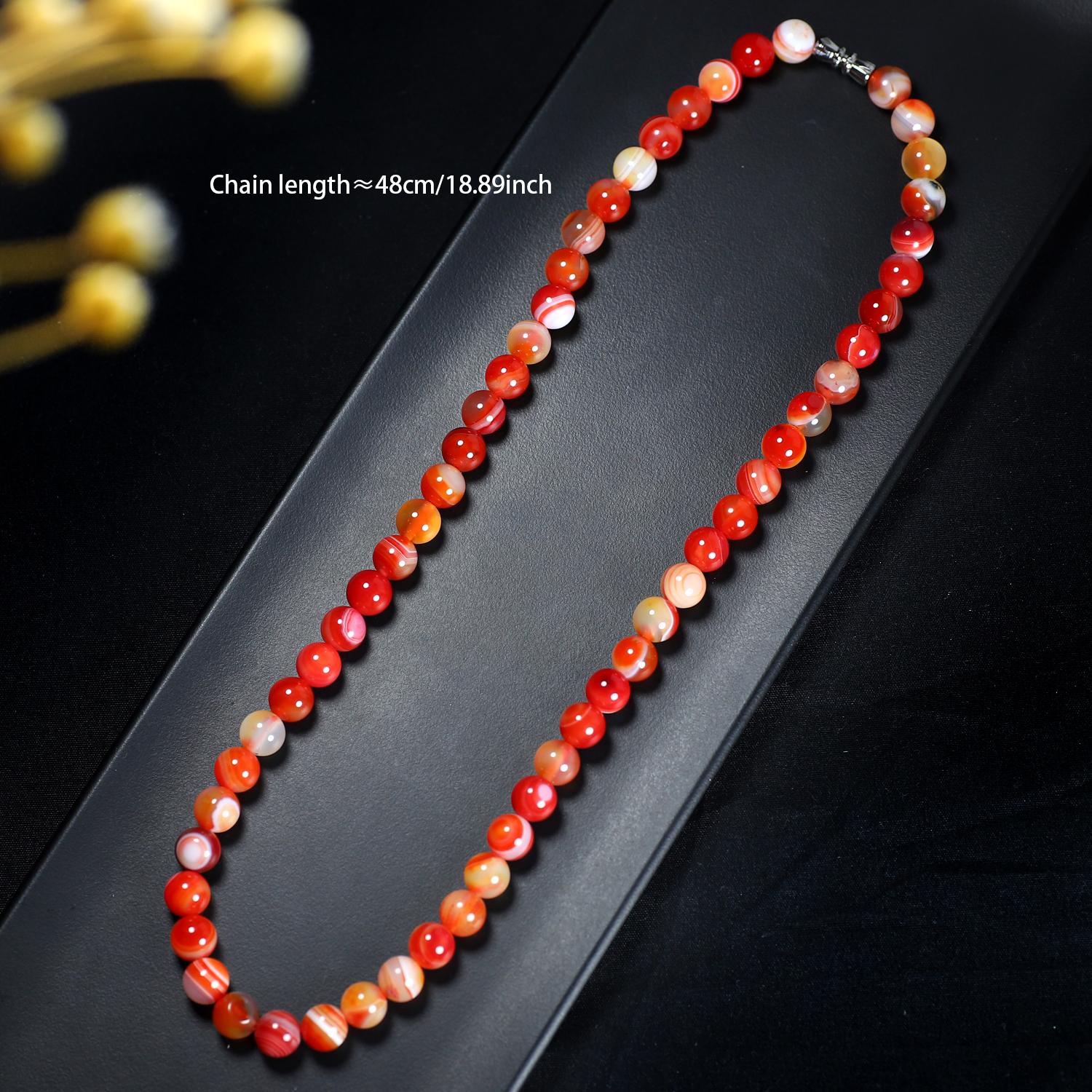
The bohemian fashion movement, with roots in 19th-century artistic communities and 1960s counterculture, values natural materials, artisanal craftsmanship, and individual expression over mass-produced conformity. Within this aesthetic framework, agate holds particular appeal for several interconnected reasons that speak to bohemian values.
Firstly, agate's natural, unpolished beauty aligns with bohemian appreciation for materials in their authentic state. Unlike gemstones that require extensive cutting and faceting to reveal their beauty, agate often appears in jewelry with minimal alteration—simply sliced and polished to showcase its natural patterns. This authenticity resonates with bohemian ideals of truth to materials and rejection of artificial enhancement.
Authenticity Principle: Bohemian design philosophy celebrates materials that tell stories of their origin. Agate's visible banding provides a geological narrative that wearers can literally see and touch. Each band represents different conditions during formation—changes in mineral content, temperature, or pressure—creating a natural record of environmental history that parallels bohemian values of embracing life's varied experiences.
Secondly, agate's grounding properties complement bohemian spirituality, which often blends elements of Eastern philosophy, nature worship, and New Age energy work. In crystal healing traditions, agate is considered a stabilizing stone that harmonizes yin and yang energies. For free-spirited individuals who value emotional exploration but also seek stability, agate offers symbolic and (for believers) energetic support for maintaining balance amidst life's adventures.
Thirdly, the stone's earthy color palette—dominated by browns, creams, and terracottas—fits perfectly with bohemian fashion's preference for natural, neutral tones that can be mixed and layered. These colors work with virtually any other color in the bohemian wardrobe, from flowing white linens to richly patterned textiles, making agate jewelry remarkably versatile as an accessory.
Contemporary Craftsmanship: Transforming Raw Stone into Wearable Art
From Mine to Market: Ethical Sourcing and Processing
Modern agate jewelry production involves careful consideration of both aesthetic quality and ethical responsibility. Major agate deposits exist in Brazil, Uruguay, India, Madagascar, and the United States (particularly Montana and Oregon). Ethical jewelry makers prioritize sourcing from mines with responsible labor practices and environmental stewardship, often building direct relationships with mining communities.
The transformation of raw agate into jewelry begins with careful selection. Artisans examine rough agate pieces for interesting patterns, color variations, and structural integrity. The selected stones are then sliced using diamond-tipped saws—a process that reveals the internal banding patterns that were invisible in the rough state. This moment of revelation is particularly magical with agate, as the cutter never knows exactly what patterns will emerge until the stone is opened.
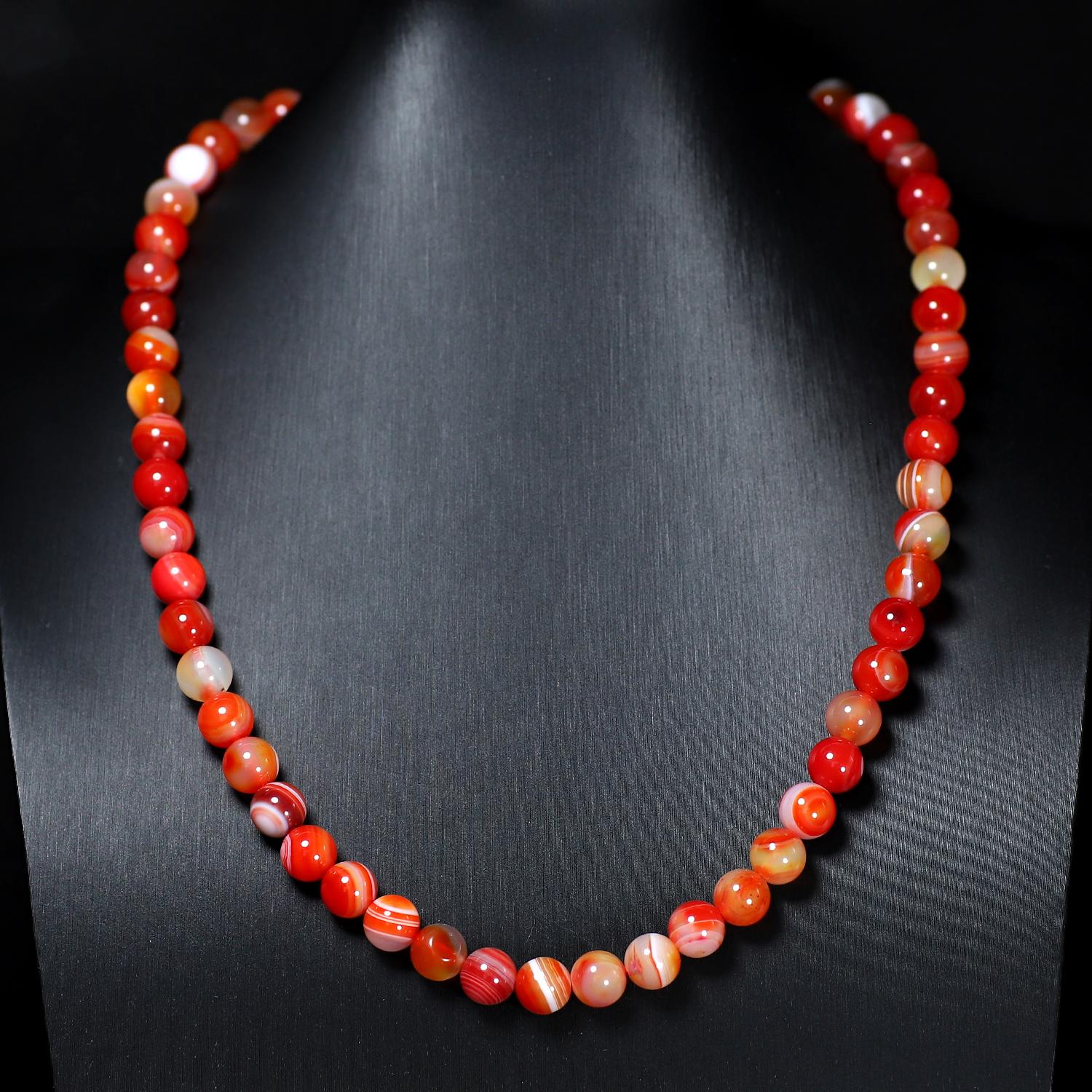
After slicing, the agate pieces are shaped, polished, and sometimes drilled for stringing. The polishing process brings out agate's natural luster without altering its fundamental appearance. Unlike many gemstones that are faceted to maximize light reflection, agate is typically polished to a smooth, cabochon surface that allows the banding patterns to take center stage.
Design Considerations in Bohemian Agate Jewelry
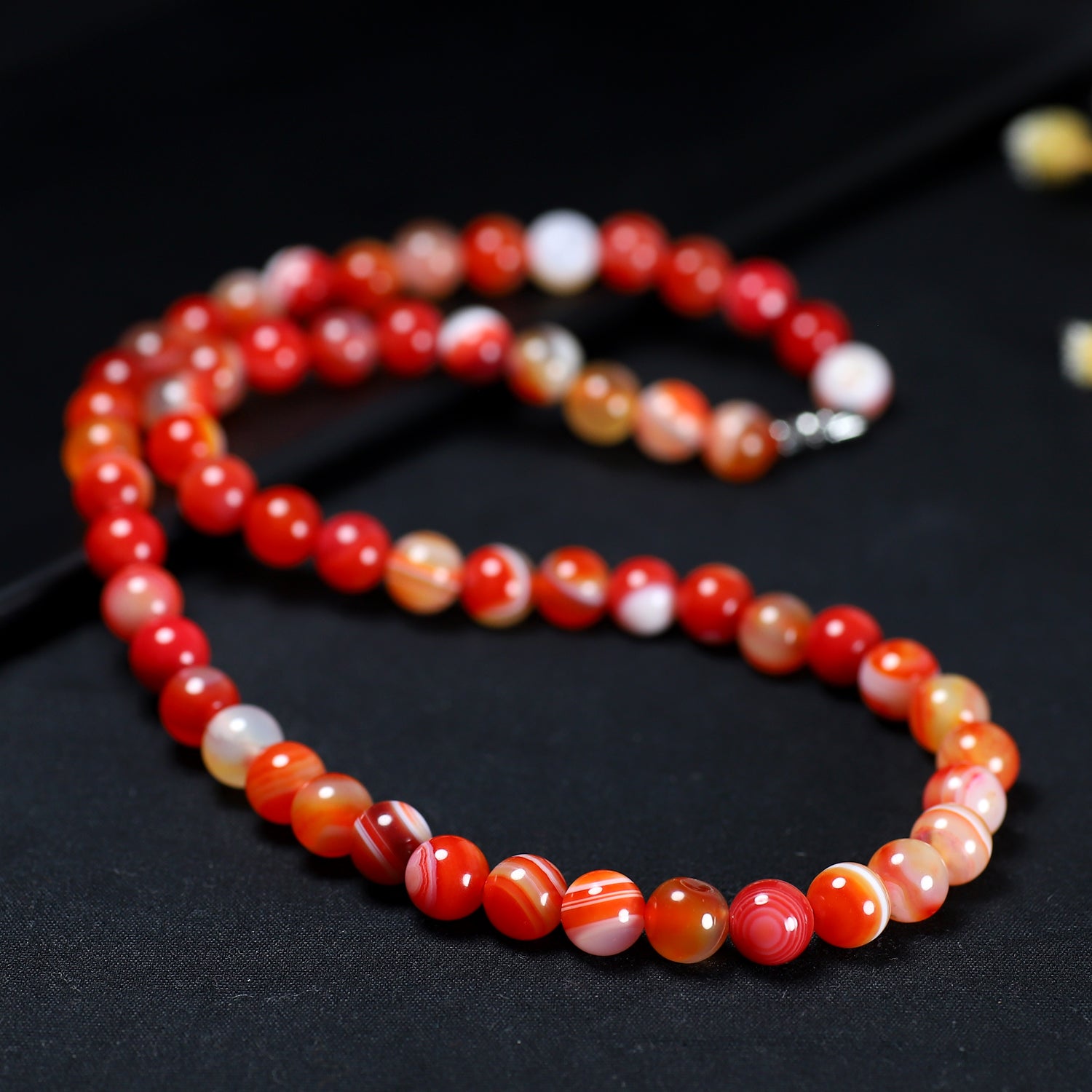
Designing with agate requires respecting the stone's natural character while creating pieces that are both beautiful and wearable. Bohemian agate necklaces typically feature a combination of agate beads in various shapes and sizes, often mixed with complementary materials like wood, bone, or metal accents. The design philosophy emphasizes asymmetry, organic forms, and a handmade appearance—even when some processes are mechanized.
One distinctive feature of quality agate jewelry is the attention to pattern flow. Skillful designers arrange agate beads so that their banding patterns create visual rhythm along the necklace. The pendant or focal piece is usually selected for its particularly striking pattern, serving as the visual and energetic center of the piece. This design approach transforms what could be a simple string of beads into a cohesive work of wearable art.
Cultural and Psychological Resonance in Modern Society
In contemporary culture, agate jewelry resonates with several intersecting trends and psychological needs. The digital age's acceleration of life has created widespread longing for connection to natural rhythms and slower time scales. Agate, with its formation measured in geological time, offers symbolic antidote to digital immediacy. Wearing agate becomes a way to carry a piece of deep time—a reminder that some processes cannot be hurried.
Psychologically, agate's banded patterns may appeal to what psychologists call "the sense of coherence"—a feeling that life is comprehensible, manageable, and meaningful. The visible layers in agate can serve as metaphor for integrated identity, where different life experiences and aspects of self are acknowledged and harmonized rather than repressed or denied.
The growing unisex appeal of agate jewelry reflects broader cultural shifts toward gender-fluid fashion and the breakdown of rigid gender norms in personal adornment. Agate's earthy colors and natural appearance transcend traditional gender associations in jewelry, making it appealing to anyone regardless of gender identity. This universality aligns with bohemian values of individual expression beyond societal constraints.
Market Analysis: According to industry research, natural stone jewelry has grown at approximately 20% annually over the past decade, significantly outpacing the overall jewelry market. Within this category, agate holds a prominent position due to its affordability relative to precious gems, its variety of appearances, and its spiritual associations. The bohemian segment represents about 35% of agate jewelry sales, with the remainder divided between minimalist, luxury, and spiritual markets.
Culturally, agate jewelry participates in the slow fashion movement, which emphasizes quality, sustainability, and meaningful consumption over fast, disposable trends. Because each agate piece is unique and timeless in design, it resists becoming dated. This longevity appeals to environmentally conscious consumers seeking to reduce fashion waste while building a personal style that evolves rather than completely changes with each season.
Future Directions: Agate in Evolving Fashion and Spiritual Landscapes
As fashion continues to evolve toward greater sustainability and personal meaning, agate jewelry is well-positioned for continued relevance. Several emerging trends suggest interesting directions for agate's future in personal adornment and spiritual practice.
Technological advancements in stone cutting and finishing may allow for new expressions of agate's natural beauty. Laser cutting could create intricate patterns that interact with agate's natural banding, while advanced polishing techniques might reveal subtleties in the stone not previously visible. However, the core appeal will likely remain agate's authentic, unenhanced appearance, suggesting that technological applications will be most successful when they highlight rather than overpower the stone's natural character.
The growing interest in personalized spirituality suggests increased demand for jewelry that supports individual spiritual journeys. Agate's reputation as a balancing stone makes it particularly suitable for this trend, as seekers look for tools that help maintain equilibrium while exploring new spiritual territories. We may see more agate jewelry explicitly marketed for specific spiritual practices or combined with other stones for targeted energetic effects.
From a fashion perspective, agate's neutral palette ensures its continued versatility. As color trends come and go, earthy tones remain perennial basics in most wardrobes. This timelessness makes agate a sound investment for consumers building capsule jewelry collections—pieces that work with multiple outfits and across seasons.
Environmental consciousness in jewelry production will likely increase focus on traceable sourcing and minimized environmental impact. Agate mining, when done responsibly, has relatively low ecological footprint compared to many gemstones, and the stone's abundance means it's not threatened by over-mining. These factors position agate favorably in an increasingly eco-conscious market.
Conclusion: The Enduring Appeal of Earth's Layered Stone
Agate jewelry represents a convergence of geological wonder, historical significance, spiritual symbolism, and aesthetic appeal. Its banded patterns—formed through patient geological processes—speak to human desires for integration, balance, and connection to natural rhythms. In bohemian design, agate finds perfect expression, embodying values of authenticity, individuality, and harmony with nature.
As both fashion accessory and spiritual tool, the agate necklace serves multiple functions in contemporary life. It grounds the wearer in physical reality while inspiring contemplation of deeper patterns. It expresses personal style while connecting to ancient traditions of stone appreciation. It offers beauty that is both immediately apparent and revealing of further complexity upon closer inspection.
In a world often characterized by fragmentation and acceleration, agate's layered wisdom reminds us of integration and patience. Each band represents not division but harmonious coexistence—different conditions yielding to unified beauty. To wear agate is to carry this reminder: that our varied experiences, like geological layers, can form something coherent and beautiful over time. The agate necklace thus becomes more than ornament; it becomes personal philosophy rendered in stone, wearable wisdom from the earth itself.
