




From Imperial Scepters to Personal Talismans: The Evolution of "As You Wish" Symbolism in Wearable Spirituality
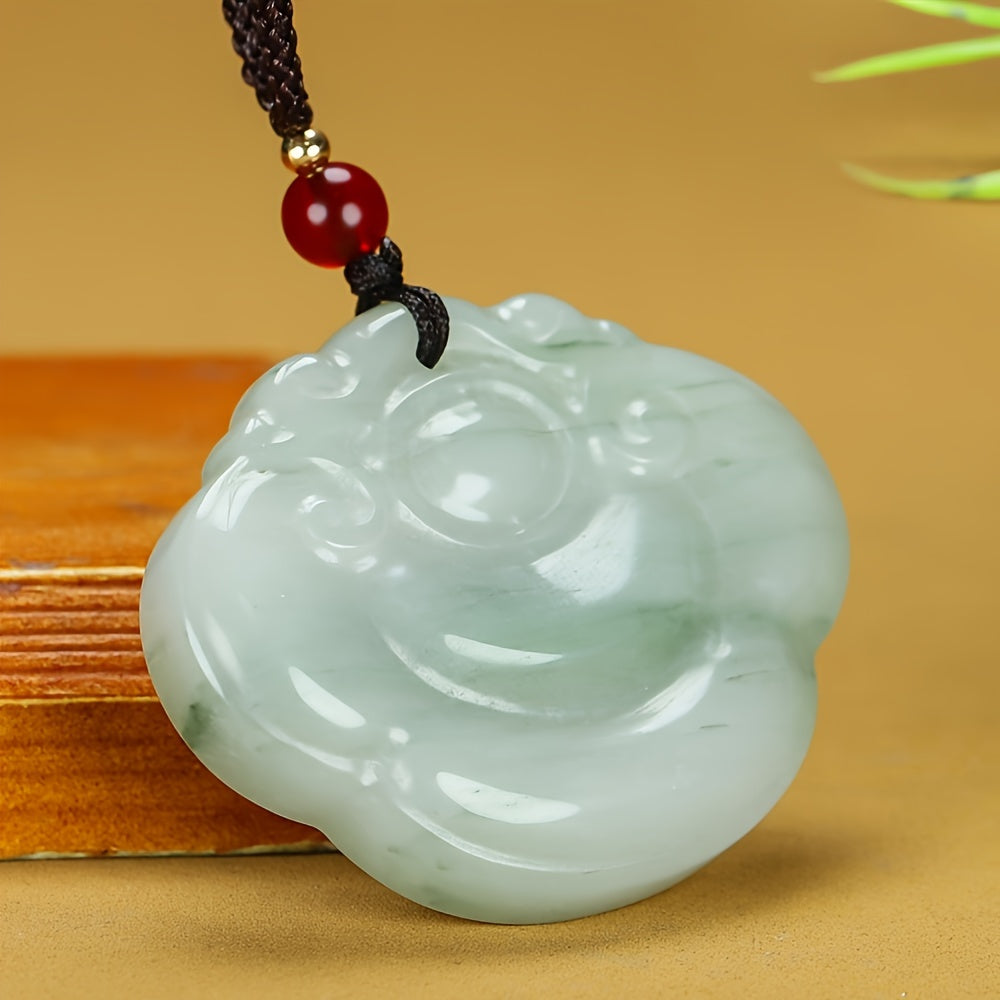
In the realm of symbolic jewelry, few motifs have undergone as fascinating a transformation as the Ruyi—an ancient Chinese symbol that has journeyed from imperial courts to personal altars, from ceremonial object to daily wearable. This evolution mirrors broader cultural shifts in how we engage with spirituality, tradition, and personal adornment. The contemporary Ruyi pendant represents not merely a fashion trend but a significant development in the democratization of sacred symbolism and the integration of traditional wisdom into modern life.
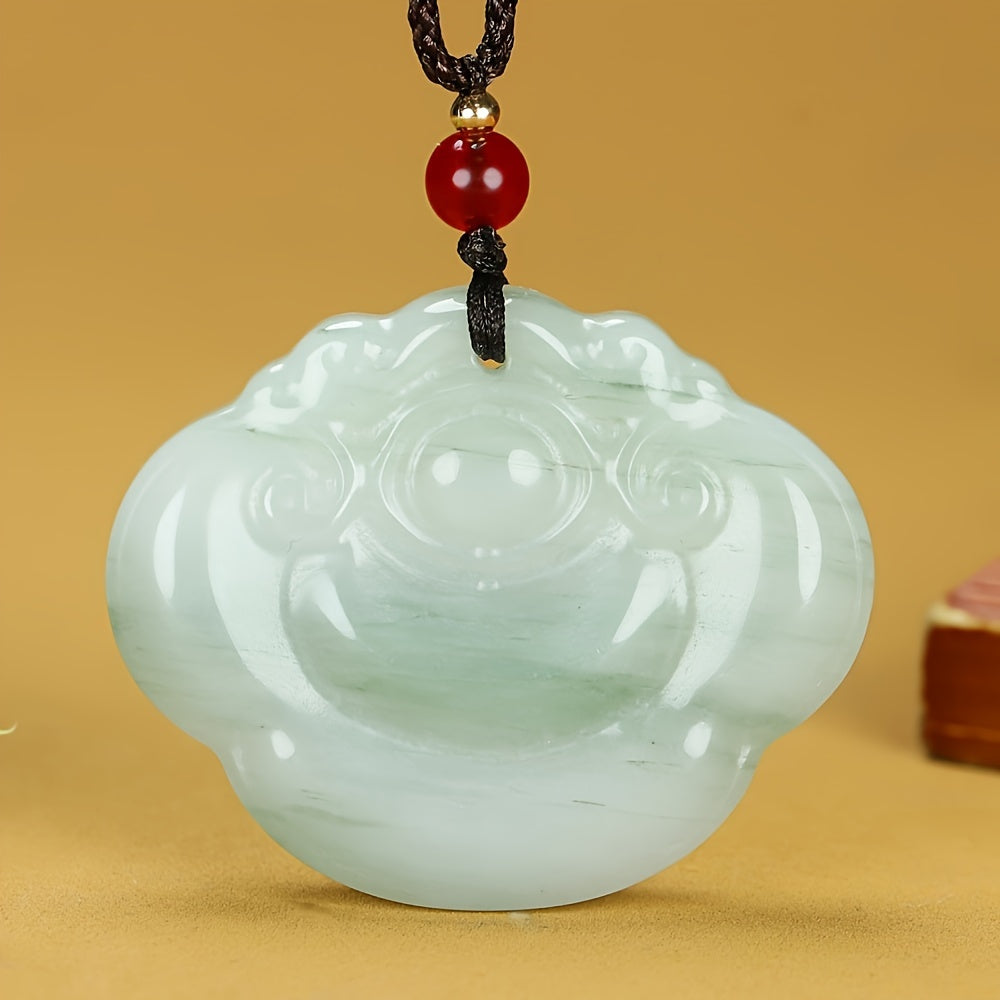
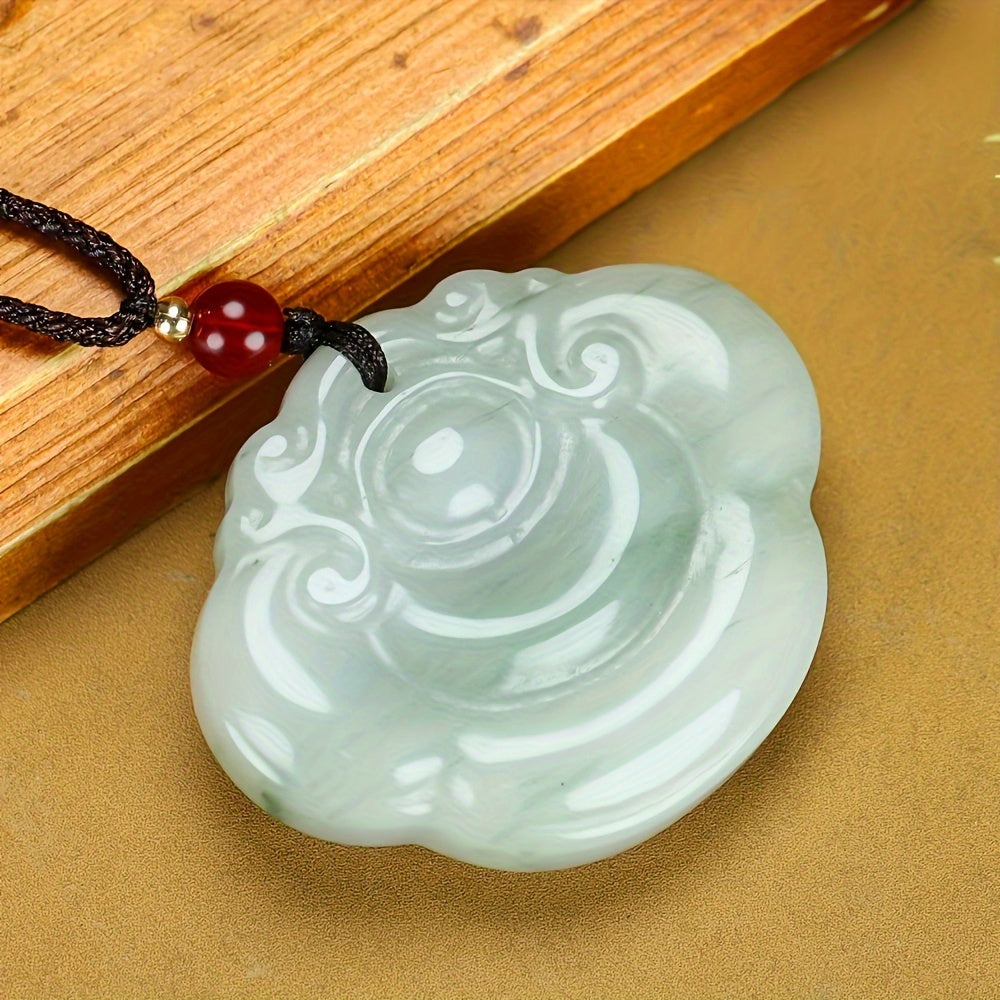
This exploration traces the Ruyi's journey through history, examines its multifaceted symbolism, and analyzes its resurgence in contemporary spiritual jewelry. Through examining pieces like the Elegant Natural Stone Ruyi Pendant, we can understand how ancient symbols are being recontextualized for modern seekers who value both aesthetic beauty and profound meaning in their accessories.
Historical Evolution: From Practical Tool to Sacred Symbol
The Ruyi's origins are surprisingly humble yet profoundly practical. Initially appearing during the Eastern Han Dynasty (25-220 CE) as a backscratcher—literally a tool for reaching what one desires—the object gradually evolved in both form and significance. By the Jin Dynasty (266-420 CE), it had transformed into a ceremonial object, its name crystallizing into the auspicious phrase "ruyi" (as you wish). This transformation exemplifies a common pattern in material culture: practical objects acquiring symbolic meaning through ritual use and cultural association.
During the Tang Dynasty (618-907 CE), the Ruyi became firmly established as an imperial symbol. Emperors held Ruyi scepters during ceremonies, representing their authority to manifest state wishes and harmonious governance. Buddhist and Daoist monks adopted the symbol, interpreting it through spiritual frameworks—as a representation of the fulfillment of righteous wishes aligned with cosmic order. The mushroom-shaped head (often resembling the Lingzhi mushroom of immortality) connected the symbol to longevity and spiritual transcendence.
Earliest Ruyi appear as functional backscratchers made from bamboo, bone, or jade. The practical tool gradually acquires symbolic meaning through language association ("reaching what one wishes").
Ruyi becomes formal imperial regalia, crafted from precious materials like gold, jade, and sandalwood. The symbol appears in Buddhist art as an attribute of certain deities and enlightened beings.
Ruyi symbolism expands to include marital harmony—often given as wedding gifts with wishes for a harmonious union. The symbol appears extensively in decorative arts, architecture, and textiles.
The Ruyi in Traditional Symbolic Systems
Within Chinese symbolic language, the Ruyi operates on multiple levels simultaneously. Its curved shape represents the flow of auspicious energy (qi) and the cyclical nature of existence. The Lingzhi mushroom head connects to immortality, spiritual attainment, and the Daoist pursuit of transcendence. As a composite symbol, the Ruyi often incorporates other auspicious motifs: bats for happiness, peaches for longevity, or coins for prosperity.
This multilayered symbolism made the Ruyi particularly powerful in traditional contexts. It wasn't merely a representation of "getting what one wants" but rather a complex statement about the relationship between human desire, cosmic order, and ethical action. The "wishes" represented were not arbitrary but those aligned with virtue, harmony, and natural law—a crucial distinction often lost in contemporary simplified interpretations.
Contemporary Reinterpretation: From Cultural Symbol to Personal Spiritual Tool
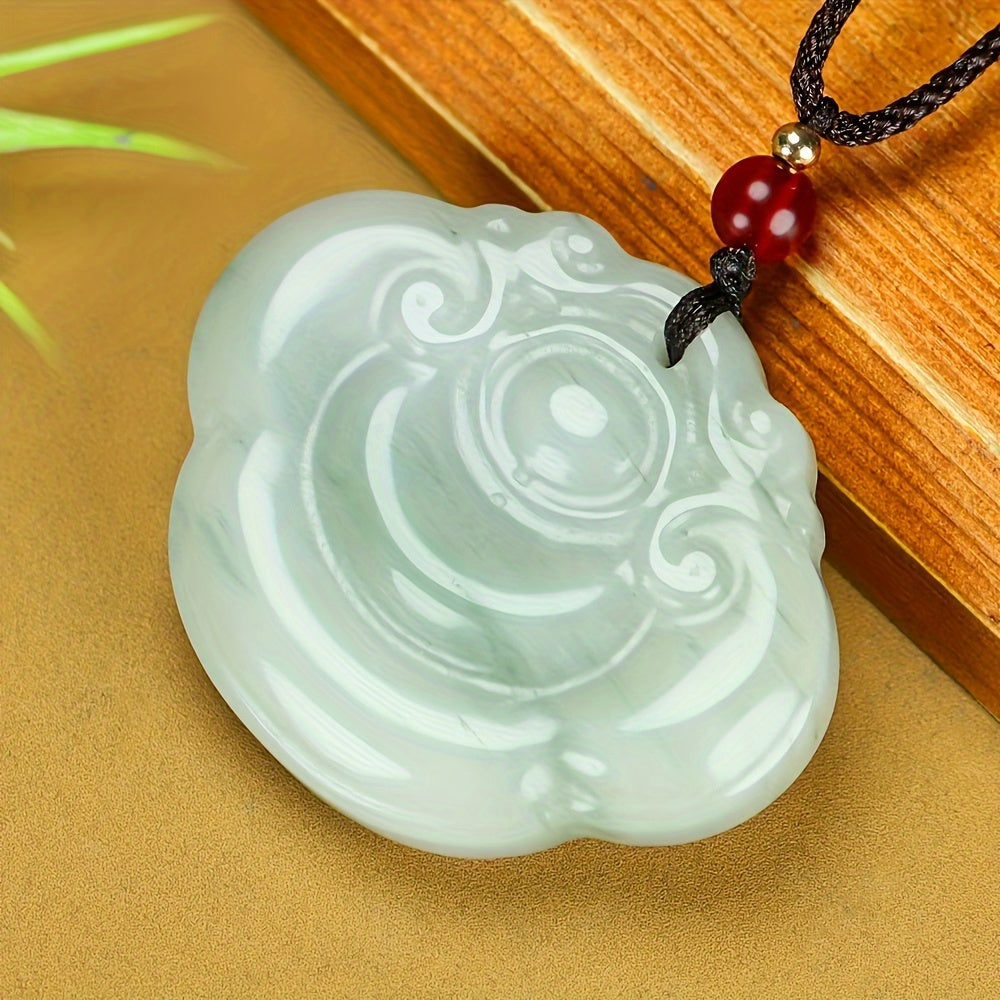
The modern adaptation of Ruyi symbolism in jewelry represents several significant cultural shifts. First, it reflects the globalization of spiritual symbols—what was once culturally specific becoming universally accessible. Second, it demonstrates the personalization of spirituality, with individuals appropriating traditional symbols for personal meaning-making rather than communal ritual. Third, it illustrates the material shift from precious, rare materials (imperial jade, gold) to natural, accessible ones (common stones, cord).
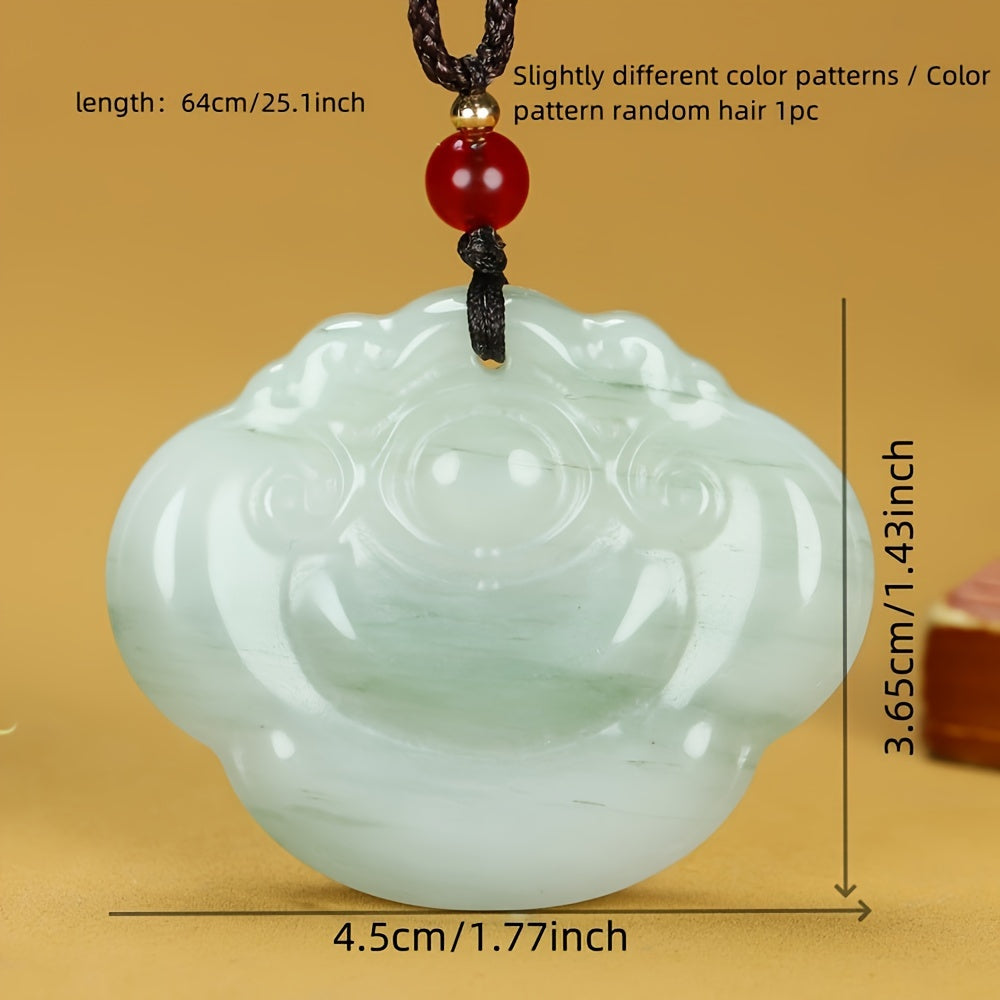
Contemporary Ruyi jewelry like the Natural Stone Ruyi Pendant typically maintains the essential symbolic form while adapting to modern aesthetic preferences and wearing conventions. The size reduces from ceremonial scale to wearable proportions. The materials shift from exclusively precious to include natural and sustainable options. The wearing context expands from specific ritual occasions to daily life integration.
Material Significance in Contemporary Ruyi Jewelry
The choice of natural stone for contemporary Ruyi pendants represents a deliberate alignment with several modern values: connection to nature, appreciation for organic beauty, and interest in crystal healing properties. Unlike imperial Ruyi made from flawless jade or precious metals, natural stone Ruyi celebrate imperfections, variations, and unique mineral formations.
This material shift carries symbolic weight. Where imperial materials represented status and perfection, natural stones represent authenticity, uniqueness, and connection to the earth. The "hair-like" inclusions mentioned in product descriptions aren't flaws but rather valued characteristics that enhance both visual interest and (in crystal healing frameworks) energetic properties. This represents a fundamental revaluation of what constitutes value and beauty in spiritual objects.
Traditional Imperial Ruyi
- Materials: Imperial jade, gold, precious stones
- Symbolism: Authority, status, perfection
- Function: Ceremonial, hierarchical display
- Wearer: Emperor, high officials, spiritual elites
- Production: Court artisans, secret techniques
Contemporary Natural Stone Ruyi
- Materials: Natural stone, cord, accessible metals
- Symbolism: Personal harmony, earth connection
- Function: Daily wear, personal spiritual practice
- Wearer: Anyone drawn to the symbolism
- Production: Artisan workshops, small batches
Spiritual Practice Integration: The Ruyi as Energy Technology
For modern spiritual practitioners, Ruyi jewelry serves specific functions within personal energy work frameworks. These functions represent a synthesis of traditional symbolism with contemporary energy concepts:
- Intention Amplification: The "as you wish" symbolism is applied to conscious intention-setting practices, with the pendant serving as a physical focus for manifestation work
- Energy Direction: The curved shape is interpreted as directing energy flow in specific patterns, similar to how sacred geometry functions in other traditions
- Protective Shielding: The solid form creates energetic boundaries, with the natural stone absorbing or transmuting negative energies
- Meditation Anchor: The tactile presence provides focus during mindfulness practice, with the symbolism enhancing contemplative depth
This functional integration transforms the jewelry from symbolic representation to active tool—a development consistent with contemporary approaches to spirituality that emphasize practical application and personal experience.
Psychological Dimensions of Symbolic Jewelry
The wearing of Ruyi symbolism engages several psychological mechanisms that contribute to its perceived effectiveness and personal significance:
- Symbolic Priming: Constant visual and tactile exposure to the symbol activates associated concepts (harmony, wish-fulfillment) in the subconscious
- Placebo/Meaning Response: Belief in the symbol's power creates genuine psychological and sometimes physiological effects through expectancy mechanisms
- Identity Reinforcement: The jewelry serves as an external marker of internal values, reinforcing identity narratives related to spirituality, cultural appreciation, or personal growth
- Anchoring Effect: The physical object provides stability and reference during emotional or psychological turbulence, serving as a "touchstone" for desired states
These psychological effects are real regardless of whether one subscribes to metaphysical explanations. The jewelry functions as a psychological tool that supports specific mental states and behaviors through symbolic association and material presence.
The Ruyi in Cross-Cultural Symbolic Systems
Interestingly, the Ruyi finds parallels in other cultural symbolic systems, suggesting it taps into universal human concerns. The Western concept of the "wishbone" or "lucky charm" serves similar functions. In Hindu tradition, the Kalpavriksha (wish-fulfilling tree) represents comparable concepts. These cross-cultural parallels help explain the Ruyi's resonance beyond its original cultural context—it addresses fundamental human desires for agency, harmony, and positive outcomes.
Contemporary Ruyi jewelry often incorporates elements from multiple symbolic systems—combining Chinese Ruyi symbolism with crystal healing frameworks, chakra systems from Indian tradition, or mindfulness practices with Buddhist roots. This syncretism reflects the eclectic, personalized nature of contemporary spirituality.
Market Trends and Cultural Positioning
The market for spiritually significant jewelry has grown approximately 25% annually since 2015, with particular growth in symbols with cross-cultural appeal. Ruyi jewelry occupies a specific niche within this market:
- Culturally Authentic Yet Accessible: Maintains connection to traditional symbolism while being approachable for those outside the culture
- Gender Inclusive: The unisex design appeals to broader demographics than gender-specific spiritual jewelry
- Material Authenticity: Natural materials align with values of authenticity and connection to nature
- Versatile Functionality: Serves both as spiritual tool and fashion accessory, providing multiple value propositions
Future developments in this category may include technological integration (smart features tracking intention practice), customizable elements (personalized carvings or stone selections), or educational components (QR codes linking to cultural context information).
Ethical and Cultural Considerations
The adaptation of traditional cultural symbols for global markets raises important ethical questions about cultural appropriation versus appreciation. Responsible adaptation of symbols like the Ruyi involves several practices:
- Contextual Education: Providing information about the symbol's origins, meanings, and traditional contexts
- Respectful Representation: Avoiding distortion or trivialization of sacred symbols
- Cultural Consultation: Working with cultural experts when adapting traditional designs
- Benefit Sharing: Considering how cultural communities might benefit from the commercialization of their symbols
- Authentic Craftsmanship: Using appropriate techniques and materials that honor traditional practices
Contemporary Ruyi jewelry that acknowledges its cultural roots while adapting to new contexts represents cultural appreciation—the respectful exchange and evolution of cultural elements. This approach allows traditional symbols to remain living aspects of culture rather than becoming frozen artifacts or, worse, commodified stereotypes.
Environmental and Sustainability Dimensions
The use of natural stone in contemporary Ruyi jewelry introduces environmental considerations absent from traditional imperial versions. Responsible production involves:
- Ethical Sourcing: Ensuring stones come from mines with fair labor practices and environmental protections
- Minimal Processing: Using stones in forms closest to their natural state to reduce environmental impact
- Durability Design: Creating pieces meant to last for years rather than follow fast fashion cycles
- Recyclable Components: Designing with materials that can be recycled or naturally decompose
- Low-Waste Production: Utilizing stone fragments for smaller pieces or complementary products
These considerations position contemporary spiritual jewelry within broader conversations about sustainable consumption and ethical production. The jewelry becomes not just a personal spiritual tool but also a statement about values related to environmental stewardship and ethical consumption.
Conclusion: The Living Symbol in a Changing World
The journey of the Ruyi symbol from imperial court to personal pendant illustrates how cultural symbols evolve while maintaining core meanings. This evolution represents neither dilution nor appropriation but rather adaptation—the necessary process through which symbols remain relevant across changing contexts and generations.
Contemporary Ruyi jewelry like the Natural Stone Ruyi Pendant serves multiple functions: it connects wearers to cultural heritage, supports personal spiritual practice, makes philosophical concepts tangible, and integrates meaningful symbolism into daily life. Its success depends on balancing tradition with innovation, cultural specificity with universal appeal, symbolic depth with aesthetic beauty.
As we move forward, symbols like the Ruyi will continue to evolve, reflecting changing understandings of spirituality, identity, and our relationship to tradition. The most meaningful adaptations will be those that honor the symbol's origins while allowing for personal interpretation, that maintain symbolic integrity while adapting to contemporary contexts, and that serve not just as decorative objects but as tools for personal and collective transformation.
In wearing a Ruyi pendant, contemporary individuals participate in an ancient tradition of finding meaning in material forms, while also contributing to its ongoing evolution. The symbol becomes a living bridge between past and present, tradition and innovation, collective meaning and personal significance—truly a symbol "as we wish" it to be, and as it helps us become.
