





The Mythical Nine-Tailed Fox: Symbolism, Culture, and Modern Spiritual Practice
In the realm of mythical creatures, few are as captivating and multifaceted as the nine-tailed fox. Known as Kitsune in Japan, Huli Jing in China, and Kumiho in Korea, this enigmatic being has traversed centuries of folklore, religion, and art, evolving from a feared omen to a revered symbol of wisdom, longevity, and spiritual power. Today, the nine-tailed fox enjoys a renaissance in popular culture, spirituality, and jewelry design—serving as a bridge between ancient tradition and contemporary self-expression.
Historical Roots: The Fox in East-Asian Mythology
The nine-tailed fox’s origins can be traced back to ancient Chinese texts, where it was initially depicted as an auspicious creature associated with the queen mother of the West, Xi Wangmu. Over time, its symbolism expanded to embody both benevolence and mischief. In Chinese mythology, a fox gains a tail every century, with the ninth tail representing ultimate wisdom and divine connection. These foxes were often portrayed as shape-shifters capable of assuming human form, usually as beautiful women, to interact with—and sometimes test—mortals.
In Japanese folklore, Kitsune are messengers of Inari, the Shinto deity of rice, fertility, and prosperity. They are seen as protective spirits, often depicted with a key to the rice granary in their mouths. Kitsune are believed to possess intelligence, long life, and magical abilities, including the power to create illusions or possess humans. The number nine is considered sacred in Japanese culture, symbolizing completeness and good fortune, which further elevates the nine-tailed fox’s status.
Korean mythology presents a darker iteration: the Kumiho, a nine-tailed fox that feeds on human hearts or livers to maintain its immortality. Yet even here, modern retellings often explore themes of redemption, humanity, and the longing for transformation, reflecting the creature’s complex role as both monster and misunderstood being.
Symbolic Meanings: Wisdom, Transformation, and Protection
At its core, the nine-tailed fox symbolizes wisdom gained through experience. Each tail represents a hundred years of life, learning, and spiritual evolution. This makes the creature an emblem of patience, longevity, and the idea that true understanding comes with time. In a fast-paced modern world, the fox reminds us to value growth, reflection, and the journey rather than the destination.
Another key theme is transformation and adaptability. As a shape-shifter, the fox embodies the ability to navigate different realms—physical, spiritual, and emotional. This resonates deeply with individuals undergoing personal changes, career shifts, or spiritual awakenings. Wearing a nine-tailed fox symbol can serve as a reminder of one’s own capacity to adapt and thrive.
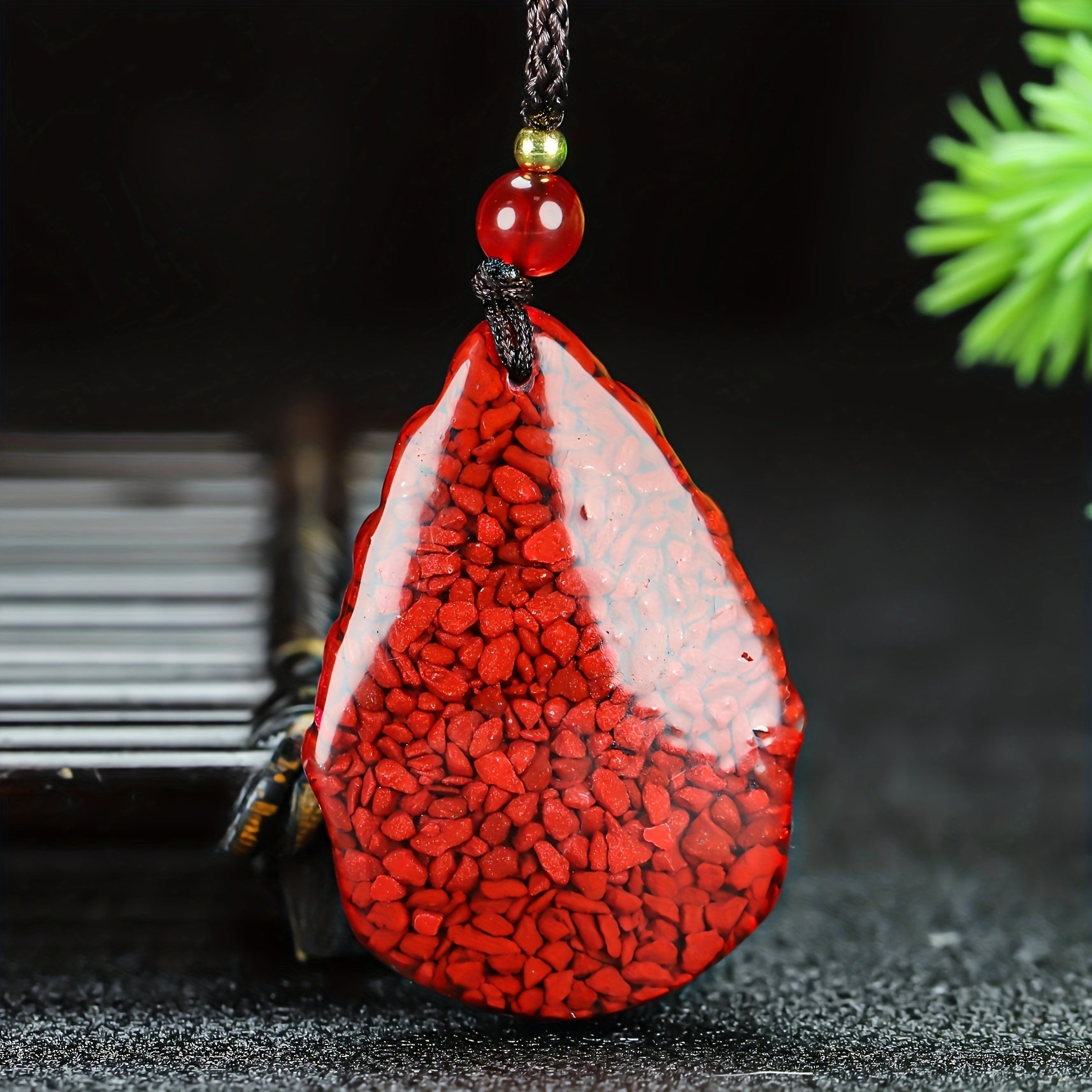
Lastly, the fox is a guardian and guide. In many stories, it acts as a protector of sacred spaces, a bringer of prosperity, and a mediator between humans and the divine. This protective aspect is amplified when the symbol is crafted from materials like cinnabar—a stone historically used for warding off negative energy and enhancing vitality.
The Resurgence in Modern Spirituality and Jewelry
Today, the nine-tailed fox has found new life in spiritual communities, fashion, and jewelry design. As people seek meaningful connections to heritage, mythology, and personal symbolism, mythical creatures offer a rich tapestry of stories to draw from. The fox, in particular, appeals to those who value intuition, intelligence, and mystical guidance.
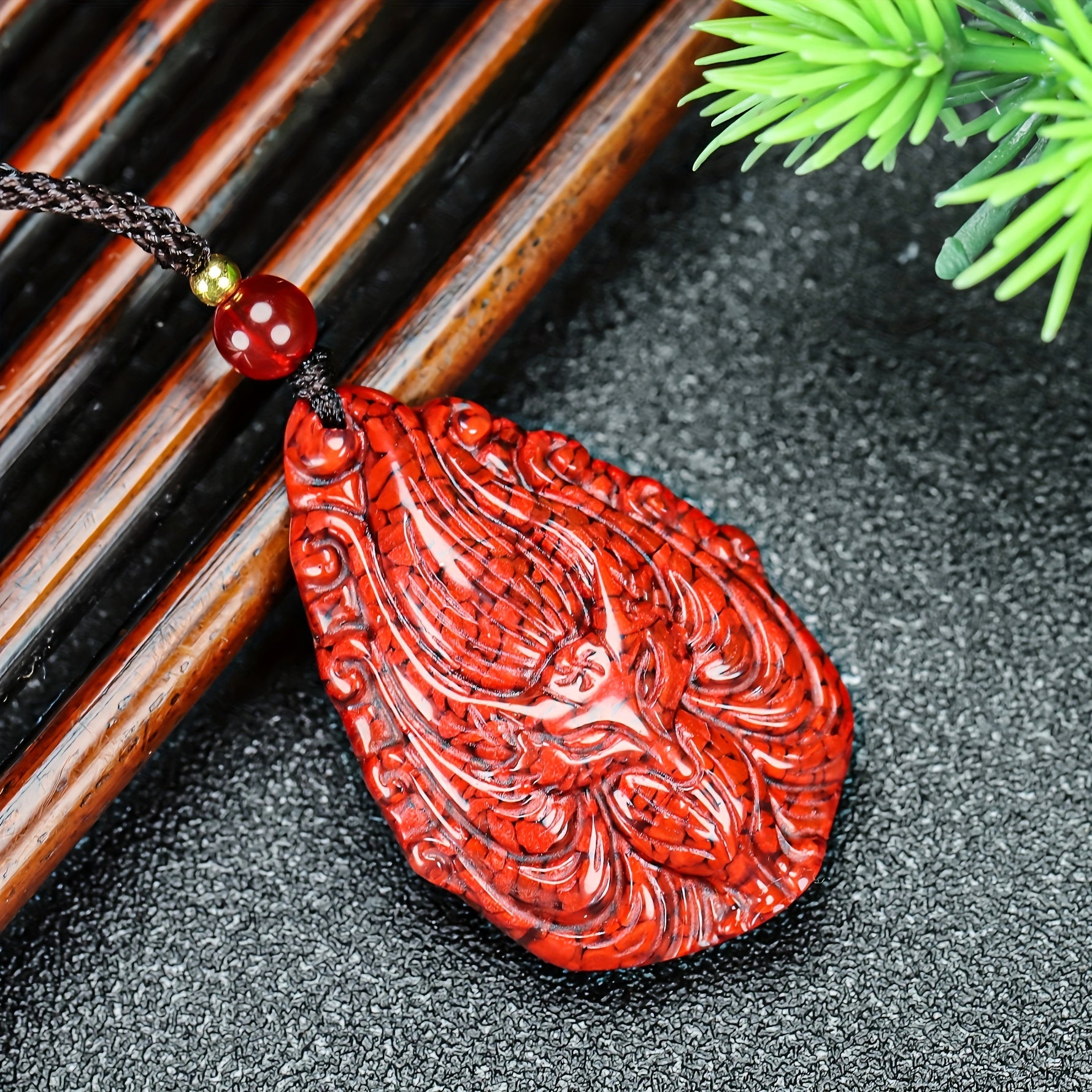
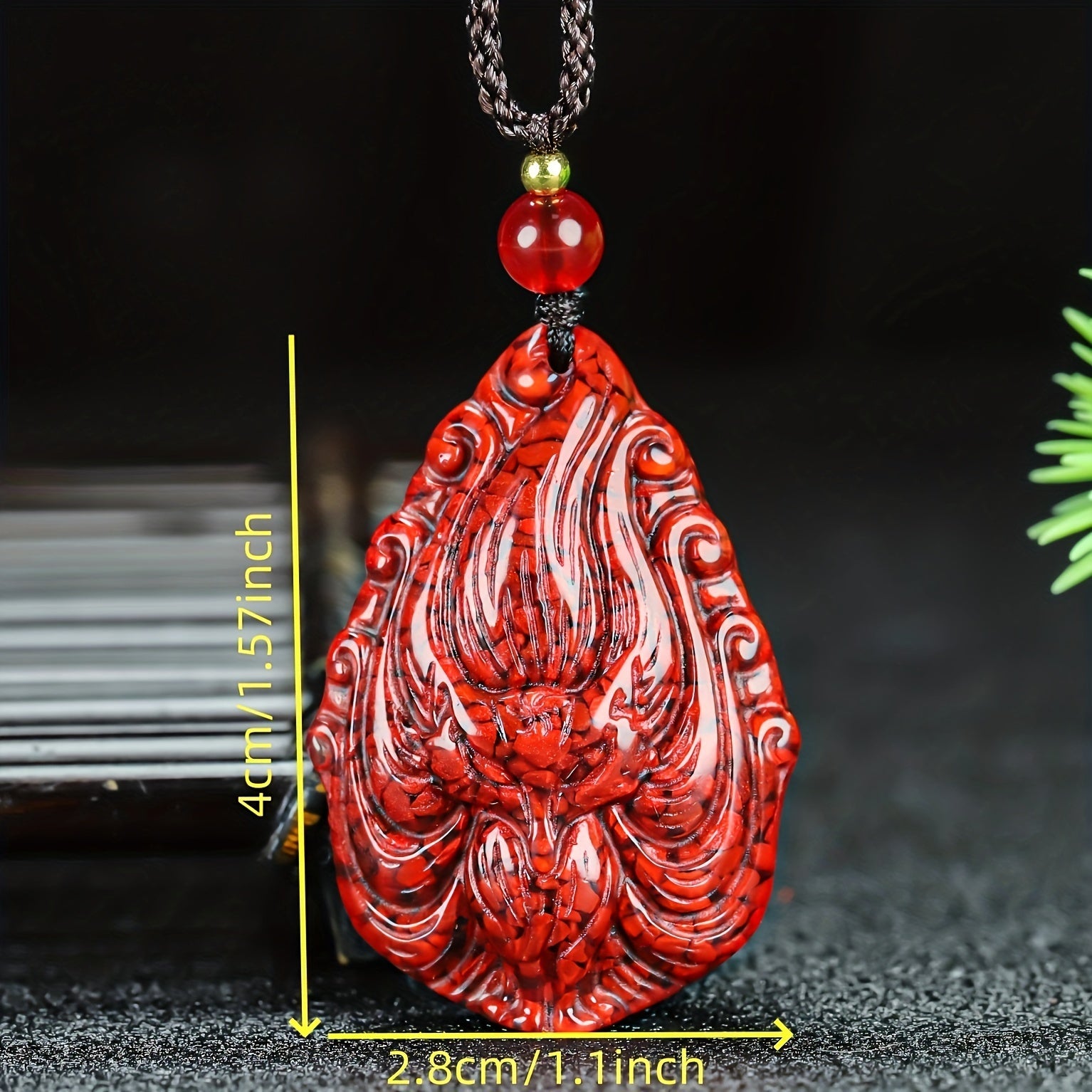
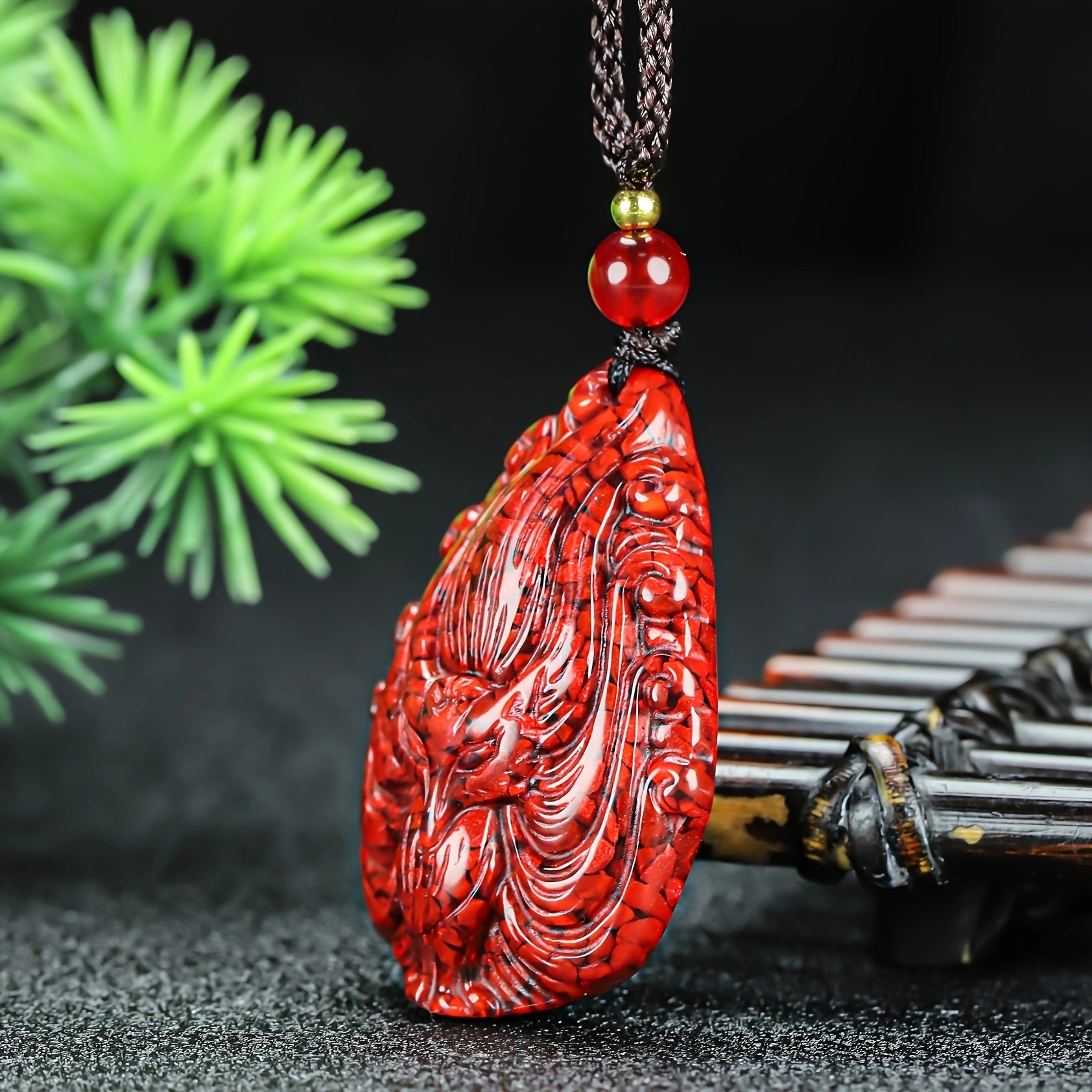
In jewelry, the nine-tailed fox is often rendered in materials with their own metaphysical properties. Cinnabar, with its vibrant red hue, is a popular choice. Red symbolizes passion, protection, and life force in many cultures, making it a perfect complement to the fox’s symbolism. When worn as a pendant, the piece becomes a personal talisman—a source of strength, a conversation starter, and a beautiful accessory all at once.
Cultural Impact and Contemporary Interpretations
The nine-tailed fox’s influence extends beyond folklore into literature, film, gaming, and fashion. From the beloved anime series Naruto, where the nine-tailed fox is a powerful and misunderstood entity, to popular video games and K-dramas, the creature continues to captivate global audiences. This cross-cultural appeal speaks to universal themes: the quest for wisdom, the struggle between light and shadow, and the desire for transformation.
In the spiritual marketplace, artisans and designers are creating pieces that honor traditional symbolism while catering to modern aesthetics. The trend toward “wearable spirituality” has made talismanic jewelry—like the nine-tailed fox pendant—a popular choice for millennials and Gen Z seekers who value authenticity, storytelling, and mindful consumption.
Expert Commentary: Why Mythical Symbols Matter Today
“Mythical symbols like the nine-tailed fox serve as psychological and spiritual anchors. They connect us to archetypal narratives that address fundamental human experiences—growth, protection, wisdom, and transformation. In a digital age, wearing such symbols can be a tactile, daily reminder of these deeper narratives and our own inner journeys.” — Dr. Lena Chen, Cultural Anthropologist
Conclusion: The Fox as a Personal Companion
The nine-tailed fox is more than a mythical creature; it is a symbol that adapts to the needs of each era and individual. Whether you are drawn to its wisdom, its protective energy, or its beautiful form, incorporating this symbol into your life—through jewelry, art, or meditation—can offer a sense of connection to ancient stories and personal empowerment.
As we navigate the complexities of modern life, having a tangible reminder of resilience, intuition, and transformation can be profoundly comforting. The nine-tailed fox, with its rich history and multifaceted symbolism, is perfectly suited to be that guide.
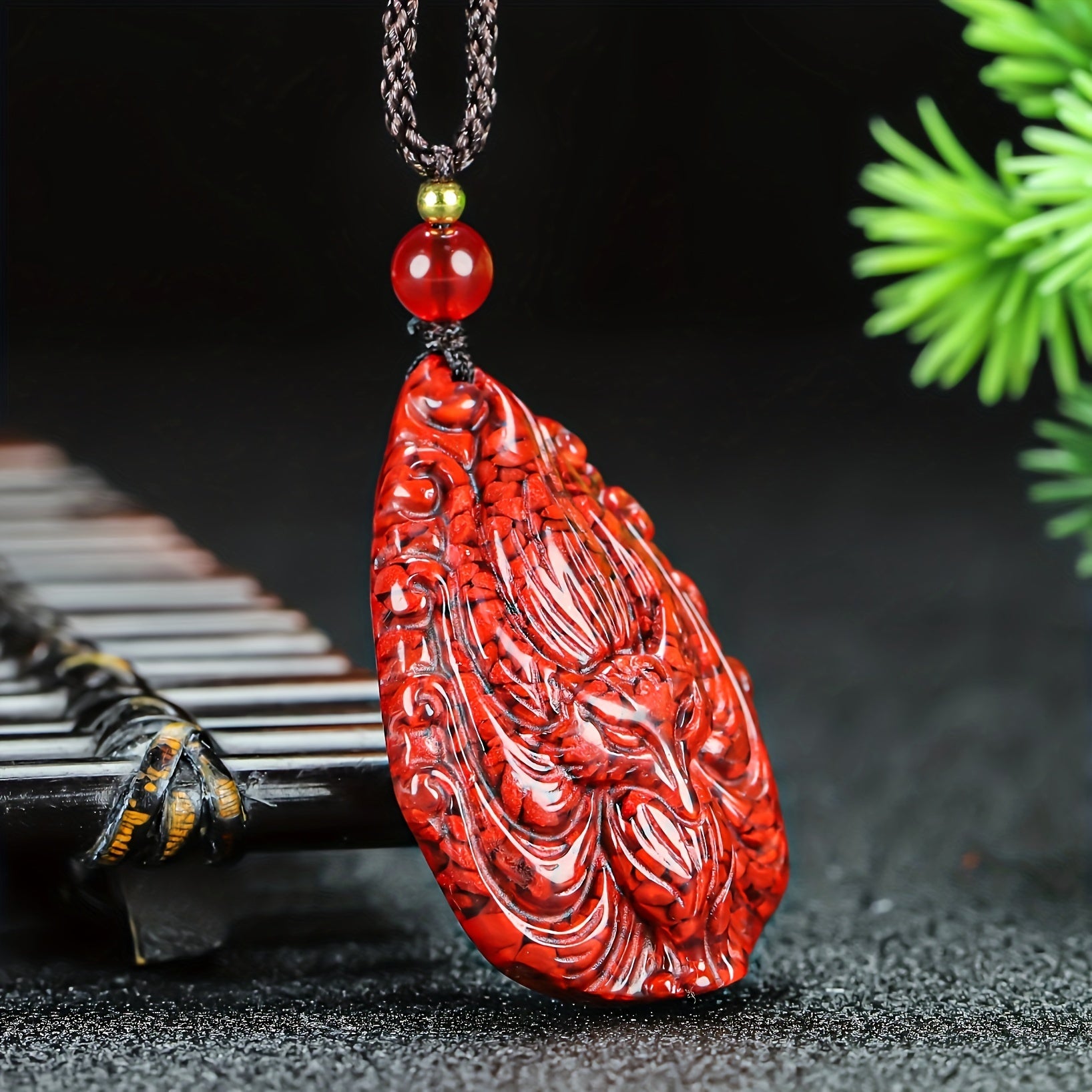
Explore the Nine-Tailed Fox Cinnabar Pendant and invite this ancient symbol of wisdom and protection into your daily practice.
