




Pixiu and the Three Coins: Ancient Chinese Wealth Symbols in Modern Spiritual Practice
In an era of economic uncertainty and financial complexity, ancient symbols of prosperity are experiencing a remarkable resurgence. Among these, the mythical Pixiu creature and traditional Chinese coins stand out as particularly powerful talismans, bridging millennia of cultural wisdom with contemporary financial aspirations. This exploration delves into the rich history, spiritual significance, and practical applications of these symbols that have guided wealth attraction practices from imperial China to modern global spirituality.
Mythological Origins: The Celestial Guardian of Treasure
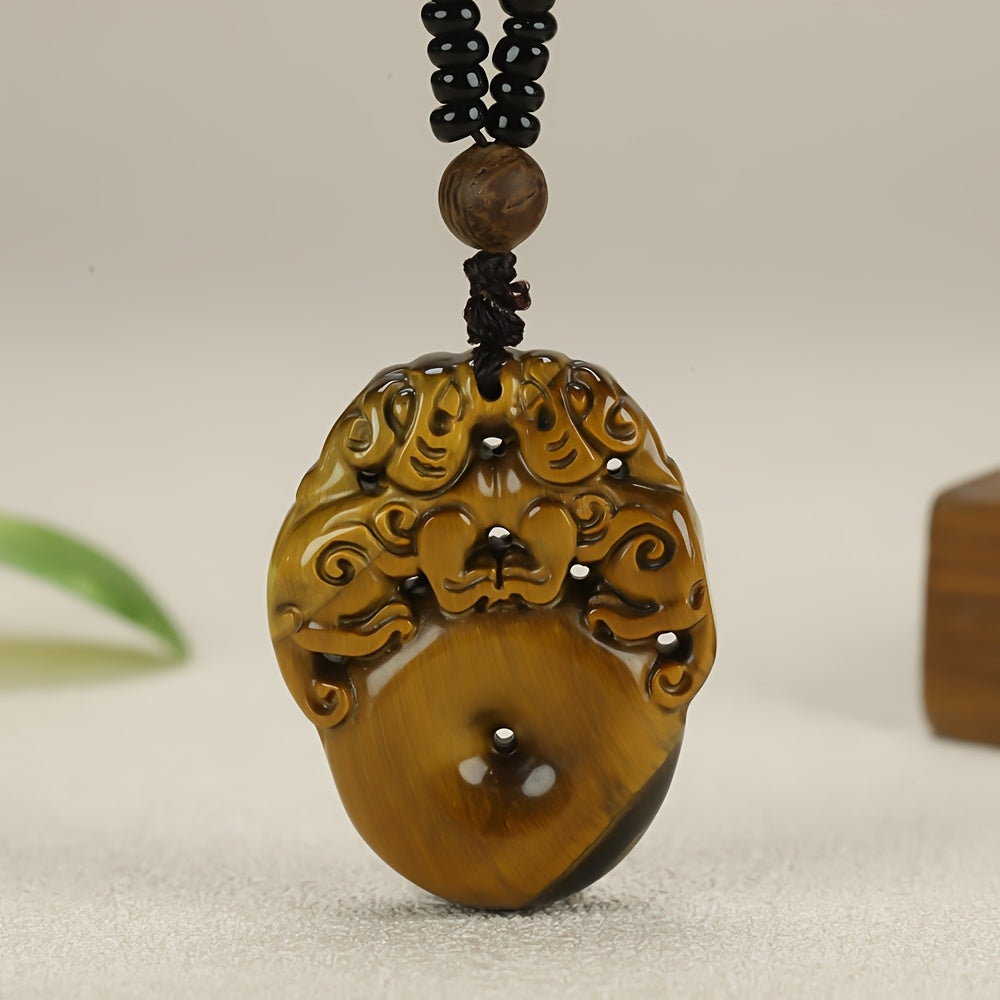
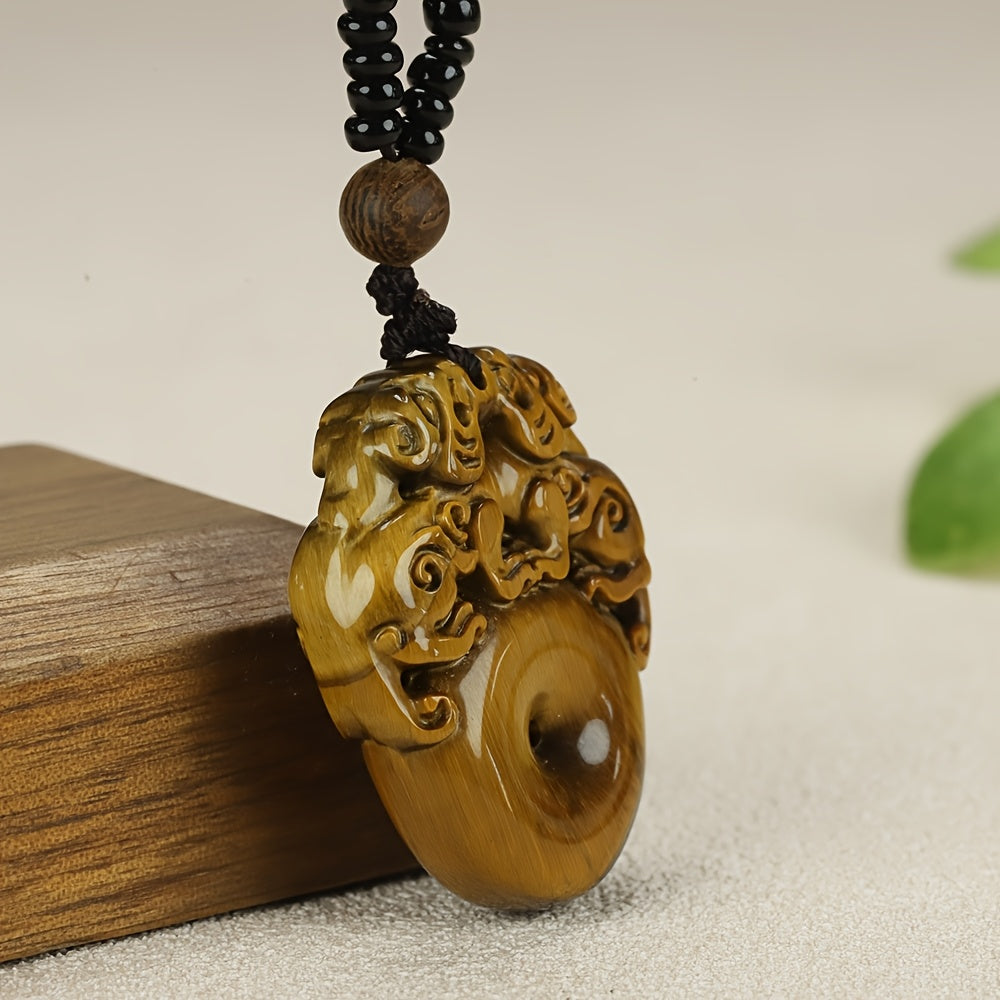
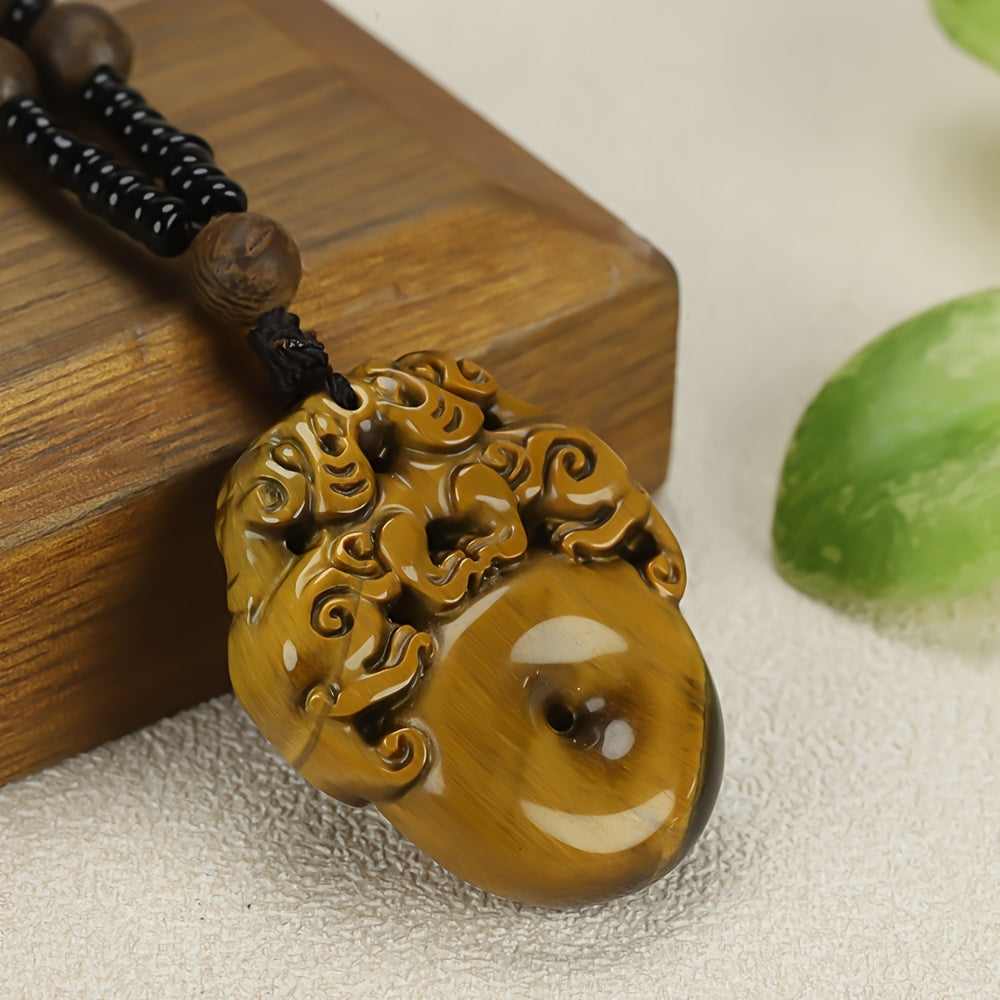
The Pixiu (pronounced "pee-shoe"), also known as Pi Yao or Tian Lu, occupies a unique space in Chinese mythology as one of the "Nine Sons of the Dragon." According to the ancient text "The Classic of Mountains and Seas" (山海经), Pixiu possesses the head of a dragon, body of a lion, and wings of a phoenix—combining the most powerful attributes of celestial creatures. Unlike its dragon siblings who could fly to heaven, Pixiu was destined to remain on earth as a guardian of imperial treasures.
The most defining mythological episode involves Pixiu's violation of celestial law. As the story goes, Pixiu defied heavenly decrees by relieving itself on the Jade Emperor's throne room floor. For this transgression, the emperor sealed Pixiu's anus, condemning it to forever consume without ever releasing what it had taken. This punishment, while seemingly severe, transformed Pixiu into the ultimate symbol of wealth retention—an energetic vortex that draws in prosperity while preventing its escape.
Historical records from the Han Dynasty (206 BCE–220 CE) show Pixiu imagery prominently featured in imperial palaces, particularly near treasury rooms and financial administration areas. Emperors believed that Pixiu statues would protect state wealth from corruption, theft, and mismanagement. During the Tang Dynasty (618–907 CE), the symbolism expanded to include protection during military campaigns—generals would carry Pixiu amulets to ensure funding for their troops and safeguard captured treasures.
Evolution Through Dynasties
Each Chinese dynasty contributed to Pixiu's evolving symbolism. The Song Dynasty (960–1279 CE) emphasized Pixiu's role in scholarly success and imperial examinations—students would pray to Pixiu for the "treasure" of knowledge and official position. Ming Dynasty (1368–1644 CE) artisans created increasingly elaborate Pixiu carvings from jade, believed to enhance the creature's spiritual potency. Qing Dynasty (1644–1912 CE) saw Pixiu incorporated into everyday wealth practices, moving from exclusive imperial symbol to broader cultural talisman.
The Three Coins: Earthly Manifestation of Celestial Blessings
Circular Heaven, Square Earth
The traditional Chinese coin design—circular with a square center hole—embodies profound cosmological principles. The circle represents heaven (the celestial realm), infinite and without beginning or end. The square represents earth (the material world), stable and defined by four directions. Together, they symbolize the harmonious interaction necessary for prosperity to manifest in tangible form.
The Power of Three
In Chinese numerology, three represents completion and perfection. It echoes the three realms (heaven, earth, humanity), the three teachings (Confucianism, Taoism, Buddhism), and the three blessings (happiness, prosperity, longevity). Three coins together create a stable foundation—like a tripod—that supports substantial wealth accumulation.
Historical Circulation
Ancient Chinese coins weren't merely currency but carriers of imperial energy. Each coin bore the emperor's reign title, believed to carry his mandate from heaven. Using these coins in wealth rituals connected practitioners to imperial prosperity consciousness—the abundance that sustained dynasties for centuries.
Directional Alignment
When arranged with square holes aligned, three coins create a channel for wealth energy to flow smoothly. This alignment mimics the movement of cosmic qi (energy) through the material world, ensuring that attracted wealth doesn't become stagnant but continues circulating productively.
Coin Symbolism in Traditional Feng Shui
Feng Shui masters have employed coin symbolism for centuries in various configurations. The "Three-Legged Toad with Coin" attracts business prosperity. Coins tied with red thread placed in wealth corners activate financial sectors of homes. Coins under doormats ensure wealth enters the household. The "Five Emperor Coins" arrangement (coins from five prosperous dynasties) offers powerful protection against financial loss. Each application recognizes coins as conduits between celestial wealth potential and earthly financial reality.
Feng Shui Principles: The Spiritual Mechanics of Wealth Attraction
Qi Flow and Wealth Corners
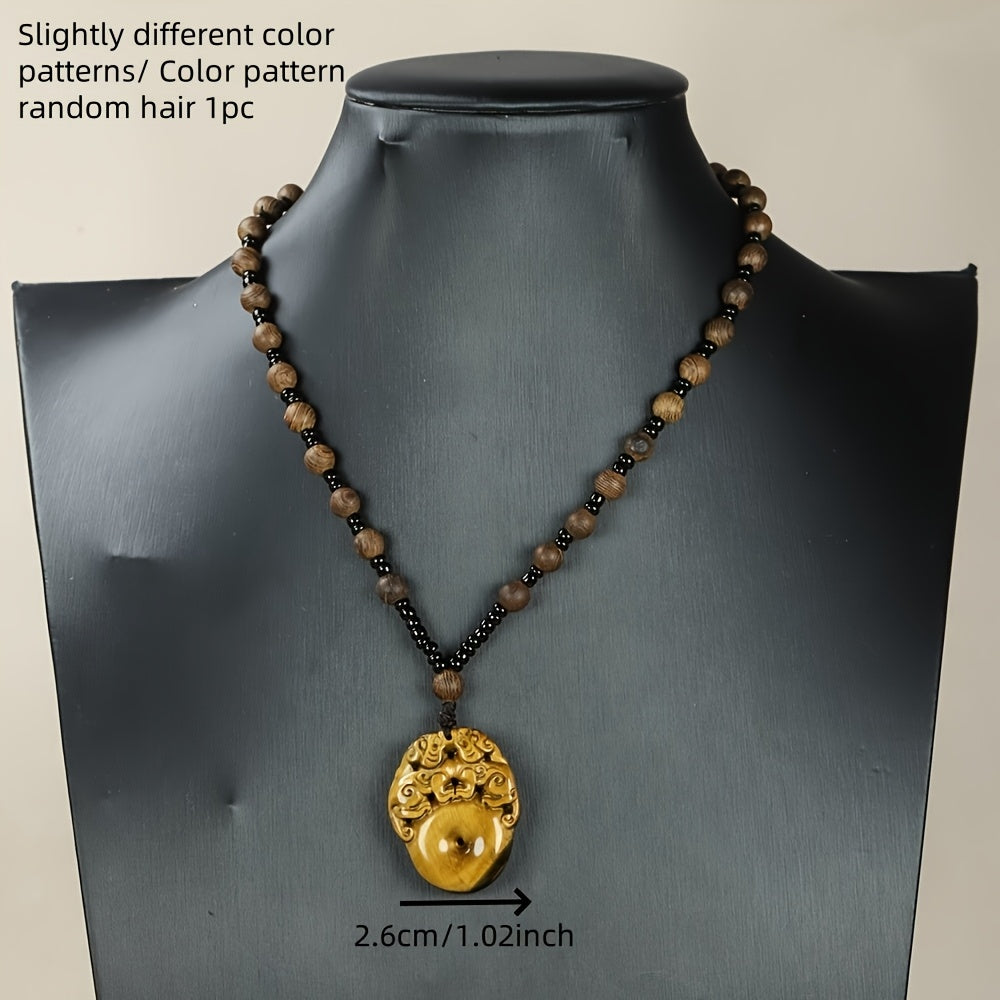
Traditional Feng Shui identifies specific areas in any space that govern wealth energy. The southeast sector (Xun) represents wealth and abundance in the Bagua map. Placing Pixiu and coin symbols in this sector activates financial opportunities. However, modern applications recognize that wealth energy must flow—hence the importance of wearing these symbols to keep prosperity energy in constant circulation around one's personal energy field.
The Five Elements Balance
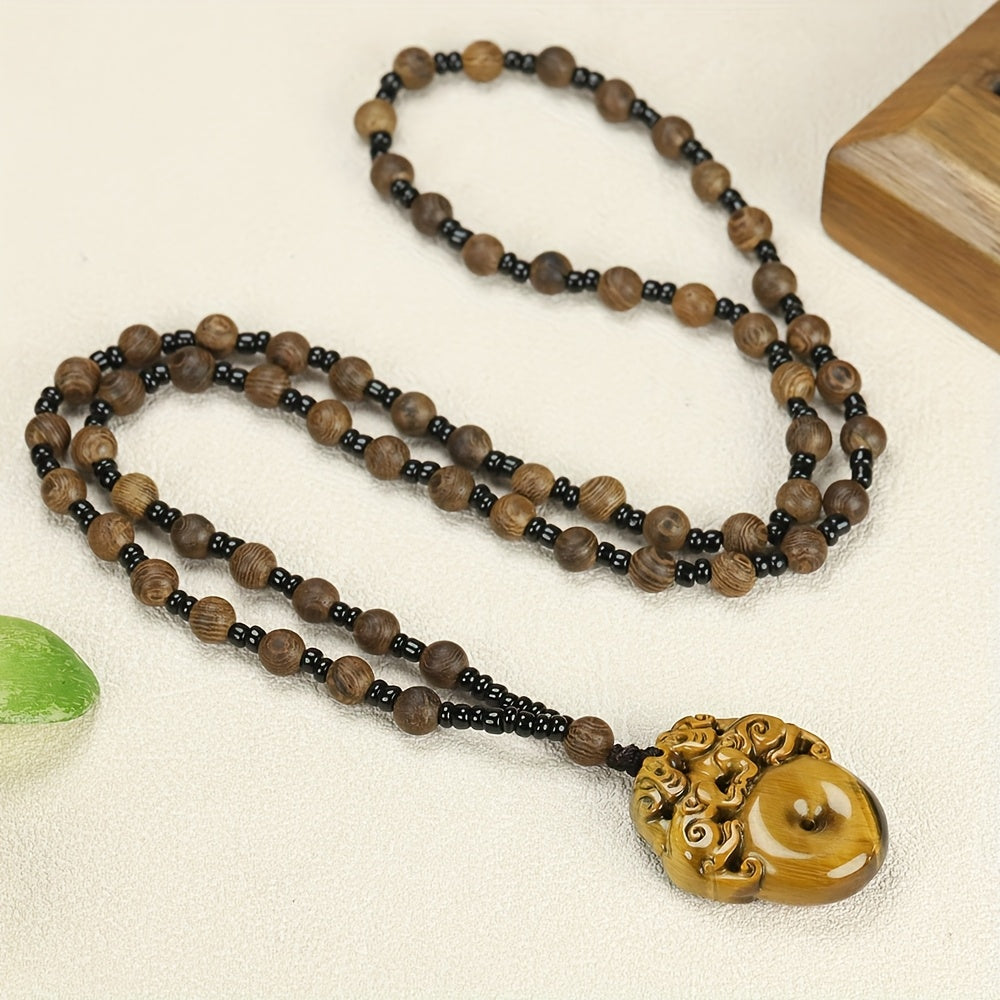
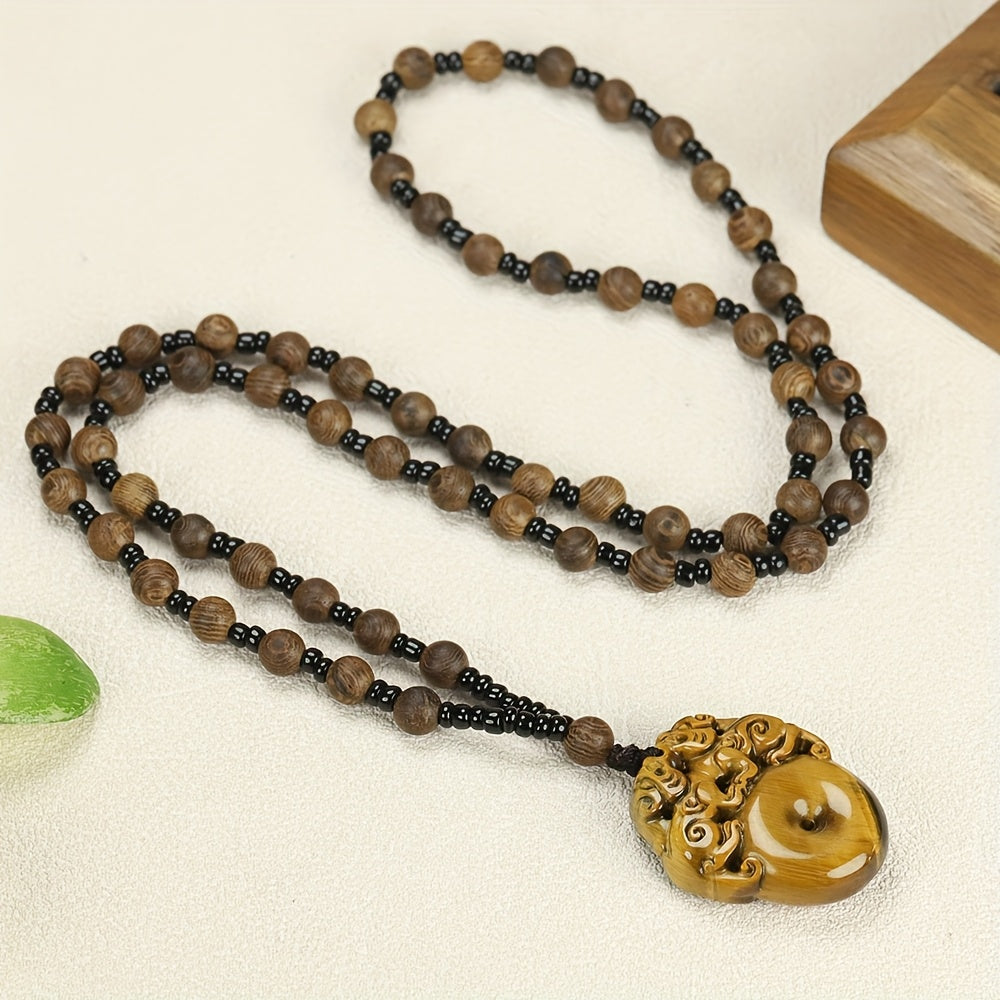
Pixiu and coin combinations expertly balance the five Feng Shui elements. The stone carving represents earth (stability), metal coins represent metal (clarity and precision), the black cord represents water (flow), the carving process involves fire (transformation), and the living energy of the wearer represents wood (growth). This elemental harmony creates optimal conditions for wealth manifestation.
Yin-Yang Dynamics in Couple Sets
The couple pendant design addresses a crucial but often overlooked aspect of wealth energy: relationship harmony. Financial conflicts represent significant blocks to abundance. Matching Pixiu pendants create energetic alignment between partners, transforming financial discussions from sources of tension to opportunities for shared prosperity consciousness.
Contemporary Feng Shui master Lin Yun's Black Sect Tantric Buddhism approach emphasizes intention over strict placement. In this interpretation, the Pixiu and coins serve as focuses for financial intentions—the symbols themselves are less important than the consciousness they help cultivate. This perspective explains why these ancient symbols remain effective in modern contexts far removed from their original cultural settings.
Shang Dynasty (1600–1046 BCE)
Earliest coin prototypes emerge as shell money, establishing the concept of currency as more than mere medium of exchange but as carriers of spiritual energy connecting human and divine realms.
Zhou Dynasty (1046–256 BCE)
First standardized round coins with square holes appear, intentionally designed to represent cosmological principles rather than mere practicality in stringing coins together.
Han Dynasty (206 BCE–220 CE)
Pixiu mythology becomes systematized in imperial records. Coin designs incorporate more elaborate characters and symbols, recognizing their talismanic properties beyond economic function.
Tang Dynasty (618–907 CE)
Feng Shui practices become more widespread beyond imperial courts. Wealth symbols including Pixiu and coins enter broader cultural consciousness through increased trade and cultural exchange.
Modern Era (20th–21st Century)
Globalization spreads Chinese wealth symbols worldwide. Contemporary spiritual practitioners adapt traditional meanings to modern financial systems while preserving core energetic principles.
Contemporary Applications: From Ancient Symbol to Modern Financial Tool
The remarkable adaptability of Pixiu and coin symbolism explains their enduring relevance. In today's complex financial landscape—characterized by digital transactions, global markets, and abstract investment vehicles—these tangible symbols provide psychological anchoring and energetic focus that many find missing from modern economic systems.
Psychological and Energetic Mechanisms
From a psychological perspective, Pixiu and coin pendants function as powerful cognitive anchors. Behavioral economics recognizes that humans make better financial decisions when they have tangible reminders of long-term goals. The pendant serves as a constant physical reminder of financial intentions, reducing impulsive spending and reinforcing savings behaviors.
Energetically, these symbols operate on multiple levels. The Pixiu creates what traditional Chinese medicine would call a "wealth vessel" in one's energy field—a structured space capable of receiving and holding financial abundance. The coins establish "wealth channels"—pathways through which prosperity can flow into one's life. Together, they address both the capacity to receive (the vessel) and the means of delivery (the channels).
Market Perspective and Global Adoption
The global market for spiritual and symbolic jewelry has expanded dramatically, with wealth-attraction pieces representing a significant segment. Industry analysts note several converging trends driving this growth:
Financial Uncertainty: Economic volatility increases demand for symbols of stability and protection. During market downturns, sales of wealth talismans typically increase as people seek non-financial ways to secure their prosperity.
Cross-Cultural Spiritual Exchange: As Eastern spiritual practices gain Western adherents, associated symbols enter global consciousness. Pixiu has transitioned from exclusively Chinese cultural symbol to internationally recognized wealth icon.
Holistic Wealth Consciousness: The growing wellness movement now includes financial wellbeing. People seek integrated approaches that address not just financial mechanics but also psychological and energetic aspects of wealth.
Expert Perspectives: Bridging Tradition and Modernity
Academic Interpretation
Dr. Li Wen, professor of Chinese cultural studies at Peking University, explains: "The Pixiu and coin symbolism represents a sophisticated understanding of wealth psychology that predates Western economic theory by millennia. These symbols recognize that true abundance requires addressing not just material factors but also psychological readiness, energetic capacity, and relational harmony. Modern economics focuses on wealth creation; traditional Chinese symbolism addresses wealth retention and circulation—completing the cycle that Western systems often neglect."
Feng Shui Practitioner Insights
Master Feng Shui consultant Zhang Wei, who advises both traditional businesses and tech startups, observes: "In my practice, I've seen clients experience measurable financial improvements after incorporating Pixiu and coin symbols. But the mechanism isn't magical thinking—it's energetic alignment. When someone wears these symbols, they become more attuned to financial opportunities they might otherwise miss. They make different decisions. The symbols don't create money from nothing; they optimize the conditions for wealth to manifest through existing channels."
Psychological Analysis
Dr. Samantha Chen, behavioral economist specializing in financial decision-making, notes: "From a cognitive perspective, tangible symbols like pendants serve as powerful commitment devices. They create what we call 'implementation intentions'—specific plans tied to environmental cues. Every time the wearer touches or notices the pendant, it subtly reinforces their financial goals. This repeated reinforcement actually changes neural pathways related to financial behaviors over time."
Cultural Integration and Future Directions
As these ancient symbols continue their journey into global consciousness, they undergo fascinating adaptations while preserving core principles. Future developments suggest several intriguing directions:
Technological Integration
Some contemporary designers are exploring how to integrate traditional symbols with modern technology. Concepts include pendants with discreet QR codes linking to financial tracking apps, or NFC chips that store personalized wealth affirmations. These innovations aim to bridge the symbolic and practical aspects of financial management.
Sustainable and Ethical Considerations
The growing emphasis on ethical consumption extends to spiritual jewelry. Artisans are increasingly using recycled metals for coins and sustainably sourced stones for Pixiu carvings. This alignment of material ethics with wealth ethics represents an important evolution—recognizing that true prosperity cannot come at the expense of environmental or social harm.
Psychological Wealth Coaching
Some financial coaches now incorporate symbolic tools into their practices. Clients might receive a Pixiu pendant as part of a wealth coaching program, with specific rituals for setting financial intentions. This integration represents a holistic approach that honors both modern financial knowledge and ancient wisdom about abundance consciousness.
Exhibitions and Cultural Events
Recent years have seen increased museum interest in the intersection of financial history and symbolic art. The 2023 "Symbols of Abundance" exhibition at the Asian Art Museum featured an entire gallery dedicated to wealth talismans through Chinese history, with interactive displays explaining how these symbols functioned in different historical contexts. Such exhibitions help contextualize contemporary practices within rich cultural traditions.
Conclusion: Timeless Wisdom for Contemporary Prosperity
The journey of Pixiu and coin symbolism from ancient imperial treasuries to modern spiritual practice reveals much about humanity's enduring relationship with abundance. These symbols have survived dynastic collapses, cultural revolutions, and economic transformations because they address fundamental aspects of wealth that transcend specific economic systems.
At their core, Pixiu and the three coins teach that true prosperity requires multiple dimensions: the capacity to attract, the wisdom to retain, the channels for circulation, and the harmony for shared abundance. In an age of digital finance and abstract wealth, these tangible symbols provide the grounding, focus, and intentionality that modern economic systems often lack.
Whether approached as cultural tradition, psychological tool, or spiritual practice, these ancient symbols continue to offer valuable insights into creating and maintaining abundance. Their resurgence in contemporary spirituality suggests a growing recognition that financial wellbeing requires more than technical knowledge—it requires the cultivation of prosperity consciousness that honors both material and energetic dimensions of wealth.
As we navigate an increasingly complex financial landscape, the wisdom embodied in these symbols—balance, protection, circulation, and harmony—offers guidance not just for individual wealth but for creating economic systems that truly serve human flourishing. The Pixiu's sealed fate reminds us that what we attract, we must also steward wisely. The three coins' perfect geometry teaches that prosperity flows where heaven and earth meet in harmonious interaction. Together, they offer a complete philosophy of abundance for our time.
