




The Alchemy of Eternal Love: Cinnabar's Journey from Imperial Elixir to Modern Love Talisman
Exploring the fascinating history of cinnabar mineral artistry and its transformation from ancient Chinese immortality elixir to contemporary symbol of eternal love and spiritual protection in jewelry.
Introduction: The Red Thread of History
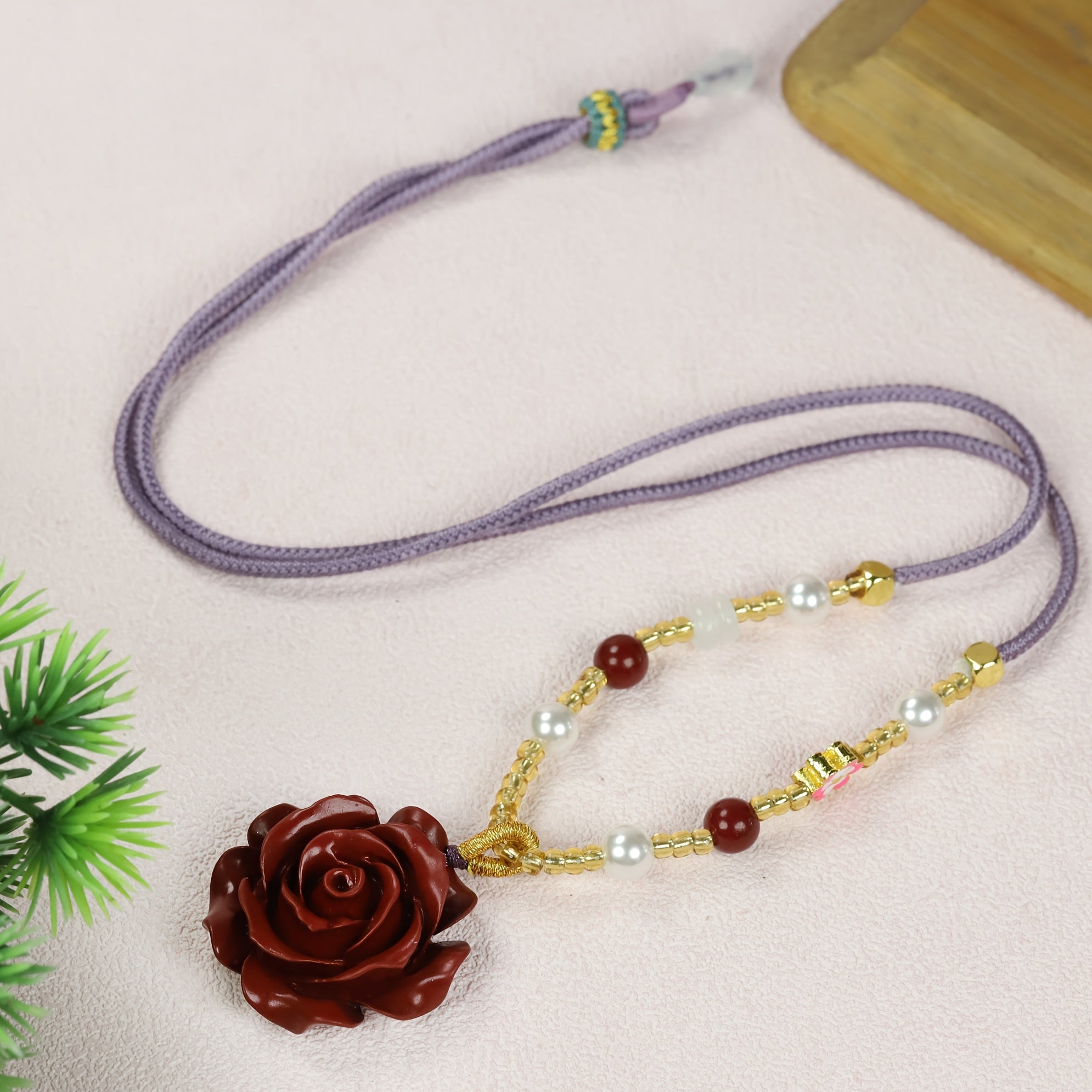
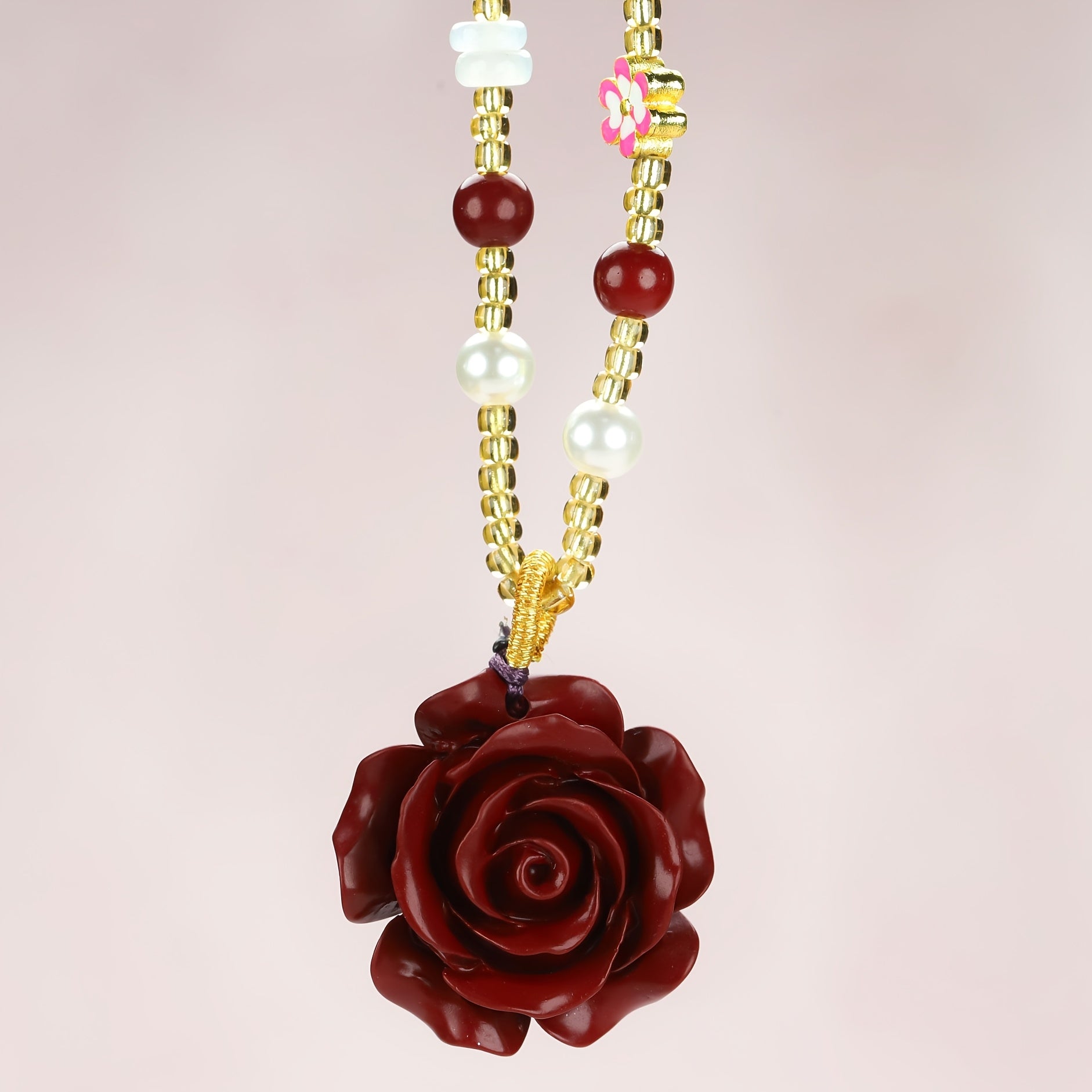
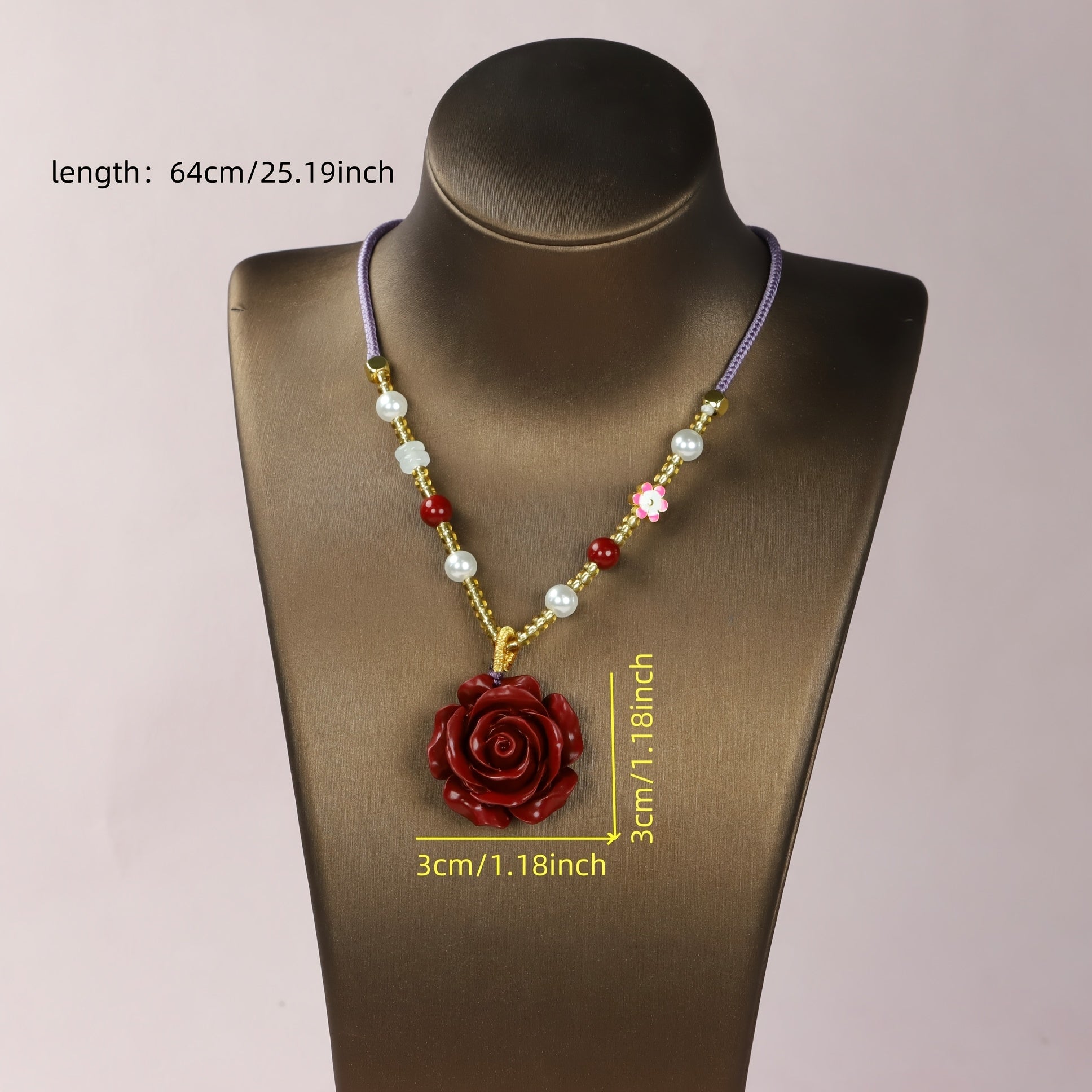
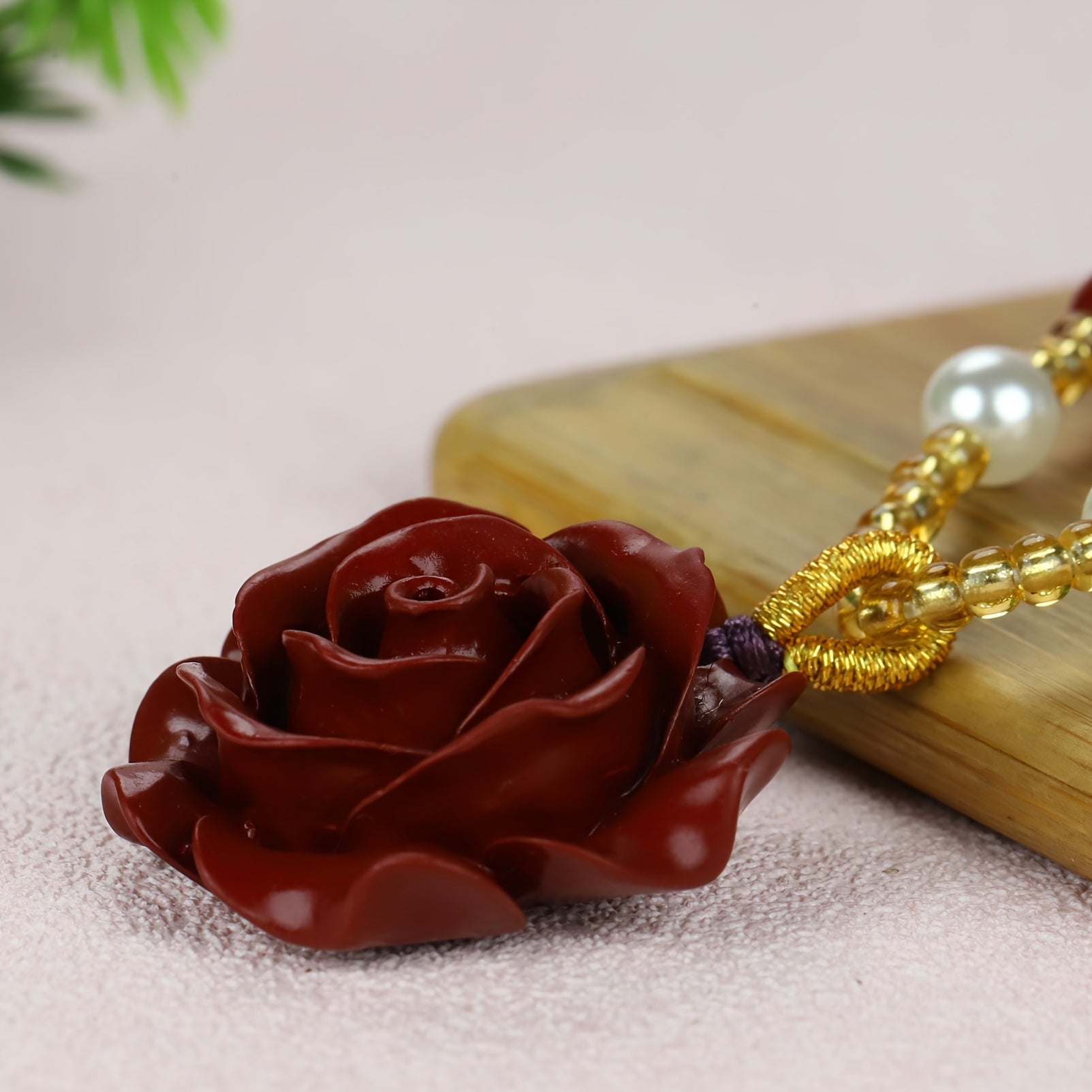
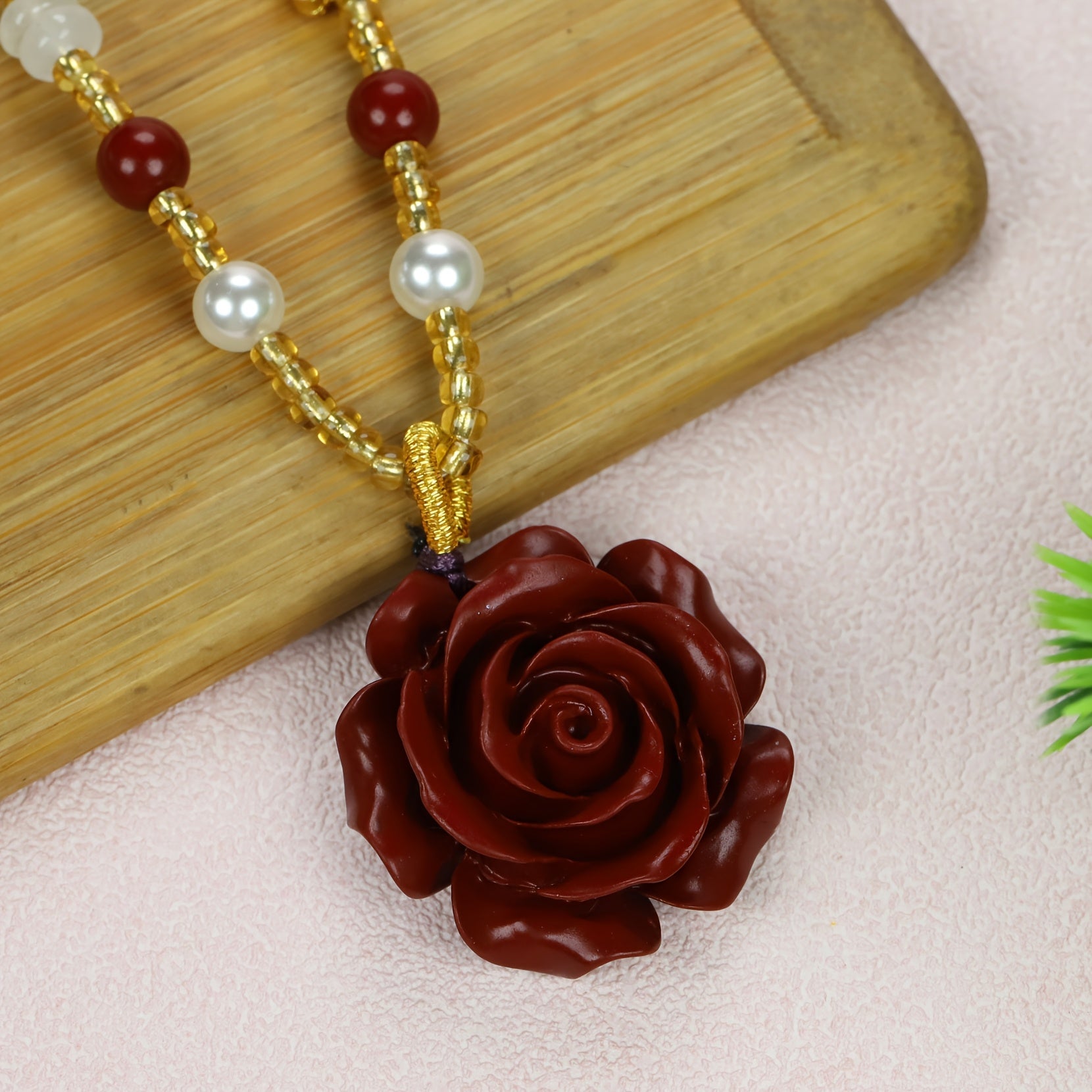
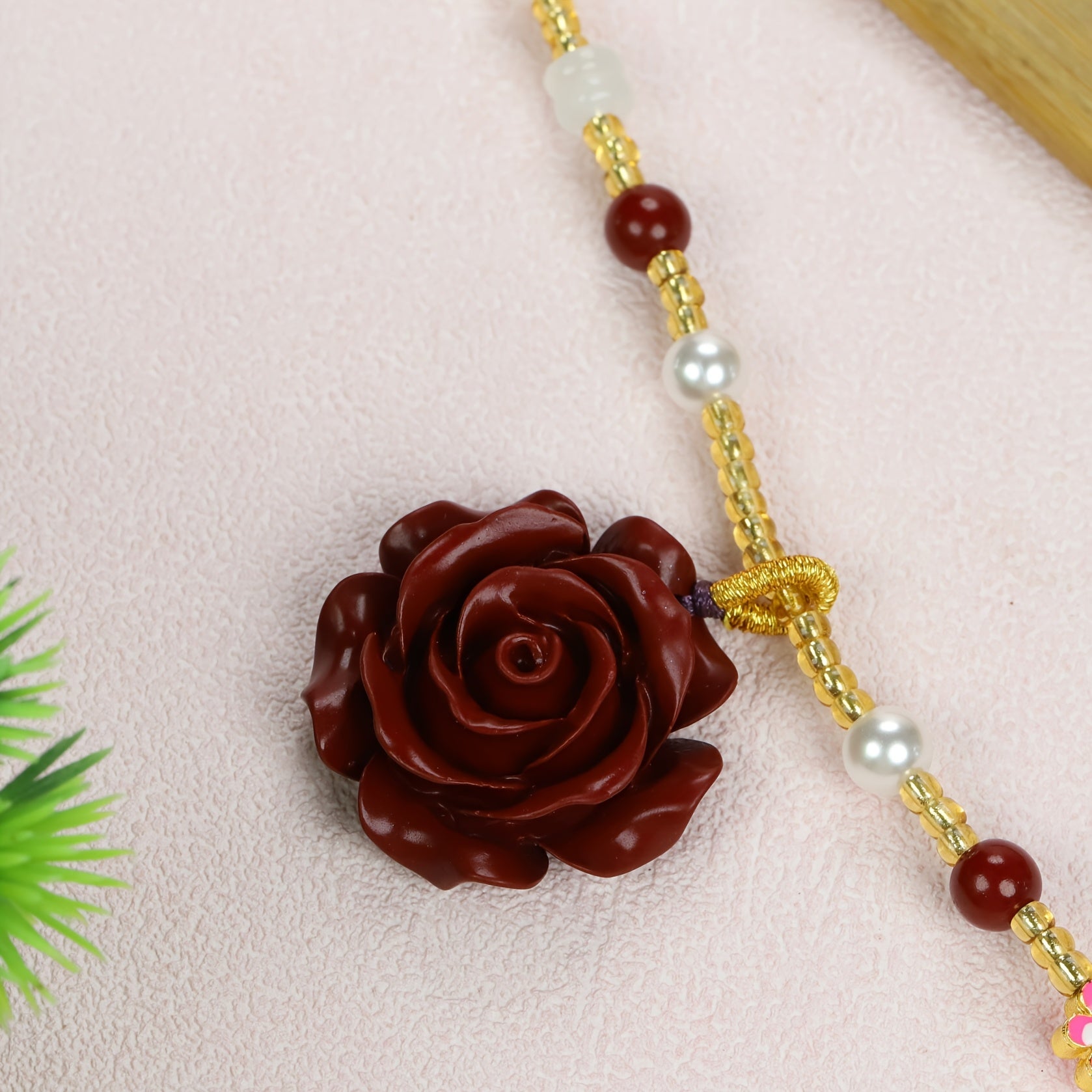
In the luxurious High-Content Cinnabar and Purple Golden Sand Rose Flower Carved Pendant, we witness the convergence of multiple historical threads: ancient Chinese alchemy, traditional mineral carving, romantic symbolism, and contemporary spiritual practice. This piece represents more than aesthetic beauty—it embodies a living tradition that has evolved across millennia, adapting to changing cultural needs while preserving core symbolic meanings.
Cinnabar's journey from toxic mineral to treasured artistic medium, from immortality elixir ingredient to love talisman, reveals much about how humans relate to materials, symbols, and the eternal quest for meaning. This article traces that journey, exploring how a simple mercury sulfide compound became one of humanity's most symbolically rich minerals, now finding new life as a symbol of eternal love in contemporary jewelry.
Natural cinnabar crystals reveal the mineral's inherent beauty that has fascinated humans for millennia
Ancient Origins: Cinnabar in Early Chinese Alchemy
The story of cinnabar begins in ancient China, where it was known as 丹砂 (dān shā) or simply 朱砂 (zhū shā). Its history intertwines with the development of Chinese alchemy, medicine, art, and spirituality in ways that continue to influence its symbolic meaning today.
Earliest archaeological evidence of cinnabar use in China dates to approximately 4500 BCE, where it was used as a pigment in burial rituals. The vibrant red color was associated with blood, life force, and the afterlife, establishing its earliest symbolic connections.
Cinnabar appears in oracle bone inscriptions and royal tombs. It was used in royal burials to preserve bodies and protect spirits in the afterlife. The mineral's association with immortality and protection begins to solidify during this period.
The golden age of Chinese alchemy emerges. Cinnabar becomes central to Daoist alchemical practices aimed at achieving immortality. The "Ninefold Cyclically Transformed Cinnabar" was considered the highest achievement in alchemical preparation.
Cinnabar's use expands beyond alchemy to art and medicine. It appears in illuminated manuscripts, becomes a primary red pigment in painting (vermilion), and is incorporated into medicinal preparations despite its toxicity.
The Alchemical Philosophy
In Daoist alchemy, cinnabar occupied a central position due to its unique properties and symbolic correspondences. Alchemists believed that by "refining" cinnabar through repeated heating and cooling cycles, they could extract its essence and create an elixir of immortality. This process was deeply symbolic:
Color Symbolism
Red represented the ultimate yang energy—active, fiery, life-giving. In the Five Elements system, red corresponded to fire, summer, the heart, and the direction south.
Transformation Principle
Cinnabar's ability to transform into mercury when heated symbolized the alchemical process of transformation itself—base materials becoming spiritual gold.
Protective Qualities
Its toxicity was paradoxically seen as protective—able to ward off evil spirits and malevolent forces. Amulets of cinnabar were worn for protection long before they became decorative.
Immortality Connection
The mineral's resistance to decay made it symbolic of eternal life. Burials with cinnabar were believed to preserve the body and spirit for the afterlife.
Historical Insight: According to Dr. Li Wei, historian of Chinese science at Peking University, "The Daoist alchemists weren't merely primitive chemists. They were engaged in a profound spiritual practice where materials like cinnabar served as physical metaphors for inner transformation. The quest for immortality wasn't just about living forever but about achieving spiritual perfection."
The Art of Cinnabar Carving: From Imperial Workshops to Contemporary Studios
While cinnabar's alchemical uses are well-documented, its journey as an artistic medium represents a parallel tradition that eventually merged with its spiritual significance. The development of cinnabar carving techniques created a bridge between its metaphysical properties and aesthetic expression.
Technical Challenges and Innovations
Cinnabar carving presents unique challenges that shaped its artistic development:
- Material Limitations: Cinnabar's relative softness (2-2.5 on Mohs scale) and perfect cleavage make detailed carving difficult. Traditional carvers developed specialized tools and techniques to work with these properties rather than against them.
- Color Preservation: The vibrant red color can darken or change with improper handling. Traditional knowledge about maintaining color intensity was passed down through generations of artisans.
- Toxicity Management: Working with cinnabar dust requires careful handling. Historical artisans developed methods to minimize exposure while maximizing artistic expression.
- Composite Techniques: High-quality cinnabar pieces often combine carved elements with inlaid materials (like the purple golden sand stone in our featured pendant), requiring mastery of multiple techniques.
Evolution of Carving Styles
Cinnabar carving styles evolved alongside Chinese artistic traditions:
Ming Dynasty (1368–1644)
The golden age of cinnabar lacquerware rather than solid mineral carving. However, techniques developed during this period influenced later solid cinnabar work.
Qing Dynasty (1644–1912)
Solid cinnabar carvings become popular among nobility. Intricate designs featuring dragons, phoenixes, and floral motifs demonstrate technical mastery. Imperial workshops produce pieces of exceptional quality.
Republican Period (1912–1949)
Traditional techniques continue but with some modernization. Cinnabar pieces begin to incorporate more contemporary designs while maintaining traditional symbolic elements.
Contemporary Period (1949–Present)
Revival of traditional techniques combined with new artistic expressions. Carvers experiment with combining cinnabar with other stones and modern designs while honoring traditional symbolism.
This living tradition of craftsmanship ensures that contemporary cinnabar pieces like the Rose Flower Pendant carry forward not just techniques but the accumulated wisdom and intention of centuries of artisans.
Traditional carving tools and techniques preserve centuries of artisan knowledge in contemporary cinnabar jewelry
Symbolic Transformation: From Immortality to Eternal Love
The most fascinating aspect of cinnabar's contemporary use in jewelry is its symbolic transformation. What was once primarily associated with immortality and protection has become increasingly associated with eternal love and romantic connection. This shift reveals how traditional symbols adapt to contemporary needs while retaining their essential meanings.
The Rose as Bridging Symbol
The rose carving in contemporary cinnabar pendants serves as a crucial symbolic bridge. While roses aren't traditional in historical Chinese cinnabar work (which favored dragons, phoenixes, and auspicious symbols), they provide a universal language of love that makes cinnabar's traditional meanings accessible to contemporary global audiences.
This represents a fascinating cultural synthesis: traditional Chinese mineral (cinnabar) + traditional Chinese carving techniques + Western romantic symbol (rose) = new symbolic meaning that honors multiple traditions while creating something fresh and relevant.
The Purple Golden Sand Innovation
The inclusion of purple golden sand stone represents another innovation. While not historically paired with cinnabar in traditional work, this combination creates rich symbolic layers:
| Element | Traditional Meaning | Contemporary Interpretation | Love Symbolism |
|---|---|---|---|
| Cinnabar Red | Immortality, Protection, Vitality | Passion, Life Force, Grounding | Fiery Passion, Protective Love |
| Purple Stone | Spirituality, Nobility (historical Chinese color symbolism) | Spiritual Connection, Higher Consciousness | Soul Connection, Spiritual Partnership |
| Golden Inclusions | Wealth, Imperial Power | Prosperity, Divine Blessing | Golden Relationship, Blessed Union |
| Rose Carving | Not traditional in Chinese cinnabar work | Universal Love Symbol | Romantic Love, Beauty, Completeness |
This symbolic layering creates jewelry that speaks simultaneously to multiple traditions and contemporary spiritual seekers, making it particularly potent as love tokens that honor both personal and cultural meanings.
Contemporary Spiritual Practice: Cinnabar in Modern Energy Work
As cinnabar transitions from historical artifact to contemporary spiritual tool, its integration into modern energy practices represents another fascinating evolution. How are contemporary practitioners interpreting and using cinnabar's traditional properties in new contexts?
Chakra System Integration
While traditional Chinese medicine doesn't use the chakra system, contemporary energy workers have mapped cinnabar's properties onto this framework. Most associate it with:
- Root Chakra: Grounding, vitality, connection to earth
- Heart Chakra: Love, passion, emotional healing
- Sacral Chakra: Creativity, sensuality, relationship energy
Modern Protective Practices
Traditional protective uses have evolved into contemporary applications:
- Protecting relationships from external negativity
- Shielding empaths in social situations
- Creating energetic boundaries in shared spaces
- Guarding against "energy vampires" in relationships
Love and Relationship Work
The most significant contemporary innovation is cinnabar's use in relationship energy work:
- Amplifying romantic intention in manifestation work
- Healing past relationship trauma
- Strengthening energetic bonds between partners
- Maintaining passion in long-term relationships
Ritual Incorporation
Cinnabar pendants are increasingly used in modern rituals:
- Wedding and commitment ceremonies
- Love intention-setting rituals
- Relationship renewal ceremonies
- Self-love and healing practices
Energy Practitioner Perspective: Sarah Chen, contemporary energy worker and crystal therapist, explains: "When clients come to me for relationship issues, I often recommend cinnabar—not despite its traditional association with immortality, but because of it. What is eternal love if not a form of immortality? The stone's traditional protective properties are perfect for shielding relationships, and its vibrant energy helps maintain passion. It's a beautiful example of traditional wisdom finding new relevance."
This contemporary reinterpretation demonstrates the living nature of traditional materials—they evolve to meet new needs while retaining their essential character and wisdom.
Cultural Exchange and Global Appreciation
The popularity of cinnabar jewelry beyond Chinese cultural contexts represents a fascinating case study in global cultural exchange. How does a material with such specific cultural history become appreciated worldwide, and what does this say about contemporary global spirituality?
From Cultural Specific to Universally Resonant
Cinnabar's journey from specifically Chinese cultural context to global spiritual symbol involves several factors:
- Visual Appeal: The vibrant red color has cross-cultural positive associations with life, passion, and vitality.
- Symbolic Accessibility: While the specific historical meanings may not be known, the general concepts of protection, vitality, and love are universally understood.
- Quality Craftsmanship: The evident skill in carving appeals across cultural boundaries, speaking to universal appreciation for human artistry.
- Spiritual Globalization: As spiritual practices become more eclectic globally, materials from various traditions are adopted based on their perceived energetic properties rather than their cultural origin.
Ethical Considerations in Global Market
The globalization of cinnabar jewelry raises important questions:
Cultural Appropriation vs. Appreciation
When non-Chinese individuals wear cinnabar jewelry, is it appropriation or appreciation? Key factors include:
- Understanding and respecting the cultural origins
- Supporting traditional artisans and ethical production
- Not claiming expertise or ownership of the cultural tradition
- Recognizing the evolution of symbols in new contexts
Authenticity and Commercialization
As demand grows, questions of authenticity emerge:
- Distinguishing genuine high-content cinnabar from imitations
- Preserving traditional techniques in commercial production
- Ensuring fair compensation for skilled artisans
- Maintaining quality as production scales
The most ethical approach appears to be one that honors the cultural origins while recognizing that symbols and materials naturally evolve as they enter new contexts. Pieces that maintain traditional craftsmanship while creating new symbolic syntheses (like the Rose Flower Pendant) represent a positive model of cultural evolution rather than appropriation.
Scientific Perspectives: Material Properties and Energetic Claims
The growing popularity of cinnabar in spiritual jewelry has attracted scientific attention. How do material scientists view the traditional and contemporary claims about cinnabar's properties, and what can science tell us about why this mineral has such enduring appeal?
Material Science of Cinnabar
From a purely material perspective, cinnabar (mercury sulfide, HgS) has fascinating properties:
- Crystal Structure: Trigonal crystal system, often forming beautiful rhombohedral crystals
- Optical Properties: High refractive index (3.08) gives it exceptional brilliance when properly cut and polished
- Color Origin: The intense red color comes from the mercury atoms' electronic structure and how they interact with light
- Stability: Remarkably stable under normal conditions, explaining its preservation in archaeological contexts
Toxicity and Safety
The elephant in the room with cinnabar is its mercury content. Modern understanding clarifies:
Historical Context
Ancient alchemists and physicians didn't understand mercury toxicity. Their preparations often caused mercury poisoning, which they sometimes misinterpreted as spiritual transformation symptoms.
Modern Safety
Solid cinnabar is relatively safe as mercury is tightly bound in the crystal structure. Risks come from:
- Inhalation of dust during carving
- Ingestion (not a risk with jewelry)
- Heating that releases mercury vapor
Contemporary Jewelry Safety
Properly finished cinnabar jewelry poses minimal risk:
- Polished surface prevents dust release
- Worn externally, not ingested
- Not heated during normal wear
- Quality pieces use stable, non-reactive settings
This scientific perspective doesn't invalidate spiritual experiences with cinnabar but rather provides a different framework for understanding them—one based on material properties, psychology, and cultural meaning-making rather than metaphysical energy fields.
Scientific understanding of cinnabar's material properties provides another lens through which to appreciate this remarkable mineral
Future Directions: The Evolving Role of Traditional Materials
As we look to the future, what role will traditional materials like cinnabar play in our increasingly digital, globalized world? Several trends suggest fascinating directions for their continued evolution and relevance.
Digital-Physical Synthesis
Traditional materials may find new relevance in digital contexts:
- Augmented reality experiences triggered by cinnabar jewelry
- Digital certificates of authenticity and origin stories
- Online communities around traditional materials and techniques
- Virtual museums and educational content about cultural heritage
Sustainable and Ethical Evolution
Growing awareness will shape production:
- Transparent sourcing and supply chains
- Revival of traditional, low-impact mining techniques
- Fair trade certification for artisan communities
- Recycled and repurposed traditional materials
Innovative Material Combinations
Traditional materials will continue to combine in new ways:
- Cinnabar with high-tech materials (carbon fiber, lab-grown crystals)
- Traditional carving techniques applied to new materials
- Biomimicry-inspired designs using traditional materials
- Smart jewelry incorporating traditional materials with technology
Cultural Preservation through Innovation
Paradoxically, innovation may help preserve traditions:
- 3D scanning and printing to document traditional pieces
- Online platforms connecting master artisans with apprentices worldwide
- Digital archives of traditional techniques and symbolism
- Contemporary designs that fund traditional craftsmanship preservation
What seems certain is that as our world becomes more digital and fast-paced, the appeal of traditional materials crafted with intention and skill will likely increase rather than decrease. They offer tangible connections to history, culture, and human artistry that screen-based experiences cannot provide.
The future of traditional materials lies in innovative synthesis with contemporary needs and technologies
Conclusion: The Eternal in the Ephemeral
The High-Content Cinnabar and Purple Golden Sand Rose Flower Carved Pendant represents more than a beautiful object—it embodies a living conversation between past and present, tradition and innovation, cultural specificity and universal human experience. Its journey from ancient Chinese alchemy to contemporary love token reveals how materials carry meaning across time and cultures, adapting to new contexts while retaining essential character.
In a world of rapid change and digital ephemerality, such tangible connections to human history and craftsmanship become increasingly precious. They remind us that some things endure—not unchanged, but evolving while maintaining continuity with what came before. The cinnabar that once symbolized immortality in ancient China now symbolizes eternal love in global contemporary culture—different yet connected expressions of the human desire for what lasts beyond the temporary.
The true alchemy revealed by cinnabar's journey isn't the transformation of base metals into gold, but the transformation of cultural meaning across time. It shows how human creativity takes materials from the earth and imbues them with stories, symbols, and significance that evolve yet endure. In wearing such pieces, we participate in this ongoing alchemy—adding our stories to theirs, finding personal meaning in ancient materials, and connecting our fleeting human experiences to something that transcends our individual lives.
As we face an uncertain future, such connections to enduring human traditions provide not just beauty but meaning. They remind us that while technologies and societies change, certain human desires remain constant: for protection, for love, for connection to something greater than ourselves. And sometimes, those eternal desires find expression in a piece of red stone, carved into a rose, worn close to the heart—a small, beautiful reminder of what lasts.
