





The Cultural and Symbolic Journey of Agate: From Ancient Amulets to Modern Statements of Power
More than just a pretty stone, agate's history is etched with meaning, from a warrior's talisman to a modern symbol of masculine strength and prosperity.
Few gemstones can claim a history as rich and varied as agate. With its mesmerizing bands of color and its reputation for powerful protective and healing properties, this stone has captivated civilizations for millennia. Its journey through human culture is a testament to our enduring fascination with the Earth's hidden treasures. From an amulet for ancient warriors to a statement of confidence for the modern man, agate's symbolism is deep, powerful, and timeless.
Ancient Origins: A Stone of Power and Protection
The story of agate begins in the ancient world, where it was prized not only for its beauty but for its potent metaphysical properties. The name "agate" is believed to derive from the Achates River in Sicily, where the Greek philosopher Theophrastus first discovered the stone around the 3rd or 4th century BCE. However, its use predates this discovery by thousands of years. Archaeological finds show that agate was carved into seals, amulets, and jewelry in ancient Sumer, Egypt, and the Indus Valley Civilization, dating back as far as 3000 BCE.
In these early cultures, agate was seen as a stone of strength and protection. Warriors would carry agate amulets into battle, believing the stone would give them courage, protect them from harm, and ensure victory. The ancient Egyptians held agate in high regard, associating it with the gods and using it in elaborate jewelry and ceremonial objects. They believed it had the power to protect against lightning and storms and to promote fertility and abundance. This early association with power, protection, and physical well-being laid a strong foundation for the stone's symbolic legacy.
"Agate was the stone of warriors, a tangible piece of the Earth's power worn to ensure victory and safety in the chaos of battle."
Cultural Significance: From Greece to China and Beyond
As agate spread throughout the ancient world, its symbolism evolved and took on new meanings in different cultures. In Ancient Greece and Rome, it was widely used for intaglio signet rings. These rings were not just decorative; they were functional tools used to seal documents with wax, and the carved image on the agate (often a portrait of a deity or a hero) served as a personal signature and a mark of authority. It was believed to bring its wearer favor with the gods and enhance their persuasive abilities.
In Persian and Arabic cultures, agate was also highly valued. It was often engraved with verses from the Quran and worn as a protective talisman. The stone was thought to ward off the "evil eye" and bring about a long and prosperous life. In traditional Chinese culture, agate was considered a stone of balance and harmony. It was used in Feng Shui to create a calm and stable environment and was believed to strengthen the body's life force, or "qi," and promote emotional well-being. Its connection to the Earth element made it a grounding stone, used to center one's energy and connect with nature.
The Modern Symbol: Masculine Strength, Confidence, and Prosperity
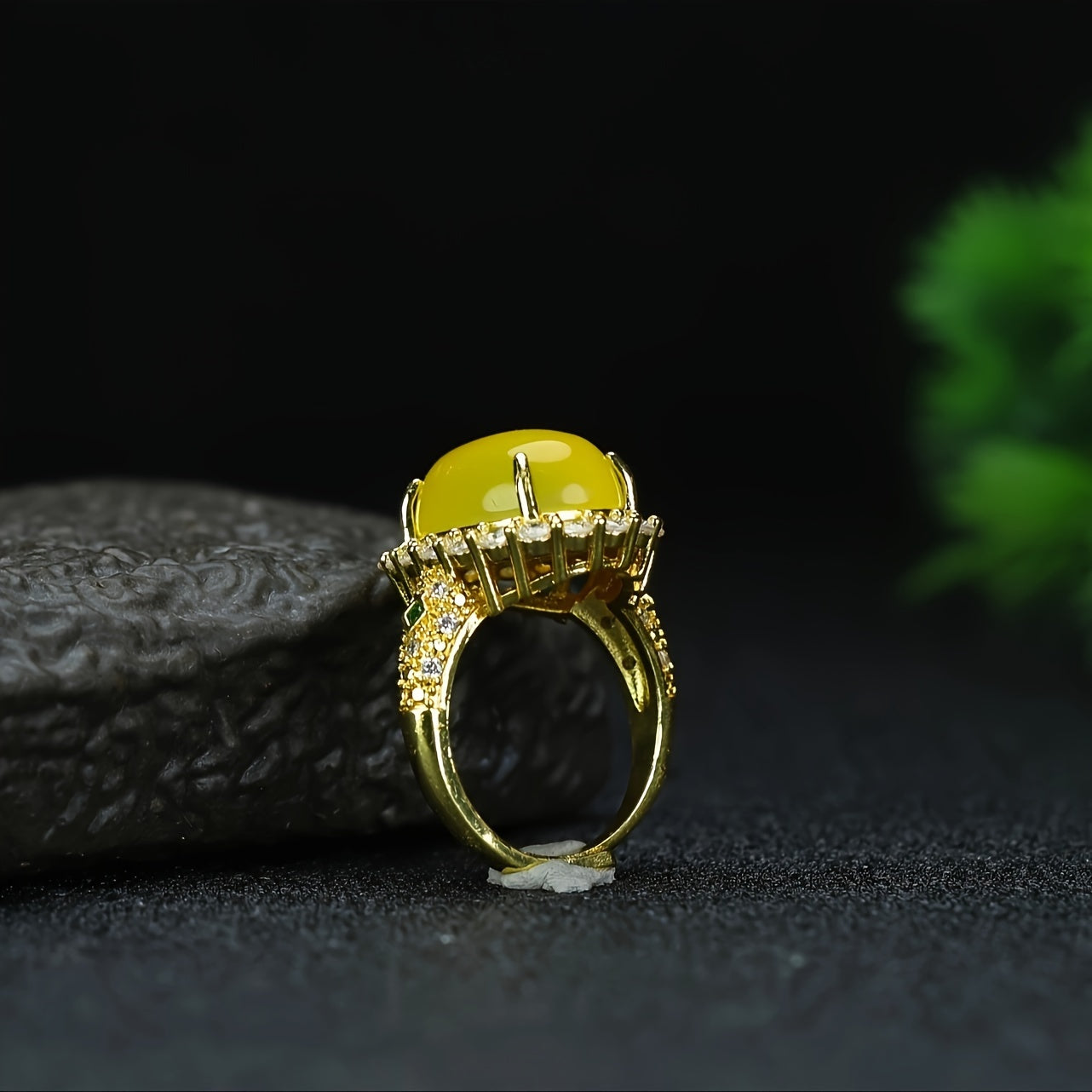
In the modern era, agate has retained its powerful symbolic meanings, finding a particular resonance as a symbol of masculine strength and stability. Its solid, earthy appearance and its reputation as a grounding stone make it a popular choice for men's jewelry. A man who wears an agate ring is often seen as someone who is strong, centered, and connected to his inner power. The stone's energy is not aggressive or domineering; rather, it is a quiet, steadfast strength—the kind that comes from being emotionally balanced and mentally clear.
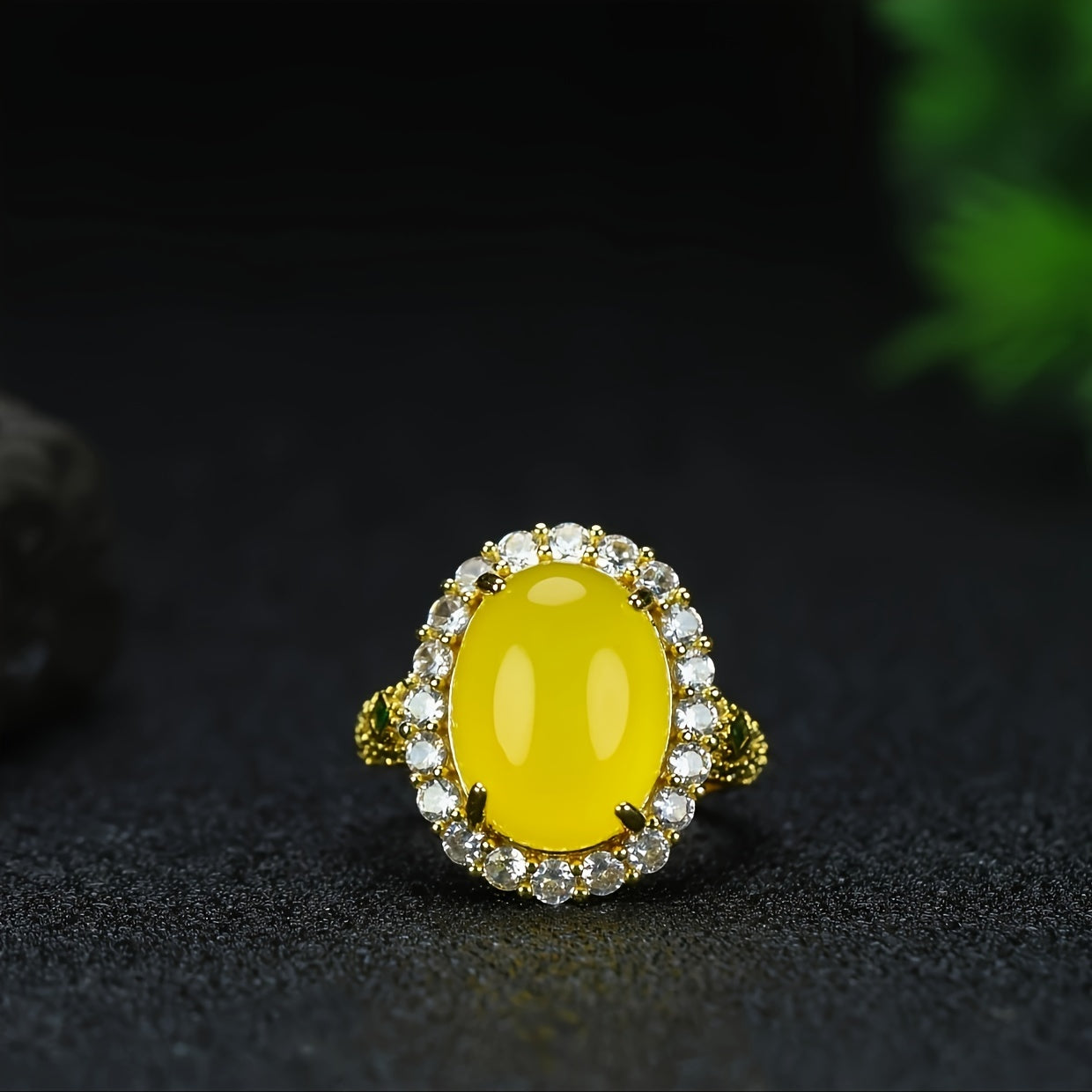
This is why agate is so often used in men's rings, bracelets, and necklaces. It serves as a constant, wearable reminder to remain grounded in the face of adversity, to think clearly under pressure, and to act from a place of centered power rather than reactive emotion. The various colors of agate also offer different nuances. The yellow agate, in particular, is associated with prosperity, confidence, and optimism. It is a stone that dispels self-doubt and stimulates the will to succeed, making it an excellent talisman for business, career, and personal goals. It represents a man who is not only strong but also optimistic, confident, and capable of manifesting his own success.
Agate in Jewelry: A Fusion of Style and Substance
From ancient signet rings to modern statement pieces, agate's journey in jewelry is a testament to its enduring appeal. Its hardness (around 7 on the Mohs scale) makes it durable enough for everyday wear, while its vast array of colors and banding patterns ensures that no two pieces are exactly alike. This uniqueness adds a personal touch to any piece of jewelry. Artisans and jewelry designers continue to be inspired by agate, creating everything from minimalist, polished cabochons set in sleek silver to more elaborate, vintage-inspired designs that highlight the stone's natural beauty and historical significance.
Wearing agate jewelry is more than a fashion choice; it is an act of aligning oneself with the stone's energy. For a man, an agate ring can be a powerful tool for personal empowerment, a symbol of his inner resolve and stability. It is a piece that communicates strength without arrogance and style without pretense. It connects the wearer to a long lineage of human history, to the ancient belief in the power of the Earth, and to the timeless pursuit of balance, strength, and confident self-expression.
