




The Crimson Art: Decoding the Symbolism of Cinnabar in Chinese Culture and Jewelry
For millennia, a stone the color of blood and fire has captivated emperors, artists, and healers in China. Cinnabar, the "Emperor's Stone," is more than just a mineral; it is a vessel of history, a symbol of power, and a talisman of protection. This article delves into the profound cultural and spiritual significance of this vibrant red stone.
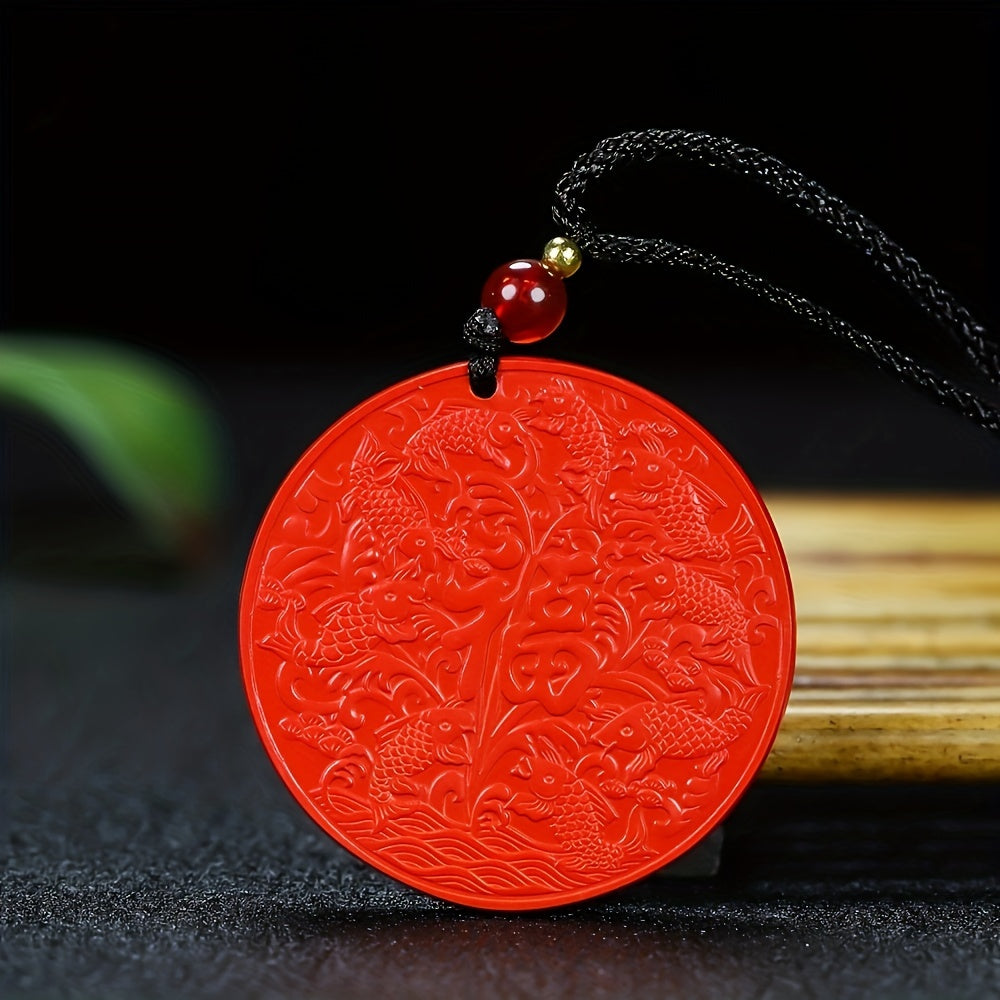
A modern cinnabar pendant, continuing the ancient tradition of carving this powerful stone into auspicious symbols of luck and prosperity.
Overview: The Stone of Eternal Life
Cinnabar, known in Chinese as "Zhusha" (朱砂), has a history as deep and rich as its crimson color. Its story begins in ancient China, where it was revered not only for its stunning beauty but also for its potent spiritual and medicinal properties. The name itself is evocative; "Zhu" (朱) means vermilion, the brilliant red pigment derived from it, and "Sha" (砂) means sand, referring to its mineral form. For centuries, it was ground into a pigment for art and cosmetics, used in traditional medicine, and, most importantly, carved into intricate seals, figurines, and jewelry. Its primary symbolic association is with longevity, good fortune, and protection, making it one of the most auspicious materials in Chinese culture.
Cultural & Symbolic Meaning: The Emperor's Stone
Cinnabar's symbolism is multifaceted, rooted in its physical properties, its color, and its use by the highest echelons of society. It was known as the "Emperor's Stone" due to its exclusive use in imperial courts, both for art and for the elixirs of immortality sought by emperors.
Longevity and Immortality
One of the most powerful associations with cinnabar is its connection to eternal life. Ancient Taoist alchemists believed that cinnabar, with its enduring, unchanging color, held the key to immortality. They used it to create "elixirs of life," which were consumed by emperors in the hopes of achieving longevity. While we now know that mercury sulfide is toxic, this historical belief imbued the stone with a profound symbolic meaning of defying decay and achieving a state of permanent, vibrant existence.
Protection and Warding Off Evil
The brilliant, fiery red of cinnabar is universally associated with life force, vitality, and protection. In Chinese tradition, the color red is used to ward off evil spirits and bad luck, most notably during the Chinese New Year with red envelopes and decorations. Cinnabar, as the source of the most prized red pigment, inherits this powerful protective quality. Amulets and pendants made of cinnabar are worn as shields against negativity, psychic attacks, and misfortune.
Wealth and Good Fortune
The vibrant red color also symbolizes prosperity, wealth, and good luck. In Feng Shui, cinnabar objects are placed in the wealth and prosperity sectors of a home or office to activate and attract positive financial energy. Its connection to the "fire" element and the "earth" element (as a mineral) makes it a powerful tool for manifesting goals and turning ambition into reality.
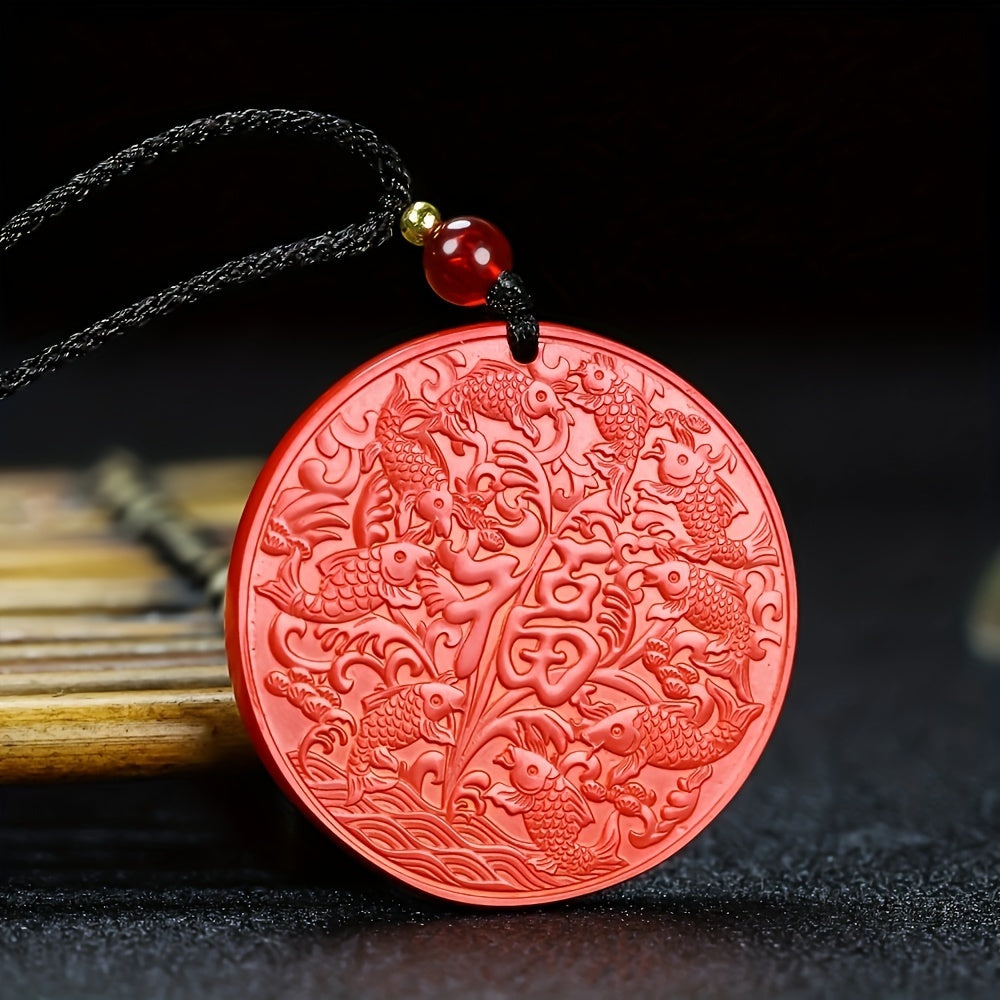
The unique 'Emperor Sand' (朱砂) texture of cinnabar, a hallmark of high-quality carved pieces, adds depth and a tactile connection to the stone's earthy origins.
Artistic & Aesthetic Interpretation: The Carver's Challenge
Working with cinnabar is a true test of an artisan's skill. With a hardness of only 2-2.5 on the Mohs scale, it is a relatively soft and brittle material. Carving intricate designs requires immense patience, a steady hand, and specialized tools to prevent the stone from cracking or crumbling. The goal is not just to shape the stone, but to reveal the beauty within. Artisans often work with the natural inclusions and the characteristic "Emperor Sand" texture, incorporating them into the design to create a piece that feels alive and organic. The high luster achieved through polishing brings out the stone's deep, waxy red color, making it a visual feast that captures the light and the eye.
Emotional & Social Significance: A Wearable Shield
To wear cinnabar jewelry is to wear a piece of cultural history and a personal talisman. It is a statement of appreciation for ancient traditions and a quiet declaration of one's intentions for health, prosperity, and protection. Emotionally, the stone is believed to provide a sense of grounding and security. Its connection to the Root Chakra helps to anchor the wearer, reducing feelings of anxiety and fear. Socially, gifting cinnabar is a profound gesture, as it is a wish for the recipient's longevity, luck, and well-being. It is a piece that transcends mere fashion, serving as a constant, wearable source of strength and positive energy.
Expert Commentary: The Enduring Power of Red
We spoke with a cultural historian and a contemporary jewelry designer to understand cinnabar's enduring appeal.
Dr. Elena Vance, Cultural Historian: "Cinnabar's power lies in its potent combination of beauty, rarity, and symbolism. It was the color of power—the emperor, the priests, the elite. To own something of cinnabar was to display your status and your connection to the spiritual world. Its association with immortality made it the ultimate prize. Even today, that symbolic weight remains. When you wear it, you're tapping into a 2,000-year-old belief system about power, protection, and longevity."
Leo Rivera, Artisan Jeweler: "Carving cinnabar is a meditative process. You have to be so present, so gentle. You're not fighting the material; you're collaborating with it. The 'Emperor Sand' texture is my favorite part—it gives each piece a unique character. Customers are drawn to the depth of the color and the story behind it. It’s a stone that feels both ancient and incredibly alive. It's a responsibility to honor its history in every piece I create."
Technical Craftsmanship and Environmental Sustainability
The art of cinnabar carving involves several steps: selecting a high-quality piece with a rich color and desirable texture, sketching the design, and then painstakingly carving it with fine tools. After carving, the piece is sanded through multiple grits to achieve a smooth surface and then polished to a high luster. Due to its toxicity in powdered form, modern artisans handle solid cinnabar with care, avoiding inhalation of dust. Ethical sourcing is also a key concern. Reputable dealers ensure their cinnabar is mined responsibly, and many contemporary designers opt for lab-created or simulated cinnabar to provide a beautiful, safe, and eco-friendly alternative that honors the aesthetic without the ethical and environmental complications of mining.
Market Perspective and Future Outlook
The market for cinnabar jewelry is niche but enduring. It appeals to individuals interested in cultural jewelry, spiritual tools, and unique, statement pieces. The value of a piece is determined by the quality of the stone (color, luster, texture), the intricacy of the carving, and the skill of the artisan. The trend towards meaningful and symbolic jewelry ensures that cinnabar remains relevant. Looking to the future, we can expect to see it reinterpreted in modern, minimalist designs, as well as continued appreciation for traditional carvings. The use of sustainable and ethical alternatives will likely grow, making this beautiful stone's aesthetic accessible to a wider audience while preserving the natural resource.
User Reviews and Reception
Customers who purchase cinnabar jewelry often express a deep appreciation for its beauty and the energy they feel it provides. Reviews frequently mention the "stunning red color" and the "intricate detail" of the carvings. A common theme is the feeling of confidence and positivity the piece brings. One reviewer of a similar koi-themed cinnabar pendant shared, "This necklace is even more beautiful in person. The red is so deep and vibrant, and the carving of the fish is incredible. I feel a sense of calm and focus when I wear it, and I've received so many compliments. It's a piece that feels both powerful and elegant." This sentiment highlights cinnabar's successful transition from an ancient talisman to a modern, cherished accessory.
