




The Celestial Menagerie: Chinese Zodiac Symbolism in Contemporary Spiritual Jewelry
For millennia, humanity has looked to the stars for guidance, finding in celestial patterns not just navigational aids but profound archetypes that mirror our earthly existence. Among these cosmic systems, the Chinese zodiac stands as one of the most intricate and enduring—a twelve-year cycle of animal signs that continues to shape cultural identity, personal understanding, and spiritual practice. Today, this ancient wisdom finds new expression in spiritual jewelry, where zodiac symbols transform from abstract concepts into tangible talismans that connect wearers to cosmic rhythms and animal archetypes.
Astronomical Origins: From Star Clusters to Earthly Archetypes
The Chinese zodiac's origins trace back to the Han Dynasty (206 BCE–220 CE), though its roots likely extend much earlier into China's astronomical observations. Unlike Western astrology's focus on planetary positions, traditional Chinese astrology emphasized the Jupiter cycle—the approximately twelve years it takes Jupiter to orbit the sun. Ancient astronomers divided Jupiter's path into twelve celestial "stations," each associated with an earthly animal that embodied that station's qualities.
These astronomical observations merged with earlier animal totem traditions from various Chinese ethnic groups. The twelve final animals—Rat, Ox, Tiger, Rabbit, Dragon, Snake, Horse, Goat, Monkey, Rooster, Dog, and Pig—represent a synthesis of agricultural, mythological, and observational wisdom. Each animal embodies specific virtues, challenges, and cosmic relationships that create a complex system of personality typing far more nuanced than Western sun sign astrology.
The Great Race Mythology
The popular legend explaining the zodiac order—the Great Race called by the Jade Emperor—while charming, represents a later folk explanation. The deeper truth lies in the yin-yang alternation and the animals' natural characteristics. Odd-numbered years (1st, 3rd, 5th, etc.) are yang years, represented by animals with odd numbers of claws/hooks, while even-numbered years are yin. This creates a dynamic balance throughout the cycle, with each animal correcting or complementing the previous one's energy.
The Tiger Archetype: King of the Celestial Beasts
The White Tiger of the West
In Chinese cosmology, the Tiger represents the west, autumn, the metal element, and the white tiger constellation (Bai Hu). As one of the Four Auspicious Animals, it guards the western quadrant and represents righteous force, military prowess, and protection against evil spirits.
Yin-Yang Dynamics
Though yang in its assertive energy, the Tiger contains yin elements in its solitary nature and protective instincts. This balance makes Tiger energy particularly powerful—capable of fierce action but also profound loyalty and protective care.
Five Element Correspondence
Tiger years alternate between different elements: Wood Tiger (yang wood), Fire Tiger (yang fire), Earth Tiger (yang earth), Metal Tiger (yang metal), Water Tiger (yang water). Each combination creates distinct Tiger personalities with varying expressions of the core Tiger qualities.
Seasonal and Temporal Associations
The Tiger governs the hours 3-5 AM (yin transforming to yang), representing the transition from darkness to light. Seasonally, it corresponds to autumn harvest—a time of reaping what has been sown through courageous action earlier in the year.
In traditional Chinese medicine, Tiger energy corresponds to the lung and large intestine meridians—systems concerned with boundaries (what to take in, what to release) and protection (the lung's role in Wei Qi, or defensive energy). This medical correlation explains why Tiger symbolism in jewelry often focuses on protection, boundaries, and immune support—both physical and energetic.
Regional Variations and Cultural Synthesis
While the Chinese zodiac system is widely known, regional variations reveal fascinating cultural adaptations. In Vietnam, the Rabbit becomes the Cat. In Tibetan astrology, the Pig is sometimes replaced by the Boar. These variations reflect different ecological relationships and cultural values. Contemporary zodiac jewelry often incorporates these variations, creating pieces that speak to multiple cultural traditions while honoring the core archetypal energy of each animal.
From Amulet to Art: The Evolution of Zodiac Jewelry
Han Dynasty (206 BCE–220 CE)
Earliest zodiac amulets appear as simple carved jade or bone pieces worn by nobility. These were primarily burial goods, intended to guide and protect the deceased in the afterlife according to their birth animal.
Tang Dynasty (618–907 CE)
Zodiac symbolism expands beyond burial contexts. Silver and gold zodiac charms become popular among wealthy merchants and officials. The twelve animals begin appearing as a complete set rather than individual birth year pieces.
Ming Dynasty (1368–1644 CE)
Zodiac jewelry incorporates more elaborate symbolism, with animals shown in naturalistic poses rather than stylized forms. The concept of "zodiac enemies and friends" influences design—certain animals are paired to enhance compatibility or counteract negative influences.
Qing Dynasty (1644–1912 CE)
Imperial workshops produce exquisite zodiac pieces incorporating cloisonné, jade, and precious stones. The complete zodiac cycle becomes a popular motif in hair ornaments, belt plaques, and necklace pendants for both men and women.
Contemporary Era (20th–21st Century)
Zodiac jewelry evolves from traditional talisman to spiritual fashion statement. Designers blend ancient symbolism with modern aesthetics, creating pieces that function both as personal empowerment tools and cultural statements.
Material Symbolism in Zodiac Jewelry
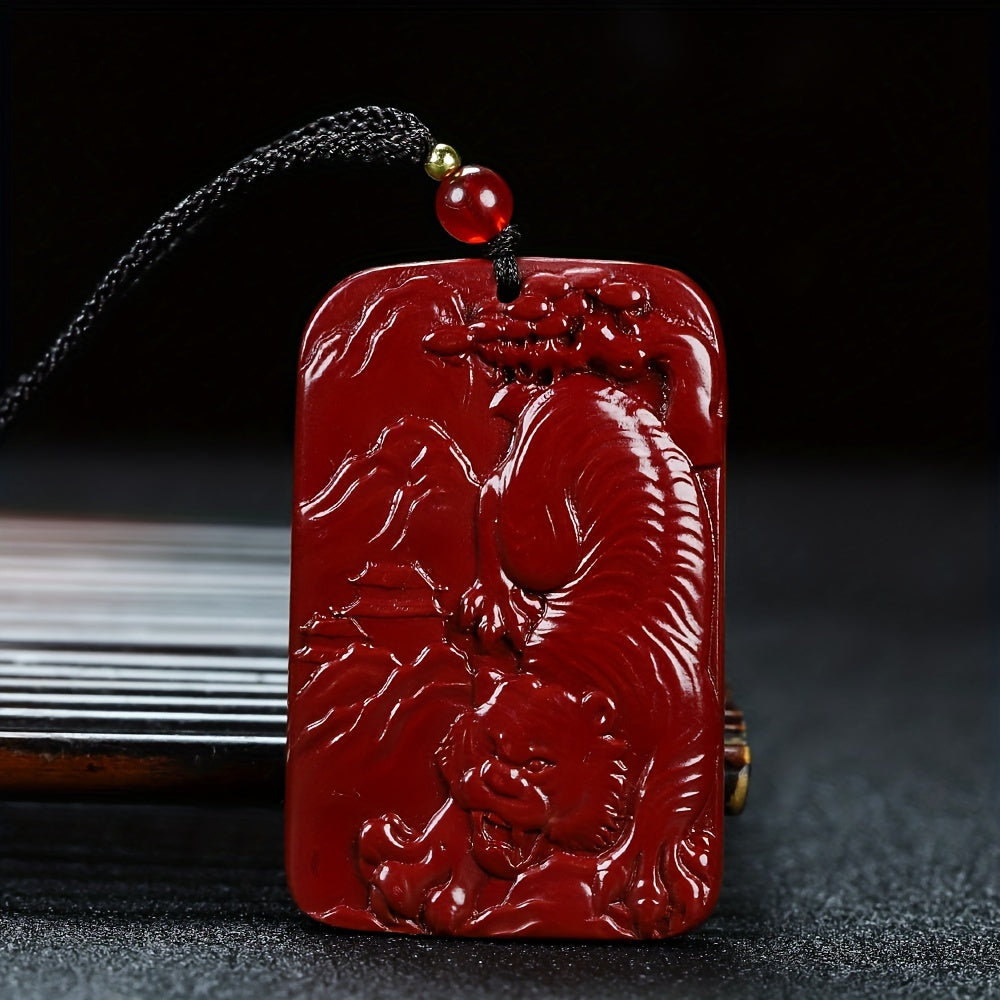
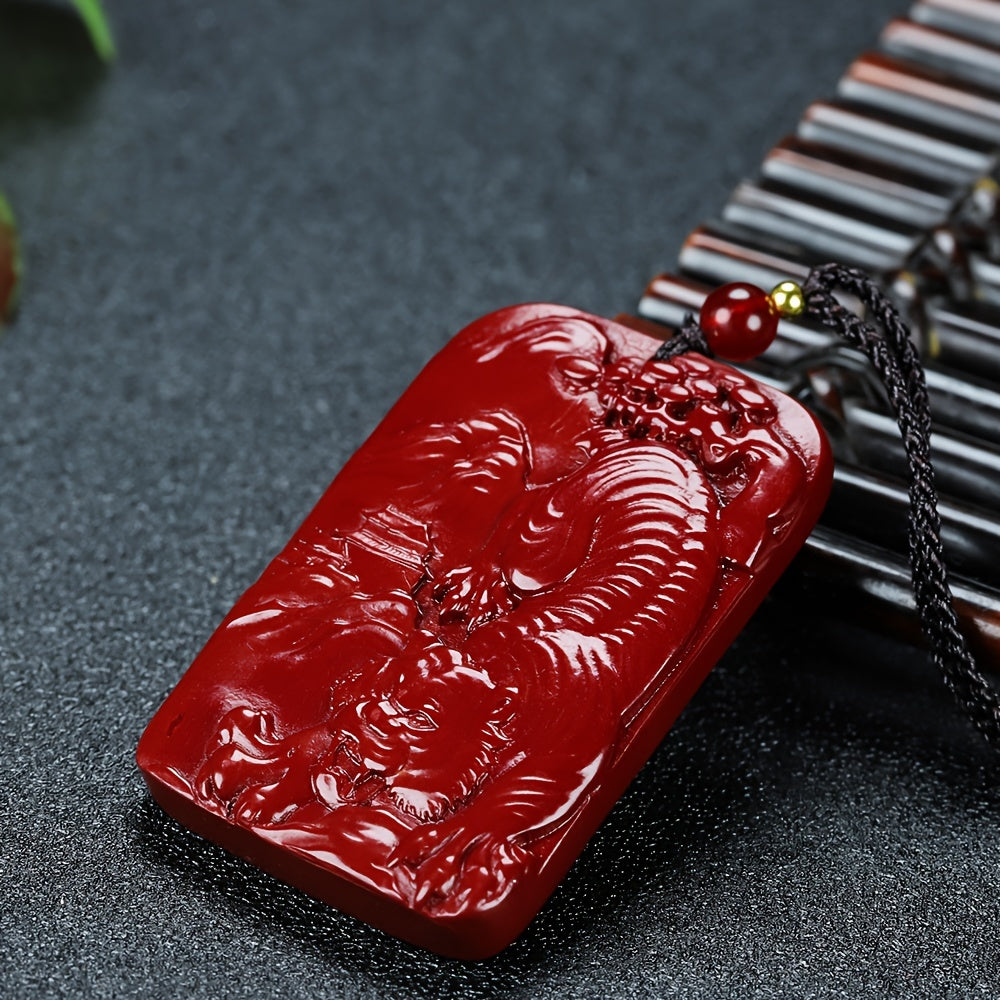
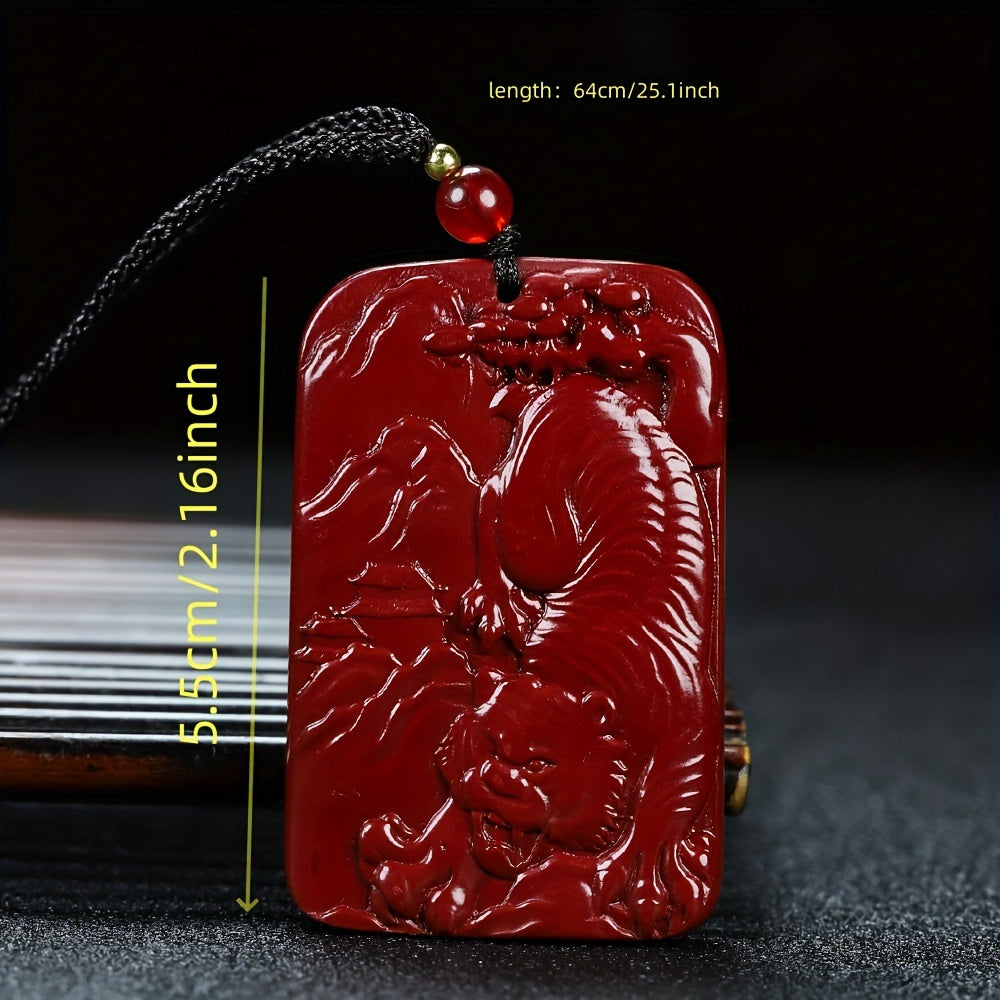
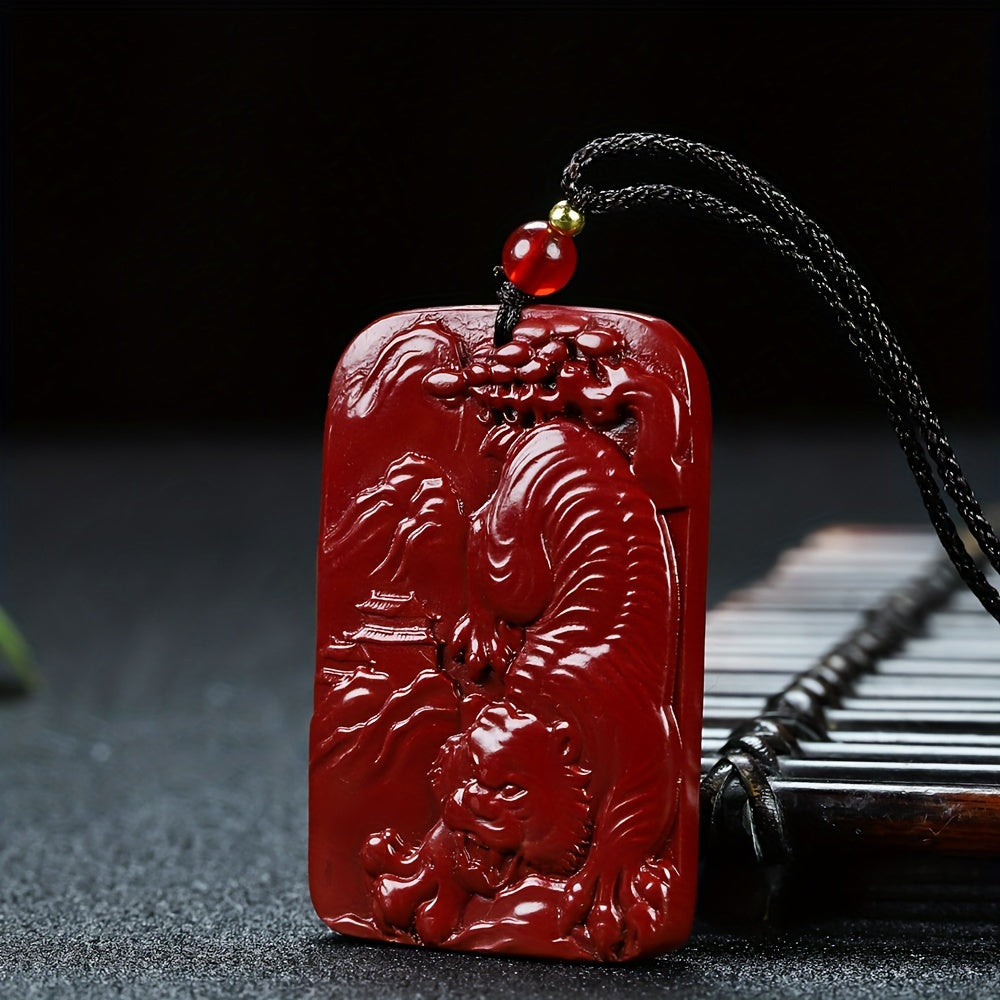
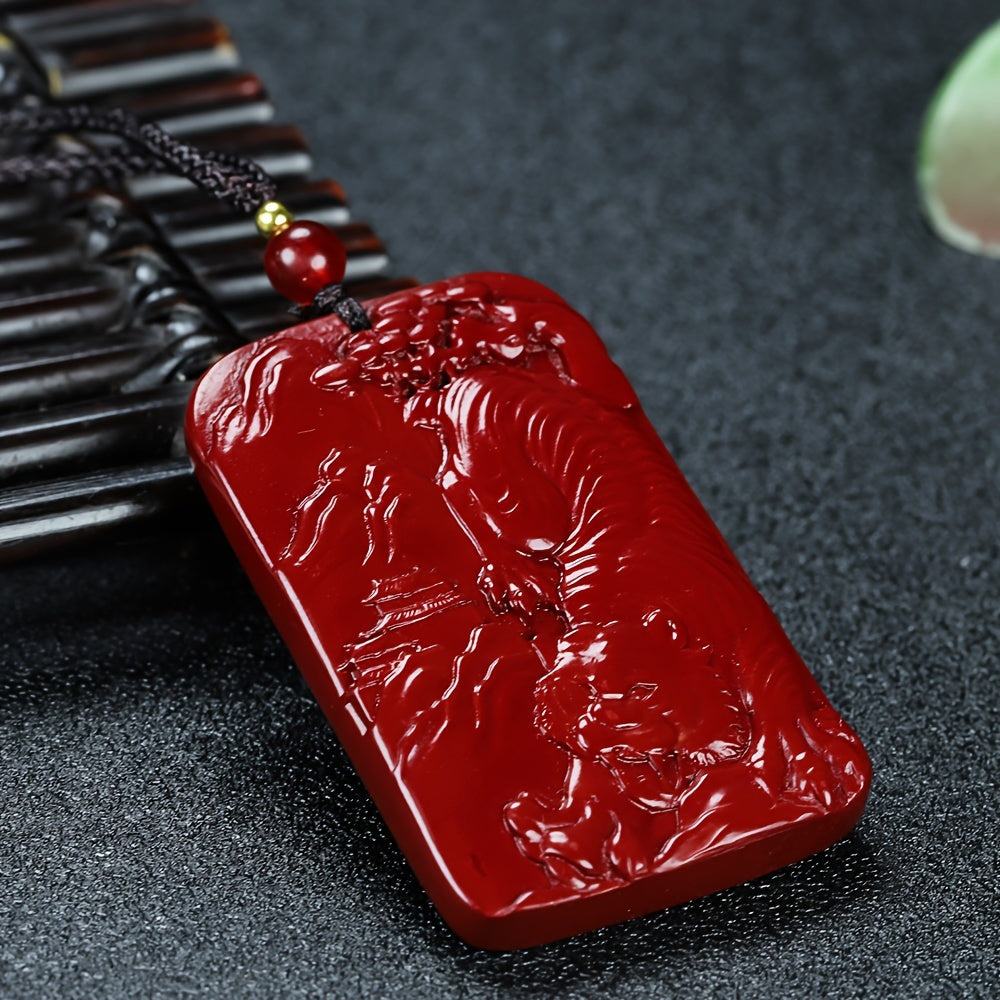
The choice of materials in zodiac jewelry carries profound symbolic weight. In the Tiger pendant, purple golden pyrite represents the union of celestial purple (North Star connection) with earthly gold (prosperity and yang energy). Red cinnabar, historically used in Taoist protective talismans, adds a layer of traditional spiritual defense. This material combination creates what traditional Chinese metaphysics would call a "complete formula"—addressing multiple levels of need through symbolic correspondences rather than single-purpose design.
The Psychology of Zodiac Identification
Why do people continue to identify strongly with their zodiac animals centuries after the system's creation? Psychological research offers several insights into the enduring power of zodiac symbolism in personal identity and spiritual practice.
Cognitive and Social Functions
From a cognitive perspective, zodiac systems provide several psychological benefits:
Pattern Recognition: Humans are natural pattern-seekers. The zodiac provides a coherent framework for understanding personality traits, life events, and interpersonal dynamics. This reduces cognitive load in a complex social world.
Identity Construction: Zodiac identification helps answer fundamental questions of selfhood. "I am a Tiger" provides not just personality descriptors but values, strengths, challenges, and a sense of belonging to a larger cosmic order.
Narrative Coherence: Life events gain meaning when framed through zodiac cycles. Challenges become "Tiger challenges" to be met with "Tiger strength." Successes reflect "Tiger qualities" properly expressed.
Social Bonding: Zodiac discussions create instant social connections. Compatibility theories (Tigers are compatible with Dogs and Horses, challenged by Monkeys) provide frameworks for understanding relationships.
Spiritual and Energetic Dimensions
Beyond psychology, zodiac jewelry functions on spiritual and energetic levels that traditional psychology often overlooks:
Archetypal Resonance: Carl Jung's concept of archetypes finds perfect expression in zodiac animals. These are not just symbols but living psychic patterns shared across humanity. Wearing a zodiac pendant consciously activates these archetypes within the wearer's psyche.
Energetic Attunement: In energy medicine traditions, each zodiac sign corresponds to specific meridians, chakras, or energy patterns. Tiger energy, for example, resonates with the solar plexus chakra (personal power) and the lung meridian (boundaries and protection).
Cyclical Awareness: Zodiac jewelry reminds wearers of natural cycles—not just the twelve-year Jupiter cycle but daily, monthly, and seasonal rhythms. This fosters what ecopsychologists call "temporal embeddedness"—feeling connected to natural time rather than artificial schedules.
Contemporary Expressions and Cultural Exchange
In our globalized world, Chinese zodiac symbolism has transcended its cultural origins to become part of worldwide spiritual practice. This cross-cultural adoption involves fascinating adaptations and hybridizations.
Western Adoption and Adaptation
Western engagement with Chinese zodiac symbolism began in earnest during the 19th century but accelerated dramatically in the late 20th century. Today, zodiac jewelry represents one of the most accessible entry points into Chinese metaphysical traditions for Western spiritual seekers. This adoption involves several interesting adaptations:
Psychological Interpretation: Western wearers often emphasize psychological and personal development aspects over traditional auspiciousness and protection functions.
Eclectic Combinations: It's common to see Chinese zodiac symbols combined with Western astrology, Native American animal totems, or other cultural symbolic systems in personalized spiritual jewelry.
Gender Fluidity: Traditional Chinese zodiac interpretations often emphasized different qualities for men and women born under the same sign. Contemporary Western interpretations tend toward gender-neutral archetypal meanings.
Modern Design Innovations
Contemporary zodiac jewelry designers are pushing traditional boundaries while respecting core symbolism:
Minimalist Abstraction: Some designers reduce zodiac animals to essential geometric forms—a few lines suggesting rather than depicting the animal. This appeals to modern aesthetics while maintaining symbolic resonance.
Technological Integration: A few avant-garde designers are experimenting with zodiac pieces that incorporate LED lighting, subtle vibration mechanisms, or NFC chips linking to personalized zodiac readings.
Sustainable Practices: Growing awareness of ethical and environmental issues influences material choices. Recycled metals, ethically sourced stones, and transparent supply chains become part of the jewelry's spiritual value proposition.
"The globalization of Chinese zodiac symbolism represents a fascinating case of cultural exchange. What we're seeing isn't cultural appropriation but cultural conversation—Western wearers engaging with Chinese metaphysical concepts while bringing their own interpretations and needs. The Tiger pendant worn by someone in New York might carry different personal meanings than the same pendant worn in Beijing, yet both connect to the same archetypal energy. This flexibility is why the zodiac remains vital—it speaks a universal language of animal wisdom that transcends specific cultural frameworks."
The Future of Zodiac Jewelry: Tradition in Transition
As we look forward, several trends suggest evolving directions for zodiac jewelry that honor tradition while embracing contemporary spiritual needs.
Personalized Zodiac Combinations
Advanced BaZi (Four Pillars of Destiny) analysis considers not just birth year but month, day, and hour animals. Future zodiac jewelry may offer personalized combinations reflecting an individual's complete celestial chart rather than just their birth year animal.
Healing and Therapeutic Applications
Some energy healers are exploring zodiac jewelry as therapeutic tools. A Tiger pendant might be recommended for someone working on assertiveness issues or boundary setting, with specific wearing protocols as part of a holistic healing program.
Digital and Physical Integration
Augmented reality apps that activate when pointed at zodiac jewelry could provide personalized readings, meditations, or educational content about the symbolism. This bridges ancient wisdom with digital technology.
Cultural Preservation and Innovation
As traditional craftsmanship faces modernization pressures, zodiac jewelry represents an important avenue for cultural preservation. Master artisans pass techniques to new generations through zodiac pieces that have both cultural significance and commercial viability.
Exhibitions and Scholarly Recognition
Recent years have seen increased museum attention to zodiac symbolism in jewelry. The 2023 "Celestial Beasts" exhibition at the Asian Art Museum traced the evolution of zodiac motifs from ancient amulets to contemporary art jewelry, highlighting how these symbols adapt while maintaining core meanings.
Conclusion: Wearing the Cosmos
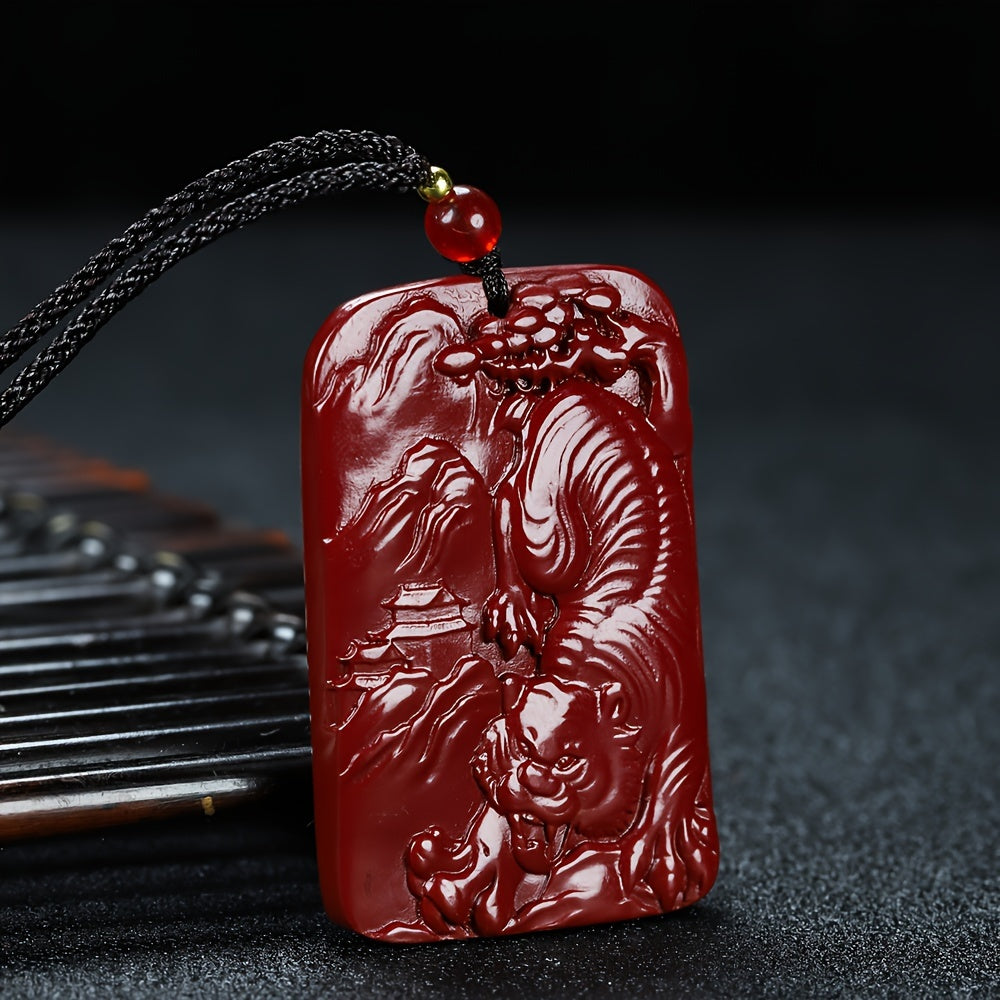
The Purple Golden Pyrite Square Tiger Pendant with Red Cinnabar represents more than just jewelry—it's a microcosm of Chinese cosmological wisdom, a portable power object, and a personal connection to celestial rhythms. In wearing such a piece, we literally adorn ourselves with the cosmos, carrying animal wisdom, elemental balance, and protective energy as we navigate daily life.
This synthesis of ancient symbolism and contemporary craft speaks to a deeper human need—to feel connected to something larger than ourselves while expressing personal identity. The zodiac provides a framework for this connection that is both structured enough to provide guidance and flexible enough to accommodate individual interpretation.
As spiritual seekers in an increasingly complex world, zodiac jewelry offers a tangible link to natural cycles, archetypal wisdom, and cultural heritage. Whether one approaches it as cultural tradition, psychological tool, spiritual practice, or simply beautiful adornment, these pieces continue to serve their ancient purpose: to guide, protect, and remind us of our place in the great celestial dance.
The Tiger's courage, the Dragon's vision, the Rabbit's diplomacy—these are not just animal traits but human possibilities. In wearing their symbols, we invoke these qualities within ourselves, participating in the ancient alchemy of self-transformation through symbolic engagement. The celestial menagerie continues its endless cycle, and through zodiac jewelry, we wear our part in that eternal story.

"Contemporary zodiac jewelry represents a fascinating synthesis of ancient cosmology and modern psychology. Where traditional pieces focused primarily on auspiciousness and protection, modern interpretations incorporate psychological archetypes, personal development concepts, and holistic wellness principles. A Tiger pendant today isn't just about warding off evil spirits—it's about accessing one's inner courage, setting healthy boundaries, and embracing personal power. This evolution reflects how ancient symbolic systems remain relevant by adapting to contemporary understandings of self and spirituality."