





Choosing Composure: A Dialogue on Hesitation, Boundaries, and the Fear of Being Misunderstood
Are you drawn to this for its meaning, or hesitant because of what others might assume? A reflective conversation on choosing symbols for private orientation in a public world.
It starts as a flicker of attraction, then settles into a low, persistent hum of hesitation. You see the image—a cloud, a buckle, silver—and something in you leans in. But the leaning is cautious. There’s a second thought, not far behind the first: What would wearing this say about me? The question isn’t about aesthetics. It’s about semantics. In a world where every symbol comes pre-loaded with public meaning—spiritual, cultural, political—choosing to wear one feels less like self-expression and more like entering a conversation you didn’t start. Am I hesitating because I’m unsure—or because I care? Perhaps the hesitation itself is the first, honest piece of data. It signals a boundary, a place where your private resonance meets your public self-image, and they don’t quite align.
This isn’t about making the “right” choice. It’s about understanding the friction. The object in question is quiet, substantial, rooted in a specific cultural lineage but refusing to shout about it. The very qualities that attract you—its weight, its restraint, its ancient-modern ambiguity—are also the source of the tension. To wear it is to potentially be seen as someone interested in “Eastern philosophy,” or “minimalist design,” or “spiritual wellness.” And maybe you are, in some way. But maybe those labels feel too narrow, too performative, or just… not quite it. Maybe you just like the way it looks and feels, and resent the expectation to have a story ready. The hesitation lives in that gap between the simplicity of your attraction and the complexity of social perception.
On Permission and the Need to Understand
One layer of the hesitation asks about qualification. Do I need to understand a symbol before wearing it? Must you be a scholar of Daoist art to wear a cloud? Must you have a deep practice of inner peace to wear a buckle that symbolizes it? The question of permission is often where we get stuck. We outsource the authority to decide what we’re “allowed” to connect with—to cultural gatekeepers, to imagined purists, to the fear of appropriation.
The object itself suggests this. The cloud is openwork—a frame, not a solid picture. It invites you to look through it, to see what’s on the other side, which is ultimately your own life, your own skin. The buckle is a closure, but it’s not locked. It’s a symbol of holding together, but the act of fastening is implied, not enforced. Wearing it might be less about claiming an understood meaning and more about engaging with a form that suggests certain qualities—openness, structure, a balance between them. Can a symbol be personal without being private? Perhaps it becomes personal precisely in how you navigate its public dimensions, in the quiet, internal reasons you have for choosing it that no one else needs to validate or even know.
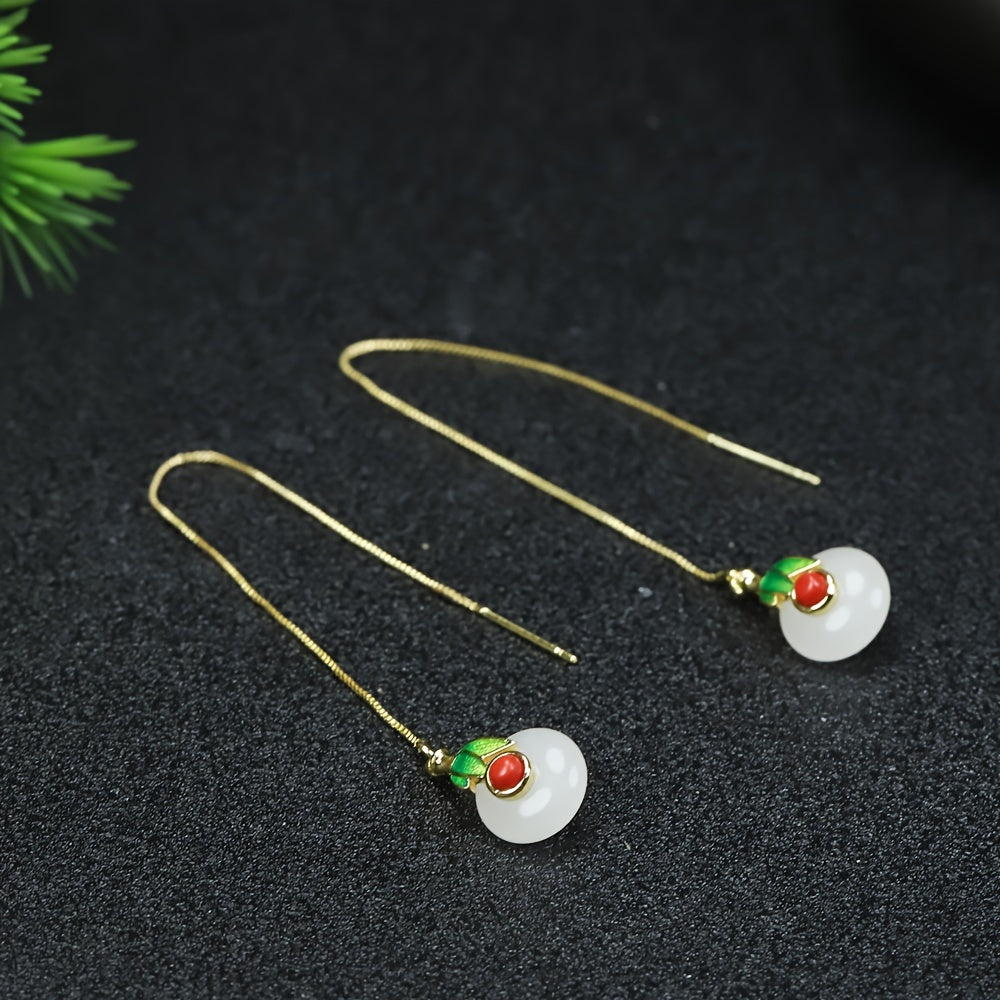
The open frame: a symbol that invites looking through, not just at. Its meaning is relational.
Contemplate the Form →On Visibility and the Burden of Explanation
Then there’s the social layer. Will people assume something about me because I wear this? Almost certainly. People will assume you like it. Some might assume you’re into “spiritual things.” Others might see it as a stylish geometric piece. A few might recognize its references and have opinions. The fear isn’t always of negative judgment; sometimes it’s the burden of unwanted conversation, of having to explain or defend a choice that, for you, may be fundamentally wordless.
This is where the object’s physicality offers a kind of answer. Its weight is a private experience. The cool transition to warmth on your skin is a silent conversation between your body and the metal. These are sensations that cannot be interrogated. They belong only to you. You might find that wearing it, over time, shifts the internal question from “What does this say about me?” to “What do I notice when I wear this?” The focus moves from external projection to internal perception. The symbol becomes less about communicating an identity to others, and more about orienting your own awareness.
The Motivation Check: What Are You Actually Choosing?
Beneath the social hesitation lies a more intimate one. Am I wearing this to express something—or to compensate? Is it a reminder of a quality I wish to cultivate (composure, patience, inner rhythm), or a substitute for the hard work of cultivating it? This is the sharpest question, and the most important. There is no wrong answer, only clarity or confusion.
An object can be a wonderful support for practice—a tactile reminder, a training weight for attention, as discussed elsewhere. But it cannot do the practice for you. The hesitation you feel might be an honest check-in: are you expecting the object to confer a state, or are you inviting it to accompany you in the messy, non-linear process of seeking that state? The former sets you up for disappointment (the earring is just silver, after all). The latter opens a path for a genuine, evolving relationship.
What am I actually choosing when I choose this? You might be choosing a question, not an answer. You might be choosing a companion for a specific kind of inner work. You might simply be choosing a beautiful, well-made object that pleases your eye and your hand. The hesitation asks you to look. And in looking, you might find that your motivation isn’t pure or singular—it’s a blend of aesthetic pleasure, symbolic resonance, and a hopeful, human desire for a little more grounding in a spinning world. That’s okay. That’s real.
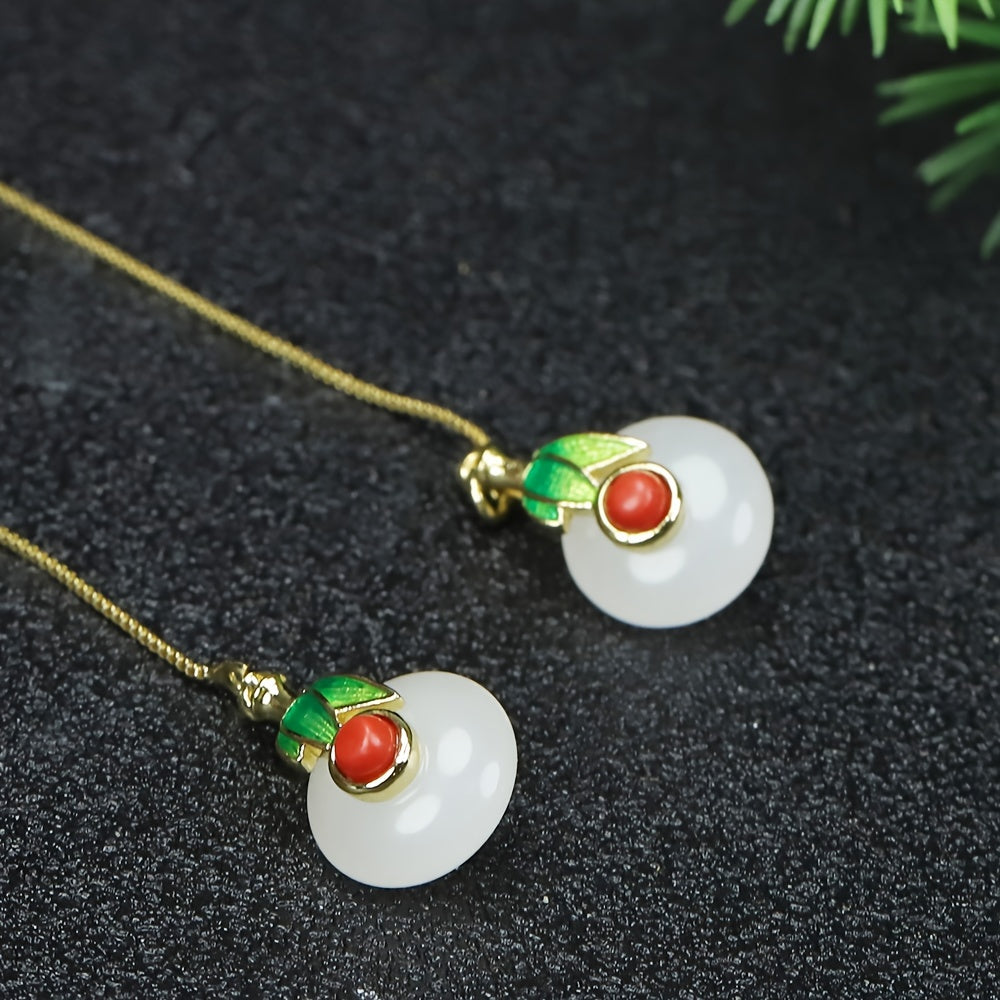
A quiet companion: integrated into a life, not defining it. The choice becomes part of the background of being.
Time, and the Unfinished Choice
Perhaps the most freeing thought is that the choice isn’t final. When worn daily, over time, the relationship changes. The initial weight becomes familiar. The shine gives way to patina. The symbol, loaded with public meaning at first, gathers private associations—you wore it during that difficult project, on that peaceful walk, through that period of change. Its meaning becomes layered with your own history. The fear of being misunderstood might soften, not because people understand you better, but because you care less about the misunderstanding. The object has done its silent work of anchoring you to your own experience.
So stand in the hesitation a moment longer. Don’t rush to resolve it. Feel its texture. Is it fear of judgment? A desire for authenticity? A simple, practical worry about whether it’s “you”? All of it is valid. The object will wait. It’s made of metal and time. And your choice, whenever and however you make it, will be just one moment in a longer, quieter dialogue between who you are, what you wear, and the space you wish to hold for yourself in a world full of noise and meaning.
There is no conclusion here, only the open-ended acknowledgment that to choose a symbolic object is to choose a kind of conversation—with yourself, with history, with the gaze of others. The composure you seek might not lie in making the perfect, unambiguous choice, but in finding a gentle peace with the ambiguity of any choice made with sincere attention.
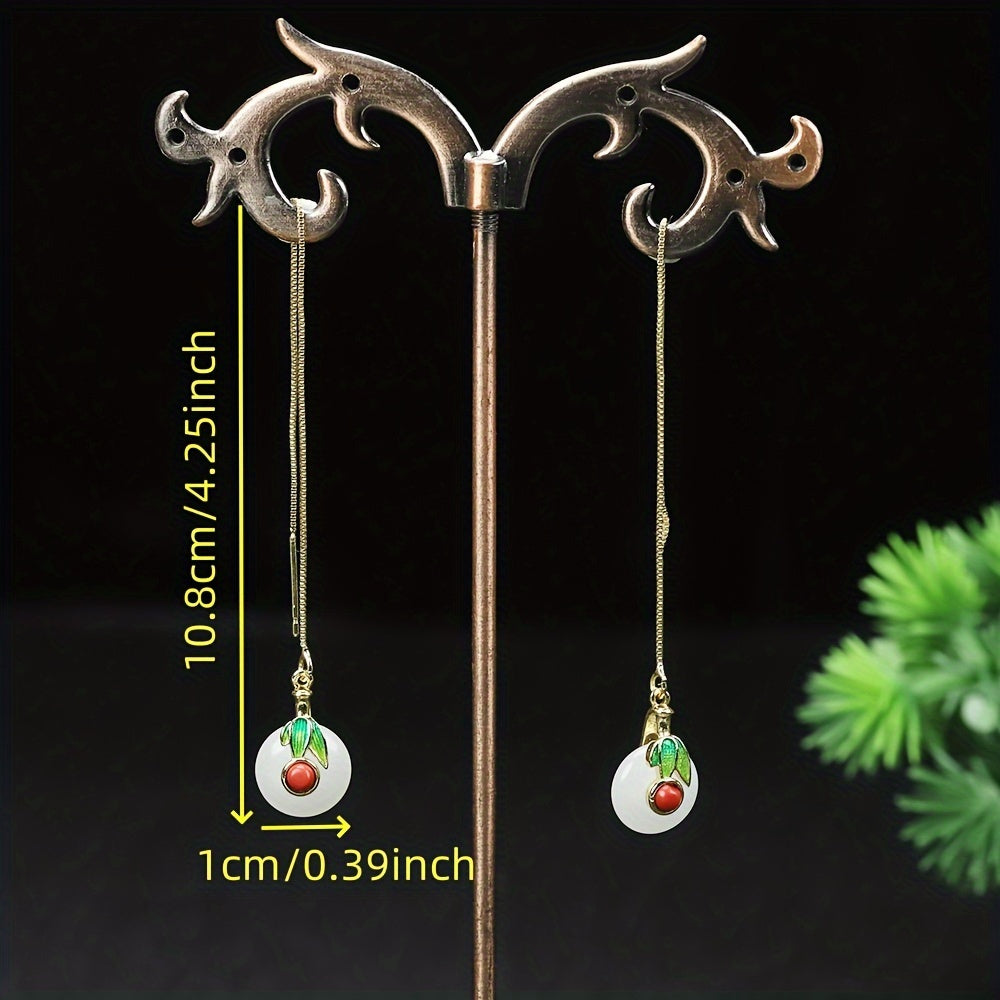
An open form, a restful pause. The dialogue continues, with or without a final word.
Enter the Dialogue →