





The Weight of Silver: How a Cold Metal Warms to the Skin and Holds a Daily Pace
Following silver from ore to lobe. This is not about properties, but about presence—the specific gravity, the slow patina, the way it cools and then disappears against skin over hours.
It begins with a sensation so common we often forget to name it: the cool touch of metal against the skin of your earlobe. In the morning, perhaps still soft with sleep, you reach for the earring. The moment of contact is a tiny, clarifying shock. Not unpleasant, but definite. A boundary. *This is not you. This is other.* For a few seconds, the silver is a distinct, cool object perched on your warm body. You feel its weight, a specific downward pull that registers in a place you don’t usually think about. Then, you turn away from the mirror and begin your day. And something quiet begins to happen. The coolness fades. The weight, while still there, integrates. The metal, bit by bit, adopts your temperature. It becomes, for all practical purposes, invisible to your conscious touch. What happened when the body first touched this material? And what happens in the long, unmarked hours after?
We speak of materials in terms of properties: density, conductivity, malleability. These are facts, but they are not experiences. The experience of silver is a narrative written in temperature and time. It is a story of arrival and assimilation, of otherness becoming companion, of a daily, miniature cycle of death and rebirth—where the bright, “new” object must “die” into patina to truly begin its life with you. This is the soul of the material. Not its chemical composition, but its capacity for relationship.
The Grammar of Weight: Mass as Message
Consider the weight first. Not as a number of grams, but as a felt quality. A feather-light stud speaks a language of discretion, of not wanting to be noticed, even by the wearer. A heavy, dangling chandelier declares drama, event, a conscious performance. The weight of the silver in these cloud and buckle earrings sits deliberately between these poles. It is substantial. It has a presence you cannot ignore in the first hour of wearing. This weight is a kind of grammar. It creates sentences in the body.
With every turn of your head, there is a slight, pendulous delay. The earring follows the motion a fraction of a second after your intention. This tiny lag is a somatic whisper. It says: *Your actions have consequences. Your movements create echoes.* In a world of instant digital response, this minute physical inertia is an archaic, grounding sensation. It slows you down, not by force, but by gentle, metallic persuasion. You might find yourself moving with a little more deliberation, your gestures taking on a slight, unconscious dignity. The weight isn’t a burden; it’s a teacher of pace.
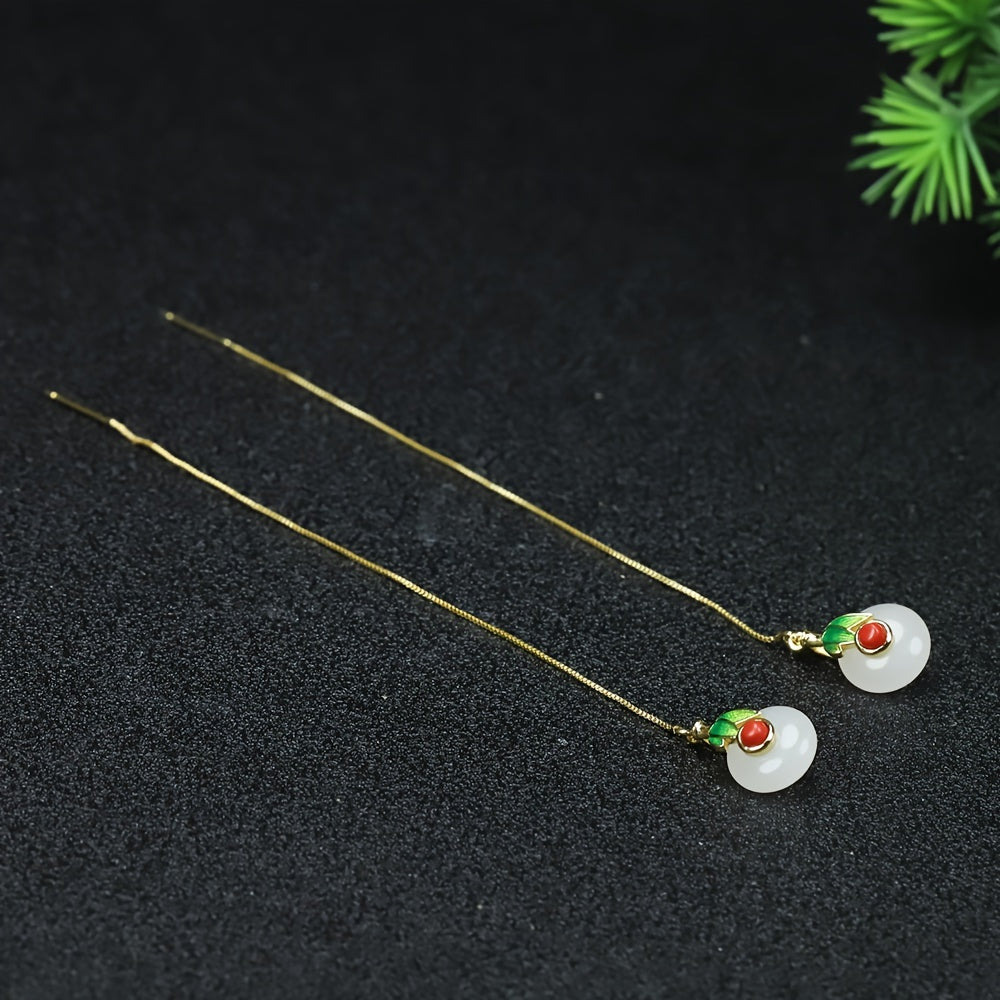
The substance of silver: a deliberate mass that communicates through the body’s own kinesthetic sense.
Feel the Weight →The Narrative of Temperature: From Shock to Silence
Silver conducts thermal energy with an eager efficiency. This scientific fact becomes a personal prologue every time you wear it. The initial coolness is a punctuation mark. It separates the act of dressing from the state of being dressed. It is a moment of acute awareness of the object as object. This coolness can serve as a reset button. On a flustered morning, that brief shock to the earlobe can be a sensory anchor, pulling you out of spiraling thoughts and into the simple, present reality of your body.
Then, the assimilation begins. The heat from your skin travels into the metal. The silver doesn’t just get warm; it becomes a reservoir of your own body’s warmth. This is a silent, intimate transaction. The metal that was “other” becomes an extension of your own thermal field. It disappears from conscious notice. This cycle—cool to warm, distinct to integrated—mirrors the pattern of any true companionship. Initial distinctness, followed by a gradual, comfortable merging where the presence is felt not as intrusion, but as support.
And what of the times you don’t wear it? Left on the nightstand, the silver returns to room temperature. It becomes neutral, waiting. Its next encounter with your skin will begin the story anew. This is not a flaw; it’s a promise of renewal. The material offers a fresh start with each wearing, a small, reliable ritual of re-acquaintance.
Patina: The Material’s Memory of Time
If the daily cycle of temperature is a short story, patina is the novel. Brand new, polished silver is bright, reflective, almost loud in its brilliance. It speaks of beginnings. But silver is a living metal. It reacts with sulfur in the air, with the salts and oils of your skin. Slowly, inevitably, it begins to darken. First in the crevices—the delicate, hand-sawn valleys of the cloud openwork, the joint where cloud meets buckle. A soft, grey shadow appears.
This is not tarnish, in the sense of decay. This is patina. It is the material’s way of recording time and experience. It is a visual log of the atmospheres it has passed through—the humidity of a summer day, the dry heat of a winter room, the unique chemistry of your own skin. A forced, uniform polish erases this record. It returns the object to a state of false innocence, denying its lived history.
To allow a patina is to collaborate with time. It is to accept that the object, like you, is changed by experience. The darkening in the recesses highlights the raised edges, making the craftsmanship more visible, more nuanced. How does a symbol age with its wearer? It ages like this: not by wearing out, but by wearing in. It gathers a depth of character that pure shine can never possess. The bright newness was a potential. The patina is the fulfillment.
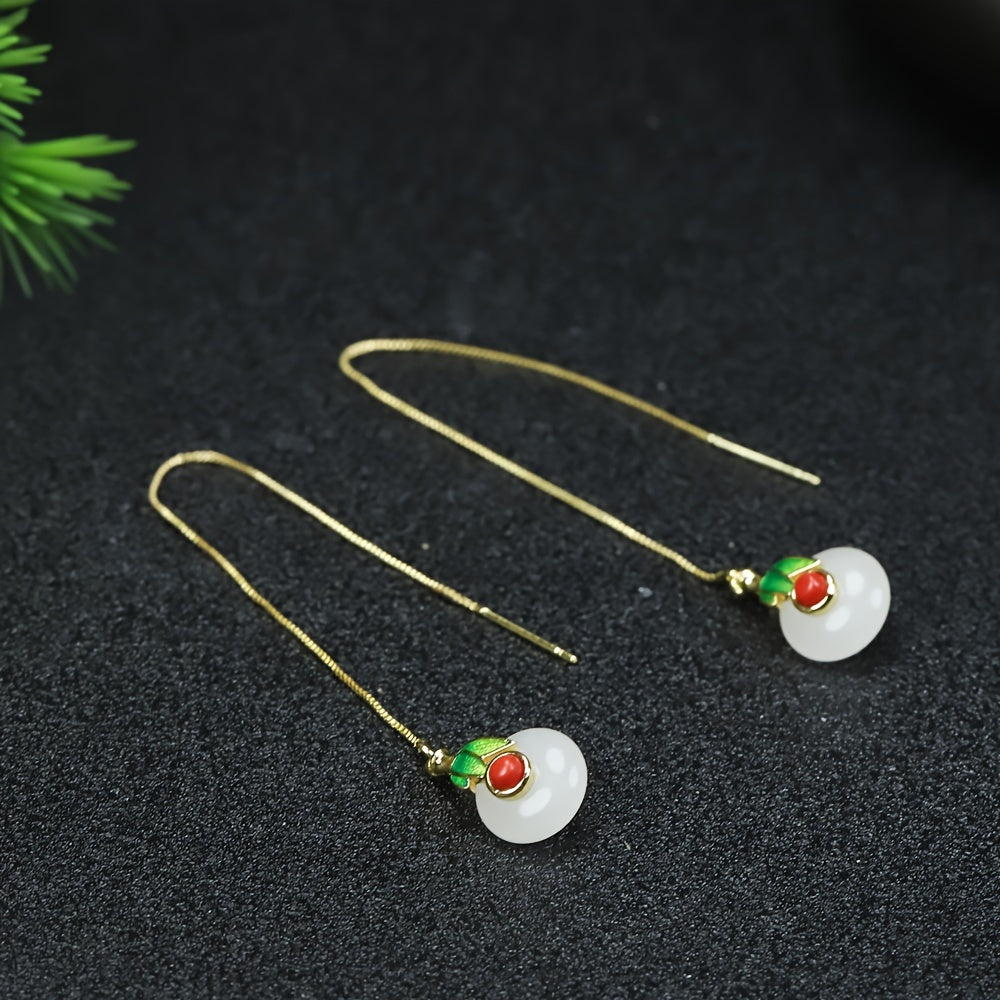
The architecture for patina: intricate spaces where time and air will write their slow, dark poetry.
The Sound of Presence: A Private Acoustics
There is another, often overlooked dimension: sound. When you move, substantial pieces of metal may touch each other. The cloud might tap softly against the buckle. It’s not a jingle, but a muted, low-frequency *tok*. This is a sound primarily for you. It’s an auditory confirmation of your own motion, a private percussion section to your daily rhythm. In a quiet room, reaching for a book, you hear it. It marks the gesture. It makes you the composer of a tiny, metallic melody. This sound reinforces the material’s presence in a way that sight and touch cannot. It reminds you that you are wearing something that occupies not just space, but the very air around you.
From Ore to Lobe: A Biography of Touch
To hold a finished piece of silver jewelry is to hold the end point of a long narrative of transformation. It began as an ore, buried in rock, inert. Fire and force separated it. It was melted, poured, rolled, drawn into wire. Then, human hands—in this case, a craftsman’s hands—took over. They sawed the cloud shape, not with a laser’s perfect indifference, but with the slight, human variations of a piercing saw. They forged the buckle, hammering form into metal. They soldered the join, a moment of permanent commitment where two separate entities become one.
Every stage imbued the metal with a different kind of energy: volcanic, industrial, artistic. When you touch the finished earring, you are touching all of those moments condensed. The smooth curve of the hook holds the memory of being drawn through a die. The matte finish holds the memory of a tumbling barrel full of tiny stones. The slight, imperfect beauty of the hand-sawn edge holds the memory of a focused breath in a workshop.
Can an object hold meaning without fixing it? Silver does. Its meaning is not a static symbol etched on its surface. Its meaning is its behavior. Its willingness to conduct your warmth. Its gradual acceptance of time’s mark. Its quiet sound as you move. Its weight that teaches your body a slower rhythm. The meaning is emergent, relational, and deeply personal. It is not in the silver itself, but in the silent dialogue between its enduring material soul and your own fleeting, warm, alive one.
So, when you put them on tomorrow, pause for that first cool shock. Feel the weight settle. And know that you are not just adorning yourself. You are entering into a pact with a material that will remember the day in its own slow, darkening way, and will, in turn, help you remember what it feels like to be present, weighted, and moving through your own time.
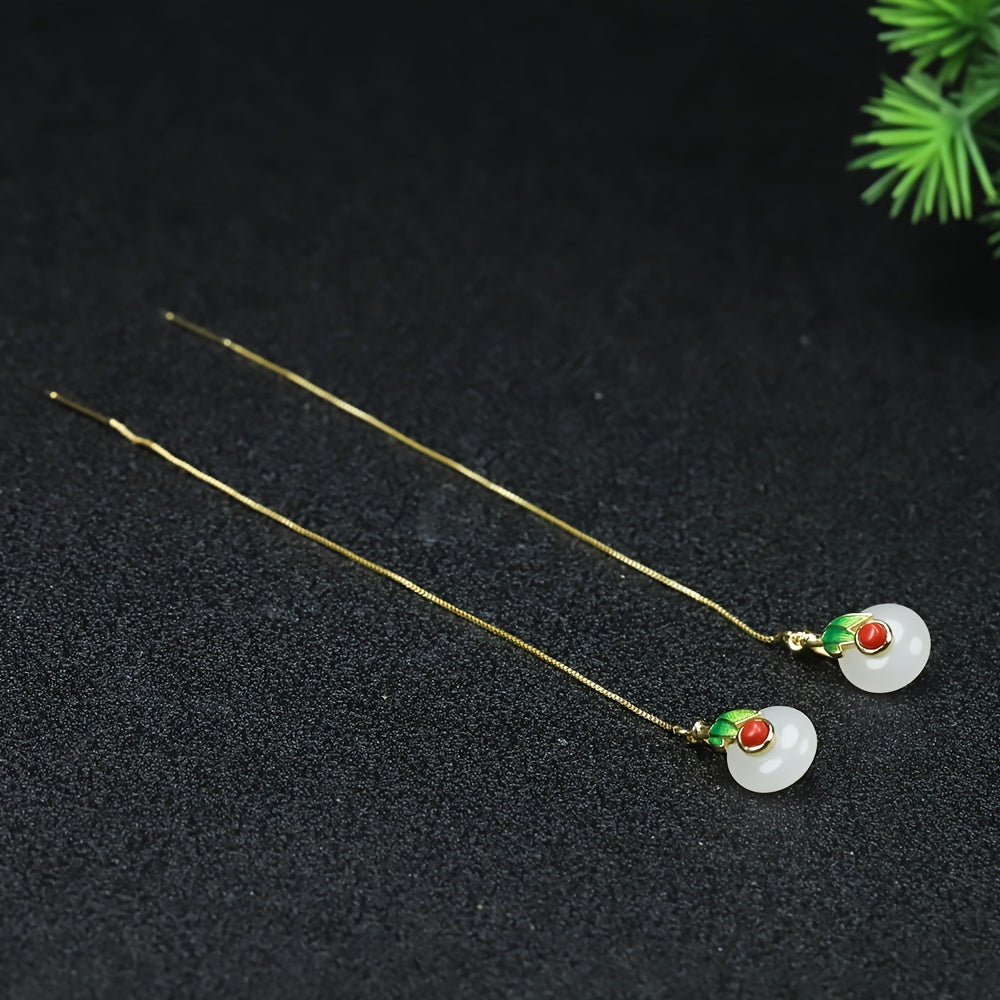
A moment of rest. The material holds its potential, waiting for the next chapter of warmth and wear.
Explore the Material Dialogue →