

The Quiet Accumulator
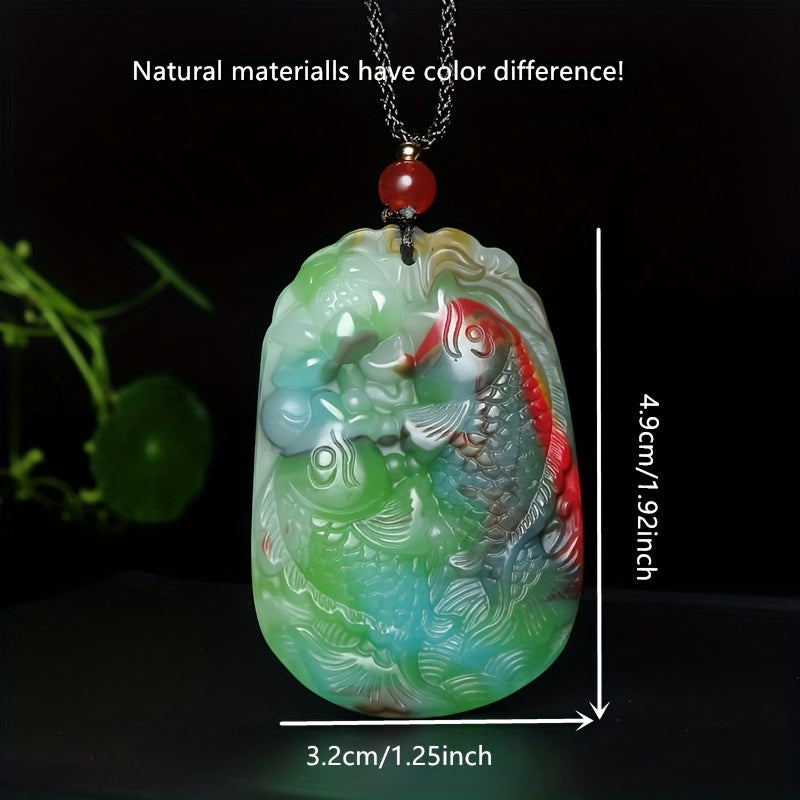
You're at a party, maybe a work event. Everyone is circulating, making connections, exchanging business cards and social media handles. You find yourself near the bookshelf, running your finger along the spines of books you'll never read. Your hand goes to your chest, finds the stone fish pendant. It's warm from your skin, smooth in some places, rough in others. You're not thinking about networking. You're thinking about the texture of time.
Some people collect experiences like trophies. They chase the extraordinary—the mountain summit, the foreign city, the life-changing workshop. The Quiet Accumulator collects something different: the space between experiences. The moment after the alarm goes off but before you get out of bed. The pause in conversation when neither person knows what to say next. The quality of light at 4 PM in November.
This archetype doesn't wear jewelry to be seen. They wear it to remember. The weight of a pendant becomes a record of days. The slight tarnish on a ring becomes evidence of hand-washing, of cooking, of living. The tiny scratch on a bracelet marks that time you reached for something and brushed against a rough surface.
You might notice this pattern in yourself: you don't buy things impulsively, but when you do buy something, you wear it almost daily. It becomes part of your landscape. The stone fish isn't an accessory you switch out with your outfit; it's a companion that accumulates meaning through repetition. Monday morning: cool against your skin. Wednesday afternoon: warmed by your body heat. Friday evening: slightly tarnished from the week's activities.
The Quiet Accumulator understands that value isn't measured in rarity or price, but in frequency of use. The most valuable object is the one you reach for without thinking, the one that becomes part of your daily rhythm. Its worth increases not because it becomes more monetarily valuable over time, but because it collects more moments.
In a culture that celebrates the new—new experiences, new possessions, new versions of yourself—the Accumulator finds richness in what remains. The same stone pendant, worn day after day, becomes a record of all those days. Its slight imperfections become a map of your life: that tiny chip might have happened when you were gardening last spring; that smoother patch developed from months of your thumb finding the same spot when you were thinking.
This archetype often hesitates before acquiring new things. The hesitation isn't about cost; it's about capacity for relationship. Will this object become a true companion, or will it remain a stranger in your drawer? Will it accumulate moments with you, or will it stay pristine and unused?
When you see someone wearing the same piece of jewelry every day, you might be looking at a Quiet Accumulator. They're not making a fashion statement; they're engaged in a slow, private conversation with time. The object serves as a physical record of days lived, of mornings survived, of evenings appreciated.
The stone fish pendant, with its natural variations and unpolished surface, is particularly suited to this archetype. It doesn't pretend to be perfect. It doesn't hide its history. Each color variation tells a story of geological time; each rough patch speaks of authenticity over polish. The Accumulator recognizes this as truth: life isn't polished. It's textured, varied, marked by time and use.
In a world that often feels too loud, too fast, too demanding of constant novelty, the Quiet Accumulator finds solace in repetition. The same pendant, worn again today. The same ritual of putting it on in the morning. The same comfort of its weight throughout the day. This isn't stagnation; it's depth through repetition.
The Accumulator's Relationship with Time
Time moves differently for the Accumulator. While others measure time in milestones—promotions, weddings, vacations—the Accumulator measures it in micro-moments. The way sunlight falls across a table at 3 PM. The particular silence of a house when everyone else is still asleep. The feeling of a stone warming to skin temperature over the course of an hour.
This relationship with time affects how objects are chosen and worn. The Accumulator isn't looking for something that will be trendy this season; they're looking for something that will still feel right in five years. The test isn't "Does this look good?" but "Will I still want to wear this when I'm having a bad day? When I'm tired? When I'm alone?"
The stone fish pendant passes this test because of its simplicity. It doesn't demand attention. It doesn't shout its meaning. It simply exists, a quiet presence that becomes more meaningful the longer it's worn. After six months, it's not just a pendant; it's a record of six months of mornings, of commutes, of quiet moments.
Some people might look at the Accumulator's consistent choice and think "they never change their jewelry." But the Accumulator knows the jewelry changes even if it's the same piece. The stone develops a patina from skin oils. The chain softens from constant wear. The pendant becomes smoother in the spots where fingers most often touch it. The object evolves through use, becoming a physical diary of days lived.
This archetype often feels out of sync with consumer culture. Black Friday sales, limited edition releases, seasonal collections—these hold little appeal. What matters isn't novelty, but depth of relationship. A single well-chosen object, worn consistently, becomes more valuable than a collection of rarely-worn pieces.
The Accumulator might notice something interesting: the longer they wear something, the less it feels like an accessory and the more it feels like part of their body. Taking it off at night feels strange, like removing a part of themselves. Putting it on in the morning feels less like getting dressed and more like becoming complete.
This isn't dependency; it's integration. The object has become woven into the fabric of daily life, a touchstone that grounds the Accumulator in their own experience. When everything else is changing—jobs, relationships, living situations—this one constant provides a subtle anchor.
The fish shape becomes interesting in this context. Fish swim through changing waters but remain themselves. The Accumulator moves through changing circumstances but maintains a core consistency. The pendant becomes a physical reminder of this continuity: same stone, different days. Same self beneath different experiences.
In a society that often equates growth with accumulation of new things, the Quiet Accumulator offers a different model: growth through depth of engagement with a few chosen things. The relationship deepens over time. The meaning accumulates. The object becomes richer not because its market value increases, but because its personal significance does.
When choosing objects, the Accumulator listens for a quiet resonance. Does this feel like it could become part of my daily life? Does it have the simplicity to withstand repeated wearing? Does it have the substance to accumulate meaning over time? The stone fish, with its geological history and unassuming presence, often answers yes.
The Accumulator's Companion
For those who value depth over novelty, consistency over change.