





The Composed: The Archetype Drawn to Boundaries, Not Breakthroughs
Not everyone seeks transformation. Some seek steadiness. We explore the Composed archetype—those who value rhythm over revolution, and choose objects that ground rather than elevate.
You see it in the way they enter a room. Not with a flourish, but with a calibrated presence. They find the corner near the window, not the center of the space. In conversation, they are the ones who listen a beat longer than necessary before offering a reply that is often quieter, but lands with a distinct weight. They are not the life of the party, nor are they wallflowers. They are the calm in the eye of the storm that is modern life—a storm they did not create, but have learned to navigate with a particular, inward grace. And if you look closely, you might notice a detail: a pair of earrings that are not sparkly, but substantial. Not shouting for attention, but possessing a quiet gravity. A silver cloud, a squared buckle. What kind of person would understand this immediately rather than just be attracted? This is the Composed.
Our cultural narratives are saturated with the archetype of the Transformer: the hero who undergoes a radical journey, slays dragons (internal or external), and emerges reborn. We are told to seek breakthroughs, epiphanies, life-changing moments. But what of those for whom the deepest value lies not in shattering the old self, but in cultivating a steady one? Not in climbing a mountain, but in building a reliable shelter at its base? The Composed archetype operates from this different center. Their quest is not for peak experiences, but for sustainable rhythm. Their power lies not in expansion, but in containment. And the objects they choose are not talismans for change, but tools for centering.
The Sovereignty of the Inner Chamber
For the Composed, the primary territory is interior. Their sense of self is not a flag to be planted on external summits, but a chamber to be curated, known, and protected. This is not introversion in a shy sense; it is introversion as a philosophical stance. The world is full of noise, demands, and fragmenting stimuli. The Composed archetype instinctively builds and maintains an inner quietude as a necessary counterweight. They understand that reactivity—the immediate, unprocessed response to external events—is a form of slavery. Their freedom is found in the pause between stimulus and response.
This is why they might be drawn to objects with weight. The physical sensation of something substantial on the body—like the deliberate mass of a silver earring—acts as a somatic anchor. It literally grounds them, providing a constant, subtle feedback loop that says, “You are here, in your body, not scattered in a thousand digital or social directions.” The object becomes a boundary marker for the self. It says, “This is where I end, and the chaos begins.” It is a wearable moat.
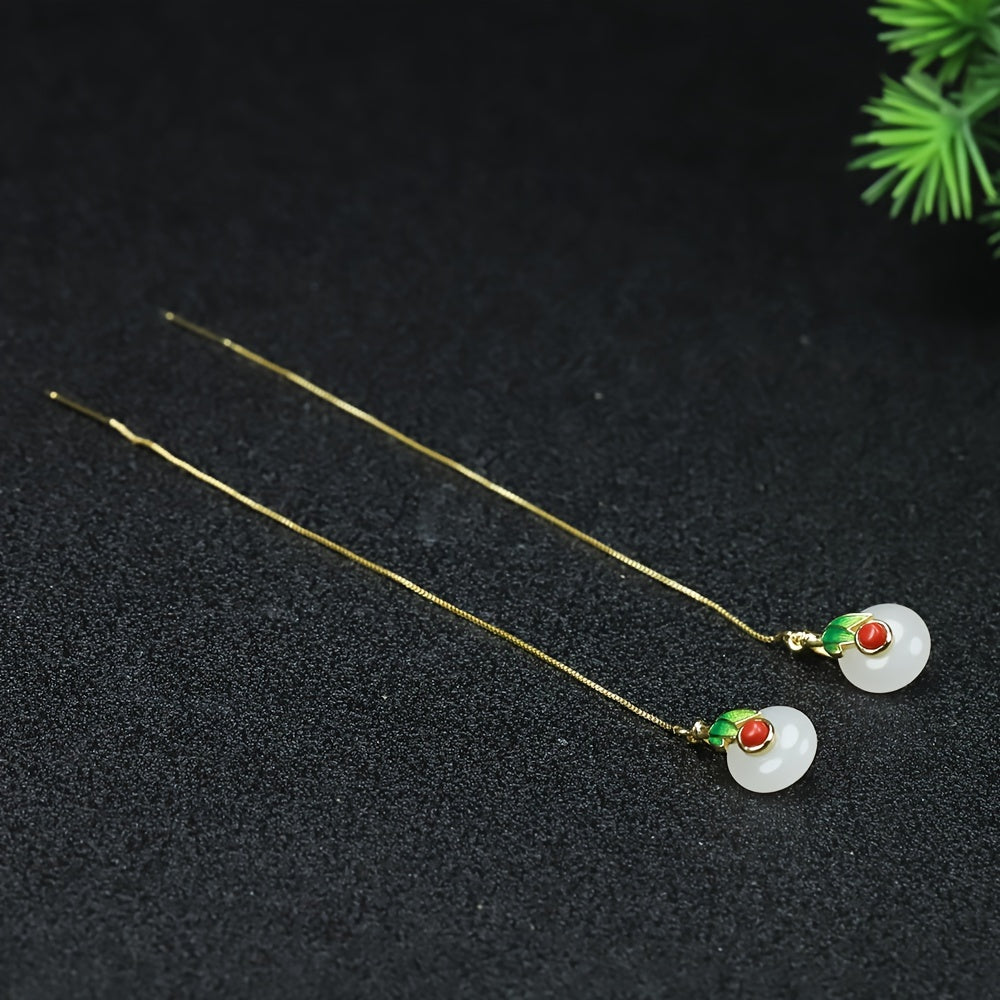
An object of quiet presence: not designed to dazzle, but to demarcate a space of calm attention.
See the Object of Composure →Rhythm Over Revolution: The Practice of the Pause
While the Revolutionary seeks to overthrow the existing order (internal or external), the Composed seeks to establish a reliable cadence within it. Their transformative work is incremental, almost invisible. It looks like the daily practice of returning to the breath. It looks like choosing not to engage in a fruitless argument. It looks like the consistent, gentle enforcement of a personal boundary.
An object like the cloud and peace buckle earring supports this practice. The cloud, a symbol of perpetual transition, is here anchored by the buckle, a symbol of closure and holding. Wearing it can be a private reminder: “You can acknowledge the flowing, changing nature of reality (the cloud) without being swept away by it. You can choose where to fasten your attention (the buckle).” The act of putting them on in the morning can become a ritual of setting intention: today, I will move at my pace. I will respond, not react. The weight on the earlobe during a stressful meeting becomes a tactile cue to find that inner pause before speaking.
Is daily wear a form of practice—or forgetting? For the Composed, it is the former. The object is not a magical amulet that does the work for them. It is a training weight. Its constant, gentle reminder helps turn conscious effort into unconscious competence. Over time, the need for the reminder may fade, but the object remains as a companion, a testament to the rhythm that has been built.
The Aesthetics of Restraint: Form as Ethos
The Composed archetype often expresses itself through an aesthetic of restraint. This isn’t minimalism as a trendy style, but as an ethical and psychological necessity. Extraneous decoration feels like noise. Ornate, flashy jewelry can feel like a demand for attention they have no wish to fulfill. They are drawn to forms that are clear, considered, and that carry their meaning in their structure, not in added ornament.
The openwork cloud is a perfect example. Its beauty is in its negative space, in what it removes. It is a defined form that is also permeable. This mirrors the Composed individual’s relationship with the world: they have clear boundaries (the silver wire), but those boundaries are not solid walls; they allow for exchange, for perception, for breath (the open spaces). The peace buckle is geometrically simple, almost severe in its clarity. It doesn’t try to be anything other than what it is: a functional form abstracted into a symbol of stability. This aesthetic resonance is profound. The object feels “like them” because its design philosophy matches their life philosophy.
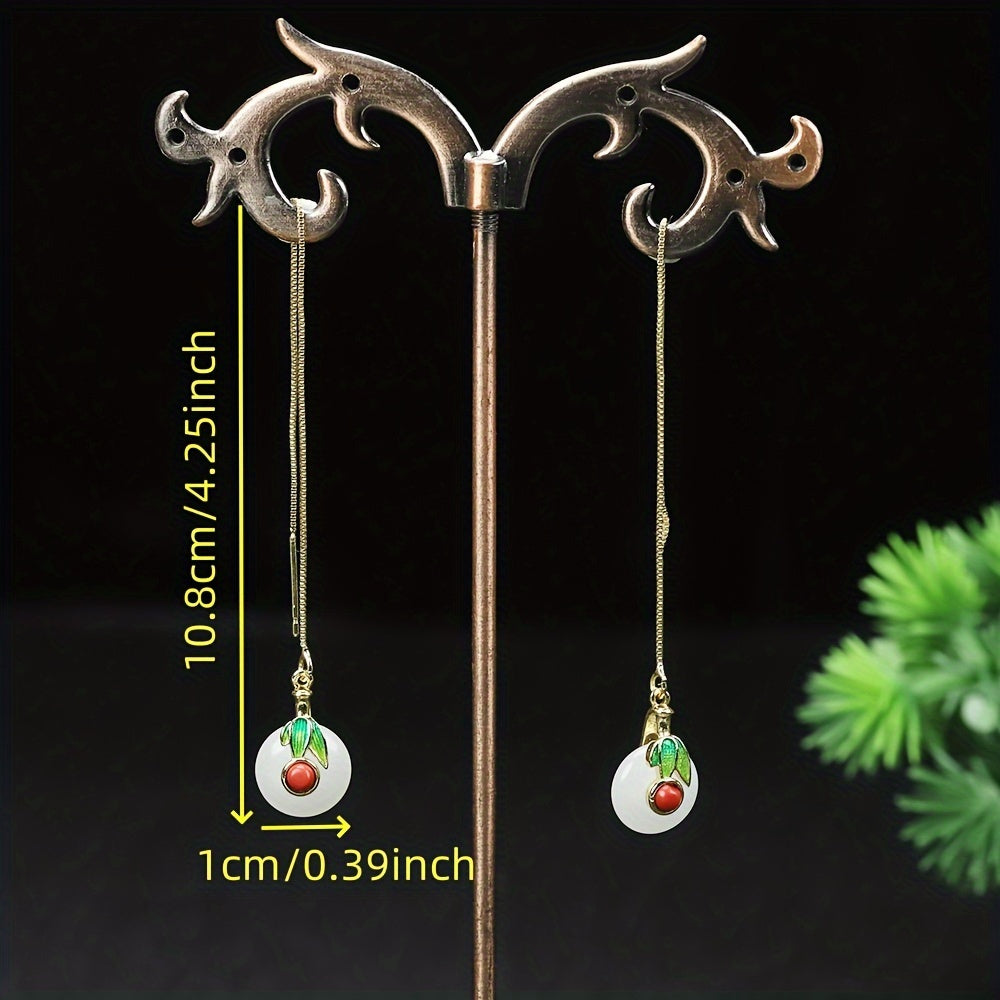
The dialogue of forms: structured buckle, open cloud. An aesthetic of deliberate balance and permeable boundaries.
Navigating Misunderstanding: The Composed in a Loud World
The Composed archetype is frequently misunderstood. In a culture that celebrates extroversion, their quiet can be misread as aloofness, shyness, or a lack of passion. Their preference for boundaries can be perceived as coldness or rejection. This is where the symbolic object can serve a subtle, secondary function. It can act as a filter.
Someone who is drawn to the flashy and obvious may overlook these earrings entirely. But another Composed individual, or someone with an appreciation for quiet depth, might notice them and recognize a kindred spirit. Can someone wear this quietly, without needing to be seen? Absolutely. And yet, in being worn quietly, it may still be seen by the right eyes. It becomes a non-verbal signal, a badge of membership in a tribe that doesn’t seek tribes. It says, “I value the interior world. I am practicing presence.” This can alleviate a subtle loneliness, the feeling of being out of step with a world constantly shouting its affirmations and transformations.
Not a Lack, But a Different Kind of Strength
It is crucial to understand that the Composed archetype is not defined by a lack—not a lack of courage, passion, or ambition. Their strength is of a different order. It is the strength of the deep root, not the bright flower. It is the strength of the riverbank that contains and directs the flow, not the strength of the flood that overwhelms. In times of crisis, while others may panic or seek dramatic solutions, the Composed individual often becomes a still point of reference. Their cultivated inner steadiness becomes a resource for others, even if they never claim the spotlight.
The object they choose to wear is a partner in this strength. Its weight is a companion in grounding. Its cool metal is a reminder of clarity. Its patina over time is a record of endurance and graceful aging. It does not promise to make them unshakable, but it accompanies them in the ongoing practice of returning to center, again and again.
So, if you find yourself drawn to objects that feel more like anchors than wings, if your impulse is to deepen rather than diversify, to solidify rather than shatter, you may be recognizing the Composed within you. It is not a personality to be put on. It is a pattern of being to be respected, cultivated, and adorned not for the world’s applause, but for your own, profound, and steadying sense of being exactly who you are—boundaried, rhythmic, and quietly, unshakably present.
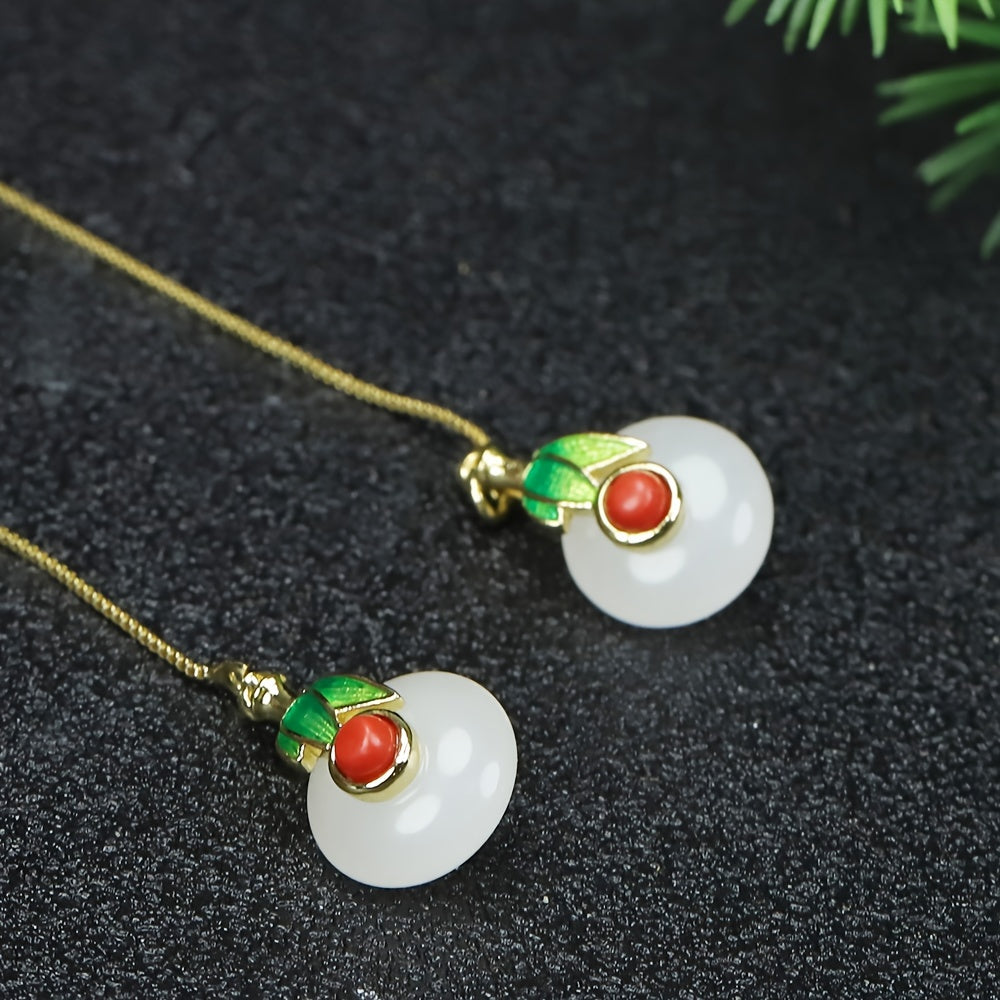
Worn composure: the object integrates into a personal landscape of calm and intention.
Recognize the Archetype →