





The Language of Blessings: How Chinese Auspicious Symbols Bridge Ancient Wisdom and Modern Life
In a world increasingly characterized by complexity and uncertainty, ancient systems of meaning offer profound solace and guidance. Among these, Chinese blessing symbols stand as a particularly rich tradition—a visual language of hope, protection, and harmony that has evolved over millennia yet remains remarkably relevant to contemporary spiritual seekers. This exploration delves into the fascinating world of Chinese auspicious characters and symbols, tracing their journey from oracle bone inscriptions to modern spiritual jewelry and home decor.
The Philosophical Foundations of Chinese Blessing Culture
Chinese blessing symbols emerge from a unique philosophical ecosystem that blends Confucian ethics, Daoist cosmology, and Buddhist spirituality with indigenous folk traditions. Unlike Western blessings that often invoke divine intervention, traditional Chinese blessings typically focus on cultivating harmonious conditions that naturally lead to positive outcomes. This represents a fundamental shift in perspective: rather than asking external forces for protection, one cultivates internal and environmental conditions that minimize danger and maximize flourishing.
This philosophy finds expression in several key concepts. The idea of 氣 (qì)—vital energy that flows through all things—understands blessings as particularly refined forms of energy that can influence other energies. The principle of 陰陽 (yīn yáng)—complementary opposites in dynamic balance—shapes how blessings often work by restoring equilibrium rather than imposing completely new conditions. The concept of 五行 (wǔ xíng)—the five elements or phases—informs why certain materials, colors, and directions enhance specific blessings.
Historical Development of Written Blessings
The use of written characters as blessings dates to the earliest Chinese writing systems. Oracle bone inscriptions from the Shang Dynasty (c. 1600–1046 BCE) already show characters being used not just for recording but for influencing reality through divination rituals. By the Zhou Dynasty (1046–256 BCE), bronze ritual vessels bore inscriptions wishing longevity, prosperity, and protection for the ruling families. The Han Dynasty (206 BCE–220 CE) saw the development of Daoist talismanic writing—highly stylized characters believed to contain celestial power.
Anatomy of a Blessing: Deconstructing "平安无事"
The Four Components of Peaceful Living
Píng: Level, Even, Peaceful
This character originally depicted weighing scales in balance. Beyond literal flatness, it represents psychological equilibrium, social harmony, and the elimination of extremes. In blessing context, it suggests cultivating inner calm that remains undisturbed by external fluctuations—the foundation upon which other blessings build.
Ān: Safe, Secure, Calm
Composed of a roof (宀) over a woman (女), this character originally denoted domestic security. It expands to include emotional safety, physical protection, and freedom from threat. In spiritual practice, it represents creating conditions where vulnerability becomes strength rather than liability.
Wú: Without, None, Absent
This simplified form of 無 carries Daoist philosophical weight. It doesn't mean mere absence but the fertile void from which all things emerge—the uncarved block of Daoist philosophy. In blessing context, it suggests not just avoiding trouble but cultivating the empty space that prevents trouble from arising.
Shì: Matter, Affair, Trouble
Originally depicting a hand holding an official seal, this character denotes affairs requiring attention. In the blessing context, it represents the unnecessary complications, bureaucratic entanglements, and trivial concerns that distract from essential living. The blessing seeks not to eliminate all activity but to minimize meaningless trouble.
Together, these four characters create what traditional Chinese thought would call a "complete formula"—addressing not just a single desire but creating conditions for holistic wellbeing. The progression moves from internal state (平) to external condition (安) to philosophical approach (无) to practical outcome (事). This structured thinking reflects the Chinese medical model that treats root causes rather than symptoms, applied here to spiritual and emotional wellbeing.
福 (Fú) - Good Fortune
Perhaps the most recognized Chinese blessing character, often displayed upside down during Lunar New Year (倒福, dào fú) to signify "fortune has arrived." Represents comprehensive wellbeing encompassing health, wealth, longevity, and happiness rather than mere material wealth.
壽 (Shòu) - Longevity
A complex character with multiple variations, often depicted in circular forms for birthdays. Represents not just long life but healthy, meaningful existence. Frequently combined with other characters in phrases like 福壽雙全 (fú shòu shuāng quán) - "both fortune and longevity complete."
囍 (Double Happiness)
Actually two 喜 (xǐ) characters combined, representing marital happiness and used extensively in weddings. The doubling creates a visual symmetry that embodies the harmonious union of complementary forces—a visual representation of yin-yang balance in relationship form.
祿 (Lù) - Prosperity
Specifically denotes official salary and career success in traditional context, but has expanded to represent dignified prosperity earned through virtuous conduct. Often depicted with deer (鹿, lù) in visual puns since they share pronunciation.
The Material Dimension: Why Medium Matters in Chinese Blessings
Traditional Chinese blessing practice recognizes that the material carrying the blessing significantly affects its potency and expression. This understanding emerges from the holistic worldview that sees no separation between spiritual intention and physical manifestation. Each material choice in blessing objects carries specific symbolic weight and energetic properties.
Jade (玉, Yù)
The supreme blessing material in Chinese culture, representing virtue, purity, and connection between heaven and earth. Confucius described jade as having eleven virtues including benevolence, wisdom, and righteousness. Blessings carved in jade were believed to carry exceptional power and longevity.
Paper (紙, Zhǐ)
Particularly red paper, used for Spring Festival couplets and Daoist talismans. Represents the ephemeral nature of human concerns contrasted with eternal spiritual truths. The act of writing blessings on paper that will eventually decay teaches non-attachment to form while honoring intention.
Wood (木, Mù)
Used for ancestor tablets and temple plaques. Represents growth, flexibility, and the organic unfolding of blessings over time. Different woods carry different elemental properties: peachwood for protection, sandalwood for spirituality, bamboo for resilience.
Stone (石, Shí)
Particularly scholar's rocks and mountain-shaped carvings. Represents permanence, stability, and the earthly anchor for celestial blessings. The natural imperfections in stone remind that true blessings often come through embracing natural variation rather than demanding perfection.
Metal (金, Jīn)
Bronze for ritual vessels, gold for imperial blessings. Represents refinement, value, and the transformation of raw material through human craft and spiritual intention. Metal blessings often involve melting and recasting—symbolizing the transformative power of spiritual practice.
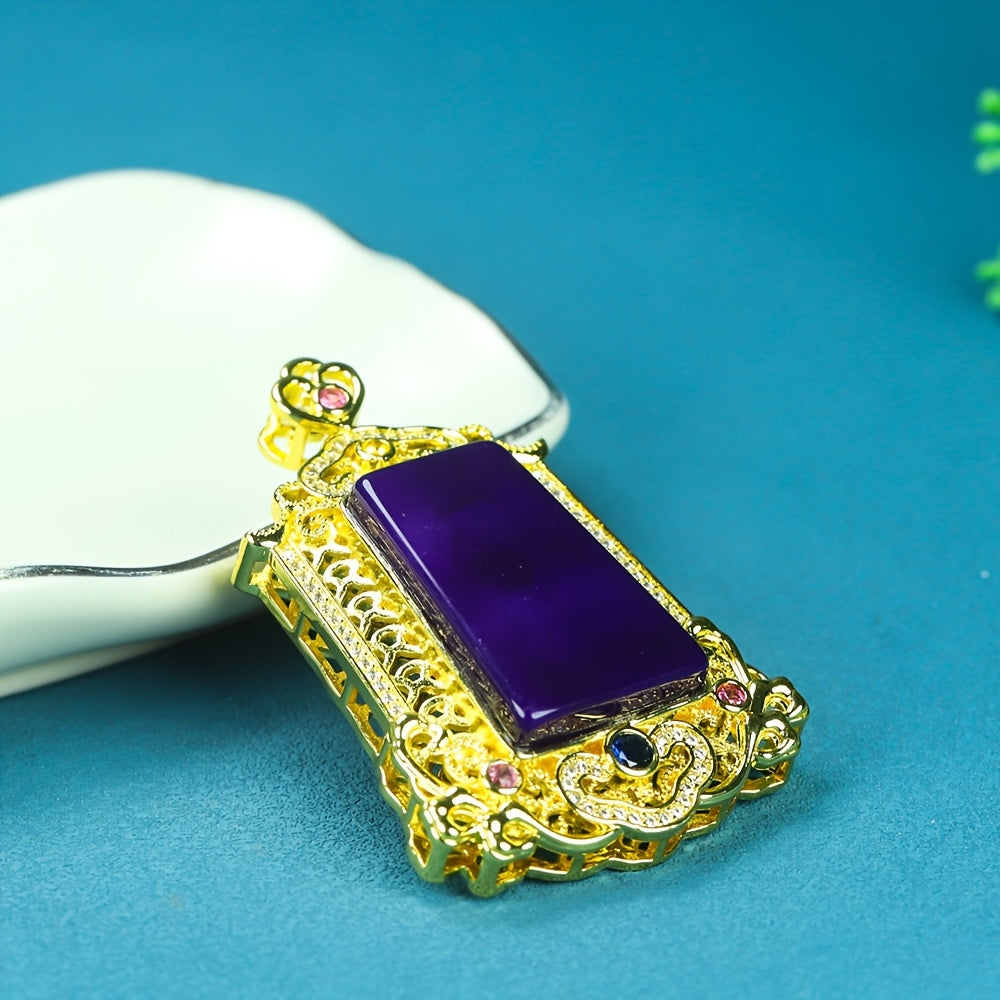
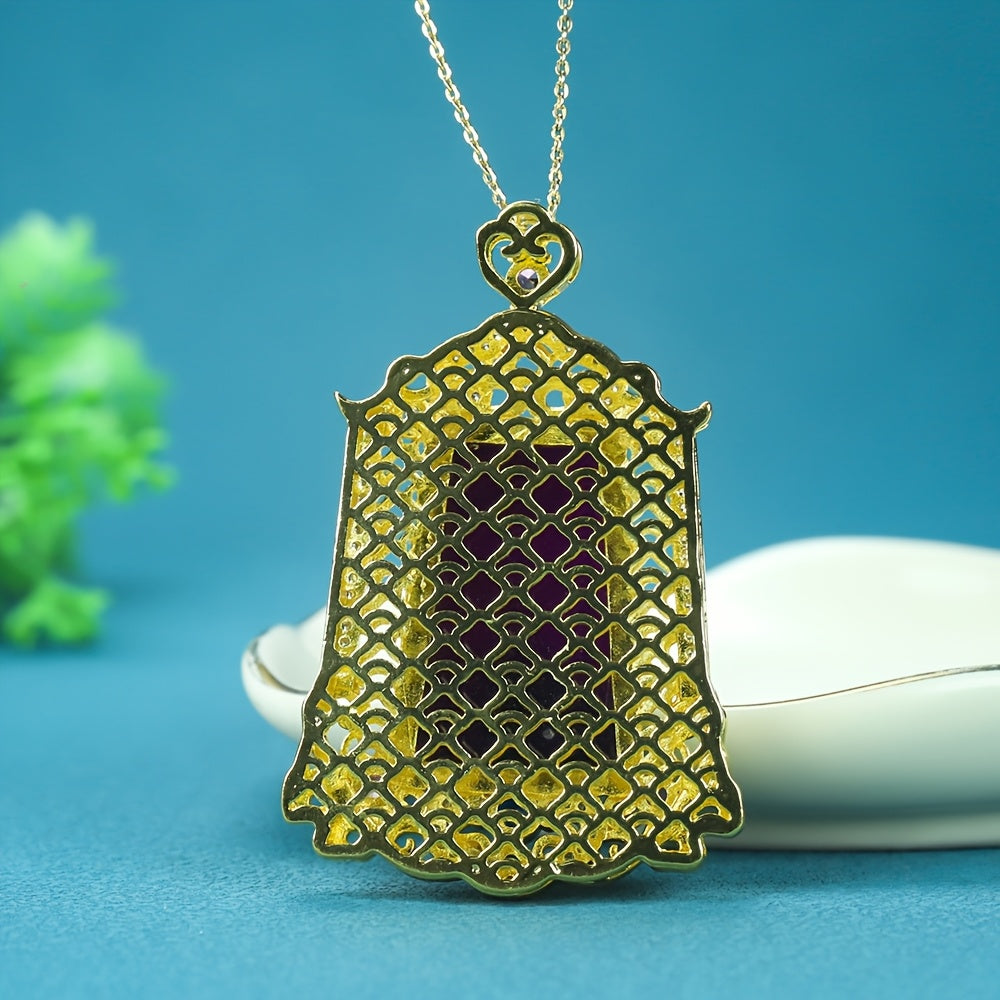
In contemporary blessing objects like the Peaceful No Trouble Pendant, these traditional material understandings merge with modern aesthetic and practical considerations. The natural stone base provides earthy grounding, the vermilion pigment carries traditional protective energy, and the vintage metal frame honors craft traditions while allowing the piece to tell its own story through natural aging. This material synthesis creates what traditional craftspeople would call a "living object"—one that continues to develop character and deepen its blessing through interaction with its environment and owner.
Contemporary Applications: From Traditional Practice to Modern Spiritual Tool
As Chinese blessing symbols enter global spiritual consciousness, they undergo fascinating adaptations while retaining core principles. Contemporary applications reveal both the flexibility of these ancient forms and the universal human needs they address.
Personal Spiritual Practice
Modern spiritual seekers integrate Chinese blessing symbols into diverse practices. Meditation practitioners use them as focal points for cultivating specific qualities—gazing at 平 to develop equanimity, or visualizing 安 to feel protected during vulnerable inner work. Mindfulness practitioners employ them as reminder objects, bringing attention back to blessing intentions throughout daily activities. Energy workers position them in personal spaces to create specific vibrational environments aligned with the blessings' meanings.
Home and Space Blessing
Feng Shui principles guide many contemporary applications of blessing symbols in domestic and workspace design. The "平安无事" blessing might be placed near entrances to protect all who enter, in bedrooms to promote restful sleep free from worry, or in offices to maintain focus amid workplace stress. The directional and elemental correspondences of traditional Feng Shui inform placement decisions, creating what practitioners call "intentional environments" where space actively supports spiritual and emotional wellbeing.
Wearable Spirituality
Blessing jewelry represents one of the fastest-growing applications of traditional symbols. Unlike purely decorative jewelry, blessing pieces function as "wearable intentions"—constant, subtle reminders of spiritual commitments. The Peaceful No Trouble pendant worn as a necklace keeps the blessing physically close to the heart chakra, energetically infusing emotional experience with peaceful qualities. As fashion and spirituality increasingly intersect, such pieces allow individuals to express spiritual identity through personal adornment.
Psychological and Neurological Perspectives on Blessing Efficacy
While traditional explanations of blessing efficacy focus on energetic principles, contemporary science offers complementary perspectives that help explain why these ancient practices remain psychologically potent.
Cognitive Anchoring and Priming Effects
Psychological research demonstrates that visual symbols can serve as powerful cognitive anchors—external reference points that help maintain focus on specific intentions or mental states. The "平安无事" characters function as what cognitive scientists call "perceptual symbols"—mental representations tied to sensory experience that can activate associated concepts and emotional states. Regular exposure to these symbols through jewelry or home decor creates what's known as "priming effects"—subtle cognitive preparation that makes peace-oriented thoughts and behaviors more accessible.
Neuroplasticity and Intention Reinforcement
Neuroscientific understanding of neuroplasticity—the brain's ability to reorganize itself—suggests that regular focus on blessing symbols might literally reshape neural pathways. Each time one notices the pendant and briefly returns to the intention of peaceful living, neural connections associated with that intention strengthen. Over time, this creates what psychologists call "implementation intentions"—automatic behavioral patterns aligned with consciously chosen goals.
Placebo and Meaning Response
The well-documented placebo effect—improvement from treatments with no active pharmaceutical ingredient—has a cousin in "meaning response," where improvement comes from the personal significance attributed to an experience or object. For those who find meaning in Chinese blessing traditions, objects like the Peaceful No Trouble pendant may trigger genuine physiological and psychological benefits through the power of culturally embedded meaning and personal belief.
Cultural Preservation and Ethical Considerations
As Chinese blessing symbols gain global popularity, important questions arise about cultural preservation, respectful adaptation, and ethical engagement with traditional knowledge systems.
Authenticity Versus Adaptation
Contemporary designers and spiritual practitioners navigate the delicate balance between preserving authentic traditional forms and adapting them for modern contexts. The Peaceful No Trouble pendant represents one approach: maintaining the essential characters and their traditional meaning while presenting them in a form that resonates with contemporary aesthetic sensibilities. This respectful adaptation allows traditional wisdom to remain vital and relevant rather than becoming museum artifacts.
Cultural Appreciation Versus Appropriation
The global spiritual marketplace increasingly recognizes the importance of engaging with cultural traditions in ways that honor their origins rather than extracting elements without context. Ethical contemporary practice involves understanding the cultural and philosophical background of blessings, supporting artisans from the traditions, and ensuring that commercial applications don't distort or trivialize sacred meanings.
Intercultural Dialogue
Chinese blessing symbols in global contexts create opportunities for intercultural understanding. As people from diverse backgrounds engage with these symbols, they often become interested in the broader philosophical systems from which they emerge—Daoism, Confucianism, traditional Chinese medicine. This creates what cultural theorists call "translational spaces" where different worldviews can interact and enrich each other without losing their distinctive characters.
Conclusion: The Enduring Power of Written Blessings
The journey of Chinese blessing symbols from ancient ritual objects to contemporary spiritual tools reveals much about humanity's enduring need for meaningful connection, protection, and hope. In an age of digital communication and virtual experience, the tangible reality of a stone pendant bearing ancient characters offers something increasingly rare: a physical anchor for spiritual intention, a crafted object that carries generations of wisdom, and a beautiful reminder of simple yet profound human aspirations.
The "平安无事" blessing particularly speaks to our contemporary moment. In a world often characterized by complexity, anxiety, and overstimulation, the wish for peaceful simplicity resonates deeply. This isn't a passive desire to avoid life's challenges but an active commitment to cultivate the inner and outer conditions that make trouble less likely to arise and less disruptive when it does.
As we move forward into an uncertain future, ancient blessing traditions offer not magical solutions but time-tested wisdom about cultivating resilience, equilibrium, and meaning. Whether approached as cultural heritage, psychological tool, spiritual practice, or simply beautiful design, these symbols continue to serve their ancient purpose: to guide, protect, and remind us of what matters most in the human journey.
The Peaceful No Trouble pendant, like all true blessings, ultimately points inward—reminding us that while we cannot control all external circumstances, we can cultivate the inner peace that transforms how we experience whatever comes. In this simple stone with its ancient characters, we find a portable sanctuary, a wearable meditation, and a small but potent declaration that amidst life's inevitable troubles, peace remains both possible and worth cultivating.

"What we're witnessing is the democratization of blessing technology. Where traditional Chinese blessings were often mediated by specialists—calligraphers, priests, imperial officials—contemporary practice puts this power directly in individual hands. The Peaceful No Trouble pendant isn't just a beautiful object; it's a personal spiritual tool that allows anyone to engage with ancient wisdom without needing specialized cultural knowledge. This accessibility represents a significant evolution in how blessing traditions function in global spiritual ecology."