





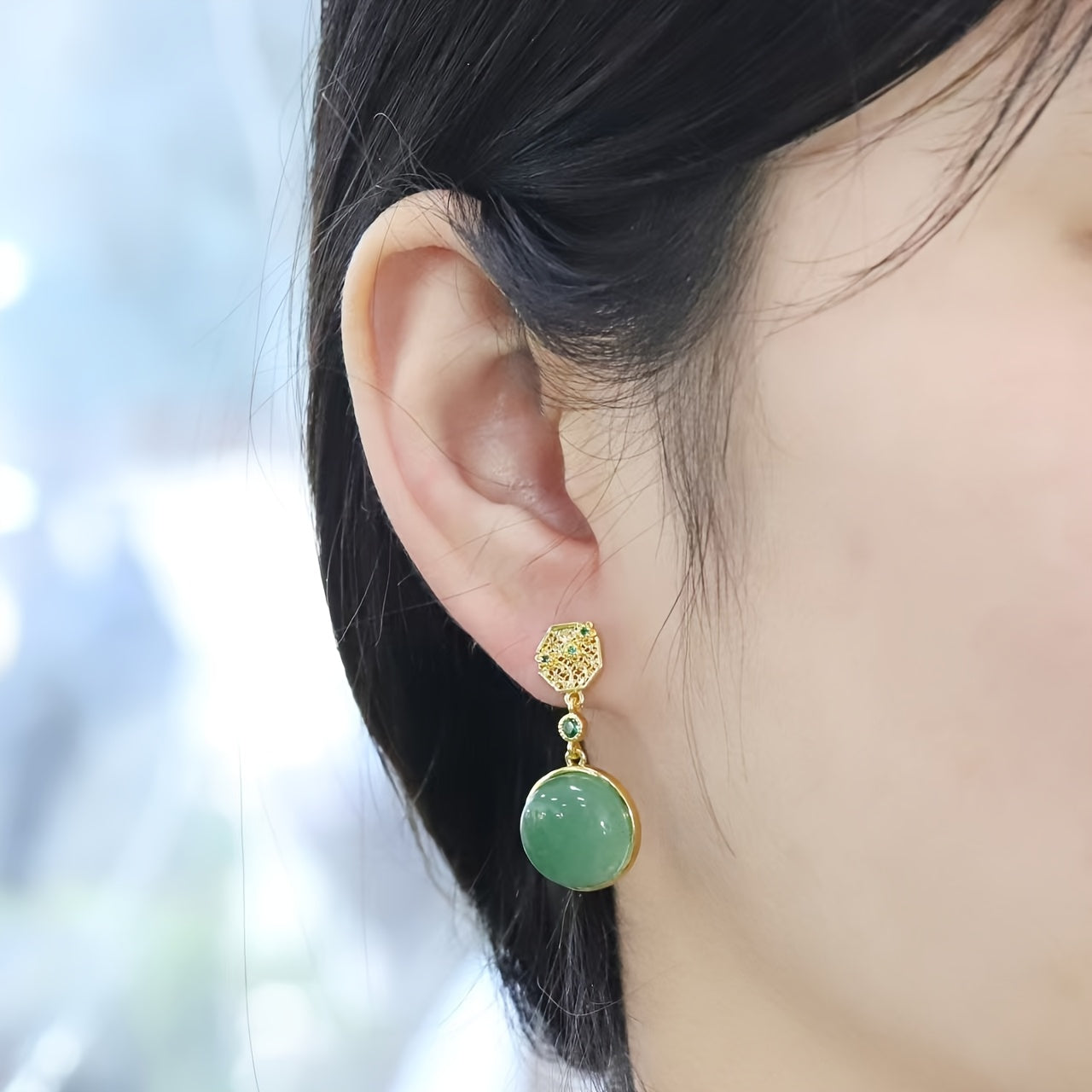
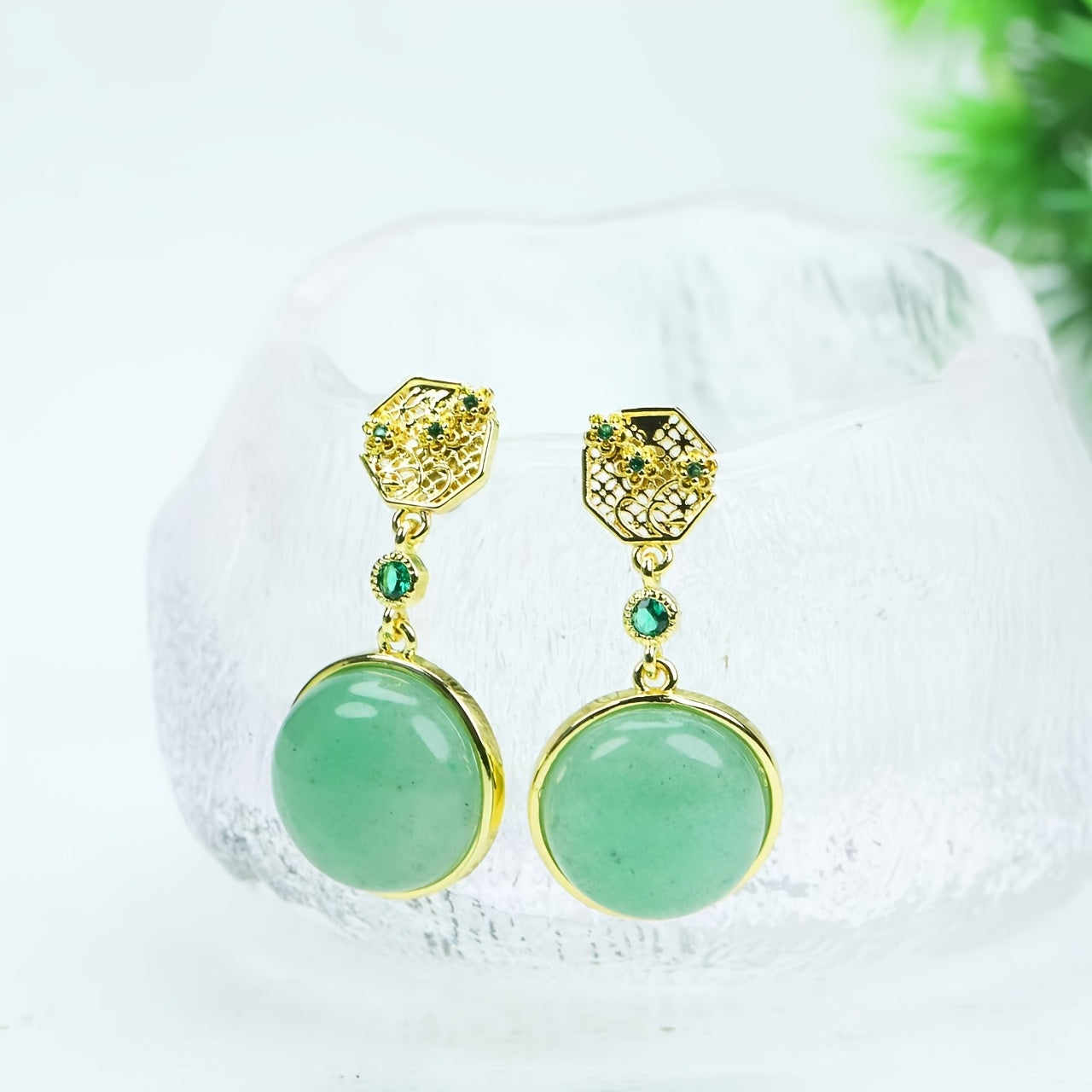
In an era defined by digital interfaces and synthetic experiences, a quiet revolution is taking place in how young people relate to adornment, spirituality, and self-expression. The resurgence of natural stone jewelry—particularly pieces like the Elegant Green Natural Stone Drop Earrings for teenagers—represents more than a fashion trend. It signals a profound cultural shift toward authenticity, mindfulness, and earth-conscious living among Generation Z.
This movement transcends mere aesthetics. Teenagers today are navigating unprecedented psychological terrain: social media pressures, climate anxiety, academic stress, and identity formation in a rapidly changing world. In response, many are seeking tangible connections to nature, ancient wisdom traditions, and objects that carry meaning beyond their visual appeal. Green stone jewelry, with its geological history and traditional healing associations, has emerged as a powerful medium for this exploration.
The Geological Poetry of Green Stones
Green stones like aventurine, jade, moss agate, and malachite are geological marvels formed through processes spanning millions of years. Their green coloration typically comes from trace elements—chromium, vanadium, or iron—that became incorporated into their crystalline structures during formation. This natural alchemy creates stones with unique patterning no human artist could replicate.
From a mineralogical perspective, these stones represent Earth's capacity for transformation under pressure—a metaphor not lost on adolescent wearers. The aventurine commonly used in teen jewelry forms in metamorphic rock environments, transformed by heat and pressure over eons. This geological narrative of transformation under challenging conditions resonates deeply with the teenage experience of personal growth through life's pressures.
Cultural Heritage of Green Gemstones
The reverence for green stones spans cultures and millennia. In ancient China, jade was considered more valuable than gold, representing purity, moral integrity, and connection to heaven and earth. Mesoamerican cultures prized jade for its association with water, vegetation, and life itself. Celtic traditions associated green stones with fairy realms and earth magic.
This cross-cultural appreciation creates a rich symbolic tapestry for modern wearers. When a teenager wears green stone earrings today, they unconsciously tap into this accumulated cultural meaning—whether they're aware of the specific traditions or not. The stones carry what psychologist Carl Jung might call "collective unconscious" associations with growth, life force, and natural wisdom.
Teen Spirituality in the Digital Age
Contemporary teenage spirituality differs markedly from previous generations' religious frameworks. Today's youth are more likely to describe themselves as "spiritual but not religious," creating personalized belief systems that draw from multiple traditions, nature-based practices, and psychological frameworks. In this context, crystal and stone jewelry serves as accessible spiritual technology—tangible objects that support intangible processes.
Dr. Anya Petrova, a developmental psychologist specializing in adolescent spirituality, explains: "Teenagers today are what I call 'spiritual bricoleurs.' They assemble meaning from available resources—a little mindfulness here, some environmental consciousness there, mixed with personal creativity. Natural stone jewelry fits perfectly into this approach. It doesn't demand adherence to specific doctrines but offers a physical anchor for personal reflection and growth."
Psychological Perspective: Research in developmental psychology suggests that tangible objects can serve as "transitional objects" during identity formation. While younger children might use blankets or stuffed animals, teenagers often adopt jewelry, clothing, or other personal items that represent emerging aspects of self. Natural stone jewelry, with its earth-connection and subtle energetic associations, provides particularly rich material for this developmental work.
The Heart Chakra Connection
In energy healing traditions, green is universally associated with the heart chakra (Anahata), located at the center of the chest. This energy center is considered the bridge between lower, more physical chakras and higher, more spiritual ones. It governs compassion, forgiveness, self-love, and healthy relationship boundaries.
Adolescence represents a critical period for heart chakra development. As teenagers navigate first loves, complex friendships, family dynamics, and self-acceptance challenges, the heart energy center undergoes significant activity. Green stone jewelry worn near this area—whether as earrings, pendants, or bracelets—is traditionally believed to support this developmental process.
Emma Chen, a teen yoga instructor, observes: "I've noticed more teenagers coming to class wearing crystal jewelry. When I ask about it, they often mention feeling 'calmer' or 'more centered' when wearing certain stones. Whether this is placebo effect or something more subtle isn't really the point. What matters is they've found a tool that helps them navigate their emotional landscape."
Sustainable Fashion and Ethical Consumption
The rise of natural stone jewelry among teenagers coincides with growing environmental consciousness. Generation Z is acutely aware of climate change and the environmental costs of fast fashion. Natural stone jewelry represents an alternative: durable, timeless pieces with transparent material origins.
Unlike synthetic materials that might degrade and release microplastics, natural stones are essentially permanent. With proper care, they can last generations, becoming heirlooms rather than landfill. This longevity appeals to environmentally conscious teens seeking to reduce their consumption footprint.
Moreover, the mining and crafting of natural stones, when done ethically, can support sustainable livelihoods in mining communities. Forward-thinking jewelry companies are increasingly transparent about their supply chains, providing teenagers with the opportunity to make consumption choices aligned with their values.
Design Philosophy: Minimalism with Meaning
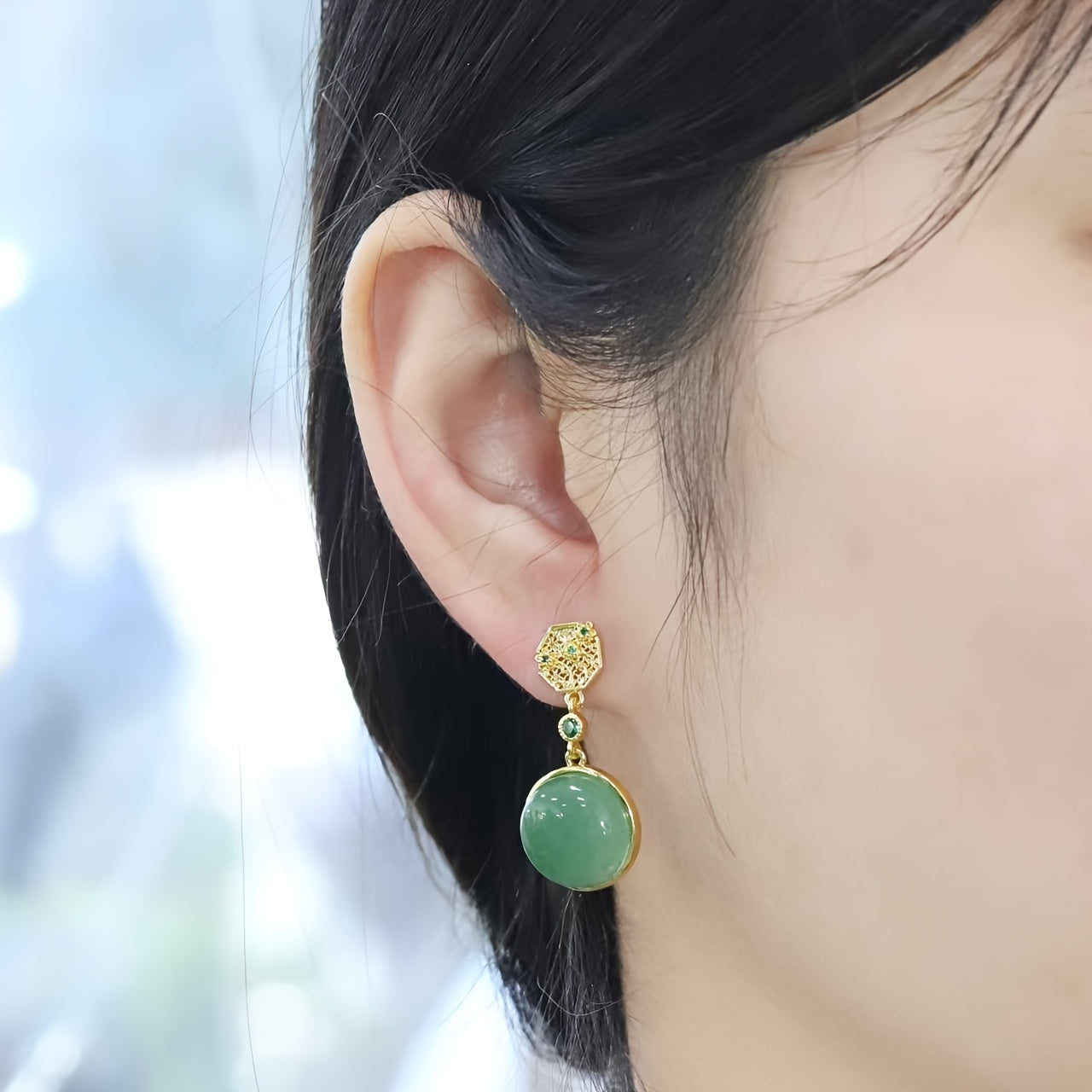
The design of successful teen natural stone jewelry balances several considerations. First, it must be aesthetically appealing to teenage sensibilities—often leaning toward minimalist, versatile designs that work with multiple clothing styles. Second, it should be comfortable for all-day wear, with attention to weight and earring post design. Third, it must honor the stone's natural properties through cut, setting, and presentation.
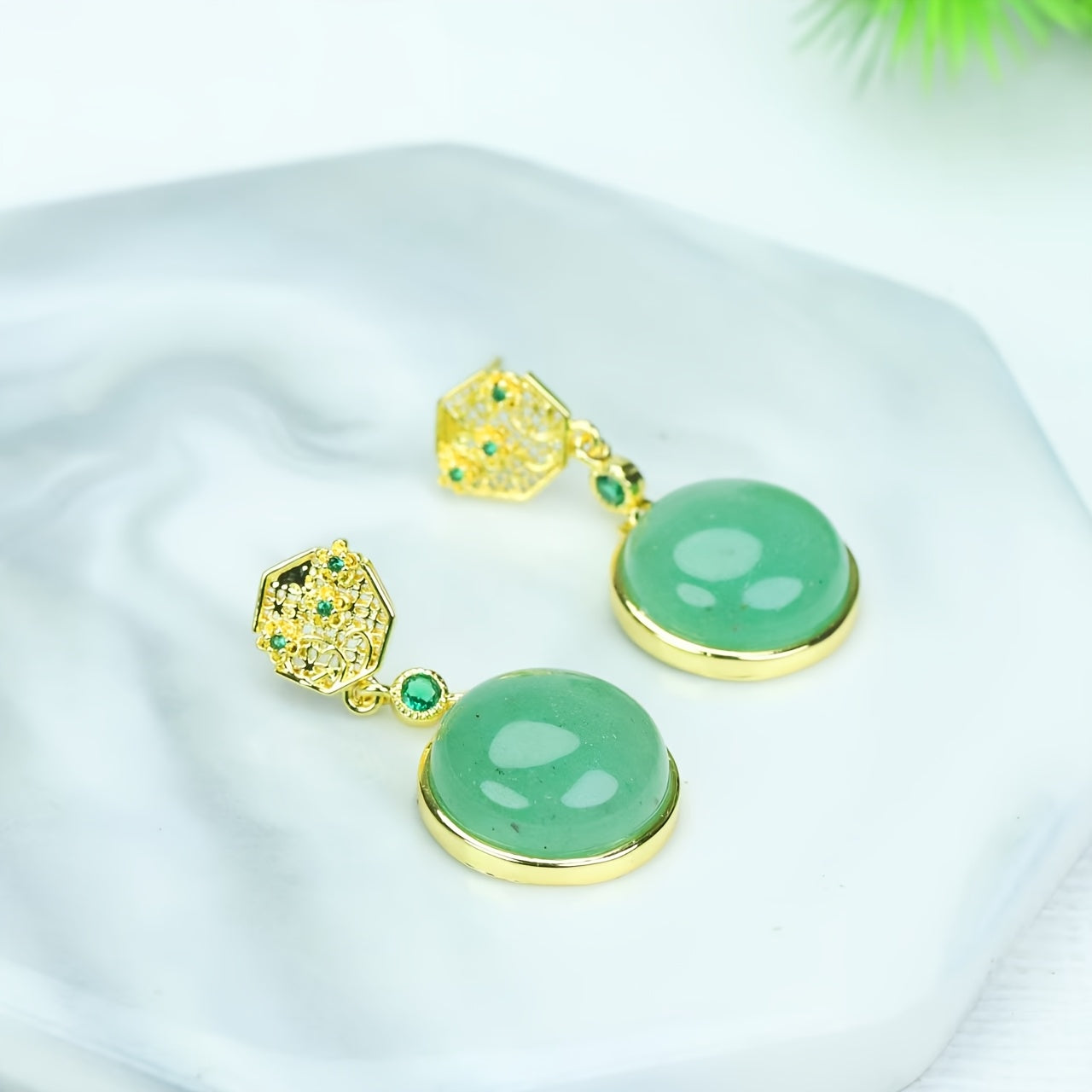
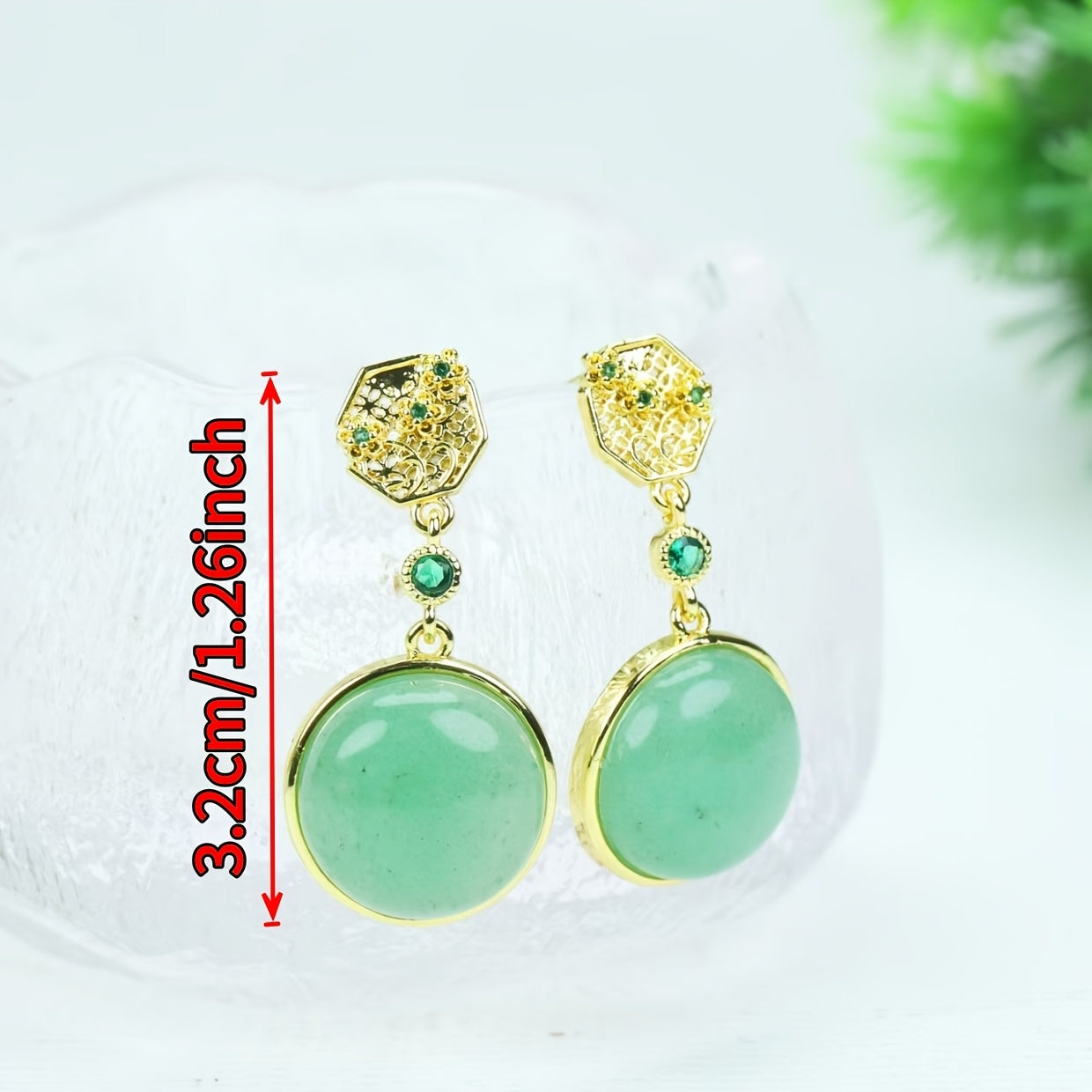
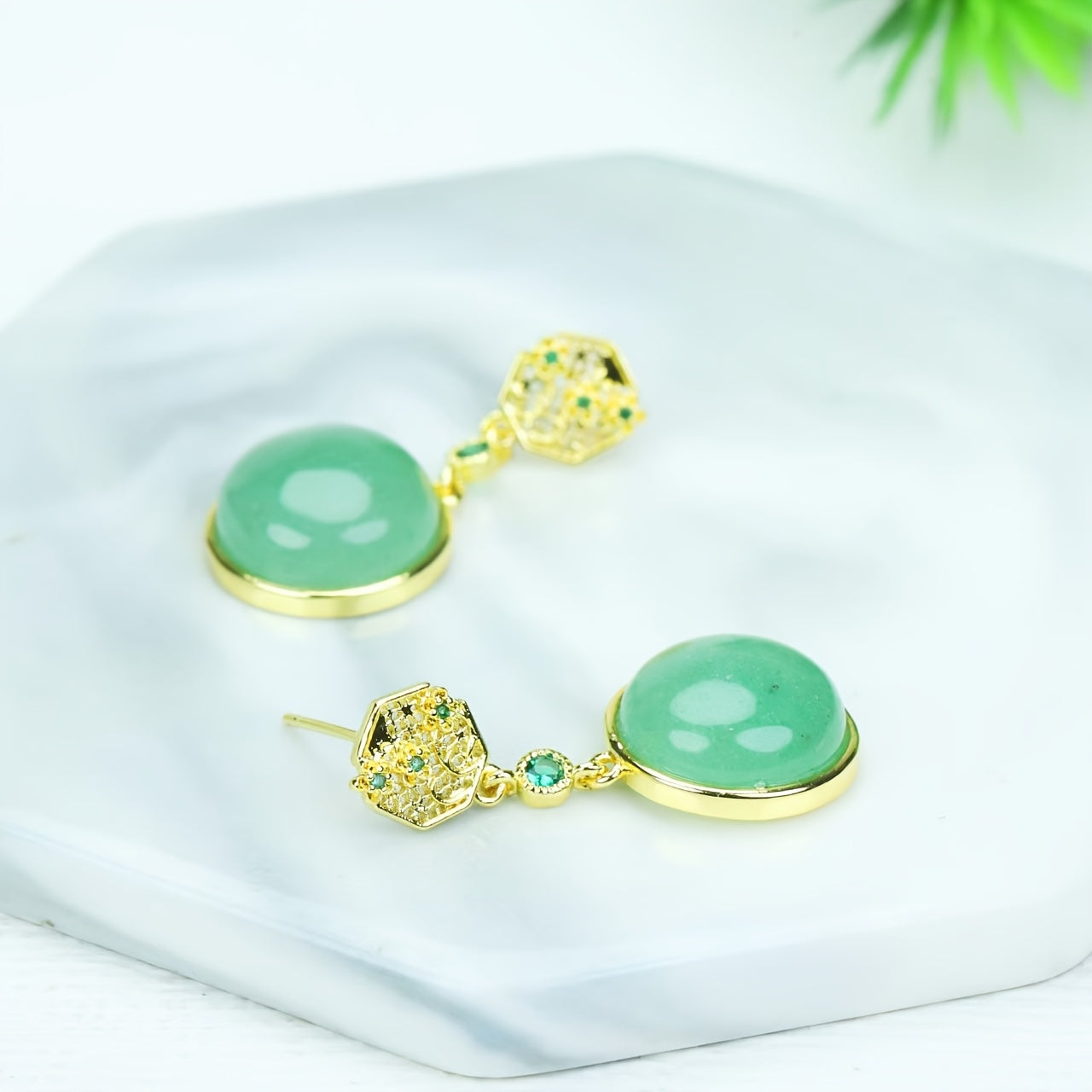
The Elegant Green Natural Stone Drop Earrings exemplify this balance. The drop design elongates subtly without being cumbersome. The simple setting allows the stone to be the focal point. The length is calculated to catch light and movement without interfering with daily activities. Each decision reflects deep understanding of both teenage lifestyles and stone properties.
Social and Emotional Significance
Beyond personal spirituality, natural stone jewelry serves social functions in teenage culture. It can signify belonging to particular friend groups or value systems. Shared interest in crystals and stones can become bonding material between friends. Jewelry gifts between teenagers often carry layered meanings—selecting specific stones for specific friends based on perceived needs or personalities.
The gifting of green stone earrings for occasions like Easter or Mother's Day extends this social significance intergenerationally. A mother receiving green stone earrings from her teenage daughter receives more than jewelry; she receives a symbolic offering of heart-energy, growth, and connection.
Market Perspective and Future Trends
The market for teen spiritual jewelry has grown approximately 25% annually over the past five years, according to industry analyses. This growth reflects broader trends toward wellness, mindfulness, and sustainable consumption. Retailers report that teen customers increasingly ask about stone properties, ethical sourcing, and design intentions—questions rarely heard a decade ago.
Future developments in this space may include:
- Technological integration: QR codes linking to information about specific stones' geological origins and traditional uses
- Customization: Bespoke stone selection based on birth charts, personality assessments, or personal intentions
- Educational components: Jewelry paired with mindfulness exercises or journaling prompts
- Community building: Brands creating spaces for teen wearers to share experiences and insights
Expert Commentary: A Developmental Psychologist's View
Dr. Marcus Lee, who studies adolescent identity formation, offers this perspective: "What we're witnessing with the natural stone jewelry trend is adolescents' sophisticated engagement with material culture as identity scaffolding. The stones serve multiple psychological functions: they're transitional objects, identity markers, conversation starters, and tangible connections to larger cosmic stories. Crucially, they allow teens to explore spirituality and identity in a self-directed, non-dogmatic way."
He continues: "The green color is particularly significant developmentally. Adolescence involves balancing emotional growth with cognitive development—heart and mind integration. Green, situated between warm and cool colors on the spectrum, visually represents this integration. When a teen chooses green stone jewelry, they're unconsciously selecting a color that represents their developmental task."
Historical Parallel: The current teen interest in natural stones echoes Victorian mourning jewelry (which often incorporated hair and minerals) and 1960s countercultural adoption of turquoise and silver. Each generation finds material expressions for its particular spiritual and emotional needs, often returning to earth materials during times of societal transition.
Technical Craftsmanship Evolution
The creation of teen-appropriate natural stone jewelry requires specialized craftsmanship. Stones must be cut and polished to maximize their visual appeal while maintaining structural integrity. Settings must be secure yet delicate. Findings (earring backs, clasps) must balance durability with hypoallergenic properties for sensitive teenage skin.
Modern techniques like laser cutting and 3D printing are beginning to interface with traditional lapidary skills, creating new possibilities for stone presentation. However, many artisans emphasize handwork, believing that human touch imbues the jewelry with particular energetic qualities valued by discerning teen customers.
Environmental Sustainability Considerations
As with any mined material, ethical questions surround stone extraction. Forward-thinking jewelry companies are addressing these concerns through:
- Partnering with certified ethical mines
- Using recycled or reclaimed stones
- Developing transparent supply chain documentation
- Supporting mine reclamation projects
- Creating buy-back programs for jewelry at end of life
Teen consumers are particularly attentive to these practices, often researching brands' environmental and ethical commitments before purchasing. This consumer vigilance drives industry improvement.
Fashion Trends Intersecting with Spirituality
The popularity of natural stone jewelry intersects with several fashion trends: cottagecore's celebration of natural materials, dark academia's appreciation for historical symbolism, and normcore's minimalist aesthetics. This cross-trend appeal makes green stone jewelry versatile across style tribes.
Fashion forecaster Lena Torres notes: "We're seeing what I call 'intentional accessorizing'—choosing each piece based on both aesthetic and symbolic considerations. The green stone earrings work because they're visually simple enough for minimalist fashion but symbolically rich enough for spiritual seekers. They bridge categories."
Social Impact and Community Building
Beyond individual wear, natural stone jewelry is fostering communities—both online and offline. Social media platforms feature teen-led conversations about stone properties, styling ideas, and personal experiences. These digital communities provide spaces for connection around shared interests beyond mainstream teen culture.
Some brands are leveraging this community-building potential by hosting virtual crystal circles, creating educational content with teen influencers, or developing apps that help wearers track their mindfulness practices alongside their jewelry wearing.
Future Outlook: The Next Decade
As Generation Z matures and Generation Alpha approaches adolescence, the natural stone jewelry trend shows no signs of slowing. Instead, it's likely to evolve in these directions:
- Personalization at scale: Technology enabling affordable customization
- Scientific engagement: More integration with geology and mineralogy education
- Therapeutic applications: Collaboration with mental health professionals
- Circular economy models: Improved recycling and stone repurposing systems
- Cross-cultural fusion: Blending stone traditions from multiple cultures with appropriate respect and context
Why People Choose Natural Stone Jewelry Today
In a world dominated by mass-produced products, natural stone jewelry stands out because it is:
- Meaningful — full of geological, cultural, and personal symbolism
- Artisanal — often shaped by human hands preserving traditional skills
- Natural — made from Earth's own materials with minimal processing
- Energetic — supporting emotional and spiritual well-being through traditional associations
- Timeless — never going out of style because it never was merely "in style"
- Unique — no two stones are identical, honoring individuality
Final Thoughts: A Jewelry Movement With Consciousness
The Elegant Green Natural Stone Drop Earrings for teenagers represent more than a product category. They embody a cultural moment where young people are reclaiming ancient practices for modern needs, seeking sustainability in a disposable culture, and finding spiritual depth in material objects.
A hand-crafted natural stone earring is far more than a decorative accessory. It is:
- A geological artifact — carrying Earth's deep time memory
- A grounding tool — connecting wearers to physical reality
- A piece of cultural continuity — linking ancient traditions to contemporary life
- A handmade piece of art — preserving craft traditions
- A spiritual companion — supporting personal growth journeys
- A statement of values — expressing environmental and ethical consciousness
As teenagers navigate the complex transition to adulthood, such objects provide anchors of meaning. They remind wearers that personal growth, like geological formation, happens gradually through pressure and time. They suggest that true beauty comes not from perfection but from authentic, unique formation. And they offer the hopeful possibility that the next generation might build a future more connected to Earth's wisdom than recent generations have managed.
In choosing green stone jewelry, teenagers are voting with their wallets and their wardrobes for a world where fashion has meaning, where spirituality has tangible form, and where personal adornment reflects personal values. This quiet revolution at the ear lobe may well signal larger transformations to come.
